Reviewed · TSUKIJI MARKET TOURS
Tokyo Morning Tour: Asakusa, Meiji Shrine and Tsukiji Fish Market
Tokyo gives you three very different faces in one morning: a quiet Shinto shrine, a food market, and one of the city’s oldest Buddhist temples. This four-hour small-group tour links them without asking you to wrestle with a map or figure out the route yourself.
In This Article
- Key points to know before booking
- Why this compact Tokyo route works
- Meiji Shrine: a quiet start in central Tokyo
- Tsukiji Market: Tokyo’s food culture in one hour
- Senso-ji and Asakusa: finishing among old Tokyo landmarks
- The guide makes the biggest difference
- What the $157 price really buys you
- Timing, transport, and physical demands
- Who will get the most from this morning?
- Should you book this Tokyo morning tour?
- FAQ
- How long does the Tokyo Morning Tour last?
- Which sights are included?
- Where does the tour start?
- Where does the tour end?
- Is public transportation included?
- Are food and drinks included?
- What is the cancellation policy?
I like the early start, which helps you see Meiji Shrine and Tsukiji before the day gets too crowded. I also like the practical touch of having the guide take photos, especially when you are traveling alone or with a group and want everyone in the picture. The main drawback is the pace: one hour at each stop gives you a useful introduction, not a deep visit.
Key points to know before booking
- Three major sights in one morning: Visit Meiji Jingu Shrine, Tsukiji Fish Market, and Senso-ji Temple.
- A group capped at eight: The small size should make it easier to hear the guide and ask questions.
- An early start pays off: The morning schedule is designed to help you avoid heavier crowds.
- A food stop without included food: Tsukiji is included, but snacks, drinks, and meals cost extra.
- The tour ends in Asakusa: You can continue exploring the temple district after the guided portion.
- Budget for about 600 yen in transport: Public transportation is not included in the $157 price.
Why this compact Tokyo route works
Tokyo can feel confusing at first. Its sights are spread across districts, and a morning that looks simple on a map can quickly become a series of station changes, wrong turns, and missed entrances. This tour solves that problem by putting a guide in charge of the route.
The order also gives you a pleasing change of mood. Meiji Shrine begins in a quiet wooded setting. Tsukiji shifts the focus to food and daily life. Senso-ji finishes in Asakusa, where temple buildings, souvenir stalls, and old Tokyo atmosphere fill the streets.
You have about three hours at the three main stops, with the remaining time used for movement and orientation. That is enough to see the main features and understand what makes each district important. It is not enough for long shopping, a full meal, or a slow photographic study.
The group limit of eight matters. A guide can keep a small party together more easily, and you should have a better chance to hear explanations at the shrine, market, and temple. The tour is offered in English, and the guide provides historical context rather than simply pointing out buildings.
Previous guide assignments have included Ryota, Yota, and Andres Burgos. Ryota was praised for careful timing and good photo locations, while Yota was noted for an approachable manner and clear explanations. Andres Burgos was also singled out for doing an excellent job. Your guide may be different, but these names give you a sense of the service level to expect.
A few more Tokyo tours and experiences worth a look


Meiji Shrine: a quiet start in central Tokyo
Your morning begins at Starbucks Coffee in With Harajuku, at 1-14-30 Jingumae, Shibuya. From there, the tour heads to Meiji Jingu Shrine, where you have about an hour and admission is included.
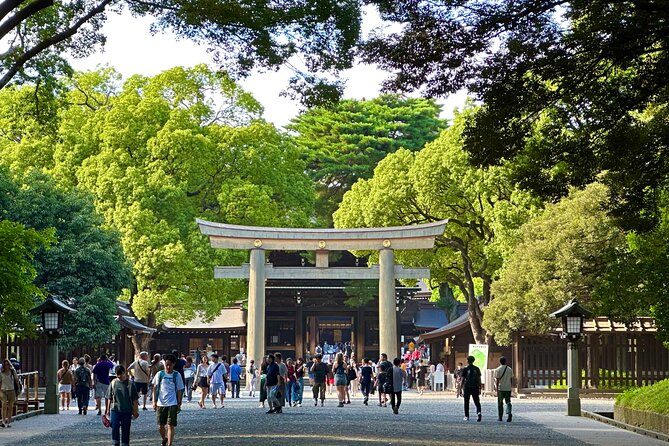
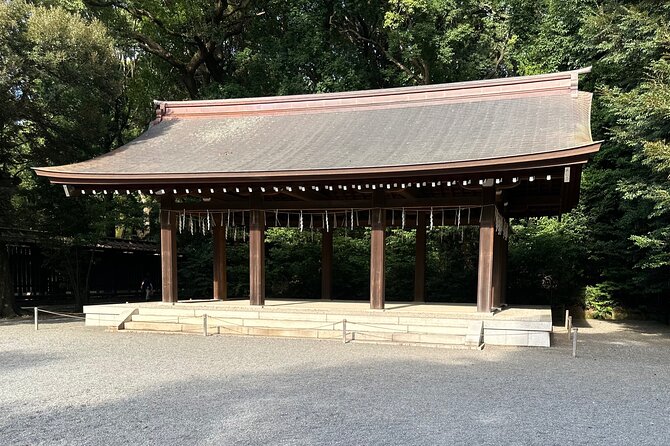
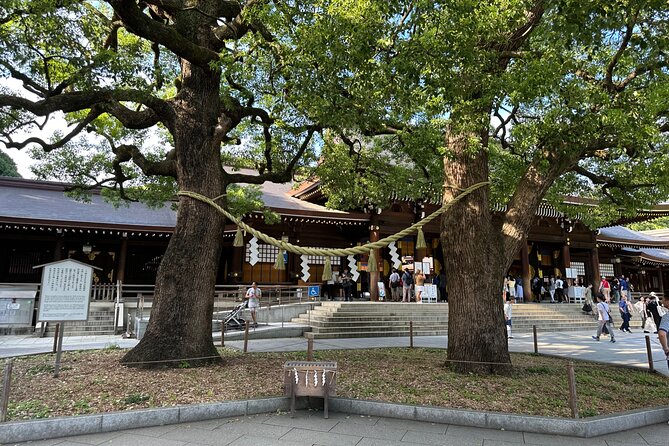
The shrine honors Emperor Meiji and Empress Shoken. Its setting is the first surprise. Although Tokyo is one of the world’s largest cities, Meiji Shrine is surrounded by a broad forest and calm walking paths. The trees create a clear break from Harajuku’s busy streets.
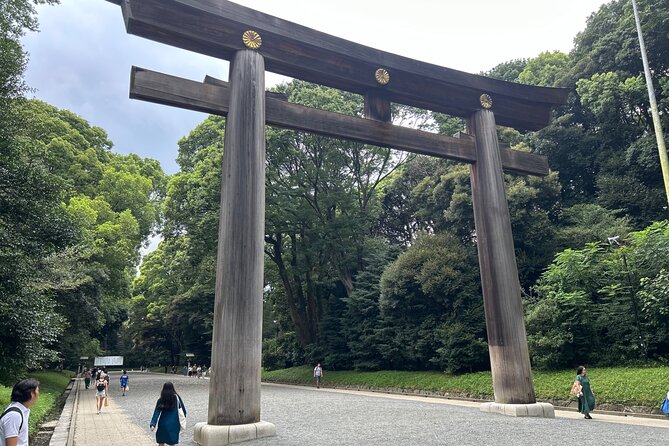
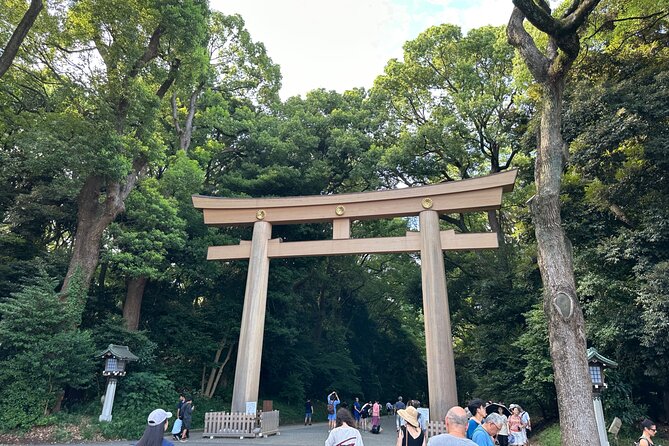
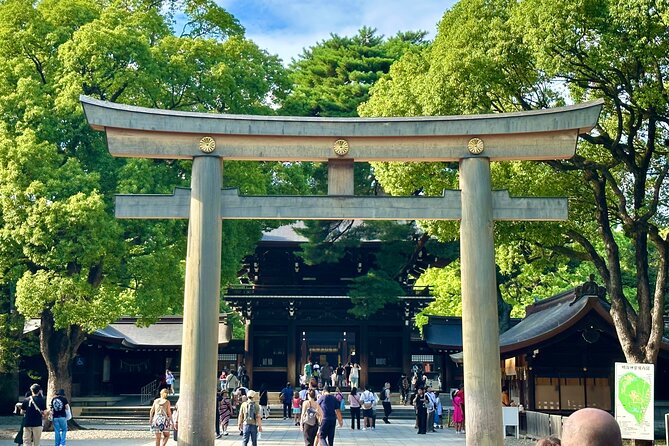
A guide adds value here because Shinto customs can be easy to observe without understanding. You can learn how to approach a shrine, what the torii gates represent, and how the site connects to Japan’s imperial and religious traditions. The point is not just to take a picture of the gate. It is to understand why the visit follows a certain rhythm.
The torii gates make strong photographs, and the guide can help with that. Since photos are included as part of the service, you do not have to choose between taking pictures and appearing in them.
One hour is a sensible introduction, but keep your expectations in check. Meiji Shrine is a large site, and a short stop cannot cover every path or detail. If you want extended time for prayer, photography, or quiet reflection, you may wish to return on your own later.
The morning timing is useful here. A temple or shrine can lose some of its calm when large groups fill the approach. Starting early gives you a better chance to appreciate the setting before the day builds.
Tsukiji Market: Tokyo’s food culture in one hour
The next stop is Tsukiji Fish Market, with about an hour set aside. Admission is included, but food and drinks are not, so bring extra money if you want to sample something.
Tsukiji was once the world’s largest wholesale seafood market. The wholesale operations later moved elsewhere, but Tsukiji remains an important place for seafood and ingredients. The market has more than 80 years of history, and its connection to chefs and local food culture is central to the experience.
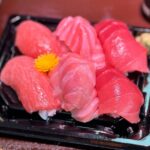
This is where a guide can prevent the visit from becoming a simple walk past shopfronts. You may see tuna, octopus tentacles, fresh produce, and other ingredients, while the guide explains how the market fits into Japanese cooking. Michelin-starred chefs are known to shop here in the morning, which helps explain why the quality and variety of ingredients matter.
For you, the best part may be the contrast with Meiji Shrine. The shrine asks for quiet attention. Tsukiji is about movement, smells, displays, and the practical business of buying food. It shows a more everyday side of Tokyo.
Do not treat the stop as a guaranteed breakfast. The tour does not include food or drinks, and the schedule allows only about an hour. You can look for something to eat, but the amount of time available depends on the group and the day’s route. If you need a full meal, plan to eat after the tour ends.
There is also a useful trade-off in visiting Tsukiji with a guide. You may not have as much free time to browse individual stalls, but you avoid spending your short morning wondering which lanes matter or how to connect the market to Japanese food traditions.
Senso-ji and Asakusa: finishing among old Tokyo landmarks
The final stop is Senso-ji Temple in Asakusa, where you spend about an hour. The tour ends in Asakusa, making this more than a quick photo stop. You are left in a district with plenty to see after the guide departs.
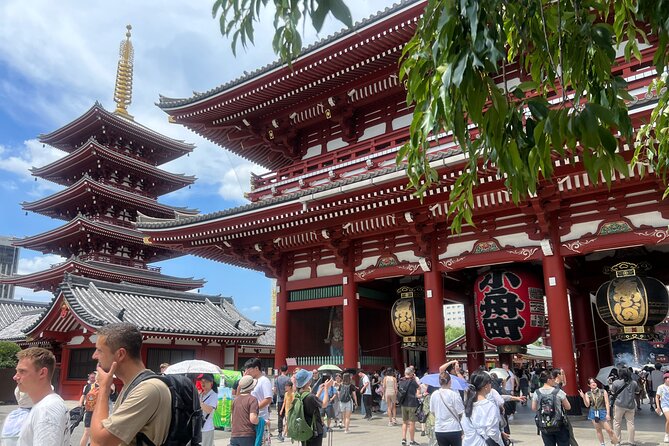
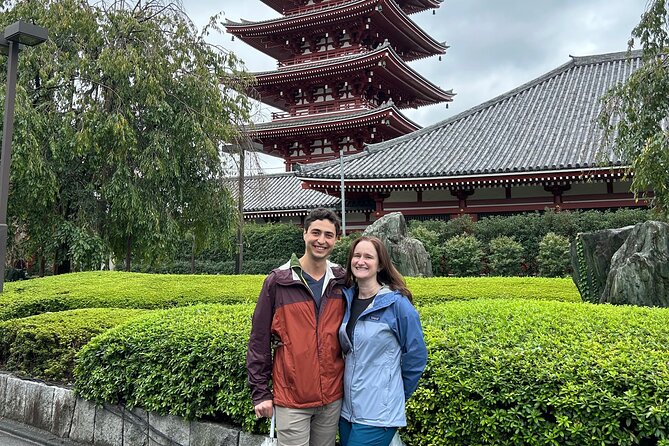
Senso-ji is identified as Tokyo’s oldest temple. Its approach begins with the famous red Kaminarimon Gate, one of the city’s most recognizable sights. From there, Nakamise shopping street leads toward the temple, with shops and a steady stream of people.
This section is more visually intense than Meiji Shrine. Red temple structures, lanterns, stalls, and street activity create a very different impression of Tokyo. The guide’s historical explanations help you understand why Senso-ji is not simply a scenic building, but a major religious and cultural site.
An hour gives you time to see the gate, walk Nakamise, and visit the temple area. It leaves little room for extended shopping. You should think of this stop as an orientation to Asakusa, followed by independent exploration if you have more time.
The ending location is a real advantage. You do not need to return to the starting point in Harajuku. After the tour, you can remain in Asakusa and continue at your own pace, subject to your later plans. The tour does not provide a return transfer.
The guide makes the biggest difference
The sights are famous and easy to locate once you know where you are. The real value of this experience is the person connecting them.
A good guide keeps the morning moving without making it feel like a race. One detailed account praised Ryota for timing the schedule so the group reached places before other groups arrived. That is exactly the kind of practical judgment that matters in Tokyo. A few minutes can change the feel of a shrine approach or market lane.
Yota was praised for being approachable and explaining the places clearly. That matters if you want to ask about customs, food, or the differences between Shinto and Buddhism. Andres Burgos was also praised for his work throughout the tour.
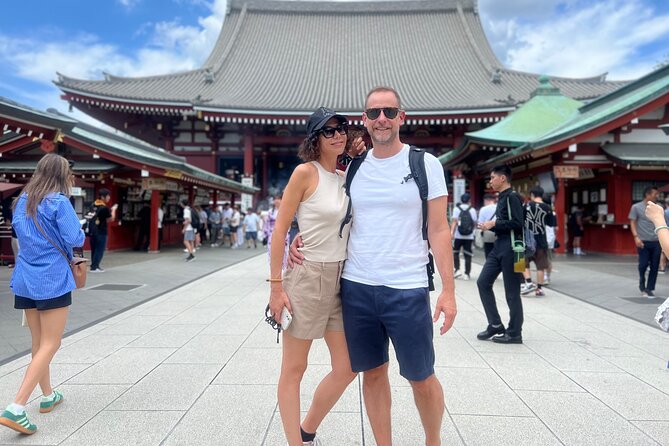
The guide also handles the small decisions that drain time: where to stand, which gate to notice, when to move on, and how to keep the group together. The photo service is a pleasant bonus. You should still take your own pictures, but you may appreciate having a few shots with the whole group or with you in the frame.
The tour has a maximum of eight people. That is small enough for a more personal feel, though the actual experience will still depend on the guide and the group’s pace.
A few more Tokyo tours and experiences worth a look

What the $157 price really buys you
At $157, this is not a cheap sightseeing loop. You are paying for a private-feeling small group, an English-speaking guide, route planning, commentary, and photos, rather than for admission alone. The three listed sights include admission, but public transport costs about 600 yen extra and food is separate.
The value is strongest if your Tokyo schedule is tight. You can see three major areas in half a day and finish in Asakusa rather than losing time returning to the starting point. You also avoid building the route yourself.
The value is weaker if you already understand Tokyo’s transit system, prefer long unstructured visits, or mainly want to eat at Tsukiji. In that case, you may want to visit each district independently and spend more time at fewer places.
For a first Tokyo morning, I think the price can make sense if you place a high value on efficient orientation. You are buying confidence and structure. The tour is less compelling for a repeat visit or for anyone who dislikes fixed schedules.
Timing, transport, and physical demands
The tour starts at Starbucks Coffee in With Harajuku, near public transportation. Check the exact meeting instructions carefully before setting out, since the morning schedule leaves little room for a late arrival.
Public transportation is not included. The estimated cost is around 600 yen. The tour information does not specify every train or subway leg, so you should regard that amount as a guide rather than a detailed transport plan.
You finish in Asakusa, Taito City, at postal code 111-0032. That is useful if you are staying in the area or want to spend the rest of the day there. It is less convenient if your next booking is back near Harajuku or another distant district.
The tour is listed as suitable for most people. You will be walking through shrine grounds, a market, and a temple district for several hours, so comfortable footwear is sensible. No special access details are provided, so anyone with mobility concerns should confirm the arrangements before booking.
The tour lasts approximately four hours, but the three stops are each planned for one hour. You should expect a guided overview, not a slow, open-ended visit. Keep your morning free enough to allow for transport between districts.
Who will get the most from this morning?
I would recommend this experience to a first-time Tokyo visitor with limited time. It gives you a useful first look at three districts that feel very different from one another.
It also suits solo visitors and small groups who want photos taken along the way. The guide can explain customs and keep the route moving while you focus on seeing the sights.
Families and mixed-age groups may appreciate the structure, especially if nobody wants to manage directions. The short stops can also be easier than planning a long day around several distant areas, though anyone who needs frequent breaks should ask about the walking plan.
Food-focused visitors should book with a clear understanding of the Tsukiji stop. You will see the market and learn about its role, but food and drinks are not included, and one hour is not a long time for a full meal.
I would skip this tour if your main goal is extended shopping at Nakamise, a long breakfast at Tsukiji, or quiet time at Meiji Shrine. The route is designed for breadth and orientation, not for lingering.
Should you book this Tokyo morning tour?
Book it if you want three major Tokyo sights handled in one morning, with an English-speaking guide, a group of no more than eight, and a finish in Asakusa. The early start is one of the strongest reasons to choose it, since timing helps reduce crowd pressure.
Before booking, accept the trade-offs: the price is $157, transport costs about 600 yen extra, food is not included, and each stop lasts roughly an hour. You also need to cancel at least 24 hours before the start time for a full refund.
For a first visit, I see this as a useful orientation tour with unusually good coverage. You will leave knowing which districts deserve a longer return visit, and you will not spend your first morning trying to decode Tokyo’s map.
FAQ
How long does the Tokyo Morning Tour last?
The tour lasts approximately four hours.
Which sights are included?
The tour visits Meiji Jingu Shrine, Tsukiji Fish Market, and Senso-ji Temple in Asakusa.
Where does the tour start?
It starts at Starbucks Coffee in With Harajuku, located at 1-14-30 Jingumae, Shibuya, Tokyo 150-0001.
Where does the tour end?
The tour ends in Asakusa, Taito City, Tokyo 111-0032.
Is public transportation included?
No. Public transportation is not included. The estimated additional cost is around 600 yen.
Are food and drinks included?
No. Food and drinks are not included, so you will need to pay separately for anything you buy at Tsukiji or elsewhere.
What is the cancellation policy?
You can cancel at least 24 hours before the experience start time for a full refund. Cancellations or changes made within 24 hours are not refunded or accepted.
More Temples & Meditation in Tokyo

More Tsukiji Market Tours in Tokyo
More Asakusa Tours in Tokyo
More tours in Tokyo we've reviewed












Tsukiji Market Tours, compared.
 ★ 5.0Tokyo Tsukiji Fish Market Food and Culture Walking TourFrom $99
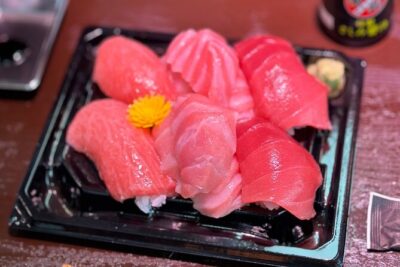 ★ 5.0Tokyo: Tsukiji Fish Market Food and Walking tourFrom $30
 ★ 4.9Tokyo: Tsukiji Fish Market Guided Walking TourFrom $222 hours
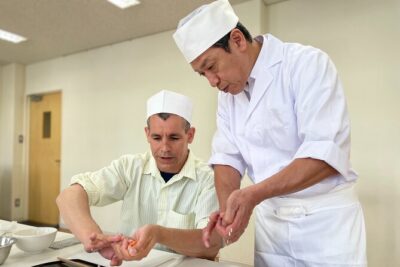 ★ 5.0Tokyo Sushi Making Class in Tsukiji with Professional ChefFrom $49
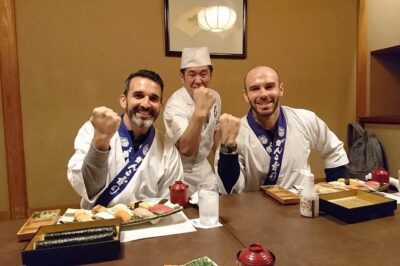 ★ 5.0Tsukiji Fish Market Guided Tour and Sushi Making with Pro ChefFrom $104
★ 4.7Tokyo: Tsukiji Fish Market Food and Culture Walking TourFrom $963 hours
★ 5.0Tsukiji Fish Market Guided Tour and Sushi Making with Pro ChefFrom $104
★ 4.7Tokyo: Tsukiji Fish Market Food and Culture Walking TourFrom $963 hours