Reviewed · ASAKUSA TOURS
[electric bicycle tour]: 6-hour travel course by electric bicycle Asakusa, Ueno Park, Edo-Tokyo Museum, and Sky Tree. (There is a support car.)
Tokyo is easier to understand from a bicycle seat. This small-group ride links Ryogoku, Ueno Park, Asakusa, and Tokyo Skytree in one long day, using an electric bicycle and a support car. You get temples, museum exhibits, old neighborhoods, and a useful sense of how close these eastern Tokyo districts really are.
In This Article
- Key points at a glance
- Why this bicycle route works in eastern Tokyo
- Edo-Tokyo Museum: two hours of background first
- Lunch at Edonoren: choose your own Tokyo specialty
- Riding to Ueno Park with help from the e-bike
- Ueno Park and Kaneiji: a short walk with historical context
- Senso-ji and Asakusa: the tour’s strongest sightseeing section
- Optional Tokyo Skytree extension
- What the $283.17 price means
- Who should book this experience
- Timing, weather, and booking details
- Should you book the Tokyo e-bike tour?
- FAQ
- Where does the tour begin?
- Where does the tour end?
- How long does the tour last?
- What languages can the guide support?
- How many people can join?
- Is lunch included?
- Can I reserve lunch in advance?
- Is Tokyo Skytree included in the basic tour?
- Can I stop riding if I become tired?
- What are the bicycle requirements?
I like the maximum group size of six, which should make street riding and questions easier. I also like the support car: you can store purchases, luggage, and even the bicycle if your legs give out. The guide can work in Japanese, English, Korean, Chinese, or Vietnamese.
The main caution is the time balance. The ride covers a lot, but the museum receives two hours while Ueno Park and Senso-ji get shorter visits. One past rating was 3.5 out of 5, with praise for the helpful, flexible guide and good bicycles, but criticism that the time allocation felt off and the explanations were limited.
Key points at a glance
- Ryogoku starting point: Meet near Toei Ryogoku Station, then begin with the Edo-Tokyo Museum.
- Electric bicycles included: Pedal assistance makes the long route more manageable, though you still need basic cycling ability.
- Support car provided: Store luggage and souvenirs, or load the bicycle if you become tired.
- Four language options: The tour is guided in Japanese, with English, Korean, Chinese, and Vietnamese support available.
- Lunch is separate: Choose from monjayaki, sushi, tempura, soba, Fukagawa meshi, and other dishes at Edonoren.
- Skytree is optional: The basic tour ends around Asakusa, but you can add the short ride to Tokyo Skytree.
Why this bicycle route works in eastern Tokyo
This is not a tour built around one famous sight. Its value comes from linking several parts of Tokyo that can feel disconnected when you visit by train. You begin in Ryogoku, the district associated with sumo and the old Sumida area, then move toward Ueno, Asakusa, and the Skytree.
The electric bicycle matters here. The planned riding time is about 55 minutes before the optional Skytree leg, but the tour lasts six to seven hours because the main focus is sightseeing on foot and inside the museum. You get the convenience of a bike without spending the whole day pedaling.
The group limit of six is another practical plus. A small group is easier to manage at crossings and narrow streets, and you can ask for adjustments. The operator also says family-only arrangements may be possible, so it is worth asking if you are traveling with relatives and want a private outing.
The tour is aimed at people aged 11 and older who can ride a bicycle. The stated height range is 135 to 190 centimeters, with a maximum weight of 100 kilograms. Those limits matter because the bicycles are company-owned equipment, not a loose choice of different rental models.
A few more Tokyo tours and experiences worth a look


Edo-Tokyo Museum: two hours of background first
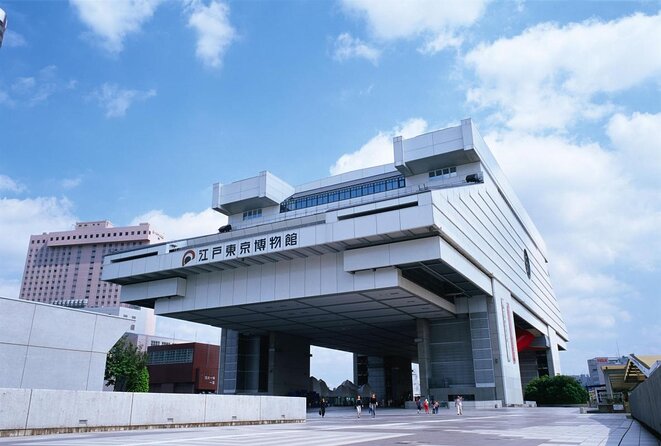
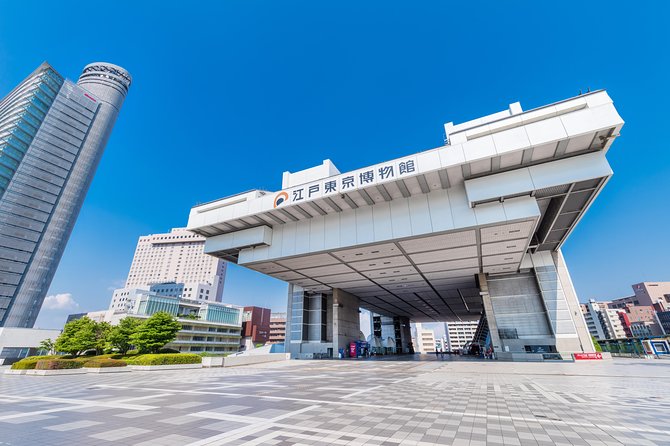
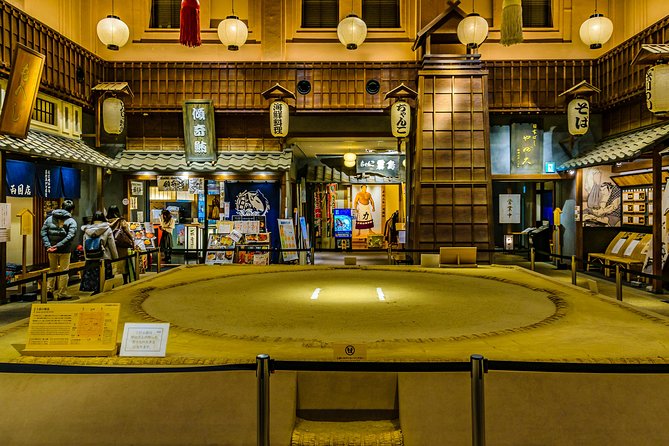
The day begins with two hours at the Edo-Tokyo Museum. The tour description places the guide beside you to explain Japanese history as you move through the museum. This gives the rest of the day some useful context, especially when you later see old temples and historic parts of the city.
Two hours is a serious portion of a six-hour outing. If you enjoy museums, that is a good trade. You can take your time with the displays rather than rushing through in 30 minutes before moving on.
If your main goal is outdoor sightseeing, though, this first stop may feel long. The only supplied rating that comments on the pacing specifically found the time division less satisfying, with too much time in one place and not enough information elsewhere. Go in knowing that this is partly a history tour, not simply a bike ride between photo stops.
Admission to the museum is included, as are the tour fees listed for the experience. The exact guide style may vary, but the plan is clearly designed around explanation rather than independent museum entry. English, Korean, Chinese, and Vietnamese assistance can be requested, while Japanese is the main guiding language.
Lunch at Edonoren: choose your own Tokyo specialty
Lunch takes about an hour at Edonoren in the Sumida area. Lunch is not included in the price, but the range of choices gives you a chance to pick something that suits your appetite and budget.
The listed options include:
- Monjayaki and okonomiyaki
- Seafood dishes
- Chanko and seasonal dishes
- Sushi
- Chicken and gamecock dishes
- Tempura
- Fukagawa meshi
- Japanese soba noodles
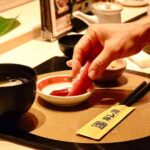
Monjayaki is especially tied to the old downtown Tokyo food culture. It is a soft, pan-fried batter cooked with various ingredients, and it is quite different from the neater shape of okonomiyaki. Fukagawa meshi offers another local connection, while soba and sushi give you simpler choices if you want to keep lunch quick.
You can request a reservation in advance. That is worth doing if your schedule is tight, if you have a larger family group, or if you want a particular restaurant or dish. Since lunch costs extra, ask ahead about the restaurant choice and expected price if food spending is important to you.
The one-hour limit keeps the tour moving, but it also means this is not a leisurely food stop. You are stopping to eat, not taking a long tasting tour.
Riding to Ueno Park with help from the e-bike
The ride from the lunch area to Ueno Park is planned at about 30 minutes. Electric assistance should help with the distance, but it does not remove the need to pay attention to traffic, pedestrians, and other bicycles.
The support car makes this route less demanding than a standard bicycle tour. If you become tired, you can load your bicycle and continue with the vehicle. Luggage storage is available, and the operator says souvenirs can also be placed in the car after you shop.
That setup changes the kind of day you can plan. You do not have to choose between buying something in Asakusa and carrying it on your back for the rest of the ride. You can also bring a small backpack rather than trying to fit everything into pockets.
The tour includes bottled water, snacks, coffee or tea, and WiFi on board. These are useful extras during a long outing, though they do not replace lunch. A helmet is listed as an option, so confirm how you want to handle helmet use when booking.
Ueno Park and Kaneiji: a short walk with historical context
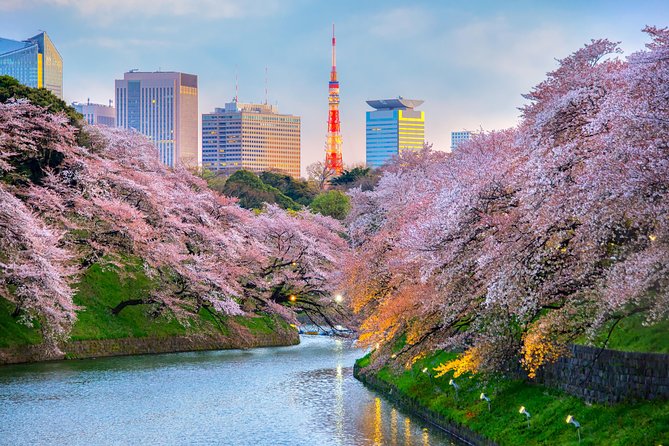
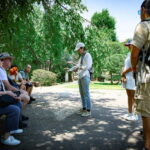
Ueno Park receives about one hour of walking time, with the ride and walk combined listed at roughly 90 minutes. The guide points out historic places in the park, including Kaneiji, and gives a brief account of their background.
Ueno Park works well as an outdoor counterpoint to the museum. Instead of looking at Tokyo through exhibits, you move through a large public park and hear how its temples and grounds fit into the city’s past.
The limitation is time. Ueno is a large area, and one hour does not allow an unhurried visit to every corner. You should treat this as a guided introduction, not a full Ueno Park day. If you have a particular museum or temple you want to see independently, plan another visit.
The short guide commentary may also matter to you. The available rating praised the guide’s helpful and flexible manner but described the amount of information as limited. If you want a detailed lecture at every stop, this may feel light. If you prefer a broad overview with time to look around, the style may suit you better.
A few more Tokyo tours and experiences worth a look

Senso-ji and Asakusa: the tour’s strongest sightseeing section
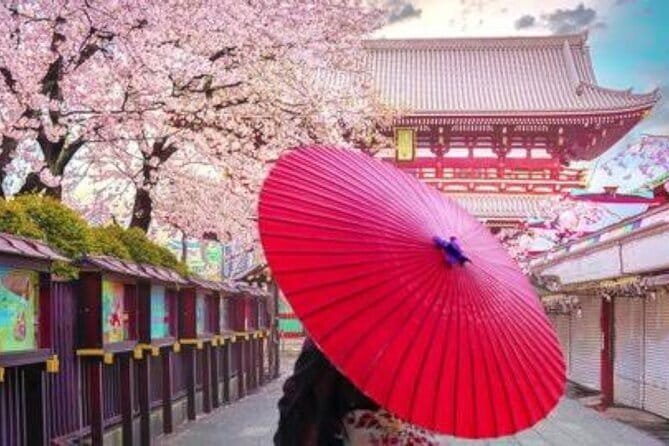
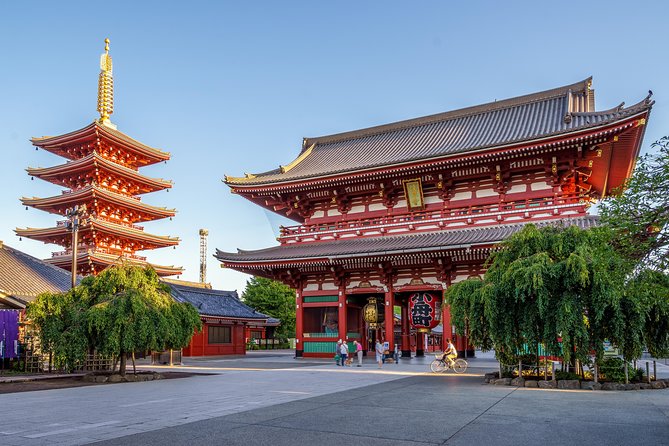
The ride from Ueno Park to Asakusa takes about 15 minutes. Then you spend 30 minutes to one hour around Senso-ji, beginning at Kaminarimon and following the shopping street toward the temple grounds.
This is the most immediately recognizable part of the route. Kaminarimon gives you a clear starting point, and the walk toward Senso-ji brings you through one of Tokyo’s best-known traditional sightseeing areas. The guide leads the route rather than leaving you to find the temple on your own.
The short schedule is practical if you want to see the main approach and temple area in one visit. It is less suitable if you want a long shopping session, extensive photography, or time to explore side streets. You will need to choose between following the planned route and lingering over souvenirs.
Asakusa is also the official end area for the basic tour. That gives you a useful place to continue your day independently after the guided portion finishes. The support car can hold purchases, which is helpful here because the shopping street is one of the stops where you may actually want to buy something.
Optional Tokyo Skytree extension
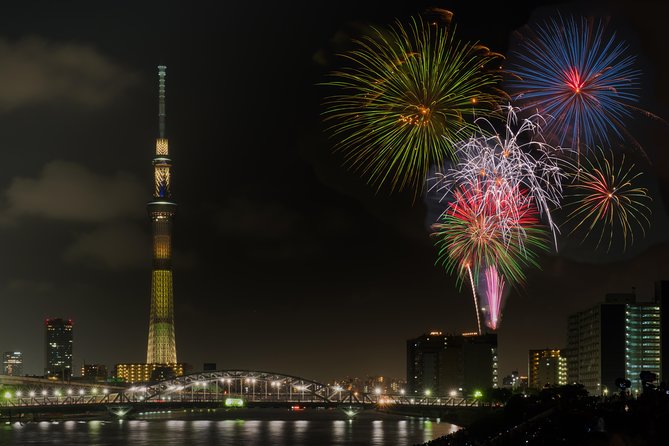
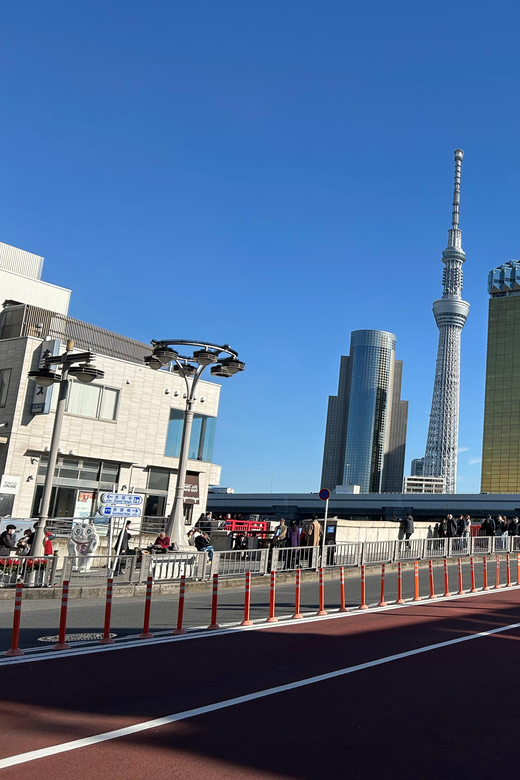
The final ride to Tokyo Skytree takes about 10 minutes and is optional. The supplied timing gives the Skytree section about 30 minutes, and the tour does not include a Skytree admission ticket.
This add-on makes sense if you want to connect old Tokyo with one of its most modern landmarks. You get the visual contrast of Senso-ji and the Skytree in the same outing, and the short ride does not add much cycling distance.
You should clarify what the 30-minute Skytree stop includes. The stated plan describes transport to the area, not entry to the observation decks. If you want to go inside, admission and extra time should be treated separately unless the operator confirms otherwise.
Because the basic plan ends at stop six, do not assume the Skytree extension is automatic. Request it in advance or confirm it with the guide on the day.
What the $283.17 price means
At $283.17 per person, this is an expensive day out if you compare it with a simple bicycle rental or a self-guided train route. The value comes from the combination of equipment, guiding, museum admission, support vehicle, refreshments, and route planning.
You are paying for more than the bicycle. The guide handles the transitions between districts, gives historical background, provides language support, and can adjust the day if you become tired. The support car is particularly useful for families, shoppers, or anyone uncertain about managing several hours on a bicycle.
Still, the price requires the right expectations. Lunch is extra. Skytree admission is not listed as included. The tour may also be less satisfying if you want long, detailed explanations at every stop or prefer to set your own pace.
I would see the price as fair only if you will use the support-car service and value a guide. If you mainly want transportation between Asakusa sights, Tokyo’s rail system will cost much less. If you want a guided day that removes much of the planning and includes a flexible backup vehicle, the package becomes easier to justify.
Who should book this experience
This tour suits you if you want a small-group introduction to eastern Tokyo and like moving between sights rather than sitting on trains. It is also a good match for families with older children, provided everyone meets the age, height, weight, and cycling requirements.
You should be comfortable riding in an urban setting. The electric motor helps, but the tour is not suitable for someone who cannot ride a bicycle. Wear comfortable clothing, bring a backpack, and consider overseas travel insurance. Bicycle insurance is available if you request it.
The route works best for first-time visitors who want several major areas explained in one day. It is less useful for repeat visitors with a strict list of individual museums, shops, or temples, since the time at each stop is limited.
The language range is a strong practical feature. Japanese is the main tour language, with English, Korean, Chinese, and Vietnamese support available. Ask for your preferred language before you arrive, particularly if clear historical explanation is important to you.
Timing, weather, and booking details
The advertised duration is approximately six to seven hours, and the schedule may change by season. The tour operates weekly and normally requires at least two people to depart. If that minimum is not reached, the operator will contact you separately.
Pickup is offered from a hotel lobby within Tokyo’s 23 wards, while the listed meeting point is near Toei Ryogoku Station at 1 Chome-5 Yokoami. The start area is also given as 1 Chome-4-29 Yokoami. Confirm the exact meeting instructions, since the two listed locations are close but not identical.
You need to bring your voucher. The tour operates near public transportation, and the stated operating hours are 9:00 a.m. to 4:00 p.m. from October 4, 2019 through June 16, 2026. Bad weather can change the plan, and the operator will contact you if conditions affect departure.
Free cancellation is available up to 24 hours before the start time. A cancellation inside that window is not refundable, and changes are not accepted inside 24 hours. If the minimum number is not reached and the operator cancels, you can receive another option or a full refund.
Should you book the Tokyo e-bike tour?
Book it if you want a guided, flexible way to connect the Edo-Tokyo Museum, Ueno Park, Senso-ji, and possibly Tokyo Skytree in one day. The support car and six-person limit are the reasons I would choose this over an ordinary bicycle rental.
Think twice if your priority is a slow museum visit, a long lunch, or detailed commentary at every sight. The available rating reflects that tradeoff: good bicycles and a helpful, adaptable guide, but limited information and a schedule that may not divide time exactly as you would prefer.
For the right person, this is a practical introduction to Tokyo’s eastern districts. Confirm the language, helmet arrangement, lunch plans, and Skytree option before paying, then arrive ready for a full day of riding, walking, history, and temple streets.
FAQ
Where does the tour begin?
The listed meeting area is near Toei Ryogoku Station in Sumida City, Tokyo. Pickup can also be offered from a hotel lobby within Tokyo’s 23 wards.
Where does the tour end?
The basic tour ends in Asakusa, Taito City, Tokyo. The optional plan continues to the Tokyo Skytree area.
How long does the tour last?
The experience takes approximately six to seven hours.
What languages can the guide support?
The tour is guided in Japanese, with support available in English, Korean, Chinese, and Vietnamese.
How many people can join?
The maximum group size is six people. The tour normally requires at least two participants to depart.
Is lunch included?
No. Lunch is not included in the tour price. You can choose from options such as monjayaki, okonomiyaki, sushi, seafood, tempura, soba, and Fukagawa meshi.
Can I reserve lunch in advance?
Yes. You can request a lunch reservation in advance.
Is Tokyo Skytree included in the basic tour?
No. The Skytree visit is an optional extension. The listed plan includes the bicycle ride to the Skytree area, but no Skytree admission ticket is listed.
Can I stop riding if I become tired?
Yes. A support car is provided, and the bicycle can be loaded into it. Luggage and souvenirs can also be stored in the car.
What are the bicycle requirements?
Participants must be at least 11 years old and able to ride a bicycle. Users must be between 135 and 190 centimeters tall and weigh no more than 100 kilograms.
More Museum Experiences in Tokyo

More Ueno & Yanaka Walks in Tokyo
More Asakusa Tours in Tokyo
More tours in Tokyo we've reviewed












Asakusa Tours, compared.
 ★ 4.8Tokyo: Japanese Dance Cabaret Theater Asakusa-Kaguwa TicketFrom $492 hours
 ★ 4.7Tokyo: Meiji Shrine, Asakusa, Skytree Bus Tour and CruiseFrom $12210 hours
 ★ 4.9Tokyo: Roll and Authentic Sushi Making Class in AsakusaFrom $581h 40m
 ★ 4.8Tokyo: Asakusa Walking Tour with Sensoji Temple VisitFrom $222 hours
 ★ 5.0Tokyo Asakusa Rickshaw TourFrom $42
 ★ 4.5Tokyo Panoramic 1 Day: Meiji Shrine, Asakusa, Odaiba and SKYTREE®From $85