

Reviewed · SHIBUYA TOURS
One Day Highlights Tour of Tokyo including Shibuya Sky Tickets
Tokyo is easiest to grasp when someone helps you connect its quiet temples, giant crossings, train stations, and food customs. This seven-hour private tour does exactly that, moving from old Asakusa to modern Shibuya and youthful Harajuku, with a halal-friendly meal stop along the way.
In This Article
- Key points at a glance
- Why this tour works for a first Tokyo day
- Asakusa Culture Tourist Information Center: a smart first view
- Kaminarimon and Nakamise Street: the approach to Senso-ji
- Senso-ji: Tokyo’s oldest temple
- Asakusa Shrine and Sumida Park: two calmer pauses
- Halal ramen: a practical lunch stop
- Shibuya Sky: Tokyo from 230 meters up
- Shibuya Crossing and Hachiko
- Meiji Jingu: forest paths beside Harajuku
- Takeshita Street: Harajuku’s loud, young finish
- Prayer planning and the tour’s Muslim-friendly focus
- Guides, transport, and the private format
- Price, pace, and who should book
- Should you book it?
- FAQ
- How long is the tour?
- What is the price?
- Is this a private tour?
- Is hotel pickup included?
- Are train tickets included?
- Is lunch included?
- Is the Shibuya Sky ticket included?
- What sights are visited in Asakusa?
- Does the tour include prayer time?
- Can the tour be extended?
I like the careful attention to Muslim visitors, especially the planned halal-certified ramen lunch and the chance to finish with Salat. I also like the personal scale: groups are capped at 10, hotel pickup and drop-off are included, and guides such as Eriko, Keita, Rie, Yoko, and Shizuko have helped families, older relatives, and first-time visitors manage Tokyo’s trains and busy streets.
The main drawback is the pace. Ten stops in about seven hours means most visits are introductions rather than long explorations, and lunch is not included. Also, the advertised mosque visit is not shown among the detailed stop times, so confirm the exact ending plan before booking.
Key points at a glance

- Asakusa begins the day with Tokyo’s oldest temple: You see Kaminarimon, Nakamise Street, Senso-ji, Asakusa Shrine, and Sumida Park.
- Shibuya Sky provides the major paid viewpoint: The 230-meter-high deck includes the Sky Edge and views toward Tokyo Skytree and, on a clear day, Mount Fuji.
- The tour is built around Muslim-friendly planning: Lunch is at a halal-certified ramen restaurant, though you pay for your own food.
- Private guiding makes Tokyo less confusing: A guide can handle train tickets, explain local customs, and adjust the day to your group.
- Harajuku gives the tour a lively finish: Meiji Jingu offers forested paths, while Takeshita Street brings fashion, snacks, and crowds.
- Weather matters at Shibuya Sky: Strong wind can close the outdoor area, as happened to one family, even when the rest of the tour goes ahead.
Why this tour works for a first Tokyo day

Tokyo can feel like several cities stitched together. Asakusa has temple roofs, incense, old shopping lanes, and river views. Shibuya has huge screens, a famous pedestrian crossing, and a high-rise observation deck. Harajuku adds a shrine in the trees beside a street aimed at trend-conscious shoppers.
This tour gives you that contrast in one day. You will not study every neighborhood in depth, but you will get a useful first picture of Tokyo and learn how the pieces fit together.
The private format is important. You are not joining a large coach group. The minimum is one person, and the maximum is 10 people per booking, so the guide can spend time helping with directions, translation, or family needs. One guide even helped a guest exchange JR rail pass vouchers at a station. Another kept in touch after the tour to check that the guest reached the hotel safely.
The price is $190.41 per person. That is not a budget sightseeing walk, but it includes a professional guide, train ticket, hotel pickup and drop-off, taxes, and the Shibuya Sky admission. For a couple or family that wants a private introduction without working out Tokyo’s rail system alone, the price can make sense. You still need to budget for lunch and drinks.
A few more Tokyo tours and experiences worth a look


Asakusa Culture Tourist Information Center: a smart first view
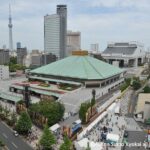
Your first stop is the Asakusa Culture Tourist Information Center, an eight-story building designed by architect Kengo Kuma. Its unusual form looks like several wooden houses stacked at different angles.
The useful part is the observation deck on the eighth floor. From here, you can look over much of the route ahead: Tokyo Skytree, the Asahi Flame, Kaminarimon, Nakamise Street, Hozomon Gate, and Senso-ji. I like this as an opening because it gives you a map in your head before you enter the crowds.
You have about 15 minutes here, and admission is free. That is enough for the view, not for a detailed visit to the whole building. Keep your camera ready, but listen closely to the guide’s orientation. This short stop helps you understand why Asakusa remains one of Tokyo’s key sightseeing areas.
Kaminarimon and Nakamise Street: the approach to Senso-ji

The red Kaminarimon, or Thunder Gate, is the visual entrance to Senso-ji and one of Asakusa’s best-known symbols. From the gate, Nakamise stretches roughly 200 meters toward Hozomon Gate and the temple grounds.
The street sells folding fans, yukata, souvenirs, and traditional snacks linked with Asakusa. It is a good place to see how religious sites and shopping have long shared the same street in Japan.
You get around 15 minutes here. That is brief, especially if the lane is crowded, so do not expect a relaxed shopping session. Use the time to notice the gate, the shopfronts, and the flow of people heading toward the temple. If you see something you want to buy, ask your guide how much time is safe to spend.
Senso-ji: Tokyo’s oldest temple

Senso-ji is the heart of the Asakusa section. The temple is dedicated to Kannon, the Buddhist goddess of mercy, and its origin is tied to a seventh-century story about two brothers who found a Kannon statue in the Sumida River.
The temple was completed in 645, making it Tokyo’s oldest temple. The grounds are colorful and popular, with a very different feel from the quieter Asakusa Shrine nearby.
The scheduled visit lasts about 30 minutes, with no admission charge. That gives you time to take in the major gates, temple buildings, and religious activity, but not to examine every corner. Your guide can help explain the difference between Buddhist Senso-ji and the Shinto sites nearby, which is especially useful if this is your first visit to Japan.
Remember that this remains an active place of worship. Treat the grounds with respect, follow posted instructions, and let the guide explain any customs before you take part.
Asakusa Shrine and Sumida Park: two calmer pauses

Asakusa Shrine sits close to Senso-ji but feels smaller and more peaceful. It belongs to the native Japanese Shinto tradition, and its decorated building is nationally designated as an Important Cultural Property.
You have about 10 minutes here. That short stop works because the shrine is compact. It also gives you a break from the larger temple crowds and lets you compare two major Japanese religious traditions in one small area.
The next stop, Sumida Park, offers another 10-minute pause. The park follows the Sumida River and gives you an unobstructed view toward Tokyo Skytree. In late March and early April, cherry blossoms can make this stretch especially attractive, though the tour operates beyond that season as well.
This is not a long riverside walk. Think of it as a breath of open air and a photo stop between Asakusa and the train ride to the city’s newer districts.
A few more Tokyo tours and experiences worth a look

Halal ramen: a practical lunch stop

Lunch is planned at a halal-certified ramen restaurant, which is one of the tour’s strongest features for Muslim visitors. You pay for the meal yourself, so the $190.41 price does not cover food or drinks.
The meal stop is useful beyond convenience. Finding halal food in a city as large as Tokyo can take time, and a guide who already knows where the group is eating removes much of that pressure. The guide can also help the group stay on schedule.
Because the tour description does not give a fixed menu, restaurant name, or lunch price, ask for those details before the day begins if dietary planning matters to you. The tour is Muslim-friendly, but you should still communicate any specific needs clearly when booking.
Shibuya Sky: Tokyo from 230 meters up

Shibuya Sky is the tour’s included ticket and its main modern attraction. At roughly 230 meters above ground, it is the highest point in the Shibuya district.
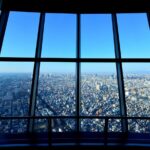
The Sky Edge, an open corner with an unobstructed view below, is the obvious photo spot. From the top, you can look down toward Shibuya Scramble Crossing and out toward distant parts of Tokyo, including Tokyo Skytree. Mount Fuji may also be visible when conditions are clear.
The planned visit lasts about 30 minutes. That is enough to enjoy the main outlook and take photos, but you may want more time if the sky is clear or the deck is busy. Since the ticket is included, you do not need to arrange this admission yourself.
Weather is a real consideration. One family reached Shibuya Sky on a high-wind morning when the outdoor section was closed. They still accessed the attraction, but the experience was not what they expected. If the outdoor area matters most to you, ask how weather-related changes are handled.
Shibuya Crossing and Hachiko

After the high-rise view, the tour brings you down to street level at Shibuya Crossing. As many as 500,000 people cross here in a day, with up to 3,000 people crossing on a single green light during peak periods.
You have about 15 minutes at the crossing. That is enough to join the flow, watch from the edges, or take in the famous wall of pedestrians. The crossing is exciting because it is orderly rather than chaotic. Everyone moves at once, yet the streams usually avoid one another.
Nearby, the Hachiko statue receives about five minutes. Hachiko was a faithful dog, and the bronze statue now serves as a standard meeting point near Shibuya Station. The space around it can be crowded, so keep the stop simple: see the statue, take a photo, and stay close to your guide.
Meiji Jingu: forest paths beside Harajuku
Meiji Jingu changes the mood again. The Shinto shrine is dedicated to the deified spirits of Emperor Meiji and Empress Shoken, and its grounds form a large forested area beside busy Harajuku Station and Yoyogi Park.
The 45-minute visit is one of the more generous stops on the schedule. You can walk the broad paths, see the shrine approach, and enjoy a quieter setting after Shibuya’s noise.
This is also a good place to learn about Shinto customs. Your guide can explain what you are seeing and how the shrine differs from Senso-ji. The contrast is valuable: earlier, you saw a Buddhist temple in a dense historic district; here, you see a Shinto shrine surrounded by trees in the middle of the city.
The paths require walking, and the tour recommends a moderate level of physical fitness. Wear shoes you can use comfortably for several hours.
Takeshita Street: Harajuku’s loud, young finish
Takeshita-dori runs about 350 meters across from JR Harajuku Station. It is aimed at Tokyo’s fashion-conscious crowd, with shops selling cute styles, grunge, goth clothing, and other trend-driven items.
The planned visit lasts 30 minutes. You can browse, watch the street style, and get a quick feel for Harajuku. It is not enough time for a serious shopping expedition, so treat it as a lively final snapshot rather than a retail mission.
Crowds may make this section stressful, especially for anyone who dislikes tight pedestrian traffic. Stay aware of the group and keep personal belongings secure. The short visit also means you can see the character of the street without giving up the whole afternoon.
Prayer planning and the tour’s Muslim-friendly focus
The experience is designed around Muslim visitors, not simply adapted at the last minute. A halal-certified ramen stop is built into the day, and the overview says the tour finishes with Salat at Japan’s biggest mosque.
However, the detailed stop-by-stop schedule ends with Takeshita Street and does not provide the mosque’s name, visit length, or travel time. That matters because the day already includes many stops. Ask the operator to confirm the prayer location and timing before you pay.
This tour can also work for non-Muslim members of a family or mixed group. The religious focus does not replace the main Tokyo sights. You still see Senso-ji, Shibuya Crossing, Shibuya Sky, Meiji Jingu, and Harajuku.
Guides, transport, and the private format
Train tickets are included, and the tour uses Tokyo’s public transport rather than keeping you in a private vehicle all day. That is a good fit for Tokyo, where trains are often the most direct way between districts.
Hotel pickup and drop-off are included, which makes the start and finish easier. Exact pickup details depend on your booking, so confirm your hotel address and meeting time after receiving confirmation.
The strongest part of the service is the guide. Eriko has been praised for customizing the day and keeping it organized. Keita has helped with local eateries, rail pass matters, and flexible sightseeing. Rie, also called Molly, has been attentive to dietary needs. Yoko has adjusted the tour around group requirements, while Shizuko has helped first-time visitors navigate the city and looked after older relatives.
These details tell you what to ask for. If your group includes an older parent, a teenager, or someone new to public transport, say so in advance. The guide may be able to shape the day more effectively when those needs are known.
Price, pace, and who should book
At $190.41 per person, this is best viewed as a private orientation day rather than a low-cost checklist tour. You pay for personal guiding, transport support, hotel pickup and drop-off, taxes, and the Shibuya Sky ticket. Lunch is extra.
The schedule is full. The stops total several hours before accounting for train rides, meals, and transitions. You should expect brief visits at the smaller sights and a walking-heavy day. The tradeoff is variety: you see historic Asakusa, central Shibuya, and Harajuku in one outing.
You can extend the tour for 1,000 yen per person per half-hour, payable in cash. That may help if your group moves slowly or wants extra time at a particular area, but it is wise to discuss the plan before the day runs late.
This tour suits first-time Tokyo visitors, Muslim families, small private groups, and anyone who wants help with trains and food planning. It is less suitable if you prefer long museum visits, unhurried photography, or a single neighborhood explored in depth.
Should you book it?
Book this tour if you want Tokyo’s major first-day sights with a private guide and Muslim-friendly meal planning. The combination of Senso-ji, Shibuya Sky, Meiji Jingu, and halal ramen is hard to organize smoothly on your own in just seven hours.
Before booking, confirm three things: the exact mosque and prayer schedule, the halal restaurant and expected lunch cost, and the plan if strong wind closes Shibuya Sky’s outdoor area. If those details fit your needs, the tour offers a practical and well-rounded start to Tokyo.
FAQ
How long is the tour?
The tour lasts approximately seven hours.
What is the price?
The listed price is $190.41 per person.
Is this a private tour?
Yes. Only your group participates, with a maximum of 10 people per booking.
Is hotel pickup included?
Yes. Hotel pickup and drop-off are included.
Are train tickets included?
Yes. A train ticket is included in the tour price.
Is lunch included?
No. Food and drinks are not included. Lunch is planned at a halal-certified ramen restaurant and is paid for separately.
Is the Shibuya Sky ticket included?
Yes. Admission to Shibuya Sky is included.
What sights are visited in Asakusa?
The tour visits the Asakusa Culture Tourist Information Center, Nakamise Shopping Street and Kaminarimon, Senso-ji Temple, Asakusa Shrine, and Sumida Park.
Does the tour include prayer time?
The tour overview says it finishes with Salat at Japan’s biggest mosque. The detailed schedule does not give the mosque’s name or prayer duration, so confirm those details before booking.
Can the tour be extended?
Yes. Extensions cost 1,000 yen per person for each additional half-hour and must be paid in cash.
More 1-Day Tours in Tokyo


More Tickets in Tokyo
More Shibuya Tours in Tokyo

More tours in Tokyo we've reviewed












Shibuya Tours, compared.
 ★ 5.0Official Street Go-Kart in ShibuyaFrom $76
 ★ 5.0Shibuya Meltdown Nightlife Tour: All-You-Can-Drink Bar HoppingFrom $106
 ★ 4.9Tokyo: Street Kart Experience in ShibuyaFrom $99
 ★ 5.0Shibuya Official Street Go-Kart in Shibuya AnnexFrom $69
 ★ 5.0Tokyo: Shibuya Food Tour (13 dishes and 4 Eateries)From $77
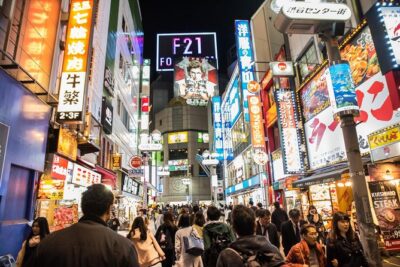 ★ 5.0Best of Shibuya Food TourFrom $217
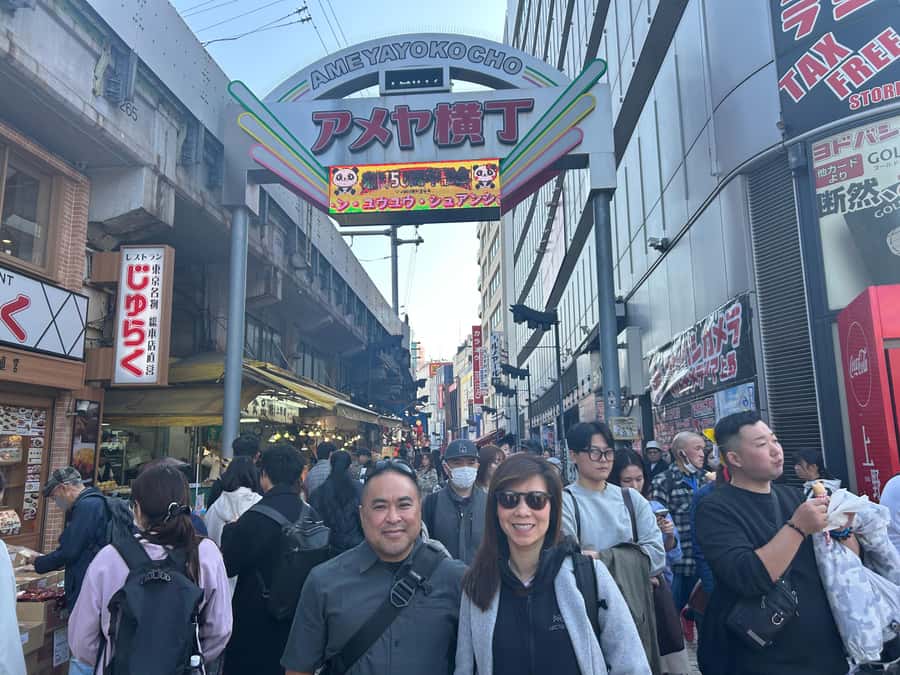


![[Private]Shinjuku Golden Gai Bar Hopping w/ Japanese Local Guide - Walking through Kabukicho after dark](https://tokyoezine.com/wp-content/uploads/2026/08/private-shinjuku-golden-gai-bar-hopping-w-japanese-local-guide.jpg)