Reviewed · TOKYO
Basic Japanese Home Cooking with Fermented Foods(Teriyaki & Miso)
Japanese home cooking is often less about complex technique than about knowing which small ingredients do the heavy lifting. In this two-hour class with Naoko, you learn how miso, koji, mirin, and other fermented foods add flavor to an everyday meal. The session combines a short lesson with hands-on cooking, so you leave with more than a full stomach.
In This Article
- Key points to know before booking
- What this Tokyo cooking class is really about
- A short lecture that gives miso and koji some context
- Preparing teriyaki and a seasonal Japanese meal
- Why the group size makes a difference
- A central location that fits a busy Tokyo day
- Vegan, child, and allergy details
- What is included for the $70.36 price
- The strongest part: useful knowledge you can take home
- A possible add-on with fermented dessert
- Who should book this experience
- Booking, weather, and cancellation details
- FAQ
- How long does the cooking class last?
- Where does the class meet?
- How far is the kitchen from Shibuya Station?
- What foods and ingredients are covered?
- Is a vegan option available?
- Can children join the class?
- Can children taste the food?
- Should I report allergies before the class?
- What is included in the price?
- Can I cancel for a full refund?
- Should you book it?
I like the small maximum group of six, which gives you room to ask questions and get useful cooking advice. I also like the central Tokyo setting, about 10 minutes from Shibuya Station including a short walk, making this an easy daytime break from sightseeing. The main consideration is that the kitchen location can change within central Tokyo, and the seasonal menu is not fixed.
Key points to know before booking
- A practical lesson on miso, koji, mirin, and amazake: Learn what these ingredients do and how they fit into Japanese food culture.
- A small class capped at six people: You get more direct help than in a large demonstration-style group.
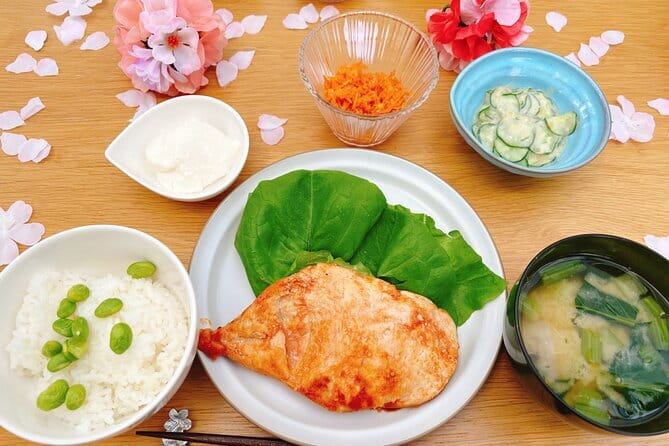
- A simple home-cooked meal: Prepare lunch or dinner together, with the featured cooking centered on fermented ingredients.
- Vegan cooking is available by request: The vegan version uses deep-fried tofu and shares the kitchen with the non-vegan class.
- Convenient central Tokyo access: The kitchen is about 10 minutes from Shibuya Station, though the exact location may vary.
- A good fit for curious eaters and home cooks: The class focuses on techniques and ideas you can use after returning home.
What this Tokyo cooking class is really about
This is not a restaurant meal with a quick explanation added on. The point is to understand how fermented ingredients work in ordinary Japanese cooking, then use them in a meal you help prepare.
Naoko, the certified instructor, begins with an in-depth lecture in a small-group setting. The lesson covers traditional Japanese fermented foods, their production, their place in food culture, and their commonly discussed health benefits. You may encounter ingredients such as miso, koji, mirin, and amazake, a sweet seasoning made from rice koji.
That introduction matters because some of these products can look confusing in a Japanese supermarket. Miso comes in different varieties, koji is both an ingredient and a culture used in fermentation, and mirin adds sweetness and depth to sauces. The class gives you a better sense of what each one does before you start cooking.
The teaching is aimed at mixed ability levels. If you already cook often, you can ask about flavor balance, ingredient substitutions, or how to use Japanese seasonings at home. If you are new to cooking, the recipes are described as easy and the instructor guides the group through the process.
If you're still narrowing it down, here are other tours in Tokyo we've reviewed.



A short lecture that gives miso and koji some context
The opening talk is one of the most useful parts of the experience. It places fermented foods in the wider story of Japanese cooking rather than treating miso as just another salty paste.
You learn about the process behind products such as miso and koji, along with the history and everyday use of the ingredients. The exact material can vary with the class, but the presentation handout gives you something to refer to later. That is a small inclusion, but it improves the value of the class because the information does not disappear as soon as lunch is served.
The instructor also explains the role of mirin. A small amount is used as a seasoning, and the alcohol is removed during cooking. This makes the cooked dish suitable for children, although children cannot take part in the tasting under the stated rules.
Amazake may also appear in the lesson or recipes. One clarification from the instructor identified the sweet seasoning used in the class as amazake, so it is worth asking questions if you want to understand how it differs from other fermented rice products.
This part will appeal most to you if you enjoy knowing why an ingredient works, not just following instructions. It is less suited to someone looking only for a fast meal and no discussion.
Preparing teriyaki and a seasonal Japanese meal
The class title points to teriyaki and miso, but the menu changes with the season. That is good for a cooking lesson because Japanese home food naturally follows the calendar, but it means you should not book expecting a fully fixed menu beyond the general focus on fermented ingredients.
The meal is prepared as a group. Rather than watching Naoko cook everything while you sit back, you take part in making a simple Japanese lunch or dinner. The emphasis is on food that can be recreated at home, not on restaurant-style presentation or difficult professional methods.
Teriyaki is a useful dish for this format because its appeal comes from balance. Sweet, savory, and salty notes need to work together, and fermented seasonings help build that flavor. Miso offers a different kind of depth, while mirin contributes sweetness and gloss. The class lets you see how familiar Japanese flavors can come from a short list of well-chosen ingredients.
The dishes are described as delicious and homely, which is exactly the right expectation. You are not signing up for a high-end culinary performance. You are learning a few approachable recipes that could fit into a normal weeknight meal.
The seasonal approach is also practical for anyone planning to cook Japanese food at home. You can ask how to adapt the recipes, and the instructor has offered advice about grocery shopping in Tokyo. That local shopping guidance can be as useful as the recipes, especially if you want to buy miso, koji, or Japanese seasonings before leaving.
Why the group size makes a difference
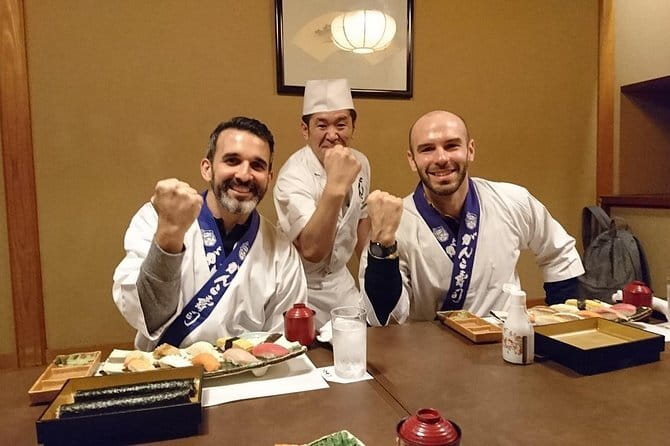
The class accepts a maximum of six people. For a cooking lesson, this is a useful limit because everyone has a better chance to see the work area, take part, and ask questions.
Naoko’s teaching style is described as friendly, kind, and gracious. Those qualities matter in a small kitchen, where a rushed or overly formal instructor could make beginners uncomfortable. Here, the class seems designed to encourage questions about food, culture, and technique.
I would especially value the chance to ask about adapting the recipes at home. Fermented foods are easy to buy in Japan, but less familiar once you return home. A small group gives you a better chance to ask what can be substituted, how ingredients should be stored, and how to use them in familiar dishes.
The group setting also keeps the cost below that of a private lesson while preserving much of the personal attention. You do share the kitchen with other participants, so this is not the right choice if you want a completely private cooking session.
A central location that fits a busy Tokyo day
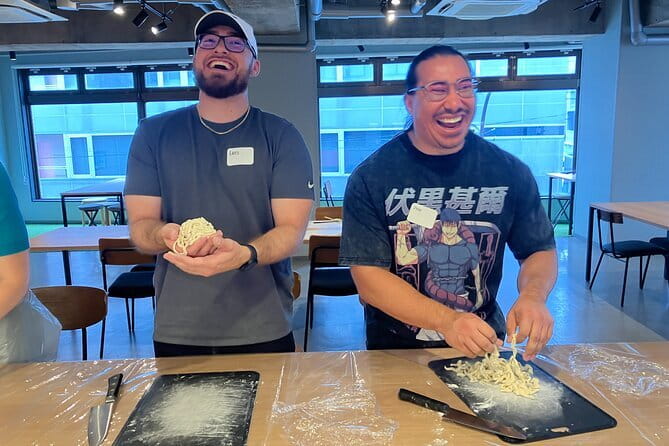
The kitchen is in central Tokyo, and the meeting point is listed at Akasaka-Mitsuke Station, at 3-chōme-1-6 Akasaka in Minato City. The class description also places the kitchen about 10 minutes from Shibuya Station, including a short walk.
That makes the experience easy to add between major sights. A two-hour class is short enough to fit into a morning or afternoon without taking over your entire day. It also offers a welcome change from restaurant meals, especially if you have been eating on the go.
The exact kitchen may be different within central Tokyo. You are notified after booking if that applies, so check the final meeting information instead of relying only on a general map pin.
The activity ends back at the meeting point. Transportation to the venue is not included, and you make your own way there by public transportation. The location is near public transportation, but the cost and time of your journey depend on where you are staying.





Vegan, child, and allergy details
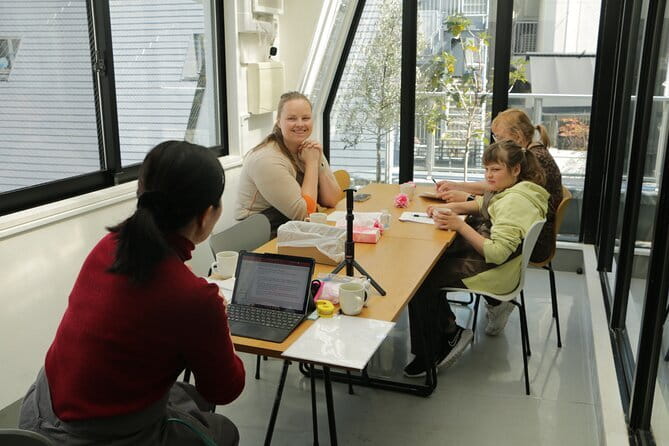
A vegan version is available by request. The class uses deep-fried tofu in place of the non-vegan ingredient, but the vegan cooking takes place in the same kitchen as the standard version. If you need this option, request it when you apply rather than waiting until the day of the class.
Allergen restrictions should also be communicated in advance. The supplied information does not list specific substitutions for every allergy, so you should provide clear details before booking and wait for confirmation.
The class is best suited to adults and children aged seven and above because the content focuses on learning and cooking techniques. Children aged six and under may not find the format suitable.
Mirin contains a small amount of alcohol. The alcohol is removed during cooking, so the prepared dish is safe for children according to the activity information, but children cannot take part in the tasting.
These rules are worth noting for families. The class can work well with older children who enjoy food and hands-on activities, but it is not set up as a young-child entertainment program.
What is included for the $70.36 price
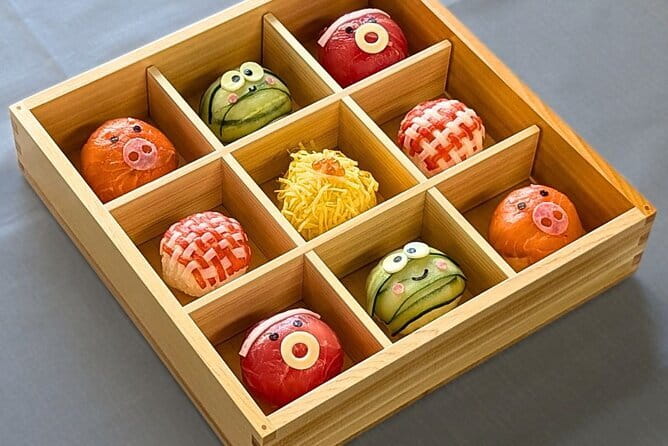
At $70.36 per person, the price includes the cooked lunch or dinner, an apron rental, coffee or tea, green tea or another Japanese tea, and the lecture handout.
The value comes from the combination of instruction and food. You are not paying only for a meal, and you are not paying for a long professional cooking course. You get a focused lesson, guided preparation, a meal, basic kitchen equipment through the apron rental, and notes that can help you repeat the ideas later.
The two-hour duration keeps the commitment reasonable, especially in a city where every hour can be used for sightseeing. A longer class might offer more recipes, but it could also feel like a large time investment. This format is a sensible middle ground for someone who wants a meaningful food activity without sacrificing an entire day.
Coffee and tea are included, but transportation is not. You should also remember that the seasonal menu can change, so the best value is in learning the approach to Japanese fermented cooking rather than expecting a particular number of dishes.
The strongest part: useful knowledge you can take home

The most praised feature is the combination of clear teaching and practical food advice. Naoko explains the ingredients, answers questions about Japanese culture, and connects the class to real shopping and home cooking.
That practical angle sets this experience apart from a simple tasting. You may return home with a better idea of which fermented products to look for and how to use them. The recipes are intended to be easy, and the food is described as homely rather than elaborate.
The handout adds another layer of usefulness. You can refer back to the lecture material when you forget the difference between ingredients or want to recreate the dishes. The class also encourages you to keep cooking Japanese food after your visit, rather than treating the meal as a one-time souvenir.
The health discussion should be understood in a sensible way. Fermented foods are an important part of Japanese food culture and are often discussed for their possible health benefits, but this class is a food and cooking lesson, not medical advice.
A possible add-on with fermented dessert
The provider also offers a fermented food dessert class from 2pm. If you join both classes on the same day, you receive a special gift: rice koji amazake, the same ingredient used in the dessert class.
This is worth considering if you have a strong interest in fermentation and want a fuller food-focused day. It may also make the trip to the kitchen more worthwhile if you are staying farther away.
The dessert class is a separate offering, so do not assume it is included in the $70.36 cooking class. Check the details and timing before adding it to your plans.
Who should book this experience
I would recommend this class to you if you want a small, educational food activity rather than another restaurant reservation. It suits curious eaters, home cooks, wellness-minded visitors, and anyone who wants to understand the seasonings behind Japanese food.
It is also a good fit for a short Tokyo itinerary. Two hours is enough time to learn, cook, and eat without losing a full morning or afternoon. The central location makes it easier to connect with time in Shibuya or nearby parts of Tokyo.
Families with children aged seven and above can consider it, provided they understand the tasting rule related to mirin. Vegans can also join, but the option must be requested ahead of time and the kitchen is shared with the standard class.
I would hesitate if your priority is a fixed menu, a private lesson, or a highly technical chef-led course. The menu changes by season, the group is shared, and the recipes are intentionally approachable.
Booking, weather, and cancellation details
Confirmation is normally provided at booking. If you book within three days of the activity, confirmation may take up to 48 hours and depends on availability.
Free cancellation is available if you cancel at least 24 hours before the local start time. Cancellations or changes made within 24 hours are not accepted for a refund.
The activity requires good weather and a minimum number of participants. If poor weather or low enrollment causes cancellation, you are offered another date or experience, or a full refund.
FAQ
How long does the cooking class last?
The class lasts approximately two hours.
Where does the class meet?
The listed meeting point is Akasaka-Mitsuke Station, at 3-chōme-1-6 Akasaka, Minato City, Tokyo. The kitchen may be at another location within central Tokyo, and you will be notified after booking if it changes.
How far is the kitchen from Shibuya Station?
The kitchen is described as being about 10 minutes from Shibuya Station, including a short walk.
What foods and ingredients are covered?
The class focuses on traditional Japanese fermented ingredients, including miso, koji, mirin, and amazake. The featured home cooking includes teriyaki and miso, while the exact menu changes by season.
Is a vegan option available?
Yes. A vegan option is available by request and uses deep-fried tofu. The vegan class shares the kitchen with the non-vegan version.
Can children join the class?
The class is best suited to adults and children aged seven and above. It may not be suitable for children aged six and under because the content focuses on cooking techniques and learning.
Can children taste the food?
The alcohol in mirin is removed during cooking, making the dish safe for children according to the activity information. However, tasting is not available for children.
Should I report allergies before the class?
Yes. You should tell the provider about allergen restrictions when you apply.
What is included in the price?
The price includes lunch or dinner, an apron rental, coffee or tea, green tea or another Japanese tea, and lecture handout material.
Can I cancel for a full refund?
Yes, if you cancel at least 24 hours before the experience start time. Cancellations made less than 24 hours before the start are not refunded. If the provider cancels because of poor weather or insufficient enrollment, you are offered another date or experience, or a full refund.
Should you book it?
Book this class if you want to understand the everyday building blocks of Japanese food and prefer a small, friendly lesson to a passive tasting. At $70.36, the meal, instruction, handout, tea, and chance to ask Naoko practical questions make it a fair choice for food-minded visitors.
The best reason to go is the lasting value. You learn how miso, koji, mirin, and amazake fit into home cooking, then practice using them in a seasonal meal. Just request the vegan option or report allergies early, allow for the possibility of a changed central Tokyo kitchen, and do not expect a fixed menu.
More tours in Tokyo we've reviewed












Tokyo, compared.
 ★ 5.0Mt Fuji and Hakone 1-Day Bus Tour Return by Bullet TrainFrom $163
 ★ 5.01-Day Tokyo Bus TourFrom $129
 ★ 4.6Tokyo: teamLab Planets TOKYO Digital Art Museum Entry TicketFrom $251 day
 ★ 4.0Mt Fuji & Hakone Cruise, Drum Show Bullet Train 1 Day from TokyoFrom $149
 ★ 5.0Tokyo: Shinjuku Food Tour (13 Dishes at 4 Local Eateries)From $86
 ★ 4.4Tokyo Mt Fuji 5th St & Hakone Cruise Bus Tour w/Bullet TrainFrom $15410 hours