Reviewed · FULL-DAY
Tokyo full day Spanish speaking tour with hotel pick up and drop off.
Tokyo’s old temples, anime districts, shrine paths, and neon streets all appear in one long day on this private Spanish-language tour. You move from incense smoke at Senso-ji to Akihabara electronics, then finish beneath Godzilla’s head in Kabukicho.
In This Article
- Key points at a glance
- Four sides of Tokyo in one eight-hour day
- Starting in Asakusa at Senso-ji
- Akihabara, where electronics meet anime
- Harajuku and the quiet approach to Meiji Shrine
- Shinjuku’s giant screens and Godzilla
- What a private Spanish-speaking guide changes
- Timing, trains, lunch, and what to bring
- Who should book this Tokyo tour?
- Should you book it?
- FAQ
- How long is the Tokyo Spanish-speaking tour?
- How many people can join the private tour?
- Is lunch included?
- Are train fares included?
- Which languages are available?
- What should I bring?
I like the small group limit of five, which keeps the day more personal than a large coach outing. I also like the route itself: it covers four very different parts of Tokyo without wasting time on far-flung detours.
The main consideration is pace. Eight hours with several train rides and four major districts is a full day, and lunch, drinks, snacks, and roughly ¥1,000 in transportation are extra.
Key points at a glance
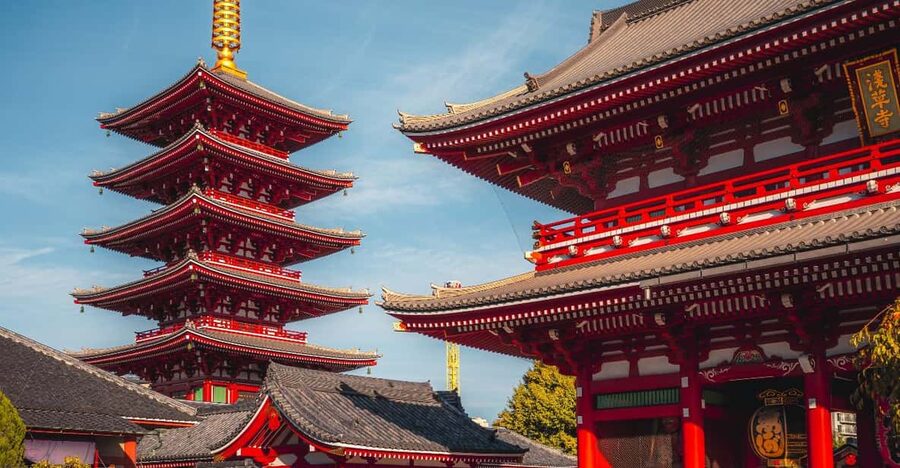
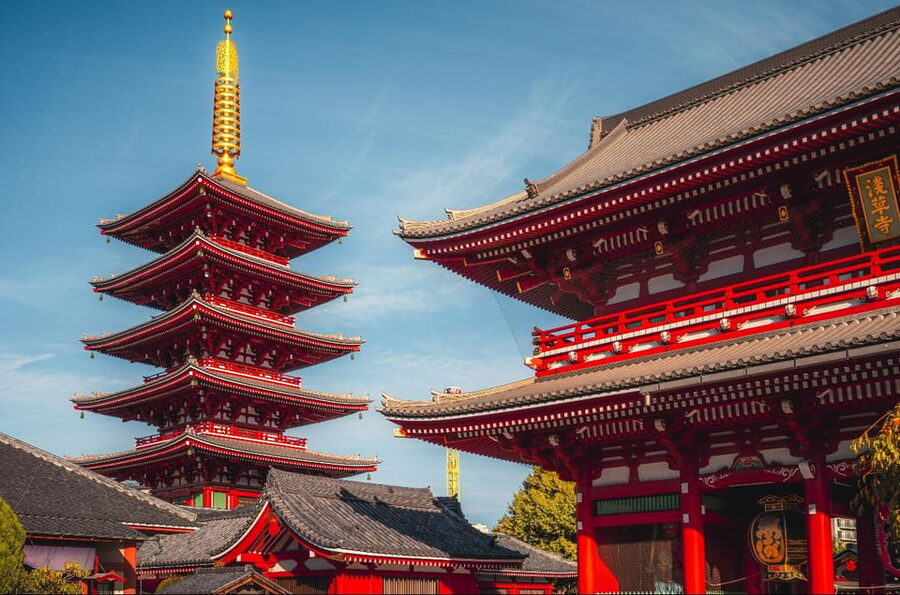
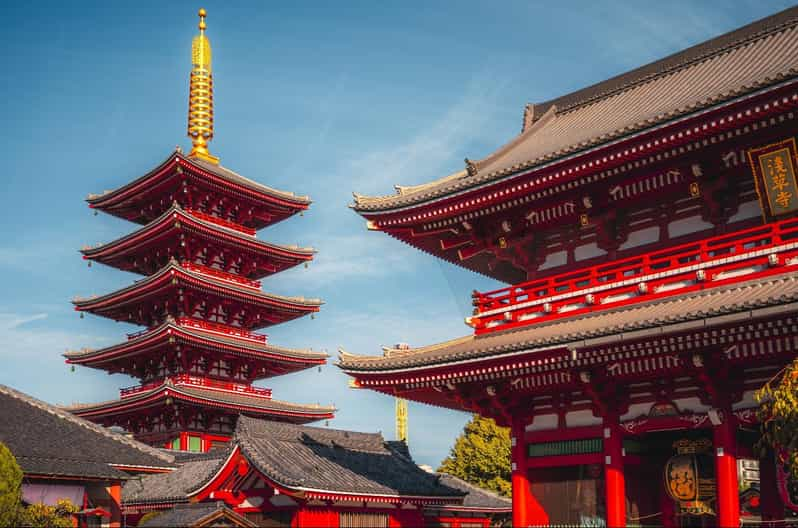
- Senso-ji in Asakusa: Follow the Kaminarimon Gate, Nakamise shopping street, Hozomon Gate, incense burner, and main altar.
- Akihabara’s otaku center: Spend time among electronics, video games, manga, and anime culture, with lunch nearby.
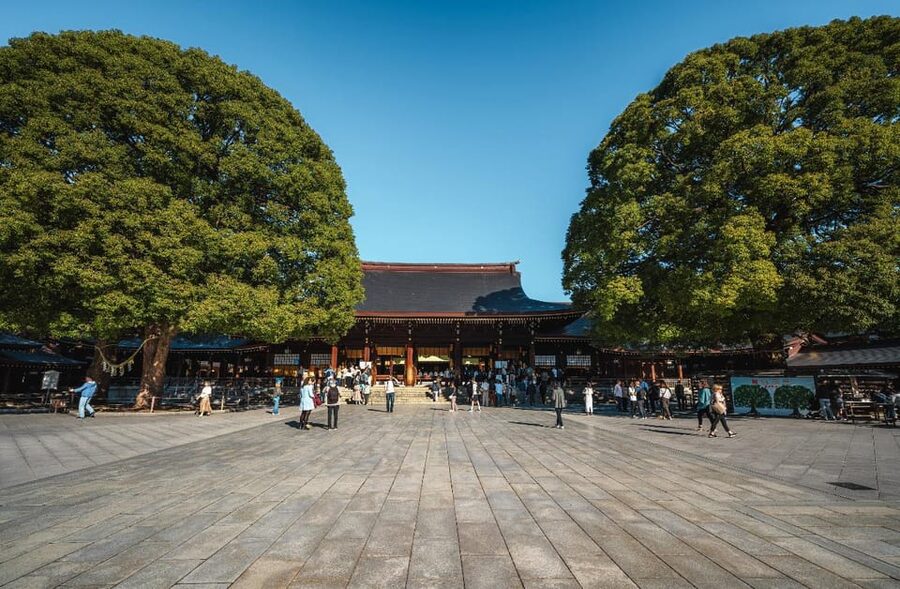
- Meiji Shrine in Harajuku: Walk through huge Japanese cypress torii gates into Tokyo’s most important shrine setting.
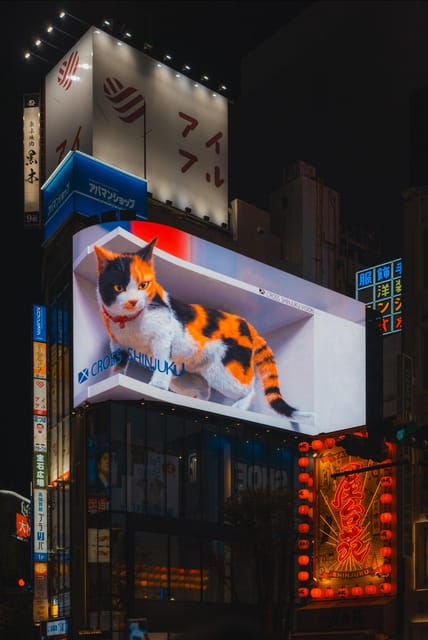
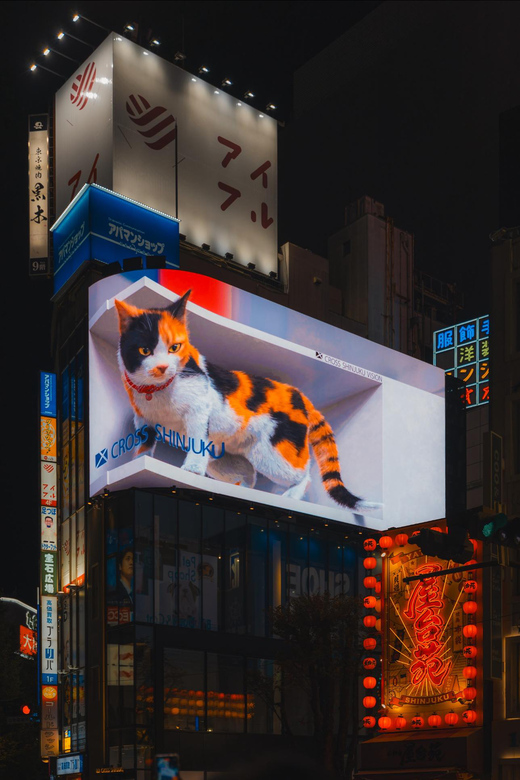
- Shinjuku’s 3D cat: See the famous Calico cat display before walking toward Kabukicho.
- Godzilla and Kabukicho Tower: Look for Godzilla above the Gracery Hotel and visit the tower opened in 2023.
- Spanish-speaking private guide: The tour is designed for up to five people, with Naomi named as one guide associated with the experience.
Four sides of Tokyo in one eight-hour day
This tour works because its four stops show different versions of the city. Asakusa gives you traditional Tokyo. Akihabara is devoted to electronics and otaku culture. Harajuku brings you to Meiji Shrine and Yoyogi Park. Shinjuku finishes the day with giant screens, nightlife, Godzilla, and narrow restaurant alleys.
You are not simply checking off attractions. The route lets you compare Tokyo’s sacred spaces, hobby districts, formal shrine grounds, and entertainment center in a single outing. That range is the strongest reason to choose a private guided day rather than visit only one neighborhood.
The schedule includes about two hours in Asakusa, one hour in Akihabara, one hour for lunch, one and a half hours in Harajuku, and one hour in Shinjuku. The remaining time goes to trains and transfers. Comfortable shoes matter, since the day includes walking through temple grounds, shrine approaches, station areas, and shopping streets.
A few more Tokyo tours and experiences worth a look

Starting in Asakusa at Senso-ji
Asakusa is the best opening for a traditional Tokyo experience. The focus is Senso-ji, a Buddhist temple dedicated to Kannon, the goddess of mercy. The temple is described as the most visited Buddhist temple in the world, and the approach gives you a clear lesson in how Japanese religious sites are organized.
You begin at Kaminarimon, the main gate. Its large lantern and dramatic entrance create a strong first impression, but the real value comes from understanding what follows. Nakamise, the shopping street, leads toward the temple and offers souvenirs, snacks, and small items connected with Japanese culture.
Next comes Hozomon, the second gate. Beyond it, you find the omamori stalls, where protective charms are sold, along with the incense burner. Your guide can explain the temizu ritual, in which you purify your hands and mouth before approaching the sacred area.
You can also burn incense, called osenko, and use the smoke to purify your body and mind. This is not just a visual stop for photographs. The small actions help you understand how people use the temple as a living place of worship.
At the main altar, you can watch people toss a coin and make a wish. The tour gives you enough time to see the temple sequence properly, rather than rushing through the gate and taking one picture.
The drawback is that Senso-ji is a major attraction, so the approach can feel crowded and commercial. Nakamise is useful for browsing, but it is not a quiet street. If you want solitude, this is not the right expectation. If you want to see Tokyo’s most famous Buddhist setting and learn the customs without guessing, the stop earns its place.
Akihabara, where electronics meet anime
A short train ride brings you to Akihabara, Tokyo’s center for otaku culture and electronics. The tour allows one hour for a guided visit, followed by one hour for lunch.
Akihabara is especially useful if you like technology, video games, manga, and anime. Even if you are not a dedicated fan, the district shows how strongly hobby culture shapes modern Tokyo. The point is less about one particular shop and more about seeing a neighborhood built around specialized interests.
A private guide can help you understand what you are looking at instead of leaving you to sort through signs and storefronts alone. With a Spanish-speaking guide, you can ask questions as you go, which is helpful in a district that can otherwise feel visually overwhelming.
Lunch is not included, so you pay for your own meal. The schedule gives you an hour, which is enough for a planned stop but does not leave unlimited time for browsing. If Akihabara is your main reason for booking, you may find one guided hour brief. If it is one part of a broader Tokyo introduction, the timing is sensible.
The train ride from Asakusa to Akihabara is listed at about ten minutes, making this a practical second stop. Transportation costs are not included, with the full day estimated at roughly ¥1,000. Keep some yen available for fares, food, and small purchases.
Harajuku and the quiet approach to Meiji Shrine
After Akihabara, the route continues by train to Harajuku. The listed journey takes about 40 minutes, followed by roughly an hour and a half at Meiji Shrine.
Meiji Shrine sits in Yoyogi Park and is dedicated to Emperor Meiji and Empress Shoken. The setting is associated with the imperial couple’s picnics, but the key experience for you is the change in atmosphere as you approach the shrine.
Huge torii gates made from Japanese cypress mark the entrance. They represent the move from the everyday world into a sacred space. The scale of the gates gives this part of the tour a different feeling from Senso-ji, where the approach is lined with shops and activity.
Meiji Shrine is also known as a place where couples pray for a prosperous marriage. You may see people visiting for personal prayers rather than sightseeing alone. That matters because the shrine is not only an impressive setting. It remains part of daily religious life.
The one and a half hour allocation gives you time to walk through the approach and take in the shrine grounds without making the stop a hurried photo break. Still, remember that the route involves walking. The combination of Asakusa, Akihabara, train stations, and Meiji Shrine makes good footwear one of the few specific items you should bring.
Harajuku itself is not presented as a separate shopping visit in this schedule. The emphasis is Meiji Shrine and its setting in Yoyogi Park. If you want extensive time for Harajuku fashion or youth culture, this tour may not provide it. Its purpose here is to show you one of Tokyo’s major sacred sites.
Shinjuku’s giant screens and Godzilla
The final district is Shinjuku, reached by a short ten-minute train ride from Harajuku. The guided portion lasts about an hour and packs several modern Tokyo sights into a compact finish.
First comes the world’s first 3D display, featuring the Calico cat known as Shinjuku’s mascot. The giant screen is built to create a three-dimensional effect, so look up rather than keeping your attention at street level. It is a quick, contemporary contrast to the temple and shrine earlier in the day.
From there, you cross the large arch of Kabukicho Road. This leads into one of Tokyo’s best-known entertainment areas. The tour then brings you to the Gracery Hotel, where Godzilla’s head appears above the building.
Godzilla is an amusing symbol for the neighborhood. You do not need a long visit to appreciate it, but the stop gives the day a memorable final character. After temples and shrine gates, a giant monster over a hotel feels exactly like the kind of sharp turn Tokyo does well.
You also visit Kabukicho Tower, which opened in 2023. The tower includes shopping areas, restaurants, and a theater with performances in different styles. The visit is useful for seeing how the district continues to change, with a newer entertainment complex added to an already famous area.
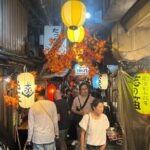
The tour ends near the station in Omoide Yokocho, the Alley of Memories. Its narrow lanes are filled with small bars and restaurants. This is one of the most atmospheric stops on the route, but the schedule does not specify a meal there. Your visit may be primarily a walk through the alleys, so budget separately if you want to stop for food or drinks.
What a private Spanish-speaking guide changes
The guide is one of the most important parts of this experience. The day includes religious customs, neighborhood context, train transfers, and districts with plenty of signs and specialized shops. Being able to ask questions in Spanish can make the stops easier to follow and less tiring.
Naomi is named as a guide associated with the tour. The available feedback specifically highlights her friendly manner, willingness to clarify questions, and understanding of Tokyo. That is useful information for Spanish-speaking visitors who want more than a route between photo stops.
Because the group is private and limited to five people, the guide can focus on your interests more easily than on a large mixed group. You can ask for more explanation at Senso-ji, spend your Akihabara time on anime or electronics, or keep the pace moving if you already know one of the neighborhoods.
The private format also makes this a practical choice for families or friends traveling together. The advertised price is $386 per group up to five, not per person. At the full group size, that works out to about $77 per person before food and train fares. For one or two people, the per-person cost is much higher, so the value improves when you fill the group.
Hotel pickup and drop-off are part of the experience description, but you should confirm the exact pickup details when choosing a start time. The itinerary begins in Tokyo and uses trains between districts, so this is not a private vehicle tour from stop to stop.
Timing, trains, lunch, and what to bring
The tour lasts eight hours, with starting times based on availability. Plan for a full day rather than a flexible half-day outing. The route covers four districts, and the train rides alone account for about 30 minutes from the pickup to Asakusa, ten minutes to Akihabara, 40 minutes to Harajuku, and ten minutes to Shinjuku.
Those transfers are part of the experience, but they also shape the day. Tokyo stations can take time to navigate, and walking does not stop when you leave the train. Bring comfortable shoes and keep your schedule clear after the tour, since the day may feel pleasantly full.
Lunch in Akihabara is not included. Drinks and snacks are also extra. The one-hour lunch stop gives you a planned break, but the tour does not name a restaurant or promise a particular menu. That leaves you flexibility, though you should not expect a prearranged meal included in the price.
The estimated transportation fee is about ¥1,000 per person or group arrangement as applicable, so confirm how the fare is handled when booking. The key point is simple: the tour price covers the private guided experience, but you should budget for trains, lunch, drinks, and snacks.
Cancellation is free up to 24 hours before the start for a full refund. You can also reserve now and pay later, which helps if your Tokyo schedule is still changing.
Who should book this Tokyo tour?
I would recommend this tour most strongly to Spanish-speaking visitors on a first Tokyo visit who want a broad introduction in one day. You see traditional religion, popular culture, modern screens, entertainment architecture, and local food alleys without having to design the route yourself.
It also suits families and small groups who value a private guide. The group cap of five keeps the experience manageable, and the guide can explain customs such as temizu, incense purification, and coin offerings as they happen.
Anime fans and electronics enthusiasts will appreciate Akihabara, while visitors more interested in temples may prefer the longer Asakusa and Meiji Shrine portions. The day is less suitable if you want slow photography, long shopping sessions, or extended time in one neighborhood.
The rating is listed as 5 from three reviews, and the strongest personal praise centers on Naomi’s friendly help and clear answers. That fits the tour’s main purpose: giving you a Spanish-speaking companion who can connect very different parts of Tokyo.
Should you book it?
Book this tour if you want to see Tokyo’s major contrasts in one organized day and prefer Spanish explanations throughout. The strongest value comes when five people share the $386 group price, especially if you would otherwise need to plan train routes and shrine customs yourself.
Skip it if your priority is a relaxed schedule or deep time in Akihabara, Harajuku, or Shinjuku. This is a brisk city overview, not a slow neighborhood walk. For a first visit, though, the mix of Senso-ji, Meiji Shrine, anime culture, the 3D cat, Godzilla, Kabukicho Tower, and Omoide Yokocho gives you a memorable cross-section of Tokyo.
FAQ
How long is the Tokyo Spanish-speaking tour?
The tour lasts eight hours. Starting times depend on availability.
How many people can join the private tour?
The private group can include up to five people.
Is lunch included?
No. Lunch, drinks, and snacks are not included. The itinerary provides a one-hour lunch stop in Akihabara.
Are train fares included?
No. Transportation costs are separate and estimated at approximately ¥1,000.
Which languages are available?
The live tour guide language is Spanish.
What should I bring?
Bring comfortable shoes, since the day includes walking through temple and shrine grounds, shopping areas, station districts, and narrow streets.
More Full-Day in Tokyo

More tours in Tokyo we've reviewed


Full-Day, compared.
 ★ 4.5From Tokyo: Mount Fuji Full-Day Sightseeing TripFrom $6810 hours
 ★ 4.9From Tokyo: Mount Fuji Full Day Customizable Private TourFrom $407
 ★ 5.0Tokyo Private Full-Day Tour by Car or VanFrom $321
 ★ 4.5Tokyo: Mt. Fuji and Kawaguchiko Full-Day English Guided TourFrom $82
 ★ 4.7From Tokyo: Must-Visit Mount Fuji Highlight Full-Day TourFrom $6911 hours
 ★ 4.5Mt. Fuji, Hakone Full-Day Private Tour with English Driver GuideFrom $495