Reviewed · TSUKIJI MARKET TOURS
Amazing Tsukiji Fish Market and Akihabara Pop Culture of Tokyo
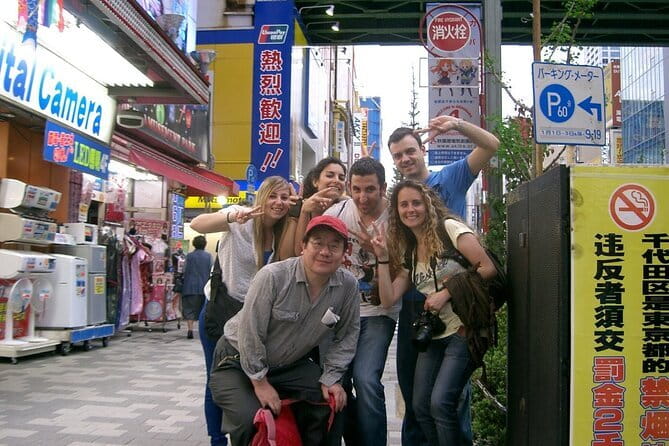
Tsukiji’s food stalls and Akihabara’s otaku shops make an odd pair, but that is exactly why this private Tokyo tour works. In one morning and afternoon, you move from fresh seafood and local sushi to retro games, computer parts, capsule toys, and maid cafe culture.
In This Article
- Key points to know before booking
- Why Tsukiji and Akihabara make a smart pairing
- Starting at Tsukiji Jogai Market at 10:30
- Eating lunch in Tsukiji
- What makes the guide useful at the market
- Moving from Tsukiji to Akihabara
- Retro games, computer parts, and capsule toys
- The optional maid cafe ending
- How much value do you get for $36?
- Who should book this Tokyo experience?
- Booking, timing, and cancellation details
- Should you book it?
- FAQ
- How long does the tour last?
- What time does the tour start?
- Where does the tour begin?
- Where does the tour end?
- Is lunch included?
- Can I eat sushi with the guide?
- Is the activity private?
- Is a maid cafe visit included?
- What is included in the price?
I like the guide’s unusual background: a family connection to the seafood trade and past work developing video games for a Japanese electronics maker. I also like the freedom at lunch, where you can eat sushi with the guide at a local favorite or take an hour to explore on your own. The main drawback is that lunch costs extra, and the four to five hours can feel short if you want a slow look at both districts.
Key points to know before booking
- Tsukiji comes first: Spend about three hours tasting, browsing, and learning how to choose food around the outer market.
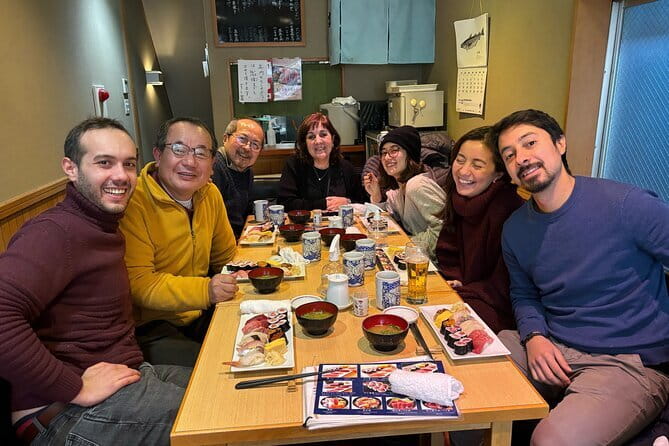
- Local sushi is an option: Lunch costs about 1,500 to 3,000 JPY per person, and you may join the guide at a restaurant used by locals.
- Two very different Tokyo worlds: The tour links seafood culture in Tsukiji with games, anime-related shopping, electronics, and Akihabara’s maid cafe scene.
- A guide with rare crossover experience: The guide brings both seafood knowledge and a background in Japanese video game development.
- Private and flexible: Only your group takes part, with room to adjust the Akihabara portion around your interests.
- The tour ends near a maid cafe: You can receive an introduction to a reputable cafe, then enter on your own without the guide.
Why Tsukiji and Akihabara make a smart pairing
Many Tokyo tours stay within one theme. This one does not. Tsukiji gives you food, market manners, and an everyday side of the city. Akihabara shifts the mood to Japanese technology and fan culture.
That contrast is useful. You are not simply walking past shops while someone recites facts. You are seeing two parts of Tokyo that can be hard to handle alone, especially if you do not know what to eat in Tsukiji or which Akihabara stores are worth your time.
The guide’s background adds value here. A family link to seafood helps with the first half, while previous video game development work for a Japanese electronics company gives the second half a more personal angle. The guide identified in the supplied material appears as Hide-san, with one reference spelling the name as Hyge-san. If the exact guide matters to you, confirm the name at booking.
This is a private activity, so you do not have to match the pace of a large group. That matters in both districts. Tsukiji’s lanes can be tight, and Akihabara offers far more shops than anyone can cover in two hours.
A few more Tokyo tours and experiences worth a look



Starting at Tsukiji Jogai Market at 10:30
The tour begins at 10:30 a.m. in front of Haibara Unagi at 14-chome-8-2 Tsukiji, in Chuo City. It is near public transportation, but allow extra time to find the exact meeting point. The address is specific, and the market area has many lanes and storefronts.
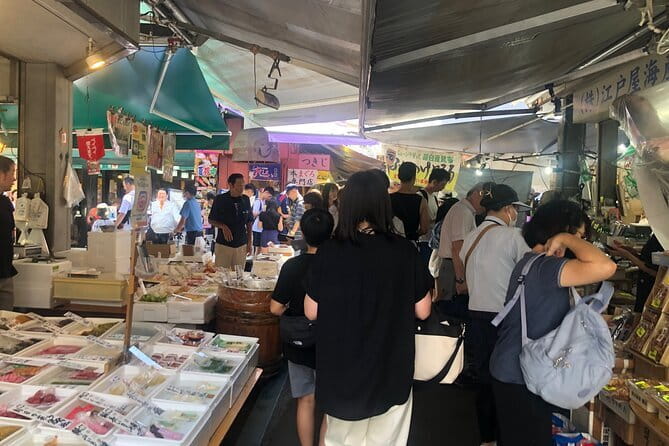
Tsukiji’s outer market, called Tsukiji Jogai Market, is the part most people can visit after the wholesale fish market moved to Toyosu. It remains a useful place to see food shops, seafood sellers, kitchen goods, and small places to eat.
Your guide’s job here is not just to point at stalls. You can ask what looks good, which items are worth trying, and what may suit your lunch budget. That direct advice is especially useful if you do not read Japanese or feel unsure about ordering from a small counter.
Plan for about three hours in Tsukiji. The time is long enough to look beyond one quick snack, but it does not guarantee a leisurely meal and detailed shopping at every corner. You will need to make choices.
Eating lunch in Tsukiji
Lunch is not included. The stated range is about 1,500 to 3,000 JPY per person, depending on what you order.
The appealing option is to eat sushi with the guide at a restaurant favored by local customers rather than a place set up mainly for tourists. The guide can help you understand the menu and may point out seafood specialties that you would otherwise miss.
That arrangement is one of the strongest reasons to book this tour. A market guide who can explain both the food and the local setting gives lunch more meaning than simply buying a sushi set and leaving.
You can also skip the shared restaurant option. The alternative is about an hour of free time to explore by yourself, then meet the group again. This suits you if you have a particular stall in mind, want to shop for food items, or prefer to control your own meal.
The tradeoff is clear. Eating with the guide gives you context and help with choices. Exploring alone gives you freedom, but you lose some of the personal advice that makes the Tsukiji portion worthwhile.
Do not assume lunch is a formal sit-down break with unlimited time. The tour allocates about three hours to the whole market visit, so tasting, shopping, orientation, and lunch all share that block.
What makes the guide useful at the market
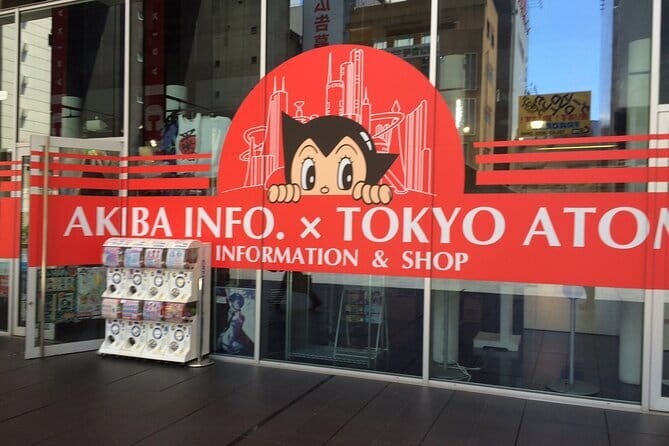
The seafood connection is more than a decorative detail. Tsukiji can feel like a maze of tempting signs and unfamiliar ingredients. A guide with family experience in the seafood business can help you sort out what is special, what is practical to eat on the spot, and what might travel well as a souvenir.
The strongest praise for the guide centers on kindness, patience, and a willingness to adjust the outing to the people in the group. That fits this setting. One person may want sushi, another may care more about kitchen knives or food gifts, and another may simply want to see how the market works.
You should still tell the guide your priorities early. The tour is private, which gives you a chance to shape the time, but the description does not promise unlimited customization or a fixed list of tastings.
Moving from Tsukiji to Akihabara
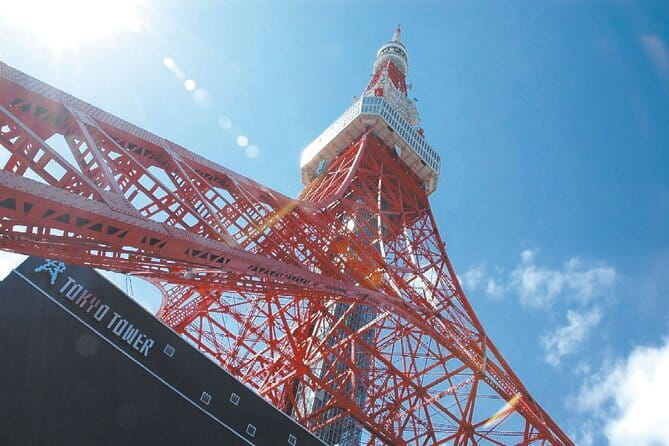
After Tsukiji, the experience shifts to Ochanomizu, Akihabara, and Kanda. The Akihabara portion lasts about two hours and ends at the Akihabara Super Building parking lot, 1-11-5 Sotokanda, near the front of the @home cafe building.
The provided details do not state that transportation between districts is included, nor do they list a separate transport fee. Ask the provider how the group moves between the two areas before you book, especially if you are counting every minute or traveling with children.
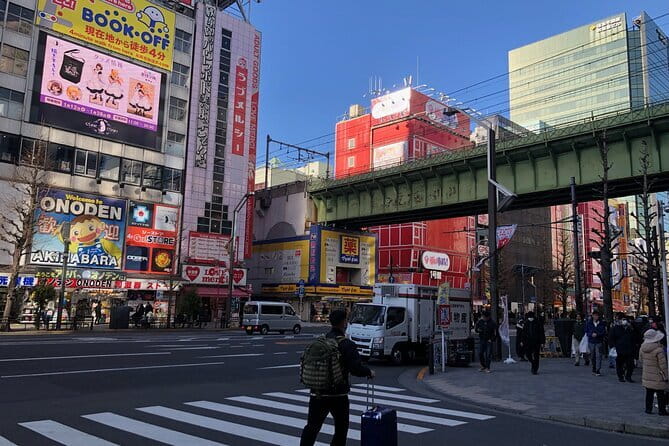
The change of subject is sharp. You leave seafood counters and food stalls behind and enter Tokyo’s famous electronics and otaku district. The guide first revisits traces of Akihabara’s old Electric Town identity, then points you toward shops selected with overseas visitors in mind.
That focus helps prevent a common Akihabara problem: too many choices and too little time. You can spend hours wandering without finding the items you actually want. A local guide can help you begin with the right streets and stores.
A few more Tokyo tours and experiences worth a look


Retro games, computer parts, and capsule toys
Akihabara is not one single attraction. It is a collection of specialist shops, arcades, electronics sellers, hobby stores, and streets with different moods. This tour touches several of those sides.
Retro video games are a major stop. The guide has a background in game development, so you can expect more than a basic walk past shelves. The supplied details do not name particular titles, consoles, or stores, so you should not book expecting one guaranteed collectible.
You also visit shops with carefully chosen souvenirs for overseas visitors. That phrase matters because many Akihabara products are aimed at people who already know exactly what they want. A shop that helps foreign buyers can make the search less frustrating.
Capsule toys are another planned focus. Akihabara is famous for these small vending machines, and the tour takes you to a major center for them. They are easy to understand but hard to resist, so set a small budget before you begin.
The computer parts streets offer a different view of the district. This is the older technical side of Akihabara, useful if you like components, gadgets, or the city’s electronics identity. It may be less interesting if your main goal is anime merchandise or themed cafes.
The optional maid cafe ending
If you want to see a maid cafe, the guide can introduce you to an authentic and reputable option. The cafe marks the end of the guided portion, and you may enter without the guide.
This is an important distinction. The guide does not remain with you inside, and the cafe visit is not described as part of the included guided service. You should also expect any cafe costs to be separate, since only guide fees, taxes, and the tour itself are included.
For some people, a maid cafe is the perfect final look at Akihabara’s pop culture. For others, it may feel too staged or outside their interests. You are not required to enter, so the option adds flexibility without forcing the theme on everyone in your group.
The end point near the @home cafe building makes the final handoff clear, but it also means the activity finishes in Akihabara rather than returning you to Tsukiji or your hotel.
How much value do you get for $36?
At $36, this is a low-priced private tour for about four to five hours. The value depends on how much help you want in places that can be confusing on your own.
The price includes all fees and taxes and a local professional guide. It does not include lunch, drinks, shopping, capsule toys, or any maid cafe charges. A realistic lunch budget is 1,500 to 3,000 JPY per person.
I see the best value in the guide’s local advice. Tsukiji food choices can be hard to judge, while Akihabara stores can blur together when you are seeing them for the first time. A private guide can save time and help you avoid spending your limited Tokyo hours in the wrong lanes.
The price is less compelling if you already know Tsukiji and Akihabara well, speak Japanese comfortably, and have a detailed shopping plan. In that case, you may prefer to spend the $36 on food or shopping and explore at your own pace.
For a first visit, though, the private format makes the cost reasonable. You are paying for orientation, translation help when needed, and a person who can connect the two themes.
Who should book this Tokyo experience?
This tour suits you best if you want food and pop culture in the same half-day. It is also a good match if you like personal guidance but do not want to join a large group.
Food-focused visitors will get the most from the Tsukiji portion, especially if they choose to eat sushi with the guide. Game fans and technology enthusiasts will appreciate the Akihabara portion, particularly the retro games and computer parts.
It can also work for first-time visitors who feel unsure about Tokyo’s specialist districts. The guide helps you get oriented quickly, then leaves room for your own choices.
You may want to skip it if you want a slow, unstructured market morning. Three hours sounds generous, but Tsukiji can absorb all of it. You may also want a different tour if you need a return transfer, a fully included meal, or a longer Akihabara visit.
Most people can take part, and the activity is near public transportation. The supplied information does not give detailed mobility notes for every market lane or shop, so ask the provider if you have specific access needs.
Booking, timing, and cancellation details
Confirmation normally arrives at booking. If you book within two days of the date, confirmation may take up to 48 hours and remains subject to availability.
The activity requires a minimum number of participants. If that minimum is not met and the provider cancels, you will be offered another date or experience, or receive a full refund.
You can cancel for a full refund up to 24 hours before the 10:30 a.m. start time. Cancellations or changes made inside that 24-hour window are not accepted and are not refunded. Cutoff times use Tokyo local time.
Bring a phone with your mobile ticket available. Wear comfortable shoes, since both market lanes and Akihabara streets involve walking and browsing rather than sitting in one place.
Should you book it?
Book this experience if you want a compact, private introduction to two very different Tokyo districts and value a guide who understands both seafood and Japanese games. The local sushi option, flexible lunch hour, and guide’s personal background give it more substance than a simple sightseeing walk.
Skip it if you prefer to eat and shop entirely alone, already know both areas, or want transportation and meals bundled into the price. For most first-time visitors who want practical help and a strong contrast between old food culture and modern pop culture, $36 is a sensible way to spend half a day.
FAQ
How long does the tour last?
The experience lasts approximately four to five hours. About three hours are allocated to Tsukiji Jogai Market and about two hours to Ochanomizu, Akihabara, and Kanda.
What time does the tour start?
The tour starts at 10:30 a.m.
Where does the tour begin?
The meeting point is Haibara Unagi, 14-chome-8-2 Tsukiji, Chuo City, Tokyo 104-0045, Japan.
Where does the tour end?
The tour ends at the Akihabara Super Building parking lot, 1-11-5 Sotokanda, Chiyoda City, near the front of the @home cafe building.
Is lunch included?
No. Lunch is not included. The stated lunch cost is about 1,500 to 3,000 JPY per person.
Can I eat sushi with the guide?
Yes. You may join the guide at a sushi restaurant frequented by local customers. You may also use about an hour to explore and eat independently before meeting the group again.
Is the activity private?
Yes. Only your group participates in the private activity.
Is a maid cafe visit included?
The guide can introduce you to a reputable maid cafe, but the guided portion ends there. You may enter the cafe without the guide.
What is included in the price?
The price includes all fees and taxes and a local professional guide. A mobile ticket is provided. Lunch and personal purchases are not included.
More Shopping Tours in Tokyo
More Tsukiji Market Tours in Tokyo
More Akihabara & Anime Tours in Tokyo


More tours in Tokyo we've reviewed












Tsukiji Market Tours, compared.
 ★ 5.0Tokyo Tsukiji Fish Market Food and Culture Walking TourFrom $99
 ★ 5.0Tokyo: Tsukiji Fish Market Food and Walking tourFrom $30
 ★ 4.9Tokyo: Tsukiji Fish Market Guided Walking TourFrom $222 hours
 ★ 5.0Tokyo Sushi Making Class in Tsukiji with Professional ChefFrom $49
 ★ 5.0Tsukiji Fish Market Guided Tour and Sushi Making with Pro ChefFrom $104
★ 4.7Tokyo: Tsukiji Fish Market Food and Culture Walking TourFrom $963 hours