Reviewed · TOKYO
Tokyo: Learnt to cook Bento, Oyakodon and More!
Learning Japanese home cooking is often more useful than watching another restaurant meal being prepared for you. At Alleyway Gourmet Lab, you work with simple ingredients, make dishes such as oyakodon and miso soup, and learn why dashi matters so much to Japanese flavor.
In This Article
- Key points to know
- A Tokyo cooking class built around everyday food
- From the alley entrance to the second-floor kitchen
- Making dashi, the quiet foundation of the meal
- Preparing oyakodon and other home dishes
- Clear instruction in English, with room for questions
- What the two hours are worth at $83
- Who will get the most from this class
- Practical details that affect your visit
- Is Alleyway Gourmet Lab worth booking?
- FAQ
- Where does the Tokyo cooking class take place?
- How long does the cooking class last?
- What dishes will I learn to cook?
- Is the class taught in English?
- How many people are in each class?
- Are ingredients and cooking equipment included?
- What should I bring?
- Is the class suitable for vegetarians or people with allergies?
- Can I cancel or pay later?
I like the small six-person limit, which gives you room to ask questions. I also like that Yuki explains both the cooking and the customs behind each dish, in clear English. The main drawback is the strict food policy: vegans, vegetarians, people with allergies or gluten intolerance, and some guests with mobility needs cannot take part.
Key points to know
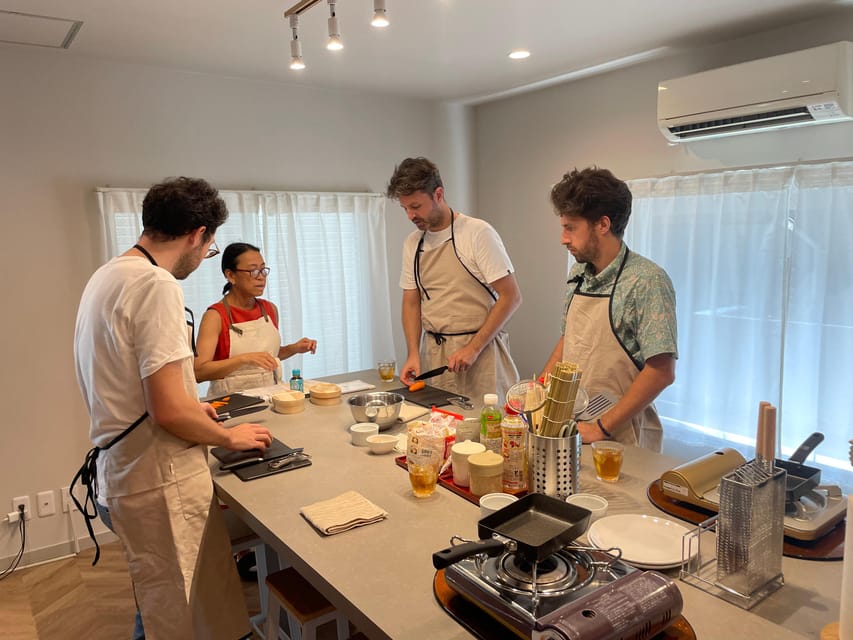
- Learn dashi from scratch: The basic broth is used in both miso soup and oyakodon, making this a useful lesson rather than a one-off recipe.
- Cook in a group of no more than six: You get hands-on time and personal help instead of standing at the back of a crowded class.
- Expect Japanese home cooking: The focus is on bento, oyakodon, miso soup, and everyday techniques rather than restaurant theatrics.
- Yuki teaches in excellent English: Japanese instruction can also be arranged on request.
- Everything practical is supplied: Ingredients, equipment, apron, towel, and slippers are included, along with recipes to take home.
- Allow two hours in central Tokyo: You must arrange your own transport, and the class takes place on the second floor of a gray four-story building.
A Tokyo cooking class built around everyday food
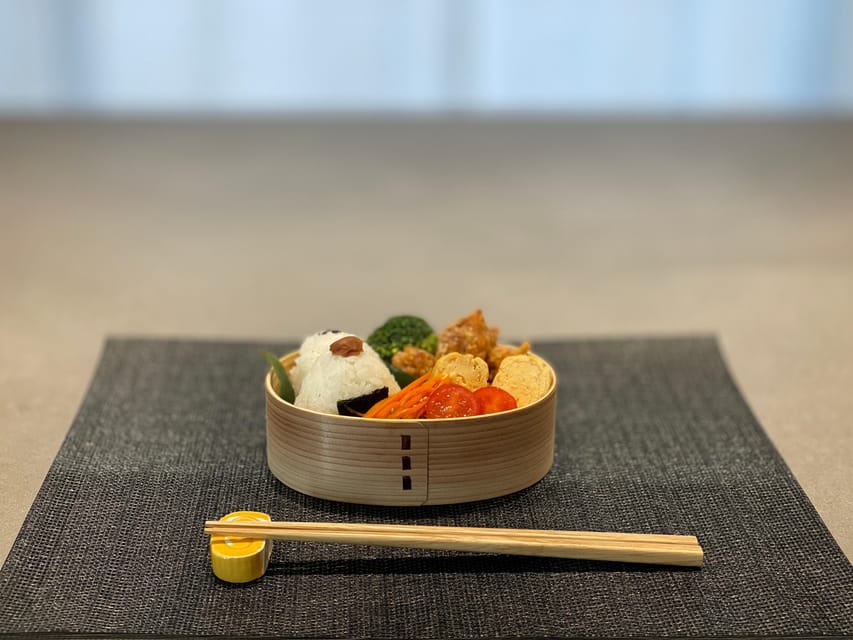
The appeal here is not learning a flashy restaurant dish. It is learning the kind of food that helps you understand how Japanese households eat: rice-based dishes, soup, simple seasoning, and careful preparation.
The class covers bento, oyakodon, and other traditional home dishes. One confirmed menu includes miso soup and oyakodon, with special attention given to making dashi. The exact dishes may depend on the session, so check the current availability when booking if one particular recipe is your priority.
Oyakodon is a good choice for a short class. The name refers to chicken and egg served over rice, and the dish shows how Japanese cooking can turn a few ordinary ingredients into something satisfying. You learn how the broth, seasoning, egg, and rice work together, rather than simply following a list of steps.
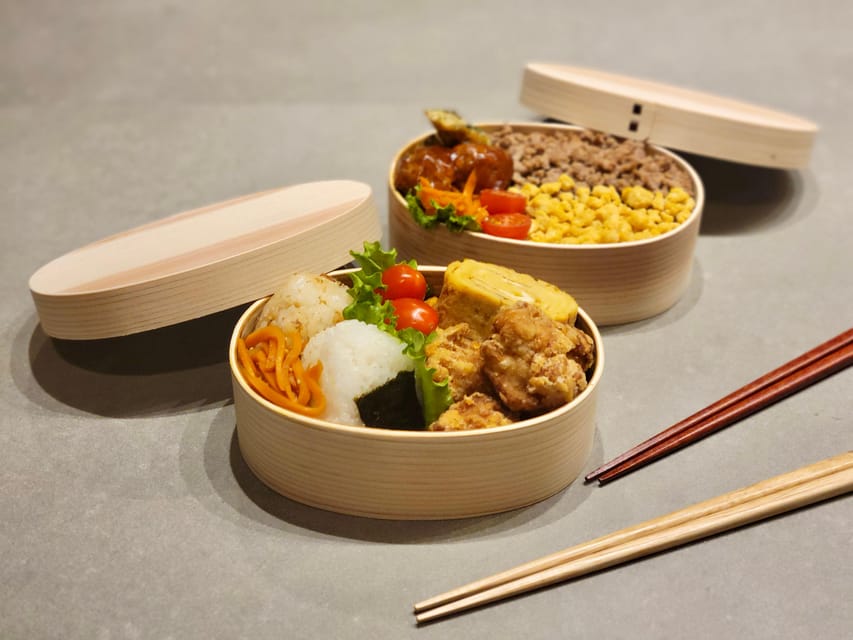
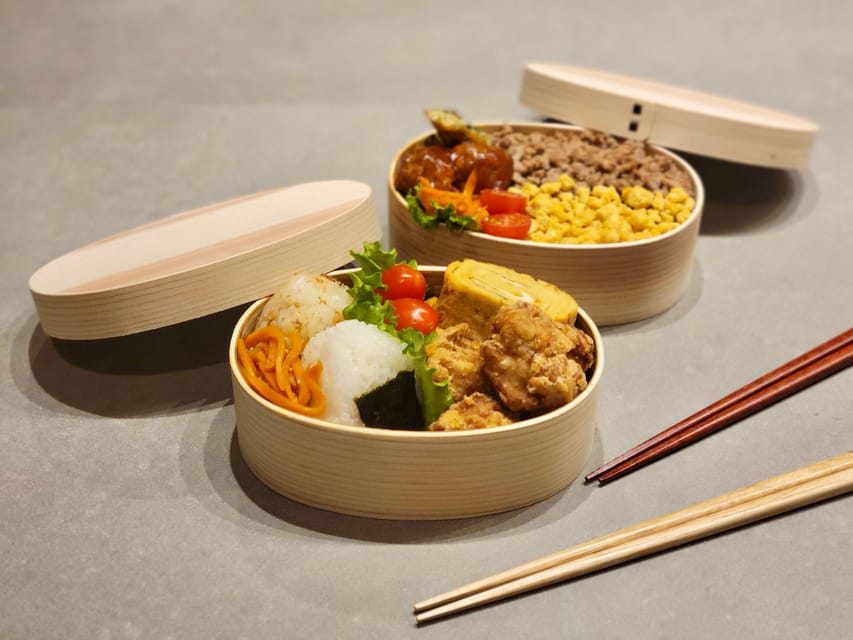
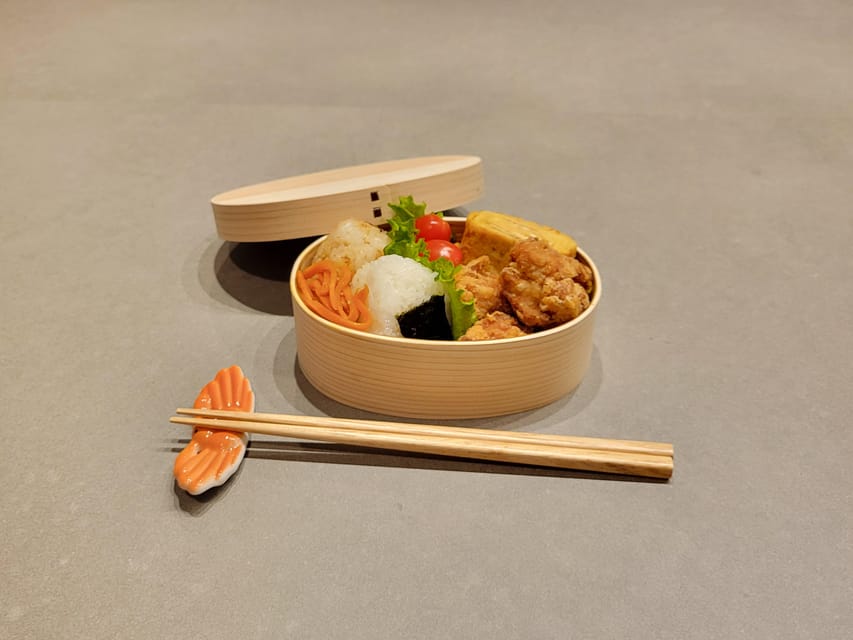
Bento adds another useful angle. It is not only about putting food into a box. It involves balance, portioning, presentation, and choosing dishes that work well side by side. That makes the lesson useful for anyone who wants to bring a little Japanese order to weekday lunches at home.
If you're still narrowing it down, here are other tours in Tokyo we've reviewed.



From the alley entrance to the second-floor kitchen
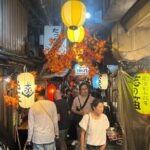
The meeting point is easy to miss if you are looking only for a large storefront. Turn into the alley and look for a four-story gray building on the right. At the front are doors on both sides. Use the right-hand door marked Alleyway Gourmet Lab, then go to the second floor.
This is a place where following the directions matters. The activity is in a central area, but the entrance is not described as a prominent street-facing shop. Save the building name and sign before you set out, especially if you are arriving on a tight schedule.
Once inside, you do not need to bring cooking equipment. An apron, towel, and slippers are provided. Shoes are not allowed indoors, so the supplied slippers are part of the normal setup. Wear comfortable clothes that you do not mind cooking in.
The class lasts two hours. That is long enough for a proper hands-on lesson, but short enough to fit into a busy Tokyo day. You will need to arrange your own transport, and the cost does not include food or snacks outside what is prepared during the class.
Making dashi, the quiet foundation of the meal
The most useful lesson may be the one that seems least dramatic. Dashi is a foundational Japanese broth, and learning to prepare it gives you a better grasp of why Japanese soups and sauces taste the way they do.
At this class, dashi is used for both miso soup and oyakodon. That connection matters. Instead of learning two unrelated recipes, you see how one basic preparation can support several dishes.
I like this kind of teaching because it gives you a skill you can reuse. A recipe card can tell you how much of each ingredient to add, but understanding the broth helps you adjust future dishes at home. The instructor also explains the role of each dish and ingredient, tying the cooking to Japanese customs and daily life.
The class uses straightforward, accessible ingredients. You are not expected to arrive with specialist equipment or a pantry full of hard-to-find products. Still, the class does not supply ingredients for cooking at home afterward, so the recipes are your guide rather than a take-home food kit.
Preparing oyakodon and other home dishes
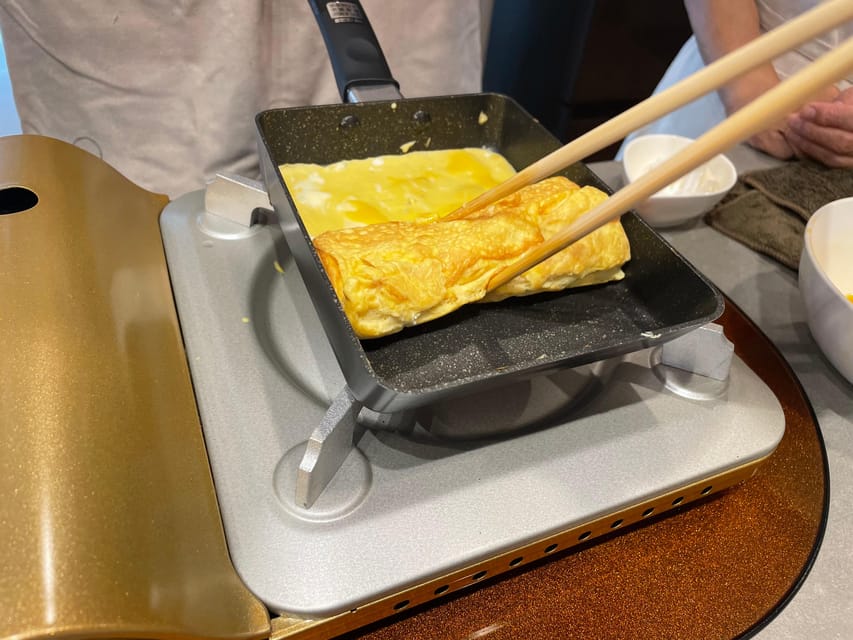
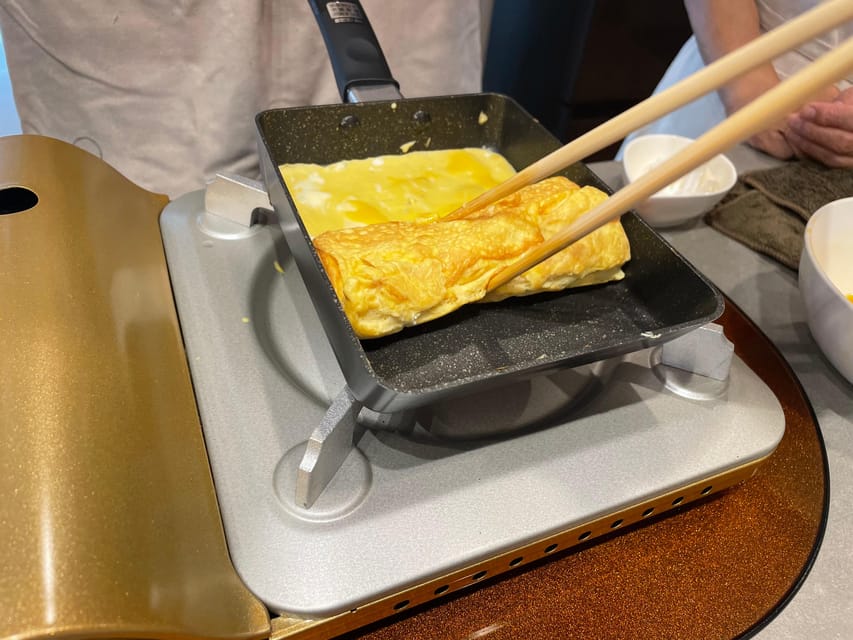
Oyakodon is likely to be the most memorable dish for many people because it is both simple and distinctive. Chicken and egg are cooked with a seasoned broth and served with rice. The process teaches timing, heat control, and how to keep the texture pleasant without turning the egg dry.
You should expect to take part in the work rather than simply watch an instructor demonstrate it. The hands-on format lets you practice each stage and ask questions while the food is being prepared. That is especially helpful if you are new to Japanese cooking or unsure about ingredients and methods.
Miso soup adds a different lesson. Its preparation shows how the dashi base and miso work together, and it gives you a familiar Japanese dish you can recreate without a long shopping list. The available information does not specify every dish served in every session, so think of the named menu as a guide rather than an absolute promise.
Bento offers a lesson in presentation and everyday convenience. If it is part of your session, you will be looking at how several small portions fit together. The result is not just a meal, but a compact way of organizing food that is central to Japanese lunch culture.
The class is not designed as a professional chef course. You will not leave with restaurant certification or a set of cooking tools. You will leave with practical methods, written recipes, and a clearer idea of how to prepare a few Japanese dishes in your own kitchen.
Clear instruction in English, with room for questions
The teaching language is English, and Japanese lessons can be arranged on request. Yuki is specifically associated with the class, and her English and pronunciation were praised by people who took part. That matters in a cooking lesson, where a small misunderstanding about timing or ingredients can affect the final dish.
You can ask questions as you work. The small group limit of six helps here. In a larger class, it is easy to watch someone else chop, stir, or season while you lose your chance to practice. A six-person setup should give you a better shot at direct guidance, though the amount of individual help can still depend on the group.
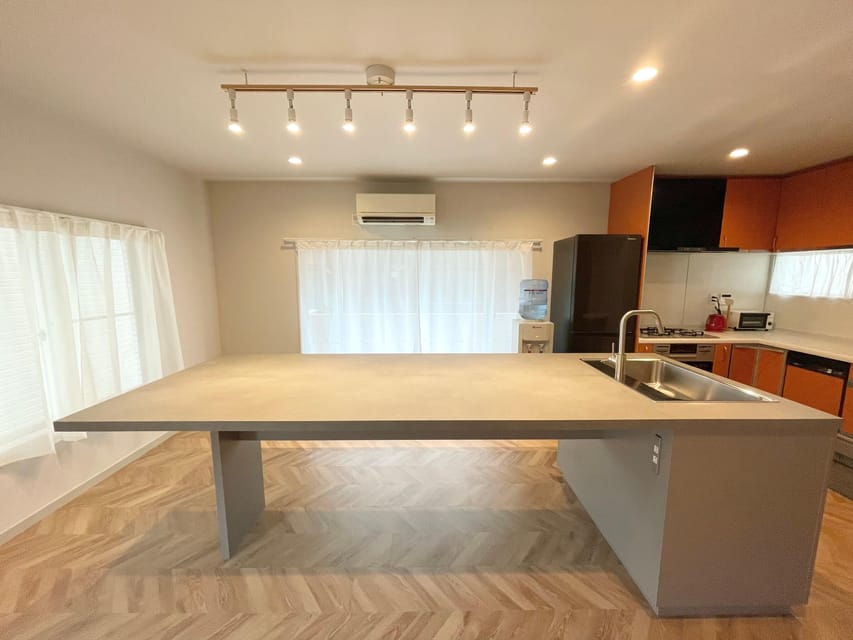
The teaching style is described as kind, competent, and confident when answering questions. The kitchen is also reported to be clean, modern, and elegant. Those details are not merely cosmetic. A tidy kitchen makes it easier to follow the process and feel comfortable handling unfamiliar ingredients.
Instruction is available in English or Japanese, but separate translation services are not included. If you need language support beyond those options, this is not the right class.





What the two hours are worth at $83
At $83 per person, this is not the cheapest way to eat in Tokyo. You can buy a filling bowl of rice or noodles for far less. The value depends on what you want from the outing.
You are paying for more than the food prepared during the session. The price includes instruction, ingredients, cooking equipment, apron, towel, slippers, recipes, cultural explanation, and a Japanese souvenir. The small group size also gives the class more personal attention than a large demonstration.
I would consider the price reasonable for visitors who want an activity they can continue using after the trip. The recipes are the lasting part. If you recreate the dishes at home, the class has more value than a single meal or a short tasting.
The price is less appealing if you mainly want lunch. This is a cooking lesson first. You need to participate, listen, and follow instructions. Food prepared during the session is part of the experience, but extra meals and snacks are not included.
A surprise Japanese souvenir comes with the class. Additional Japanese souvenirs are available to buy on site, with an average price of about ¥1,000. Treat that as a small extra, not a reason to choose the class.
Who will get the most from this class
This is a good match for solo visitors, couples, and groups of friends who want a shared activity with a clear result. The two-hour length also suits a Tokyo itinerary that already has major sights booked.
Beginners should feel at home here. The class is built around practical skills and personal guidance, not prior culinary training. More experienced cooks can still get something from the dashi lesson and the cultural background, especially if Japanese food is outside their normal routine.
It is also useful for anyone who likes bringing a destination home through food. The recipes let you repeat the dishes for friends and family, and the focus on simple ingredients makes that more realistic than a lesson built around rare products.
This is not suitable for children under six, people over 80, wheelchair users, or anyone shorter than 120 centimeters. Electric wheelchairs are also not accommodated. Assistance dogs are allowed, but other pets are not.
The food restrictions deserve close attention. The class is not suitable for vegans, vegetarians, people with food allergies, gluten intolerance, or nut allergies. If you have any dietary concern, do not assume the menu can be changed. Check before booking.
Practical details that affect your visit
Wear comfortable clothes. You will receive an apron and towel, but cooking can still involve movement, heat, and standing. Strong fragrances are not allowed, and smoking, vaping, alcohol, and drugs are prohibited.
Weapons, sharp objects, and fireworks are not allowed. The rule about sharp objects is worth noting because this is a cooking class, but the kitchen supplies the equipment you need. Do not bring personal cooking tools expecting to use them.
You will need to remove your shoes indoors. Slippers are supplied, so there is no need to pack indoor footwear. The class does not provide cooking equipment for your home, and additional ingredients for personal use are not included.
Cancellation is free up to 24 hours before the start time for a full refund. You can also reserve now and pay later, which helps if your Tokyo schedule is still changing. Starting times vary, so check availability before building the rest of your day around it.
The activity has a five-star rating from five verified bookings, including positive comments about the instructor, clear English, the clean kitchen, and the taste of the food. That is a small sample, so I would treat it as encouraging rather than proof that every session will be identical.
Is Alleyway Gourmet Lab worth booking?
Book this class if you want to do more than eat Japanese food. You will learn dashi, practice dishes such as oyakodon and miso soup, hear about Japanese customs, and leave with recipes you can use again.
I would especially recommend it for first-time Japanese cooks, food-focused couples, and anyone who values a small class over a quick meal. Yuki’s clear English and the six-person limit are useful advantages.
Skip it if you have strict dietary restrictions, need wheelchair access, or want a relaxed meal with no participation. At $83, the class earns its price through instruction and repeatable skills, not through the amount of food alone. For the right participant, that is a fair trade.
FAQ
Where does the Tokyo cooking class take place?
It takes place at Alleyway Gourmet Lab in a central area of Tokyo. Turn into the alley and look for a four-story gray building on the right. Enter through the right-hand door marked Alleyway Gourmet Lab and proceed to the second floor.
How long does the cooking class last?
The class lasts two hours. Starting times vary, so check availability when booking.
What dishes will I learn to cook?
The experience focuses on Japanese home cooking, including bento and oyakodon. A session may also include miso soup. The available menu information specifically highlights learning dashi for both miso soup and oyakodon.
Is the class taught in English?
Yes. Classes are conducted in English, and Japanese lessons can be arranged upon request. Translation services beyond English or Japanese are not included.
How many people are in each class?
The class is limited to six participants, making it a small-group experience with room for personal attention.
Are ingredients and cooking equipment included?
Yes. The class provides all cooking ingredients and equipment needed during the lesson. Ingredients and equipment for cooking at home afterward are not provided.
What should I bring?
Bring comfortable clothes. Aprons, towels, and slippers are provided. Shoes are not allowed indoors.
Is the class suitable for vegetarians or people with allergies?
No. The activity is listed as unsuitable for vegans, vegetarians, people with food allergies, gluten intolerance, and nut allergies. Check the restrictions carefully before booking.
Can I cancel or pay later?
You can cancel up to 24 hours in advance for a full refund. Reserve now and pay later is also available, subject to the booking conditions.
More tours in Tokyo we've reviewed












Tokyo, compared.
 ★ 5.0Mt Fuji and Hakone 1-Day Bus Tour Return by Bullet TrainFrom $163
 ★ 5.01-Day Tokyo Bus TourFrom $129
 ★ 4.6Tokyo: teamLab Planets TOKYO Digital Art Museum Entry TicketFrom $251 day
 ★ 4.0Mt Fuji & Hakone Cruise, Drum Show Bullet Train 1 Day from TokyoFrom $149
 ★ 5.0Tokyo: Shinjuku Food Tour (13 Dishes at 4 Local Eateries)From $86
 ★ 4.4Tokyo Mt Fuji 5th St & Hakone Cruise Bus Tour w/Bullet TrainFrom $15410 hours