Reviewed · LUNCH EXPERIENCES
Essential tour for fashion and art in Tokyo for 6 hours with local lunch
Tokyo’s fashion story changes block by block. On this private six-hour outing, you move from the youthful oddity of Takeshita Street to Shibuya’s casual Cat Street, then onward to polished Aoyama and a modern art museum. It is less a shopping trip than a guided look at how Tokyo dresses, designs, and expresses itself.
In This Article
- Key points to know before booking
- Tokyo fashion in one six-hour route
- Takeshita Street: Tokyo’s playful first impression
- Shibuya Cat Street: a more relaxed style stop
- Aoyama Street: from youth style to polished design
- Modern art and Japanese craft at the museum
- Lunch and street food: useful expectations
- What the private format is really worth
- Who will get the most from this day
- Practical planning for a smoother morning
- Should you book this Tokyo fashion and art tour?
- FAQ
- How long does the Tokyo fashion and art tour last?
- What time does the tour start?
- Where does the tour start?
- Does the tour offer hotel pickup?
- How many people can join the private tour?
- Is lunch included in the price?
- Are public transportation costs included?
- Is museum admission included?
- What happens if I need to cancel?
I like the private format, which lets you shape the pace and ask why one neighborhood feels playful while the next feels restrained. I also like the mix of fashion, craft, art, and snack stops, including crepes, cotton candy, and shaved ice. The main catch is cost: at $450 per group of up to four, you still pay separately for lunch, public transport, and facility fees.
Key points to know before booking
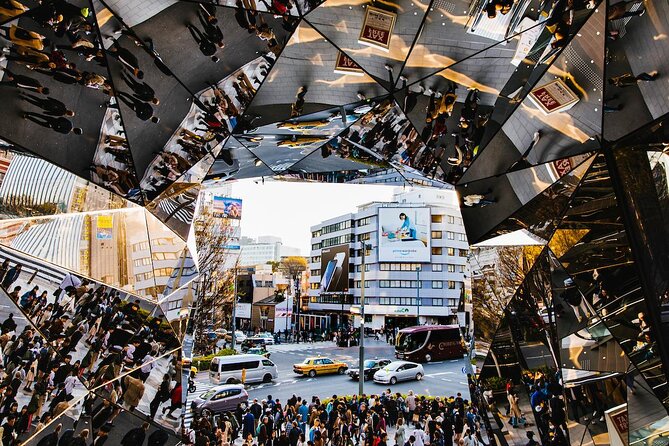
- Takeshita Street brings the youthful fashion angle, with quirky shops and casual street foods such as crepes and cotton candy.
- Cat Street links style with everyday Tokyo, offering a more relaxed setting for youth fashion and quick food.
- Aoyama shifts the mood toward polished design, making the contrast with Harajuku part of the appeal.
- The National Museum of Modern Art, Craft Gallery adds art and traditional craft, though admission is not included.
- A private guide makes customization possible, as one past outing was adjusted over several weeks with guide Erika and Travel Assist Japan.
- Transport and lunch are extra, so the $450 group price is easiest to justify when four people share it.
Tokyo fashion in one six-hour route
This experience gives you a useful way to read Tokyo through its neighborhoods. Harajuku shows the city’s youthful, attention-seeking side. Shibuya offers casual style and food. Aoyama presents a more controlled, designer-minded face. The museum then adds a cultural stop beyond shopping.
The route is scheduled for about six hours, although the listed sightseeing stops total roughly three hours and 20 minutes. The remaining time likely allows for moving between districts, food, and the flexible rhythm of a private day. You should still ask how the schedule will work when booking, especially if you want a full lunch or more time in shops.
The tour begins at 9:00 a.m. The stated meeting point is Hachiko Square in Shibuya, at 2 Chome-1 Dogenzaka. Hotel pickup is also offered in the tour description, so confirm the exact pickup arrangement before you set out. The end point is back at the meeting point.
Because public transportation is not included, your guide may help you move around by train or subway, but your fares remain your responsibility. A past party chose a combination of subway, walking, and taxi to experience Tokyo in a more local way. That is a sensible approach, but it means the final cost will be higher than the headline price.
A few more Tokyo tours and experiences worth a look

Takeshita Street: Tokyo’s playful first impression
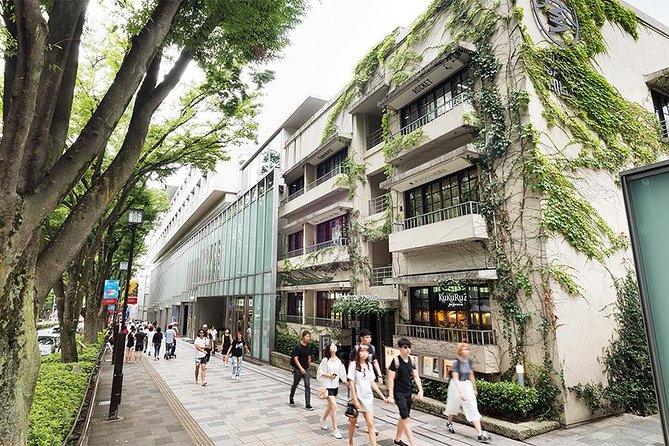
Your first scheduled stop is Takeshita Street, one of Harajuku’s best-known places for youthful fashion. The focus here is especially on styles associated with young women, and the street’s appeal comes from its unusual shops, quick visual changes, and easy access to snacks.
You should not expect a quiet cultural walk. Takeshita is a place to look, compare, and notice how clothes, accessories, shop signs, and sweets all compete for attention. A guide can help you understand the local style instead of leaving you to see only a line of stores.
The food angle matters here. Crepes, cotton candy, and shaved ice are specifically mentioned as possible street foods. These are not substitutes for lunch, and you should budget for them separately, but they give the morning a distinctly Harajuku flavor.
The scheduled time is 40 minutes. That is enough for an introduction and a few snack or shop stops, but it is not long if you want to browse every storefront. If fashion shopping is your main aim, tell your guide early. The private setup should make that request easier than it would be on a fixed group tour.
Shibuya Cat Street: a more relaxed style stop
The next fashion setting is Cat Street in Shibuya, with about an hour planned. Compared with Takeshita, this stop is presented as a place for young, casual fashion and informal food. That gives the day a useful change of pace.
I like this part of the route because it helps you compare rather than simply collect sights. Takeshita leans toward youthful spectacle. Cat Street gives you a chance to look at everyday street style and how people shop, eat, and move through a fashionable part of the city.
The tour description does not name individual shops, and that is probably a good thing. Retail choices change. A private guide can respond to your interests on the day, pointing you toward clothing, accessories, or food instead of forcing you through a preset store list.
The one-hour visit may pass quickly if you want to shop. Keep your expectations clear. This is a guided neighborhood experience, not a personal shopper service with purchases guaranteed. You will need to pay for anything you buy and for any food or drink you choose.
Aoyama Street: from youth style to polished design
Aoyama brings a more refined part of Tokyo’s fashion scene into the day. It is described as one of the city’s central fashion areas, and its role here is to show how different Tokyo can feel only a short ride or walk from Harajuku and Shibuya.
The value of this stop is the contrast. You can see the shift from playful youth culture to a cleaner, more upscale style. Even if you do not plan to shop, this part of the route helps explain why Tokyo cannot be reduced to one fashion identity.
About 40 minutes is scheduled for Aoyama. That is enough for a guided look and perhaps a few stops, but not a long shopping session. If you have a specific designer, store, or design interest, share it before the tour. The company has shown a willingness to customize, and advance communication helped one family shape a route around its own list.
There is also a practical issue here. Fashion districts are most useful when your guide knows what you want to see. If your group includes both serious shoppers and people who prefer architecture or art, say so when booking. The private format works best when the guide has that information in advance.
Modern art and Japanese craft at the museum
The final named stop is the National Museum of Modern Art, Tokyo, Craft Gallery, with about an hour planned. This adds an important cultural layer to a day that could otherwise become a tour of shopping streets.
The museum stop also broadens the meaning of fashion. Clothing and street style are part of visual culture, but so are materials, objects, design, and craft. A good guide can help you connect the polished streets of Aoyama with the art and making traditions shown in the gallery.
Admission is not included. You should also note the wording of the attraction carefully, since the tour information refers to both the National Museum of Modern Art and its Craft Gallery. Ask your guide or the operator which site is planned for your date and what facility fee you should expect.
One hour is a reasonable introduction, not a full museum visit. You will have time to see selected work and discuss what you are looking at, but not to study every room. If art is your top priority, ask whether the fashion stops can be shortened to allow more gallery time.
The building itself is noted as an architectural highlight. That gives you something to appreciate even if modern art is not your usual choice. Still, museum admission and any additional facility costs come out of your pocket.


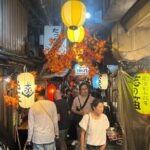

Lunch and street food: useful expectations
The experience is described as including a local lunch in its title, but lunch is explicitly excluded from the price. That distinction is important. You should expect your guide to help with a local meal or food choices, yet you will pay for the meal yourself.
Street foods such as crepes, cotton candy, and shaved ice are also not listed as included. These snacks fit the neighborhoods well and can make the day more fun, but they are optional purchases, not part of the tour fee.
For a six-hour outing, plan a food budget in addition to the $450. Ask whether lunch will be a sit-down meal, a casual stop, or a collection of neighborhood snacks. The answer will affect both your budget and the time available for the museum.
This is one area where the private format helps. You can tell the guide if your group wants a proper meal, a quick bite, or time for several small tastes. You can also avoid committing to food that does not suit your group.
What the private format is really worth
The price is $450 per group of up to four people, not per person. Shared four ways, that works out to $112.50 each before transport, lunch, and admission. For a couple, the cost per person is much higher, so the value depends heavily on group size and how much you care about a custom route.
The strongest reason to pay for this format is control. You get one guide for your party rather than following strangers through a fixed schedule. You can ask questions about fashion and culture, slow down at a shop, or change the balance between art and shopping.
The customization record is encouraging. One past family communicated with Travel Assist Japan over several weeks, and guide Erika helped shape the stops around its interests. Another group chose subway, walking, and taxi to make the day feel more like an ordinary Tokyo outing. Those details suggest you should not treat the route as locked in stone.
There are limits. The listed itinerary names four stops, but the times are fairly short. A private tour cannot remove Tokyo traffic, train delays, crowds, or the time needed to browse. You are paying for a guide’s attention and local framing, not for admission, shopping, meals, or private transportation.
The current rating is 4.7 from three ratings, with all available written ratings showing five stars. That is a positive sign, particularly for the guide service and custom planning, but it is still a small sample. I would use the score as a helpful signal, not as the only reason to book.
Who will get the most from this day
This tour suits you if fashion is a major reason for visiting Tokyo, but you also want art, craft, food, and neighborhood context. It is especially useful for a family or small group with mixed interests, since the guide can adjust the emphasis.
It also fits first-time visitors who want several style districts connected in one day. Instead of working out how to combine Harajuku, Shibuya, Aoyama, and a museum yourself, you get a route and a person to explain the differences.
Families should note the 40-minute and one-hour stops. Younger members may enjoy the sweets and eye-catching shops. Older members may prefer Aoyama, the museum, or the food. The private setup lets you avoid dragging everyone through a single interest for too long.
You should be comfortable with walking and public transportation. The stated requirement is moderate physical fitness, and transport is not included. Service animals are allowed, and the tour operates near public transportation.
This is less suitable if you want a luxury shopping service, a long museum study visit, or a fully prepaid package. It also may not suit a solo visitor on a tight budget, since the group price does not drop to a low per-person rate.
Practical planning for a smoother morning
Start by confirming pickup. The tour offers hotel pickup, but the formal meeting point is Hachiko Square. You do not want to assume a door-to-door start if your confirmation instead asks you to meet in Shibuya.
Ask about the planned museum location, lunch style, and transport route. Those three details account for several costs and can change how much time remains for shopping.
Wear comfortable shoes. The tour combines several neighborhoods, walking, and public transport, and the physical fitness guidance points to an active day rather than a vehicle-based sightseeing trip.
Bring a payment method for transport, snacks, lunch, shopping, and museum admission. None of those expenses is covered by the guide fee. A small group will find it easier to agree on pace and food choices, which is another reason the tour works best with people who share at least some interests.
The experience requires good weather. If poor weather cancels the outing, you are offered another date or a full refund. You can cancel for a full refund up to 24 hours before the 9:00 a.m. start, but changes or cancellations inside that window are not accepted.
Should you book this Tokyo fashion and art tour?
I would book it if you want a guided comparison of Tokyo’s style districts and you can fill all four places in the group. The best parts are the private planning, the shift from Takeshita’s youthful fashion to Aoyama’s polished design, and the added museum and craft perspective.
I would pause if you are mainly looking for a cheap orientation walk. The $450 fee is only part of the cost, since lunch, transport, snacks, and admission are extra. I would also ask for a detailed plan if your priority is serious shopping or a long museum visit.
For a family or small group that wants a personal day with fashion, art, and local food, this is a sensible choice. Contact Travel Assist Japan with your interests before confirming, mention whether you prefer subway, walking, or taxis, and make sure the lunch and museum arrangements fit your budget.
FAQ
How long does the Tokyo fashion and art tour last?
The experience lasts approximately six hours.
What time does the tour start?
The stated start time is 9:00 a.m.
Where does the tour start?
The listed meeting point is Hachiko Square, 2 Chome-1 Dogenzaka, Shibuya, Tokyo 150-0043, Japan.
Does the tour offer hotel pickup?
Yes. Hotel pickup in Tokyo is offered, but you should confirm the exact arrangement because Hachiko Square is also listed as the meeting point.
How many people can join the private tour?
The price covers one private group of up to four people.
Is lunch included in the price?
No. Lunch is not included, so you pay for it separately.
Are public transportation costs included?
No. Public transportation is excluded. You also pay separately for landing and facility fees.
Is museum admission included?
No. Admission to the National Museum of Modern Art, Tokyo, Craft Gallery is not included.
What happens if I need to cancel?
You can receive a full refund if you cancel at least 24 hours before the experience start time. Poor weather may lead to a different date or a full refund.
More Lunch Experiences in Tokyo

More tours in Tokyo we've reviewed

Lunch Experiences, compared.
 ★ 4.6From Tokyo: Snow Monkey 1 Day Tour with Beef Sukiyaki LunchFrom $1511 day
 ★ 4.8Tokyo: Sumo Experience and Chanko Nabe LunchFrom $95
 ★ 4.5Tokyo: Tsukiji Fish Market Tour with 6 Stops & Seafood LunchFrom $943 hours
 ★ 4.6Tokyo: 1 Day Bus Tour with Meiji-Jingu,Odaiba,lunch&SkytreeFrom $839 hours - 570 minutes
 ★ 4.9Tokyo: Full-Day Tour w/Tea Experience,Buffet Lunch & CruiseFrom $105
 ★ 5.0Mt. Fuji, Oishi Park & Arakurayama Pagoda Bus Tour with LunchFrom $99