Reviewed · TOKYO FOOD TOURS
Tokyo: Tsukiji Fish Market Foodie and Educational Tour
Tsukiji is at its best when you taste it slowly, and this small-group walk does that with freshly cut tuna, fresh wasabi, and a little sake at a local wholesaler’s shop. You also visit Namiyoke Inari Shrine, learn why it matters to the market community, and finish with Japanese convenience-store food tips.
In This Article
- Key points to know before you book
- Why this Tsukiji tour feels different
- Starting at Lawson near Tsukiji 4-chome
- Namiyoke Inari Shrine and Tsukiji’s working community
- The tuna tasting at Tsukiji Uogashi Mall
- Browsing Tsukiji Uogashi Mall
- Tsukiji Outer Market, from street food to kitchen tools
- Finishing with Lawson snack advice
- Is $70 good value for two hours?
- Who will enjoy this most?
- Practical details that affect your day
- Should you book the Tsukiji food tour?
- FAQ
- Where does the Tsukiji tour meet?
- Where does the tour finish?
- How long does the experience last?
- Is the tour conducted in English?
- How many people are in the group?
- What food and drinks are included?
- Are street food and market purchases included?
- Can vegetarians join the tour?
- Can children join the experience?
I like the six-person group limit, which keeps the narrow market lanes manageable and makes it easier to ask questions. I also like the mix of food and context: this is not just a quick succession of samples, but a look at shrine customs, fish trading, local ingredients, and everyday snacks.
The main drawback is that the tour is not suitable for vegetarians, and the two-hour schedule leaves limited time for unplanned browsing. Street food, drinks, and Lawson purchases cost extra, so your final spending can rise beyond the $70 tour price.
Key points to know before you book
- Tuna, wasabi, and sake are included: You receive a small bento box with freshly cut tuna and fresh wasabi, plus a small amount of Japanese sake.
- Namiyoke Inari Shrine adds local meaning: Your guide explains the shrine’s role in protection, bad-luck prayers, and Tsukiji’s working community.
- The group is capped at six: This suits you if you prefer a conversational walk rather than a large crowd following a flag.
- Tsukiji Outer Market is for browsing as much as eating: Expect food stalls, cooking knives, utensils, Japanese ingredients, souvenirs, and restaurants.
- Extra food is optional and not included: You can buy street food and drinks, but you pay for those yourself.
- The tour starts and ends at the same Lawson: Meet outside Lawson at the Tsukiji 4-chome intersection, away from the store entrance.
Why this Tsukiji tour feels different
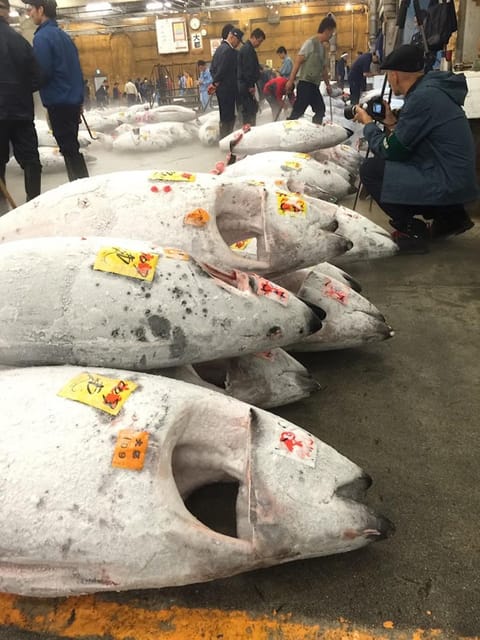
Many Tsukiji visits focus on eating as much as possible in a short time. This experience takes a calmer route. You get a guided introduction to the area, a shrine visit, a set food tasting, time in the market, and advice about convenience-store snacks.
That structure matters because Tsukiji can feel confusing at first. The market is made up of many small shops and lanes rather than one single hall. A guide can explain what you are looking at, point out alternatives to raw fish, and help you avoid buying the first item that catches your eye.
The tour also connects three sides of Japanese food culture. At the shrine, you see the spiritual side of a working neighborhood. At Tsukiji Uogashi Mall, you taste carefully prepared seafood. In the Outer Market and Lawson, you see how ingredients, ready-made food, snacks, and drinks fit into daily life.
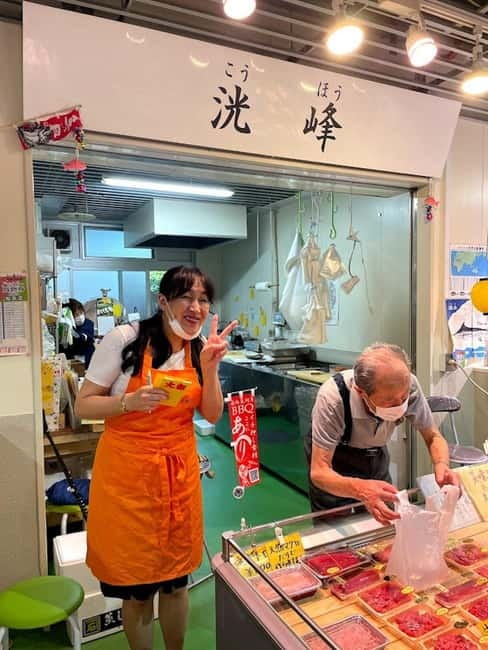
The experience is led in English and limited to six participants. Chinami has guided this walk and is praised for clear English, local advice, and useful suggestions for the rest of a Tokyo or Kyoto trip. Guides can change, so confirm the name when you book if meeting Chinami is important to you.
A few more Tokyo tours and experiences worth a look
Starting at Lawson near Tsukiji 4-chome
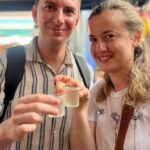
Your meeting point is outside Lawson Tsukiji 4-chome, at the intersection. Do not gather right by the shop entrance, since that can block people going in and out. Look for the staff member holding a notice board.
The location is practical for a food tour. You begin with a short ten-minute walk, giving your guide time to outline the neighborhood and set the pace before the tastings begin. The walk is part of the experience, not dead time. Tsukiji is easier to understand when you move between its religious, wholesale, retail, and convenience-food stops.
The tour returns to the same Lawson after two hours. That makes the route simple, especially if you do not want to find your way to a new ending point while carrying market purchases.
Namiyoke Inari Shrine and Tsukiji’s working community
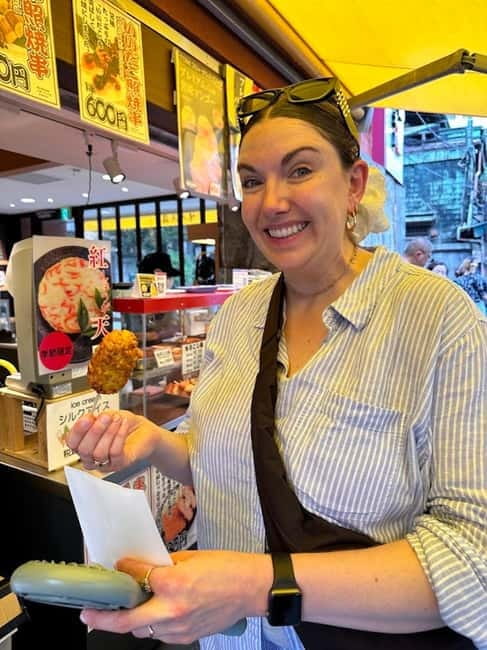
After the opening walk, you spend about 15 minutes at Namiyoke Inari Jinja. Your guide explains why people in the area worship the shrine and how to pray for protection from misfortune, turmoil, and bad luck.
This stop gives the market a human setting. Fish markets are not only places where food changes hands. They are workplaces with risks, routines, family connections, and traditions. A shrine visit helps explain why spiritual customs remain part of the area’s identity.
You should expect a guided explanation rather than a long religious ceremony. The value comes from learning how to behave respectfully and understanding the meaning behind a prayer. If you have never visited a Japanese shrine, this is also a useful chance to learn the basic steps instead of copying the nearest person and hoping for the best.
The stop lasts only 15 minutes, so you will not have a long period for independent sightseeing. That is a fair trade if you want a focused market tour, but less ideal if your main aim is quiet photography or extended shrine time.
The tuna tasting at Tsukiji Uogashi Mall
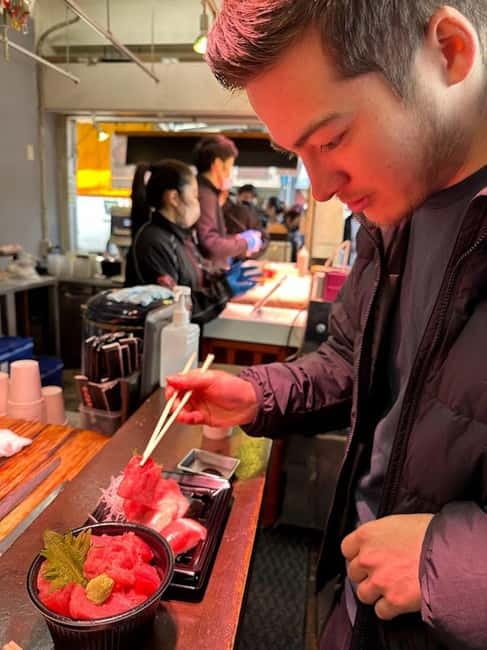
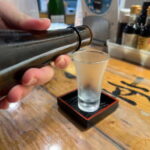
The food centerpiece takes place at a store in Tsukiji Uogashi Mall, run by the local wholesaler Tsukiji KohHoh, whose connections include Toyosu Market. The tasting lasts about 35 minutes and includes a small bento box with freshly cut tuna, fresh wasabi, and a small serving of Japanese sake.
This is more useful than simply receiving a piece of fish and a quick translation. Your guide explains the cuisine and the care involved in presenting it. You get to notice the difference between the tuna, the sharp lift of fresh wasabi, and the sake alongside it.
One especially useful part is the focus on blue marlin and tuna. The tour gives you a way to think about fish beyond the broad label of sushi. Texture, fat, cut, and preparation all affect the experience. You can ask questions as you eat, which is far easier in a six-person group than at a busy counter.
The bento is small, so do not treat this as a full lunch. It is a tasting and lesson, not an all-you-can-eat meal. The included water is a practical touch, especially if you continue sampling salty food in the market afterward.
Vegetarians should not book this tour. The core tasting centers on fish, and the activity is specifically marked as unsuitable for vegetarians. If you are bringing children who will not eat the bento, tell the operator their ages and food preferences in advance. The staff will try to make suitable arrangements, but you should not assume a replacement meal is guaranteed.
Browsing Tsukiji Uogashi Mall
After the tasting, your guide shows you more of Tsukiji Uogashi Mall. You can see places selling vegetables, fruit, and other products, along with a food court and restaurants.
This section helps you compare the market’s shopping side with the guided tasting. You might find ingredients to take back to your accommodation, cooking tools for a serious home chef, or small food gifts that are easier to pack than fresh seafood.
The market is also a good place to ask practical questions. You can learn what an ingredient is, how it is used, and which products make sense for a visitor who is not cooking a full Japanese meal. Without guidance, it is easy to buy something attractive but difficult to carry, store, or explain at customs.
Allow yourself some restraint. The tour moves on, and the two-hour schedule is not built for a long shopping expedition. If you want knives, utensils, or specialty ingredients, note what catches your eye and return after the tour if you need more time.
A few more Tokyo tours and experiences worth a look


Tsukiji Outer Market, from street food to kitchen tools
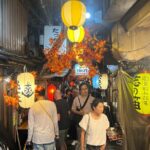
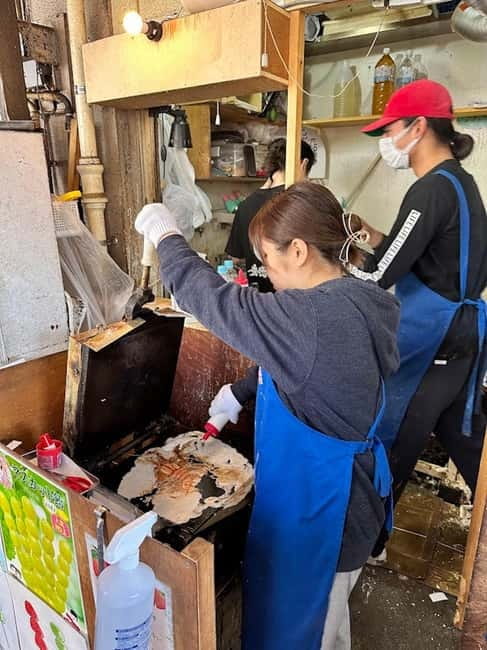
The largest portion of the walking route, about 45 minutes, is spent at Tsukiji Outer Market. This is the main chance to look for extra food and drinks, with purchases paid separately.
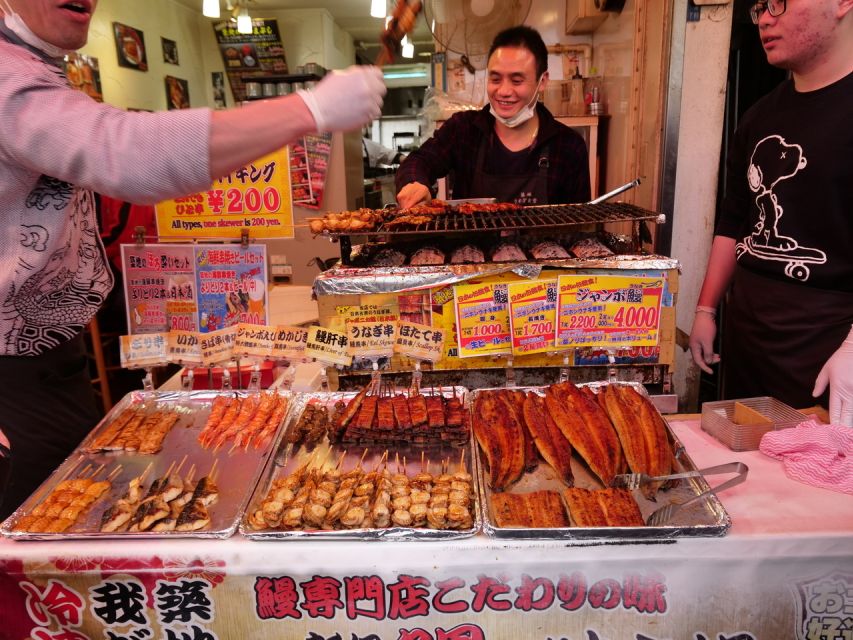
Your guide points out more than seafood. Expect suggestions for street snacks, desserts, local drinks, Japanese ingredients, souvenirs, knives, utensils, and other culinary goods tucked into the market lanes. That range is important. Even if raw fish is not your main interest, you can still find plenty to examine and taste.
You might want to budget for one or two extra items. The included tuna tasting gives you a set introduction, while optional market purchases let you follow your own appetite. Since the cost of these items varies, you control how much more you spend.
The drawback is time. Forty-five minutes can pass quickly if you stop at every stall. I would use the guide’s recommendations first, then return later for serious shopping. The tour is best for orientation and selective tasting, not for covering every corner of Tsukiji.
Mind the setting as you walk. Market lanes can be tight, and the area serves local businesses as well as curious visitors. Stay with the group, keep purchases compact, and avoid stopping in doorways. Good market manners are simple: look before taking photos, make room for workers, and follow your guide’s lead.
Finishing with Lawson snack advice
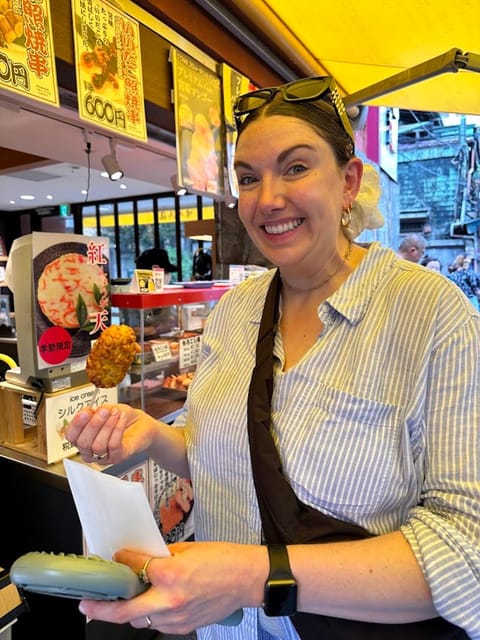
The final ten-minute walk brings you back to the starting Lawson. The tour ends with snack hunting and recommendations about what to buy and enjoy there. Lawson is not treated as an emergency stop for bottled water. It becomes a lesson in everyday Japanese food.
This is a smart ending because convenience stores are one of the easiest places in Japan to eat cheaply and quickly. Your guide can explain which foods and drinks are worth trying, helping you make better choices during the rest of your stay.
Your own purchases are not included. That is clear and reasonable, since everyone has different tastes and may already be full from the market. You can simply listen, or buy a few items and test the advice immediately.
For many visitors, this may be one of the most useful parts of the walk. Market specialties are memorable, but convenience-store food is practical. You are likely to encounter it throughout Japan, and a few good recommendations can save you from relying on guesswork later.
Is $70 good value for two hours?
At $70 per person, this is not the cheapest way to wander through Tsukiji. You can walk around the market independently and pay only for what you eat. The price makes more sense if you want explanations, a structured route, photos taken during the tour, and the included tuna, wasabi, sake, and water.
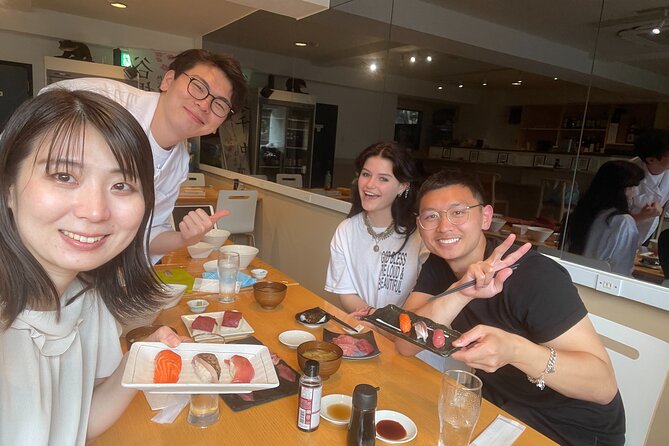
The small group improves the value. With no more than six people, you have a better chance to ask about ingredients, shrine customs, and shopping choices. You are also less likely to lose the guide in a narrow lane.
The included tasting is another important part of the calculation. Freshly cut tuna and fresh wasabi are not just random snacks, and the guide explains the food while you eat it. If you would buy a similar tasting and hire a guide separately, the package becomes easier to justify.
You should still plan for extra spending if you want street food, drinks, desserts, or market goods. The tour price covers the guided experience and specified tasting, not an open food budget.
Who will enjoy this most?
I would recommend this tour to a first-time Tokyo visitor who wants Tsukiji explained rather than simply photographed. It suits people who enjoy seafood, Japanese food customs, local shopping, and short cultural stops in one compact outing.
It also works well for solo visitors and couples who prefer a small group. The English guide can answer questions, and the fixed start and finish reduce the stress of navigating the market alone.
Food-focused visitors will get the most from the tuna tasting and market advice. If your interest is mainly in kitchen knives, ingredients, or souvenirs, the walk gives you a useful introduction, but you may need to return independently for extended shopping.
I would be cautious if you are vegetarian, dislike fish, or want a large meal. The bento is small, the main tasting is seafood, and optional food purchases are extra. Families can ask about children in advance, but parents should share ages and food preferences before the day of the tour.
Practical details that affect your day
The tour lasts two hours, with starting times available according to the date you choose. The route includes about ten minutes of walking at the start, five minutes between the shrine and the market tasting, 45 minutes at the Outer Market, and ten minutes back to Lawson, plus the guided stops.
Wear comfortable shoes. You will be on foot through market areas, and the experience works best when you can move easily between stalls without worrying about your feet.
English is the only language listed for the live guide. Photos taken during the tour are included, which is useful if you want pictures of the group or food without constantly handling your phone.
You can cancel up to 24 hours before the activity for a full refund. A reserve-now, pay-later option is also available, which helps if your Tokyo schedule is still changing.
Should you book the Tsukiji food tour?
Book it if you want a guided introduction rather than a self-guided snack crawl. The shrine visit, tuna tasting, market walk, and Lawson advice give you four different ways to understand Tsukiji in a short morning or afternoon.
I would especially choose it if you value local explanations and prefer a small group. Chinami’s clear English and practical Tokyo and Kyoto tips have been a strong part of the experience when she leads it.
Skip it if you are vegetarian, want to spend hours shopping, or prefer to choose every bite on your own. For everyone else, $70 is a fair price for the included tasting, personal guidance, photos, and a well-planned route through one of Tokyo’s most useful food neighborhoods.
FAQ
Where does the Tsukiji tour meet?
Meet outside Lawson Tsukiji 4-chome at the Tsukiji 4-chome intersection. Do not gather directly around the store entrance, and look for staff holding a notice board.
Where does the tour finish?
The tour returns to Lawson Tsukiji 4-chome, the same place where it begins.
How long does the experience last?
The tour lasts two hours.
Is the tour conducted in English?
Yes. The activity includes a live English-speaking guide.
How many people are in the group?
The group is limited to six participants.
What food and drinks are included?
The price includes a small bento box with freshly cut tuna and fresh wasabi, a small amount of Japanese sake, and a bottle of water.
Are street food and market purchases included?
No. Street food, drinks, snacks, and other purchases at Tsukiji or Lawson are paid for separately by each participant.
Can vegetarians join the tour?
No. The activity is not suitable for vegetarians because the included food experience centers on seafood.
Can children join the experience?
Children may be accommodated, but you must tell the operator their ages and food preferences in advance, especially if they will not eat the bento.
More Food Experiences in Tokyo
More Tokyo Food Tours in Tokyo
More Tsukiji Market Tours in Tokyo
More tours in Tokyo we've reviewed












Tokyo Food Tours, compared.
 ★ 5.0Tokyo: Shinjuku Food Tour (13 Dishes at 4 Local Eateries)From $86
 ★ 4.9Tokyo: Shinjuku Food Tour (13 Dishes and 4 Eateries)From $97
 ★ 5.0Tokyo Night Foodie Tour in Shinjuku – Seasonal Sushi, Wagyu BeefFrom $111
 ★ 5.0Eat and Drink Like a Local: Tokyo Ueno Food Tour-Taverns&RamenFrom $95
 ★ 5.0Tokyo: Shibuya Food Tour (13 dishes and 4 Eateries)From $77
Tokyo: Shinjuku Food Tour – 15 Dishes, 3 Drinks, 4 EateriesFrom $723 hours
★ 5.0Tokyo: Shibuya Food Tour (13 dishes and 4 Eateries)From $77
Tokyo: Shinjuku Food Tour – 15 Dishes, 3 Drinks, 4 EateriesFrom $723 hours