Reviewed · TOKYO
Explore Local Tokyo: Buddhism & Shinto
The most interesting part of this Tokyo walk is its focus on how ordinary local life shaped religion and community in Monzennakacho. You begin with a short cafe presentation, then follow the water channels and visit Fudo-son Temple and Tomioka Hachimangu Shrine, with a chance to watch a Buddhist fire ceremony.
In This Article
- Key points to know
- Why Monzennakacho makes a good Tokyo break
- Starting with a cafe presentation
- Following the waterways of Shitamachi
- Learning temple manners at Fudo-son Temple
- Watching a Buddhist daily ritual
- Seeing a different side of Shinto at Tomioka Hachimangu Shrine
- What Manami adds to the experience
- Is $58.53 a fair price?
- Timing, meeting point, and practical details
- Who will get the most from this walk?
- My recommendation for booking
- FAQ
- Where does the tour begin?
- Where does the tour end?
- How long does the tour last?
- How large is the group?
- Which religious sites are included?
- Can I watch a Buddhist fire ceremony?
- Are temple and shrine offerings included?
- Can I cancel for a refund?
I like the maximum group size of six, which gives Manami room to answer questions. I also like the rare chance to see a daily Buddhist ritual instead of simply photographing a temple gate. The main drawback is its short length, about 1 hour and 40 minutes, so this is an introduction rather than a full day of temple-hopping.
Key points to know
- Monzennakacho gives you a quieter look at East Tokyo, away from the city’s best-known sights.
- Manami leads a group of no more than six, making conversation and questions easier.
- A cafe presentation starts the walk, giving you useful context before the temple and shrine visits.
- Fudo-son Temple and Tomioka Hachimangu Shrine show two Japanese religious traditions in one compact outing.
- A Buddhist daily ritual, possibly including a fire ceremony, is included at no extra charge.
- The $58.53 price is reasonable for personal guiding, especially if you want cultural explanation rather than a self-guided stroll.
Why Monzennakacho makes a good Tokyo break
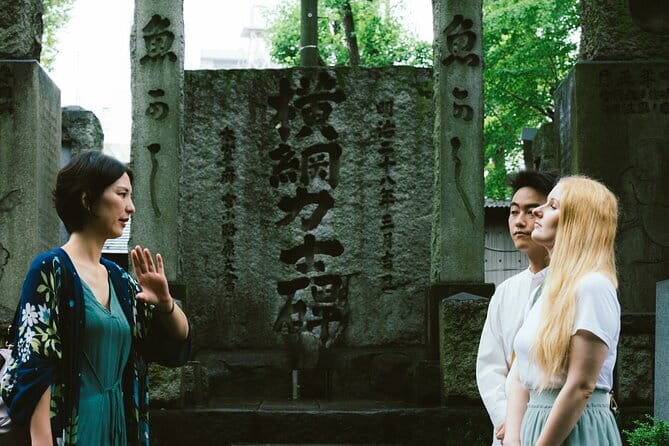
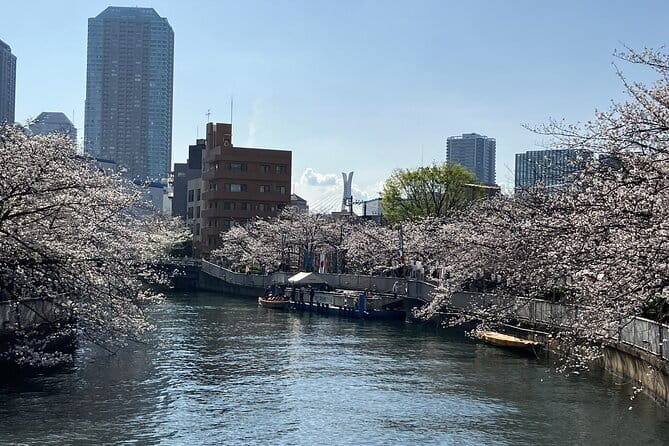
Tokyo can leave you moving from one famous sight to the next, often in a crowd. Monzennakacho offers a different pace. It is part of Shitamachi, the eastern delta area between two major rivers, where canals and waterways helped shape work, trade, and local identity.
The people of this district call themselves Edokko. The term carries local pride. Edokko are not presenting themselves as Tokyo’s wealthy or polished elite. Instead, they see themselves as the practical residents who helped build Edo, the former name of Tokyo, and supported its growth for more than 250 years.
That background matters because this walk is not only about religious buildings. You are looking at the connection between water, work, neighborhood life, and belief. The canals are not just scenery. They help explain why this part of Tokyo developed as it did and why local identity remains strong.
I would choose this experience early in a Tokyo visit if you want a framework for understanding Japan’s religious sites. After this walk, shrine gates, temple incense, prayer boxes, and purification areas elsewhere in the country should make more sense.
If you're still narrowing it down, here are other tours in Tokyo we've reviewed.
Starting with a cafe presentation
The tour begins at Monzen-nakacho Station, at 2 Chome-4 Monzennakacho in Koto City. From there, Manami takes you to a cafe for a short presentation before the walking portion begins.
This is a smart opening. Religious customs can seem confusing when you first arrive in Japan. A few minutes of explanation at the start can help you notice details that might otherwise pass by without meaning. You can ask questions before reaching the temple and shrine, rather than trying to interrupt a formal ritual later.
The cafe stop also gives the outing a neighborhood feel. It is not simply a guide pointing out monuments from the pavement. You begin by talking through the area and its customs, then use that information as you explore.
The tradeoff is that the cafe presentation takes part of a short tour. If you want the maximum possible time inside temples and shrines, you may wish the walk were longer. If you prefer context before sightseeing, the opening is valuable.
Following the waterways of Shitamachi
The first main subject is Monzennakacho’s water channels. The tour explains the area’s unusual geography and how it helped create the local economy.
You will not spend the entire experience walking beside waterways, and the supplied details do not promise a long canal cruise or a major waterfront viewpoint. The value lies in learning to read the district. Tokyo’s eastern low-lying areas developed differently from the city’s western neighborhoods, and Manami connects that physical setting with the people who lived and worked here.
I like this part because it gives the walk a clear thread. Rather than treating each temple or shrine as an isolated stop, you begin with the conditions that shaped the community. The water is part of the story, not decoration.
This is also where the Edokko identity comes into focus. Local pride grows from work and endurance, not from grand monuments. That perspective can make the rest of the outing feel more grounded and less like a checklist of famous names.
Learning temple manners at Fudo-son Temple
Fudo-son Temple is one of the key stops. Here, Manami explains differences between religions in Japan and shows you appropriate manners.
For many first-time visitors, this is the most useful portion of the walk. Buddhism and Shinto often exist close together in Japan, and the visual clues can be easy to mix up. A guide can explain what you are seeing and how your actions should change from one setting to another.
The supplied information does not list every ritual step, so you should not expect a fixed lesson covering every custom in Japan. Instead, think of Fudo-son Temple as a place to ask practical questions and learn the basic distinction between a Buddhist temple and a Shinto shrine.
Manami’s academic background is part of the appeal. One published account describes her as holding a PhD, while other comments point to her patience, care, and passion for the local temple and shrine. That combination should suit you if you want more than a quick label on a building.
Watching a Buddhist daily ritual
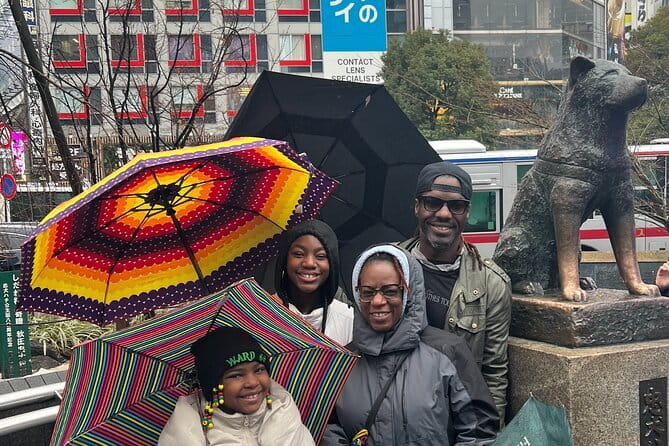
A free visit to a Buddhist daily ritual is included. There is also an opportunity to watch a fire ceremony at a local Buddhist temple.
This can be the most memorable part of the experience, but keep the wording in mind: it is an opportunity, not a guarantee that every departure will include the same ceremony in full. Religious services can follow their own schedule, and the tour details do not provide a ceremony time.
If the ritual is taking place, you are given a chance to see Buddhism as a living practice rather than as architecture alone. A fire ceremony is especially striking because it uses movement, sound, flame, and formal action. You should observe respectfully and follow Manami’s instructions.
The ritual also shows why a guide is useful. Without explanation, you might see a ceremony but miss its purpose or misunderstand what is appropriate for an observer. With Manami, you can connect what happens in front of you to the wider role of Buddhist practice.
Small coins for offerings are not included. You may bring a few coins for temple or shrine offering boxes, but giving money is optional. I would carry some if you like taking part in customary gestures, though you should never feel pressured to offer.


Seeing a different side of Shinto at Tomioka Hachimangu Shrine
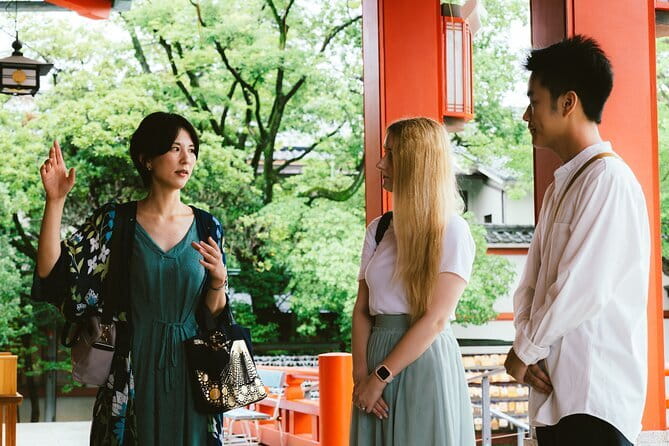
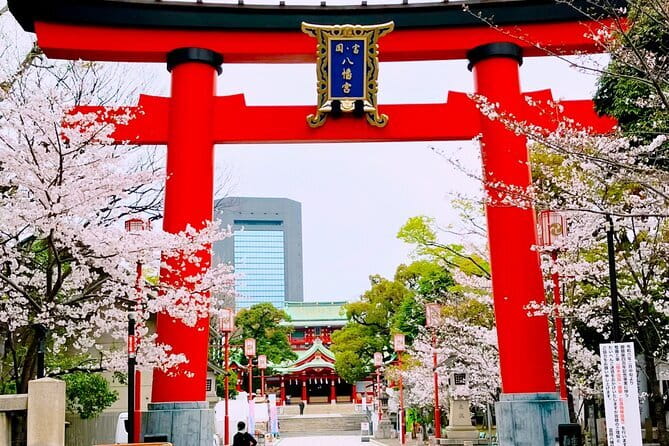
Tomioka Hachimangu Shrine adds the Shinto side of the tour. Visiting it after a Buddhist temple lets you compare two traditions within one compact neighborhood walk.
The important point is not simply to memorize which building belongs to which faith. Manami helps explain the different religious settings and the manners associated with them. This is particularly useful if you plan to visit Kyoto, Nara, Nikko, or other temple and shrine sites later in your trip.
Tomioka Hachimangu is also part of the local community story. The tour presents religious places as active neighborhood institutions, not just old structures waiting for photographs. That approach gives you a better sense of how shrines and temples fit into daily life.
The walk does not promise an exhaustive survey of Shinto. You will visit a selection of important local sites, not every religious building in Monzennakacho. For a short outing, though, the temple-and-shrine pairing is well chosen.
What Manami adds to the experience
The guide is Manami, and her personal approach appears to be central to the tour. The supplied comments describe her as kind, patient, generous, experienced, and passionate about Tokyo’s local shrine and temple. One person who had visited Japan more than 20 times placed this walk near the top of many previous tours.
That level of praise points to a particular kind of guiding. Manami is not simply there to keep the group moving. She appears to enjoy discussion and has the background to explain religious and local subjects with care.
The group limit matters here. With no more than six people, you have a better chance to ask about a ritual, pause at a detail, or discuss the difference between Buddhist and Shinto practice. A large coach group would change the experience completely.
I would especially recommend this tour if you are curious about culture but wary of overly formal lectures. The cafe introduction and neighborhood walk create room for conversation. The short format also makes it easy to fit into a larger Tokyo day.
Is $58.53 a fair price?
At $58.53 per person, this is not the cheapest way to walk around Monzennakacho. You could visit the area on your own for the cost of transportation, and entry to the featured religious sites is not listed as an added expense.
The price pays for personal interpretation in a group of up to six. That is the key value. You are paying to understand what you see, to ask questions, and to receive help with temple and shrine manners. The included Buddhist ritual adds something you may not easily arrange by yourself.
For visitors already comfortable with Japanese religious customs, the value may be lower. If you have visited many temples and shrines and prefer to wander alone, the route may feel brief for the cost.
For a first or second visit to Japan, I think the price is easier to justify. The setting is less familiar than Tokyo’s main tourist districts, and the guide’s academic and local perspective gives the walk more substance than a simple orientation tour.
Timing, meeting point, and practical details
The activity lasts about 1 hour and 40 minutes, though the stated duration range is approximately one to two hours. It begins and ends at Monzen-nakacho Station, making it simple to plan before or after another activity in East Tokyo.
The tour is listed as close to public transportation. Confirmation is provided when you book, and most people can participate. Service animals are allowed.
The short duration makes this easy to add to a morning or afternoon schedule. I would avoid placing a strict timed reservation immediately afterward, since walks and religious visits can take slightly longer when questions or a ceremony are involved.
You should also remember that the activity ends back at the meeting point. That is useful if you want to continue exploring Monzennakacho on your own, but the tour does not provide a transfer to another Tokyo district.
Free cancellation is available when you cancel at least 24 hours before the local start time. Cancellations or changes made inside that window are not accepted for a refund.
Who will get the most from this walk?
I would choose this experience for you if you:
- Want a quieter neighborhood rather than Tokyo’s most crowded sights
- Are interested in Buddhism, Shinto, or Japanese religious manners
- Prefer a small group and direct conversation with a guide
- Plan to visit other temples and shrines during your Japan trip
- Like learning how geography and local work shaped a district
- Have only a short block of time for a cultural activity
I would be less likely to recommend it if you want a long walking tour, a broad survey of Tokyo history, or a schedule packed with major landmarks. The experience stays focused on Monzennakacho, its waterways, and its religious sites.
It may also be less satisfying if you expect a guaranteed fire ceremony. The tour offers an opportunity to watch one, but the available details do not promise that it will occur at every departure.
My recommendation for booking
Book this tour if you want a thoughtful introduction to Japanese religious customs and a look at East Tokyo that many visitors skip. The strongest reasons are Manami’s personal guidance, the very small group, and the chance to observe a Buddhist daily ritual.
I would place it near the start of your Japan trip, especially before a larger temple-and-shrine itinerary. You will gain useful manners and vocabulary, then recognize more when you visit other sites.
Skip it if you mainly want grand architecture or a long sightseeing route. At 1 hour and 40 minutes, this is a focused cultural walk. For the right kind of visitor, its modest scale is the point.
FAQ
Where does the tour begin?
It begins at Monzen-nakacho Station, at 2 Chome-4 Monzennakacho, Koto City, Tokyo 135-0048, Japan.
Where does the tour end?
The experience ends back at the meeting point.
How long does the tour last?
The tour lasts approximately 1 to 2 hours, with the stated itinerary taking about 1 hour and 40 minutes.
How large is the group?
The tour has a maximum of six participants.
Which religious sites are included?
The route includes Fudo-son Temple and Tomioka Hachimangu Shrine, along with other local temples and shrines selected by the guide.
Can I watch a Buddhist fire ceremony?
There is an opportunity to watch a fire ceremony at a local Buddhist temple. The information provided does not guarantee that the ceremony will take place at every departure.
Are temple and shrine offerings included?
Small coins for offering boxes are not included. Giving an offering is optional.
Can I cancel for a refund?
You can cancel up to 24 hours before the experience start time for a full refund. Cancellations or changes made less than 24 hours before the start time are not accepted for a refund.
More tours in Tokyo we've reviewed












Tokyo, compared.
 ★ 5.0Mt Fuji and Hakone 1-Day Bus Tour Return by Bullet TrainFrom $163
 ★ 5.01-Day Tokyo Bus TourFrom $129
 ★ 4.6Tokyo: teamLab Planets TOKYO Digital Art Museum Entry TicketFrom $251 day
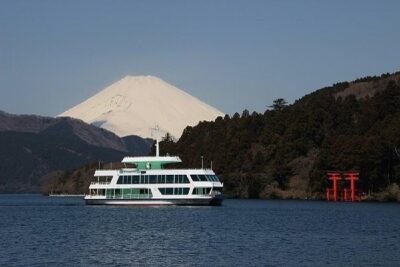 ★ 4.0Mt Fuji & Hakone Cruise, Drum Show Bullet Train 1 Day from TokyoFrom $149
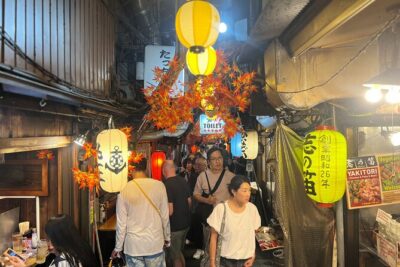 ★ 5.0Tokyo: Shinjuku Food Tour (13 Dishes at 4 Local Eateries)From $86
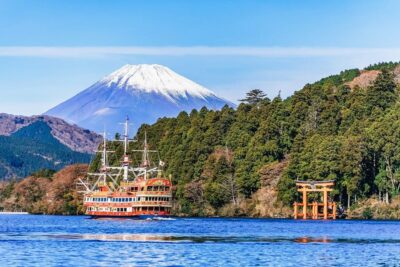 ★ 4.4Tokyo Mt Fuji 5th St & Hakone Cruise Bus Tour w/Bullet TrainFrom $15410 hours