Reviewed · ASAKUSA TOURS
Asakusa: Kimono Tea Ceremony with Matcha and Sweet
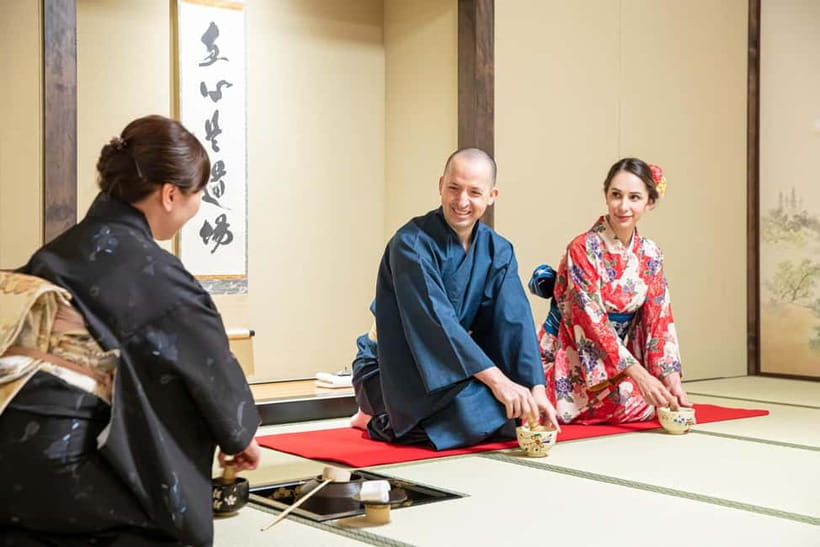
The most memorable part of this Asakusa experience is the change in pace. You trade street clothes for a seasonal kimono, settle onto tatami mats, and spend 90 quiet minutes learning why each movement in a Japanese tea ceremony matters. You prepare your own matcha, too, rather than simply watching.
In This Article
- Key points
- Why this Asakusa tea ceremony feels special
- Choosing your kimono and getting dressed
- The 90-minute schedule
- What happens in the tea room
- Matcha and seasonal wagashi
- What makes the staff helpful
- The value of $66
- Seating, clothing, and practical comfort
- Photos and wearing the kimono afterward
- Who should book this experience
- Is the Asakusa kimono tea ceremony worth booking?
- FAQ
- How long does the kimono tea ceremony last?
- What is included in the price?
- Is transportation included?
- Is the experience conducted in English?
- Can I sit on a chair instead of the tatami floor?
- Are children allowed?
- Can I wear the kimono outside after the ceremony?
- Can I cancel for a refund?
I like the wide choice of kimono colors and prints, along with the careful help choosing an obi and hairpiece. I also like the patient English teaching, with hosts such as Mia, Wakana, and Yoko explaining the ceremony in a warm, easy-to-follow way. The main consideration is seating: the ceremony takes place on tatami mats, so request a bamboo chair ahead of time if kneeling or sitting on the floor is uncomfortable.
Key points
- Choose a seasonal kimono and matching accessories, with professional dressing included.
- Hair styling is included for women with long hair, and the finished look is ready for photos.
- Learn and make matcha yourself, guided through the tools, motions, and etiquette.
- Taste seasonal wagashi, Japanese sweets chosen to suit the time of year.
- Take photos in a small garden and indoor settings, with staff often helping solo visitors and couples.
- Plan for a quiet group of about 12 to 14 people, and remember that children under seven are not permitted.
Why this Asakusa tea ceremony feels special
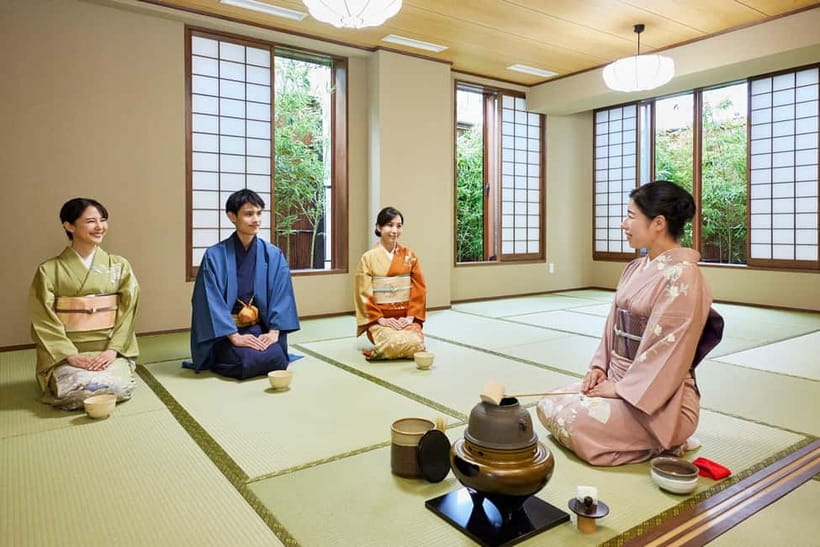
Asakusa is one of Tokyo’s best areas for a first look at old Japan. Its temples, traditional shops, and busy streets can feel wonderfully full-on, so this activity gives you a calmer cultural pause. The kimono dressing adds a visual and hands-on side, while the tea ceremony gives you a closer look at Japanese manners and Zen ideas.
The ceremony centers on four principles: Wa, harmony; Kei, respect; Sei, purity; and Jaku, tranquility. These are not just words for a guide to recite. They help explain why the host cleans and handles each utensil with care, why the room stays quiet, and why the tea is prepared through a set sequence rather than rushed.
You do not need prior knowledge of tea ceremony customs. The English guidance is designed for first-time visitors, and the hosts adjust their explanations when needed. One host, Cat, even switched between Japanese and English for participants who understood both languages. That flexibility is useful in a group setting.
A few more Tokyo tours and experiences worth a look


Choosing your kimono and getting dressed
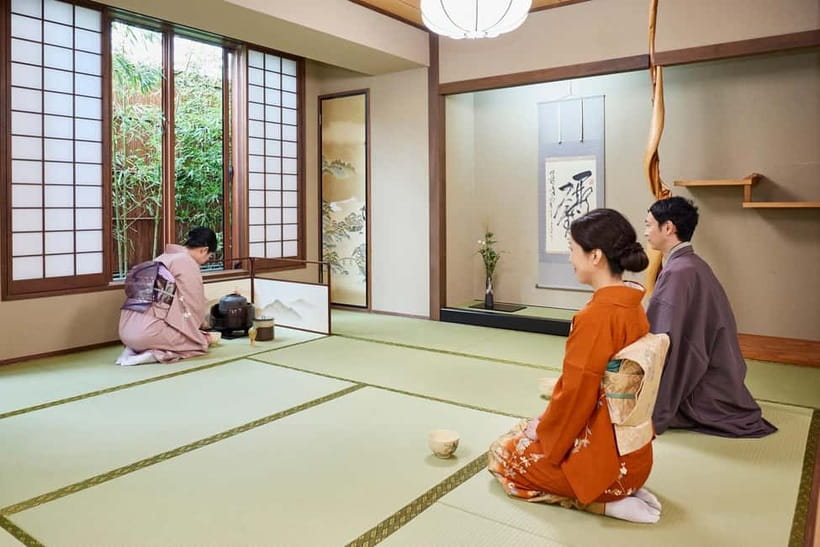
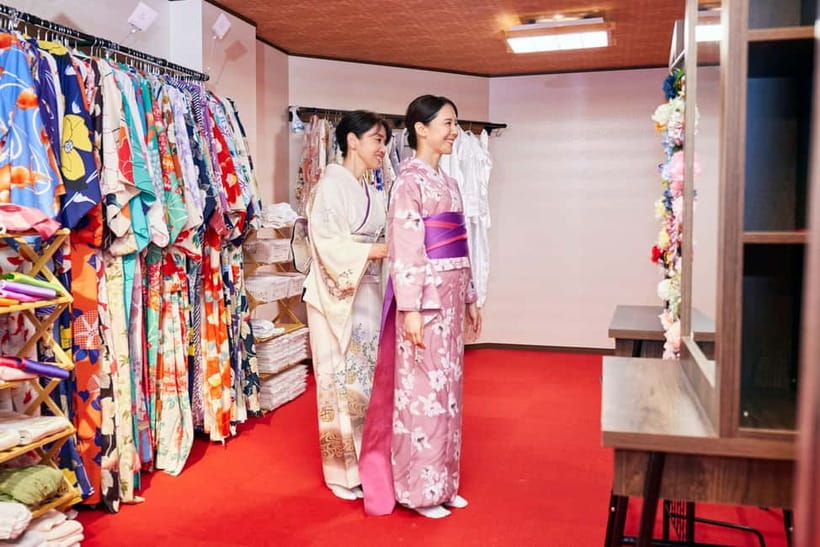
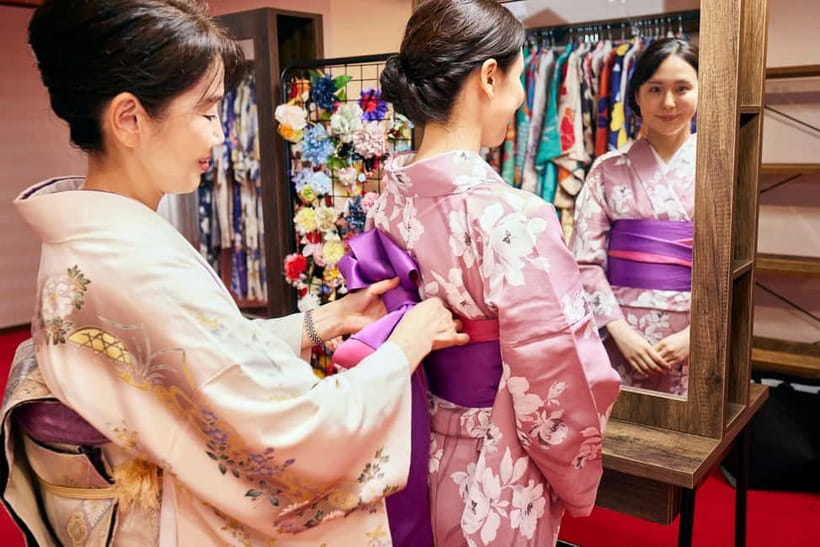
Your visit begins with the kimono selection. You can choose from many colors and prints, then match your choice with an obi and hair accessory. This is one of the most enjoyable parts, but it is worth taking your time. Think about which colors suit you, since the kimono will appear in nearly every photograph you take afterward.
Professional staff handle the dressing. That matters because a kimono is not simply a robe you wrap around yourself. The layers, belt, and final adjustments create the proper shape, and the staff make sure the outfit looks neat before you enter the tea room.
For women with long hair, hair styling is included. The style is intended to suit the kimono and hairpiece, and it does not take long according to the experience details shared by visitors. If you are traveling alone, do not worry too much about missing the photo record. Staff have helped solo participants take pictures, and they can also assist couples with pictures of both people.
A small garden and indoor photo spots are available after the ceremony. These staged areas are handy because you can get attractive pictures without needing to search for a suitable backdrop in the streets of Asakusa. You may also be able to keep the kimono for a short time afterward and walk nearby, as several participants did. Confirm the exact return arrangement on the day, since the supplied details describe this as available but do not state a fixed rental period.
The 90-minute schedule
The full activity lasts about 90 minutes. That includes kimono rental, professional dressing, hair styling when applicable, the ceremony, matcha preparation, sweets, and picture time. The schedule is compact, but it covers more than a simple demonstration.
Allow time at the beginning for choosing your outfit and getting dressed. The staff need to make several careful adjustments, so arriving ready to focus on the experience is wise. Once dressed, you enter the tea room and take your place on tatami mats.
The group usually has about 12 to 14 participants because people from different booking sites may be combined. That is not a private ceremony, but the size is still small enough for clear instruction and personal help. One account described a particularly intimate session with only two couples, though group size can vary.
After the tea ceremony, there is time for photographs and finishing the sweets and tea. The atmosphere remains quiet and orderly rather than hurried. If you want many pictures, tell the staff early and use the available indoor sets and garden while you are still dressed.
What happens in the tea room
The tea master begins by explaining the purpose and etiquette of the ceremony. You learn how to behave in the quiet room, how the tools are used, and why certain gestures happen in a specific order.
Watch the preparation closely. The utensils are handled with precision, and some are described as cherished artifacts. The point is not simply to produce a cup of green tea. The ceremony asks you to pay attention to the bowl, the movement of the host, the season, and the people sharing the room.
The host demonstrates how matcha is prepared, then you whisk your own bowl. This hands-on part gives the experience more value than a performance alone. You may not become an expert in tea ceremony technique in 90 minutes, but you will understand the basic rhythm and appreciate the work behind a seemingly simple bowl of tea.
The quiet setting is important. This is not a loud cultural show with constant commentary or rapid changes of scene. You will have pauses, polite instructions, and time to observe. That makes it a good fit for anyone who wants a more thoughtful activity, but it may feel slow if you prefer a high-energy tour.
Matcha and seasonal wagashi
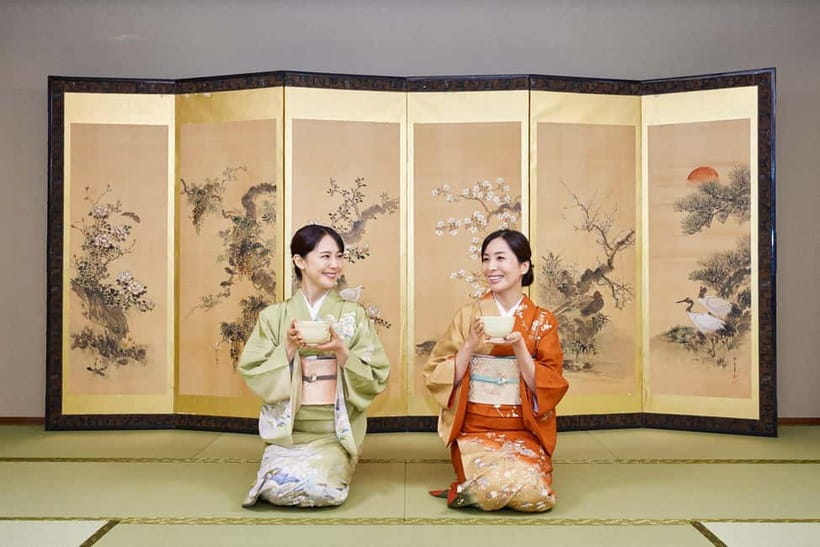
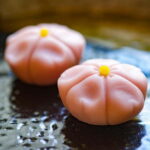
The matcha is paired with wagashi, traditional Japanese sweets selected to reflect the season. Wagashi often use delicate shapes, colors, and flavors, so the sweet is part of the lesson as well as a small treat.
The tea has a strong, grassy taste that may surprise you if you are used to sweetened green tea drinks. The wagashi balances it, which is why the two are served together. The included food is a sweet, not a meal, so plan lunch or dinner separately.
One useful detail for plant-based visitors is that the sweets served to at least one participant were vegan friendly. The supplied information does not promise a vegan menu for every session, so ask in advance if this matters to you.
A few more Tokyo tours and experiences worth a look



What makes the staff helpful
The people handling the dressing and ceremony shape much of the experience. The kimono staff help with color combinations, the obi, accessories, and hair. The tea host explains the ritual in English and keeps the mood friendly without turning the ceremony into a noisy performance.
Mia is noted for detailed explanations and a respectful manner. Wakana is described as a strong host for the matcha preparation, while Yoko brought an entertaining style to the teaching. Kyoko and other staff have also been praised for being friendly and clear. Host assignments can change, so treat these names as examples rather than a guaranteed schedule.
The team has also helped with special moments. Cat arranged a small Polaroid souvenir for a participant’s birthday, and staff have taken photos for solo visitors. Those touches are not listed as formal inclusions, so you should not book solely expecting a birthday picture. Still, they show the kind of personal help that can make a short activity feel more meaningful.
The value of $66
At $66 per person, this is not a budget tea or a quick costume photo stop. The price includes the kimono rental, professional dressing, hair styling for women with long hair, the tea ceremony, matcha preparation, seasonal wagashi, and English instruction.
I think the value is strongest if you want several Japanese cultural activities combined into one booking. You are not paying only for a bowl of tea. You are also paying for the staff time required to dress you, style your hair, explain the etiquette, guide your matcha preparation, and help with photographs.
The value is less convincing if you only want to sample matcha or take a quick kimono picture. In that case, a shorter and cheaper activity may suit you better. This experience works best when you want the full ritual, the clothing, and the chance to understand the ideas behind the ceremony.
The option to reserve now and pay later helps if your Tokyo plans are still shifting. Free cancellation is available up to 24 hours before the activity for a full refund. Transportation is not included, and food is limited to the Japanese sweets, so factor in your route and meals separately.
Seating, clothing, and practical comfort
Shoes are not allowed, since the tea room uses tatami mats. Wear socks or bring a clean pair. This is a small point, but it makes the change from street shoes more comfortable and respectful.
Most participants sit on the floor. The activity specifically says that bamboo chairs are available with advance notice. Request one before your visit if you have knee, hip, or back concerns. Do not wait until you arrive, since the chairs need to be arranged ahead of time.
The kimono can feel structured and snug. That is part of wearing it correctly, but you should avoid arriving with the expectation of moving freely or sitting in any position. The calm schedule helps, and staff make the necessary adjustments during dressing.
Children under seven cannot take part. Older children may enjoy the colors, sweets, and matcha preparation, but the quiet mood and floor seating may not suit every child. This is best for older children who can listen and follow a calm ceremony.
Photos and wearing the kimono afterward
Photography is a major part of the appeal. Once dressed, you can use the small garden and arranged indoor spots. Staff may help take pictures, which is especially useful if you are alone or want a proper couple portrait rather than a series of arm’s-length shots.
Some participants were allowed to go outside afterward in their kimono, and the experience information indicates that you may be able to continue wearing it nearby. This gives you a chance to make the outfit part of your Asakusa visit rather than packing it away immediately.
Treat this as something to confirm with the staff on arrival. The exact amount of time and permitted area are not stated. Weather also matters. One winter participant chose not to go outside because it was cold, despite having the option.
Who should book this experience
I would recommend it to first-time visitors who want an accessible introduction to Japanese culture. You get clothing, etiquette, food, and a small amount of hands-on practice in one sitting. It also suits couples looking for a shared memory, solo visitors who want staff-assisted photos, and anyone interested in traditional arts.
It is a particularly good choice if you want guidance in English. The instruction covers both what to do and why you are doing it, which prevents the ceremony from feeling like a set of mysterious gestures.
You should think twice if you dislike floor seating, cannot remove shoes, or want a private ceremony. The group may reach 12 to 14 people, and the room is intentionally quiet. It also is not a full meal, nor is it a long kimono walking tour.
Is the Asakusa kimono tea ceremony worth booking?
For $66, this is a strong value if you want a polished cultural experience with plenty of visual appeal. The best parts are the careful kimono dressing, the English explanation of the four tea principles, and the chance to whisk your own matcha before tasting it with wagashi.
Book it if you want photographs with real cultural context, not just a costume. Request a bamboo chair in advance if needed, bring socks, and leave room in your schedule for pictures after the ceremony. Skip it if you need a private experience, a substantial meal, or an active outdoor tour.
FAQ
How long does the kimono tea ceremony last?
The entire experience lasts approximately 90 minutes. This includes kimono dressing, hair styling for eligible participants, the tea ceremony, matcha preparation, wagashi, and photo time.
What is included in the price?
The $66 price includes the traditional tea ceremony, kimono rental, professional dressing, hair styling for women with long hair, matcha preparation, seasonal wagashi, and full English guidance.
Is transportation included?
No. You must arrange your own transportation to and from the venue.
Is the experience conducted in English?
Yes. English guidance is provided throughout, and the instructor language is English.
Can I sit on a chair instead of the tatami floor?
Yes, bamboo chairs are available upon advance request. Contact the activity provider before your visit to arrange one.
Are children allowed?
Children under seven years old are not permitted to take part.
Can I wear the kimono outside after the ceremony?
Some participants have been allowed to wear the kimono for a while afterward and walk around nearby. Confirm the exact arrangement, permitted area, and return time with the staff on the day.
Can I cancel for a refund?
You can cancel up to 24 hours in advance for a full refund. A reserve now and pay later option is also available.
More Tea Ceremony & Matcha in Tokyo
More Asakusa Tours in Tokyo

More tours in Tokyo we've reviewed












Asakusa Tours, compared.
 ★ 4.8Tokyo: Japanese Dance Cabaret Theater Asakusa-Kaguwa TicketFrom $492 hours
 ★ 4.7Tokyo: Meiji Shrine, Asakusa, Skytree Bus Tour and CruiseFrom $12210 hours
 ★ 4.9Tokyo: Roll and Authentic Sushi Making Class in AsakusaFrom $581h 40m
 ★ 4.8Tokyo: Asakusa Walking Tour with Sensoji Temple VisitFrom $222 hours
 ★ 5.0Tokyo Asakusa Rickshaw TourFrom $42
 ★ 4.5Tokyo Panoramic 1 Day: Meiji Shrine, Asakusa, Odaiba and SKYTREE®From $85