Reviewed · SHIBUYA TOURS
Paint and wine experience: Shibuya enjoying seasonal Japanese culture
The best part of this Shibuya activity is that you do not need artistic talent to make something personal. In March, the canvas becomes your version of cherry-blossom season, with guidance from host Candice, drinks at hand, and plenty of room to choose your own colors and style. No drawing experience is required, and the finished acrylic painting goes home with you.
In This Article
- Key Points to Know Before Booking
- A Creative Afternoon Beneath Shibuya
- What Happens at 1:30 p.m.
- The Midway Gallery Walk at 2:45 p.m.
- The Final Hour and Your Take-Home Canvas
- Drinks, Supplies, and What the $63.93 Price Covers
- Who Will Enjoy This Most
- Timing, Group Size, and Getting There
- The Social Side: Art Friends Instead of Small Talk
- Cancellation and Practical Booking Advice
- Should You Book This Shibuya Paint and Wine Session?
- FAQ
- Where does the painting experience begin?
- What time does the activity start?
- How long does the experience last?
- Do I need painting experience?
- What is included in the price?
- Are non-alcoholic drinks available?
- What is the seasonal painting theme?
I like two things in particular: the small group size, capped at 20, which makes it easier to chat, and the changing seasonal themes, which give the souvenir a clear connection to Japan. The main drawback is simple: snacks are not included, so eat before you arrive or plan to buy food separately.
Key Points to Know Before Booking
- March means Sakura: Paint cherry blossoms in spring, with themes changing throughout the year.
- Candice leads the session: Beginners receive step-by-step help, while confident painters have freedom with technique and image.
- Two drinks are included: You can choose alcoholic or non-alcoholic drinks.
- Your canvas is the souvenir: Paint, tools, canvas, apron, and gloves are supplied, and you take the finished work home.
- The afternoon has a clear rhythm: Instruction begins at 1:30 p.m., with gallery walks and group activities built into the three-hour session.
- Food is extra: The participation price covers drinks and art supplies, but not snacks.
A Creative Afternoon Beneath Shibuya
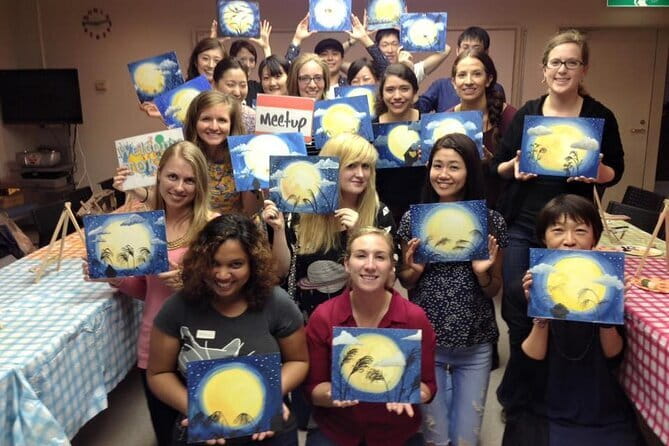
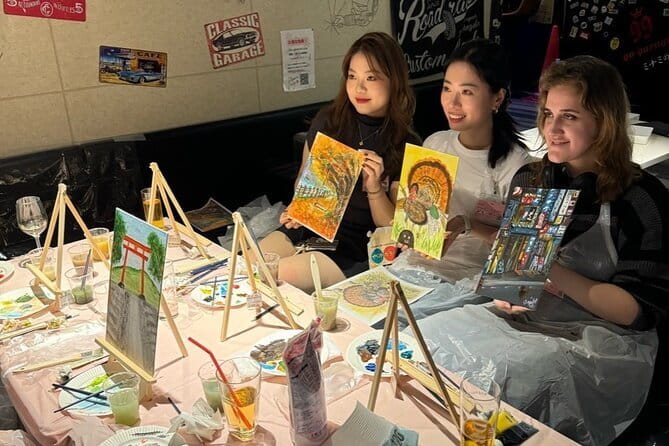
This is not a formal museum class where you sit quietly and copy a teacher’s picture line by line. It is a social paint-and-sip session held at Lad’s Dining Shibuya, a bar in the Udagawacho area, where you work on acrylic art while talking with people from Japan and other countries.
That setting matters. A bar feels less intimidating than a traditional studio, especially if you are nervous about your artistic ability. You can have a drink, ask for help, and watch the canvas take shape without feeling that every brushstroke is being judged.
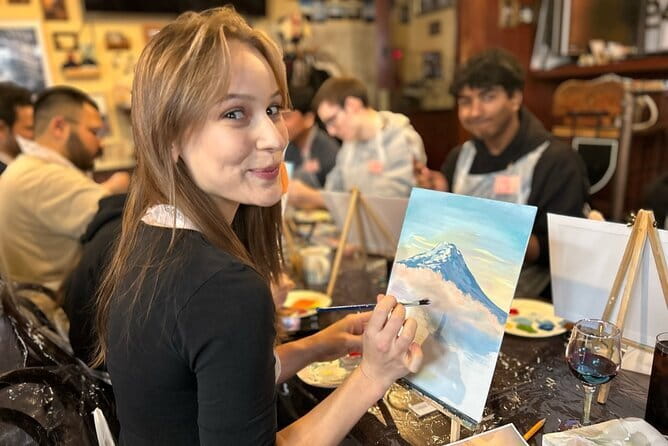
The March theme is Sakura, a natural choice for a Tokyo spring activity. You might paint branches heavy with flowers, a soft evening scene, or a more imaginative view of blossoms glowing at night. The subject gives you a starting point, but the point is not to produce identical paintings. You are encouraged to make the picture your own.
The annual schedule gives regular visitors a reason to return. January focuses on Hatsumode, Japan’s first shrine visit of the year. February uses sky lanterns, March brings Sakura, and April turns to Easter. Later themes include Tokyo, Umbrella Street, fireworks, the sea, autumn in Kyoto, Halloween, snow monkeys, and Christmas.
Themes can change without notice, so check the current booking details if a particular subject matters to you. Still, the changing program is part of the appeal. You can visit more than once and make a different Japanese-inspired souvenir each time.
A few more Tokyo tours and experiences worth a look


What Happens at 1:30 p.m.
The experience starts at 1:30 p.m. at Lad’s Dining Shibuya, located at 17-11 Udagawacho, Shibuya Plaza Building B1F, Tokyo 150-0042. It is near public transportation, but allow enough time to find the building and go downstairs. The meeting point is also the finishing point, so you do not need to arrange a second pickup.
The opening section is aimed at beginners. The group receives an explanation of the tools and the painting process, then begins working together. You will have the equipment you need, including the canvas and painting supplies. Aprons and gloves are also supplied, which is useful when you are more interested in experimenting with color than protecting your clothing.
Candice’s role is important here. She helps participants understand how to approach the image and offers advice when needed, without taking away the freedom to choose your own method. If you are unsure where to begin, follow the basic guidance. If you already paint, you can adapt the idea and use your own technique.
The session is designed to move at a friendly pace rather than rush you toward a perfect result. Acrylic paint is practical for this kind of event because it allows you to build color and make changes as the picture develops. Your final work may be polished, playful, or pleasantly imperfect. That is fine. A handmade souvenir should look like something you made, not something bought in a shop.
The Midway Gallery Walk at 2:45 p.m.
At about 2:45 p.m., the group pauses for a gallery walk. You look at the other works, talk about the different approaches, and spend time seeing how one seasonal idea can produce many different results.
This is one of the most useful parts of the afternoon for a first-time painter. You may notice a color choice or brush technique that gives you an idea for your own canvas. It also takes the pressure off. When you see that everyone has interpreted the theme differently, you understand that there is no single correct Sakura painting.
The gallery walk also gives the social side of the event a natural boost. You do not have to force conversation with the person next to you while concentrating on your brush. The pause creates an easy chance to compare ideas and meet new people.
Several participants have used the event as a way to practice English, and the format works well for that. The activity gives you an obvious shared topic, so conversation does not depend on making small talk from scratch. You can discuss the picture, ask where someone is from, or compare favorite seasonal scenes.
For solo visitors, that social structure can be a real advantage. You arrive with an activity to do, rather than simply hoping to meet people at a bar or café. For couples and friends, it offers a shared project without requiring everyone to have the same artistic skill.
The Final Hour and Your Take-Home Canvas
After the gallery visit, you return to your painting and continue working. This second painting period starts after the discussion and leads toward the final presentation at about 3:45 p.m.
The closing section includes another gallery walk, a chance to show your work, a group photo, and cleanup. Then you take your original artwork home. The piece is more than a generic Tokyo souvenir because you made it during a specific afternoon in Shibuya, using the seasonal theme as your starting point.
Think about the practical side before booking. A canvas is easier to carry than many bulky souvenirs, but you still need to look after it for the rest of your day. The activity ends back at the bar, and the duration is approximately three hours, so you may want to keep your evening plans flexible if you do not want to carry a painting around Tokyo.
The final group photo is a pleasant touch for people who enjoy documenting their trip. It also gives the afternoon a proper ending instead of simply stopping when the paint runs out.
Drinks, Supplies, and What the $63.93 Price Covers
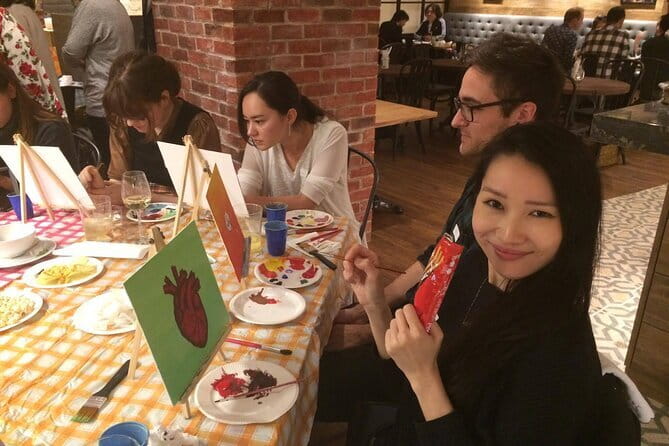
The price is $63.93 per person. That is not the cheapest way to spend an afternoon in Tokyo, but it includes more than a drink and a short craft lesson.
Your fee covers:
- A canvas and painting tools
- Paint and other necessary art supplies
- Apron and gloves
- Two drinks
- Alcoholic or non-alcoholic beverage choices
- Instruction and guidance
- Your finished painting
The value depends on what you want from the activity. If you only want a drink in Shibuya, you can spend far less. If you want a structured creative event with equipment supplied, two drinks, a host, and a souvenir you made yourself, the price is easier to justify.
The inclusion of the canvas is especially useful. You do not need to shop for supplies, carry them through Japan, or worry about buying the wrong materials. You simply arrive and begin. That convenience is a large part of the price.
Food is not included. The details list snacks as an extra, so have a meal beforehand if you tend to get hungry during a three-hour activity. The supplied information does not specify a snack menu or a separate food package, so do not count on the participation fee covering anything to eat.
Two drinks are included, and non-alcoholic choices are available. That makes the event suitable for people who do not drink wine or alcohol. The experience is about painting and conversation first, with drinks adding to the relaxed mood.

Who Will Enjoy This Most
I would recommend this for solo visitors who want a low-pressure social activity. You have something to focus on right away, and the painting gives you an easy way to connect with the people around you.
It also suits couples and friends looking for a change from temples, shopping, and observation decks. You can work side by side, compare your results, and leave with two different souvenirs from the same theme.
Beginners are clearly welcome. The instruction is built around people who may have little or no experience with painting tools, and help is available if you feel stuck. You do not need to know how to draw before booking.
The activity can also work well for anyone practicing English. The group may include locals and people from different countries, and the shared task makes conversation more natural. Your comfort level will vary depending on the group that day, but the format gives you a useful starting point.
Art students or experienced painters should set expectations carefully. This is a friendly social workshop, not an advanced technical course. You will have freedom to choose your technique, but the focus is on enjoying the process rather than receiving intensive art training.
Families with young children should check the booking conditions directly before reserving, since the supplied information does not give an age policy. The same applies if you have particular accessibility needs. The venue is near public transportation, but no detailed accessibility information is provided.
Timing, Group Size, and Getting There
The activity begins at 1:30 p.m. and lasts about three hours. The planned stages are easy to understand:
- 1:30 p.m.: Beginner guidance and the first painting period
- About 2:45 p.m.: Gallery walk, discussion, and viewing other work
- After the gallery walk: Continue painting
- About 3:45 p.m.: Final gallery walk, presentation, group photo, cleanup, and collection of your artwork
The maximum group size is 20 people. That is large enough to offer a mix of personalities, but small enough to keep the session from feeling like a mass event. A smaller group may feel more intimate, while a full group could bring more conversation and a wider range of painting styles.
The meeting point is Lad’s Dining Shibuya, in the basement of Shibuya Plaza Building at 17-11 Udagawacho. Since the address includes a Japanese street format and a basement location, use the exact details from your confirmation and do not rely on simply searching for a similar-sounding bar.
You receive confirmation at booking, and the ticket is mobile, so you do not need to print a voucher. The activity ends where it begins. That makes planning easier if you want to visit another part of Shibuya afterward, though carrying a wet or newly finished canvas may affect your plans.
The Social Side: Art Friends Instead of Small Talk
The strongest part of this experience may be the mix of art and conversation. Painting gives you a quiet focus, while the gallery walks and shared table create openings to talk. You can participate as much or as little as you like.
The atmosphere has been described as kind, cozy, and intimate, with staff willing to help. Candice is frequently singled out for giving useful advice, which suggests that beginners are not left alone with a blank canvas. That matters because the first five minutes can be the hardest part of any creative class.
You may feel nervous when you arrive. That is normal, especially if you are attending alone or have not painted since school. The structure helps: first an explanation, then a group start, then a pause to see other work. You are never expected to perform for an audience.
The social mix is not guaranteed on any particular date, but the format is built for interaction. If you want a silent, private painting lesson, this is not the right choice. If you want to make something while meeting people, it is a strong fit.
Cancellation and Practical Booking Advice
Free cancellation is available if you cancel at least 24 hours before the local start time. Cancellations made less than 24 hours before the experience are not refunded, and changes within that window are not accepted.
Book the activity for a day when you can comfortably spare the full afternoon. The stated schedule is clear, but creative sessions can feel more enjoyable when you are not watching the clock for the next appointment.
Wear something you can relax in. Aprons and gloves are provided, but acrylic paint is still a reason to avoid clothing you would hate to mark. Since snacks are not included, eat before the 1:30 p.m. start or make another food plan.
Should You Book This Shibuya Paint and Wine Session?
Book it if you want a personal souvenir, a gentle social setting, and a seasonal way to connect with Japan. The Sakura theme is especially appealing in March, but the year-round subjects give the experience life beyond cherry-blossom season.
Skip it if you want a major sightseeing landmark, a food-focused activity, or a serious art lesson. You will spend three hours indoors at a bar, and food is not part of the price.
For most people, the best reason to choose it is the combination of guided beginner-friendly painting, two drinks, and a canvas you made yourself. In a city where many souvenirs are mass-produced, that personal touch is worth considering. If you are willing to accept the extra cost and bring your own curiosity, this is a pleasant way to spend an afternoon in Shibuya.
FAQ
Where does the painting experience begin?
It begins at Lad’s Dining Shibuya, located at 17-11 Udagawacho, Shibuya Plaza Building B1F, Tokyo 150-0042, Japan.
What time does the activity start?
The scheduled start time is 1:30 p.m.
How long does the experience last?
The activity lasts approximately three hours and finishes back at the meeting point.
Do I need painting experience?
No. The session is designed for beginners, and instructions on how to paint are provided.
What is included in the price?
The price includes painting tools, a canvas, paint, an apron, gloves, two drinks, instruction, and your finished artwork.
Are non-alcoholic drinks available?
Yes. Two drinks are included, and you can choose non-alcoholic drinks instead of alcoholic beverages.
What is the seasonal painting theme?
The March theme is Sakura. Other scheduled themes include Hatsumode in January, Sky Lantern in February, Tokyo in May, Fireworks in July, Autumn in Kyoto in September, Halloween in October, Snow Monkey in November, and Christmas in December. Themes can change without notice.
More Shibuya Tours in Tokyo


More tours in Tokyo we've reviewed



Shibuya Tours, compared.
 ★ 5.0Official Street Go-Kart in ShibuyaFrom $76
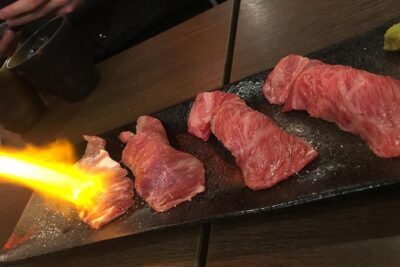 ★ 5.0Shibuya Meltdown Nightlife Tour: All-You-Can-Drink Bar HoppingFrom $106
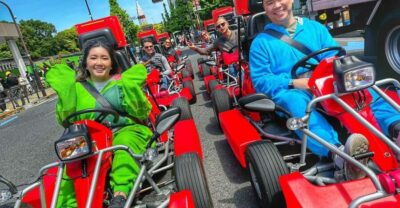 ★ 4.9Tokyo: Street Kart Experience in ShibuyaFrom $99
 ★ 5.0Shibuya Official Street Go-Kart in Shibuya AnnexFrom $69
 ★ 5.0Tokyo: Shibuya Food Tour (13 dishes and 4 Eateries)From $77
 ★ 5.0Best of Shibuya Food TourFrom $217