Reviewed · IMPERIAL PALACE & SHOGUN TOURS
Private Tour – History, Art and Nature at the Imperial Palace
Tokyo’s Imperial Palace is more than a palace gate and a photo stop. This private tour links Edo Castle ruins, Japanese gardens, modern art, and Chidorigafuchi’s moat into one well-paced half-day outing. Guides such as Keiko, Yumi, Fumi, Sonoko, and Jinnosan have led this experience, and the private format lets your guide adjust the day to your interests.
In This Article
- Key things to know before you book
- Why this private Imperial Palace route works
- Tokyo Station: a strong place to begin
- Wadakura Fountain Park and the palace approach
- East Gardens and Edo Castle ruins
- National Museum of Modern Art, Tokyo
- Lunch at Café 33 in Kitanomaru Park
- Kitanomaru Park: Tokyo’s quieter side
- Chidorigafuchi and the walk to Hanzomon
- Walking, weather, and route changes
- What the guide adds
- Price, extra costs, and overall value
- Who should book this tour?
- FAQ
- How long does the Imperial Palace tour last?
- Where does the tour begin?
- Where does the tour end?
- Is this a private tour?
- Are admission fees and lunch included?
- How much walking is involved?
- Can the route change?
- Should you book it?
I like the one-to-one attention and the mix of old and new. You get imperial history, a museum visit, lunch in Kitanomaru Park, and open green space without having to plan the route yourself. The main catch is that the tour involves a lot of walking, and palace gardens can close on holidays or change with bad weather, so the exact route is not guaranteed.
Key things to know before you book

- Private guiding from Tokyo Station: Begin at the Marunouchi station square, with time to see Tokyo Station’s grand red-brick facade.
- Imperial Palace gardens and Edo Castle remains: The East Gardens offer seasonal plants alongside stone walls, foundations, and other traces of the former castle.
- A 40-minute museum stop: The National Museum of Modern Art, Tokyo displays Japanese and overseas art from around the 20th century. Admission is extra.
- Lunch at Café 33: Plan on about 1,000 yen for food, with ingredients from Tokyo and the Tohoku area used in the menu.
- A scenic finish: Kitanomaru Park and Chidorigafuchi add lawns, trees, and moat views to a history-focused day.
- A guide who can adapt: Past guide names include Yumi, Fumi, Sonoko, Jinnosan, and Keiko. The private setup makes it easier to adjust the pace or emphasis.
Why this private Imperial Palace route works

I like this tour because it gives you a clear story of central Tokyo without treating the Imperial Palace as one isolated sight. You start with the modern city at Tokyo Station, move into the former castle grounds, pause for art and lunch, then finish beside lawns and a broad moat.
That progression matters. Tokyo can feel like a city of disconnected neighborhoods, especially on a first visit. Here, your guide helps connect the old political center of Edo with the modern capital around it. You are not simply collecting photographs. You are moving through several layers of the city in one outing.
The private format is the biggest practical advantage. Your guide’s attention is reserved for your group, so you can ask about imperial life, Japanese gardens, architecture, art, or directions for the rest of your stay. One guide even helped with onward directions after the tour, which is useful when you are still finding your way around Tokyo.
The tradeoff is price. The tour costs $90.60 per person, then adds an estimated 1,500 yen per person for admission and food. Transportation is listed at zero yen, but any transport or purchases you make at the stops are your responsibility. For one person or a couple, that is not a budget outing. For a family or small group, group discounts may improve the value, especially since you are paying for a private guide rather than joining a large group.
A few more Tokyo tours and experiences worth a look

Tokyo Station: a strong place to begin
The meeting point is Tokyo Station Marunouchi Ekimae Hiroba, outside the central exit. Allow enough time to find the correct exit in this large station complex. The tour gives you about 15 minutes in the square to view the station building from the front.
This opening stop is short, but it sets up the rest of the morning. Tokyo Station represents the modern capital, while the palace grounds across the road occupy the site of the old Tokugawa castle. Your guide can provide context before you head toward the Imperial Palace.
I appreciate starting here rather than meeting at an obscure side street. Tokyo Station is easy to connect with by public transportation, and the station square gives you a clear landmark. Still, it is wise to arrive early. A late start can cut into garden or museum time, and the station itself can be confusing if you are unfamiliar with it.
Wadakura Fountain Park and the palace approach

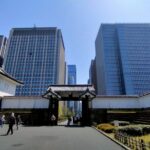
Wadakura Fountain Park sits inside the Imperial Palace grounds and takes about 10 minutes to visit. The fountains were built to commemorate the marriage of the Emperor Emeritus and Empress Emerita, with later remodeling connected to another imperial marriage.
This is a calm first look at the palace area. The fountains add a modern ceremonial note before the tour turns toward older castle remains. I would not expect a long stop here. Its value comes from the explanation and from seeing how the grounds continue to serve present-day imperial life.
The park also gives your guide a natural place to explain the layout of the area. Since the tour includes several separate sites, that orientation helps you understand where you are rather than simply following a route.
East Gardens and Edo Castle ruins

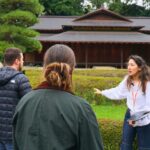
The East Gardens of the Imperial Palace are the historical center of the tour. You spend about 30 minutes here, walking through a Japanese garden shaped by seasonal changes and viewing remains of the former Edo Castle.
The contrast is the point. Trees, plants, and garden paths soften a site that once represented military power and political control. Stone foundations and castle ruins make the past visible, while the garden keeps the setting peaceful. A guide can help you read those layers, especially if you are not familiar with the history of Edo, the former name of Tokyo.
The scheduled time is enough for an introduction, but it is not a slow garden study. If you like Japanese gardens and want to stop often for photographs, you may wish the visit were longer. The private format helps because your guide can respond to your pace, but the day still has a fixed museum, café, and walking route.
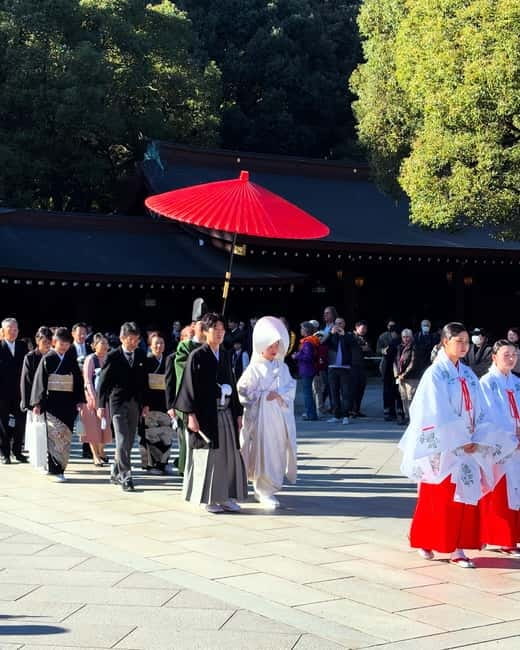
Access is also important. The exact palace route can change. One poor experience occurred when the Imperial Palace garden was closed for a holiday and the group was redirected to Meiji Shrine, which was crowded that day. Another guide found a way to visit the West Garden for a guest who particularly wanted to see it. These details point to a simple rule: confirm the opening situation when you book, and keep an open mind about substitutions.
National Museum of Modern Art, Tokyo

The National Museum of Modern Art, Tokyo receives about 40 minutes. It was Japan’s first national art museum and displays Japanese and overseas works from around the 20th century.
This stop broadens the tour. After castle walls and imperial gardens, you get a look at how Japan’s artists responded to the modern period. The museum gives the day an indoor break, which can be welcome in hot, cold, or wet weather, although bad weather may also lead to route changes.
Admission is not included. The listed estimate is 500 yen per person, so budget for that on top of the tour price. Forty minutes is enough to see selected works, but not enough for a careful visit to every gallery. If modern art is a major reason for your trip, you may prefer to return on your own for more time. If you mainly want a sample of Japanese art within a broader day, the stop is well judged.
One practical point deserves attention: not every person will value this stop equally. A guide can explain the museum and its place in Tokyo’s cultural life, but you should book this tour for the full combination of history, art, and nature, not for a dedicated museum visit alone.
Other private tours in Tokyo



Lunch at Café 33 in Kitanomaru Park

The itinerary allows about 40 minutes at Café 33. The café is in Kitanomaru Park, where you can eat while surrounded by the park’s greenery. The menu uses local ingredients from Tokyo and the Tohoku area.
The meal is not included, and the estimated food cost is 1,000 yen per person. That estimate is useful, but treat it as a guide rather than a fixed menu price. You pay for food and drinks yourself.
I like having lunch built into the route. It gives your feet a break and prevents the tour from becoming four and a half hours of continuous walking. It also keeps the day local and simple instead of sending you away from the palace area in search of a restaurant.
The timing can feel tight if you want a leisurely meal. Forty minutes has to cover ordering, eating, and regrouping. If you need a long lunch or have dietary concerns, ask your guide about the plan at the start. The private format may allow some flexibility, but the schedule still includes two more outdoor stops.
Kitanomaru Park: Tokyo’s quieter side

After lunch, you spend about 20 minutes in Kitanomaru Park. Its open lawn and varied trees create a softer, less formal view of the Imperial Palace area. The park supports a range of plant life and provides a broad contrast with the dense streets around Tokyo Station.
This is where I find the tour’s nature element most convincing. The park is not presented as a distant escape from Tokyo. It shows how much open ground remains in the center of the capital. You get room to breathe, seasonal color, and a chance to slow down after the museum.
The time is brief, but the stop works well as a transition to Chidorigafuchi. During cherry blossom season, your guide may know particularly good places for views. One guide took a group to special spots at the start of the season, which is exactly the kind of local judgment a private tour can provide. Seasonal conditions vary, so you should not book the tour expecting a particular bloom date.
Chidorigafuchi and the walk to Hanzomon

The final listed stop is Chidorigafuchi, a 20-minute walk along one of Tokyo’s most scenic stretches. The moat, trees, and remaining natural space offer a strong closing view of the Imperial Palace district.
This is a good finish because it is less about formal explanation and more about seeing the city from an attractive public path. Have your camera ready, but keep your attention on the walk too. The route is part of the experience.
The tour ends at Tokyo Metro Hanzomon Station, around 1-chome-6 Kojimachi. That is convenient if you want to continue by subway, though it is not the same place where you started. Your guide can help with directions, and the private arrangement is especially useful if you want advice on reaching another sight afterward.
Walking, weather, and route changes
You should wear comfortable shoes. The tour lasts about four and a half hours, includes gardens, parks, museum halls, and city walking, and does not provide a private vehicle. Transportation costs are listed as zero because the route itself does not include a paid transfer, but you remain responsible for any transportation you choose or need.
Weather can affect the experience. If conditions are poor, destinations and routes may change. That matters most because several of the tour’s best moments are outdoors. A rain jacket, water, and sensible shoes will help, but no preparation can guarantee that every garden or viewpoint will be open.
Holiday closures also deserve attention. The Imperial Palace gardens are not available every day, and a substitution may be much less pleasant if another major sight is crowded. Ask about the planned route before the tour begins, especially if a particular palace garden is your main reason for booking.
What the guide adds
The guide is the reason to choose this tour over a self-guided walk. You can see the East Gardens and Chidorigafuchi without paying for a private escort, but it takes more planning to connect Tokyo Station, the palace grounds, the museum, lunch, and the final station.
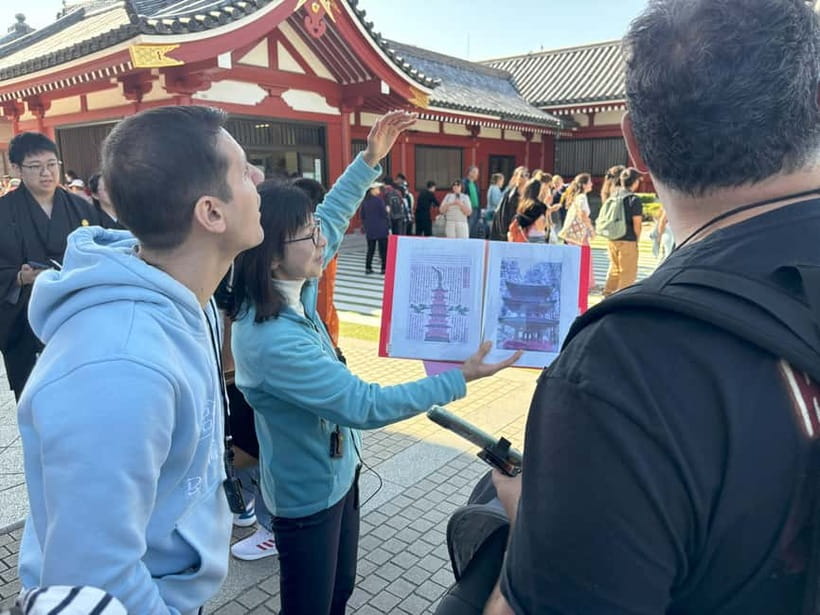
The strongest guide feedback centers on clear English, history explanations, kindness, patience, and flexibility. Keiko gave detailed background at Tokyo Station and the palace before leading the group to lunch and the museum. Yumi was praised for a broad explanation of imperial life. Fumi helped with directions after the tour, while Sonoko and Jinnosan adjusted the route around personal interests.
Guide quality can vary from person to person, as it does on any human-led tour. One guide was handling a first tour but still received praise for helpful English and good preparation. The private arrangement gives you a better chance to ask questions and shape the experience, but you should still tell the guide what matters most: castle remains, gardens, art, imperial history, photography, or food.
Price, extra costs, and overall value
At $90.60 per person, this is a mid-range private city tour rather than a low-cost walking tour. Add the listed 500 yen museum admission and roughly 1,000 yen for lunch. Drinks, other food, and any transportation you incur are extra.
I think the price makes the most sense for first-time visitors who want a guided introduction to central Tokyo. You are paying for route planning, four and a half hours of private attention, live commentary, and the ability to adjust the day. The value is weaker if you already know the Imperial Palace area, want a long museum visit, or prefer to explore at your own pace.
Group discounts may help. Since only your group participates, families and friends can share the private guide cost. Solo visitors should compare the price with a group walking tour or a self-guided visit.
Free cancellation is available up to 24 hours before the start time. Changes or cancellations inside that window are not accepted for a refund, so check your plans before the deadline.
Who should book this tour?
I would choose this experience if you want a thoughtful first look at the Imperial Palace area and prefer a guide to handle the route. It suits couples, families, and small groups who enjoy a mix of history, art, gardens, lunch, and city views.
It is also a good fit if you want to ask many questions or need help understanding Tokyo’s geography. The tour begins at a major station and ends at another subway station, giving you a useful orientation for the rest of your visit.
I would hesitate if you have limited walking ability, need a slow lunch, or mainly want to see one specific palace garden. Closures and weather can change the route, and the museum stop may feel short for serious art fans. If you accept those limits, the combination is strong.
FAQ
How long does the Imperial Palace tour last?
The tour lasts approximately 4 hours and 30 minutes.
Where does the tour begin?
It begins at Tokyo Station Marunouchi Ekimae Hiroba, at 1 Chome-9 Marunouchi, Chiyoda City, Tokyo 100-0005. The meeting area is near the station’s central exit.
Where does the tour end?
The tour ends at Tokyo Metro Hanzomon Station in Kojimachi, Chiyoda City.
Is this a private tour?
Yes. Only your group participates in the activity, and the tour includes a private guide.
Are admission fees and lunch included?
No. The estimated additional cost is 1,500 yen per person, including about 500 yen for admission and 1,000 yen for food. You also pay for drinks and any other purchases.
How much walking is involved?
There is a lot of walking through the station area, palace grounds, museum, parks, and Chidorigafuchi. Comfortable shoes are recommended.
Can the route change?
Yes. Bad weather may cause the destinations or route to change, and palace gardens may be closed on holidays. In those cases, the guide may arrange a different route or substitute destination.
Should you book it?
Book this tour if you want private attention and a broad introduction to central Tokyo rather than a single palace visit. The best parts are the connection between Edo Castle ruins and modern Tokyo, the quiet park sections, and the guide’s ability to explain the setting and adjust the day.
Skip it if you want a cheap, leisurely walk or a full museum day. For everyone else, the price is reasonable when shared by a small group, and the route gives you a useful first taste of Tokyo’s imperial past, public gardens, art, and everyday city life.
More Historical Tours in Tokyo


More Private Tours in Tokyo
More Imperial Palace & Shogun Tours in Tokyo
More tours in Tokyo we've reviewed












Imperial Palace & Shogun Tours, compared.
 ★ 4.9Tokyo: Imperial Palace Japanese History Walking TourFrom $32
 ★ 4.9Tokyo: Imperial Palace and Shogun Walking TourFrom $162 hours
 ★ 5.0Imperial Palace East Garden and Edo Castle Walking Tour in TokyoFrom $25
 ★ 4.8Tokyo: Imperial Palace East Gardens Walking TourFrom $192h 30m
 ★ 4.5Tokyo: Imperial Palace, Sensō-ji Temple, & Tokyo Tower TourFrom $404 hours
 ★ 5.0Tokyo Castle, Imperial Palace, Shogun & Garden Walking TourFrom $31