Reviewed · PRIVATE
Tokyo Countryside Exploration Private Tour
Tokyo’s best surprise may be how quickly the city gives way to quiet mountain roads and rural Japan. This private day tour takes you into Saitama for bamboo temples, old shrines, waterfalls, forested hills, and places most first-time visitors never reach.
In This Article
- Key points at a glance
- From Tokyo traffic to the Hanno mountains
- The bamboo temple in Hanno
- Koma Shrine and Japan’s Korean connections
- Ne-no-gongen and the mountain view
- Ogose, waterfalls, and the Dragon Taming Temple
- The Torii Pagoda and the Xuanzang story
- Arima Dam and the My Neighbor Totoro connection
- What the private format is worth
- Who will enjoy this day most
- Practical details before you book
- Should you book the Tokyo countryside tour?
- FAQ
- How long does the Tokyo Countryside Exploration Private Tour last?
- How many people can join the private tour?
- Is pickup available?
- What areas does the tour visit?
- Are admission tickets included?
- Is the tour suitable for most people?
- What happens if bad weather cancels the tour?
- What is the cancellation policy?
I like the small maximum of five, which gives the day a personal feel, and I like that guide Jeremy Owen drives and explains the culture, legends, and local history along the way. The main consideration is the long driving day: some stops are brief, and mountain weather can affect the schedule.
Key points at a glance
- A private group of up to five: You get a flexible day with Jeremy Owen and, on some tours, Julian rather than a large coach party.
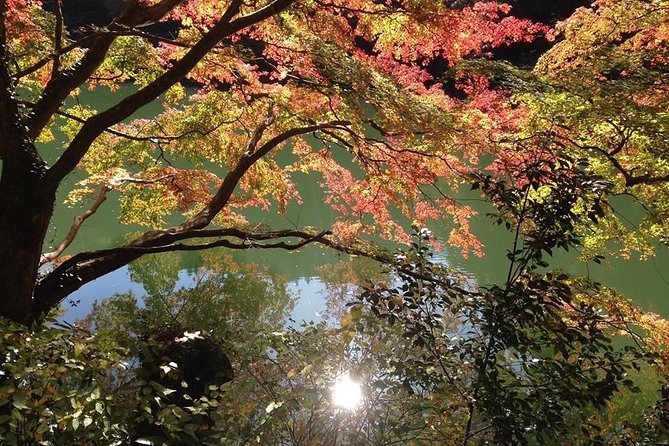
- A sharp change from Tokyo: Mountain roads, fresh air, temples, shrines, and waterfalls replace city traffic and tall buildings.
- Unusual religious sites: The route includes a bamboo temple linked to Gozu, Koma Shrine, Ne-no-gongen, and the Torii Pagoda.
- Local stories add character: You’ll hear about Korean kings, healthy legs and backs, Xuanzang, and a monk said to communicate with carp.
- A full 8 to 9 hours: This is a substantial day trip, not a quick half-day escape.
- A weather-sensitive outing: You can cancel free up to 24 hours before departure, while poor weather may lead to a new date or full refund.
From Tokyo traffic to the Hanno mountains
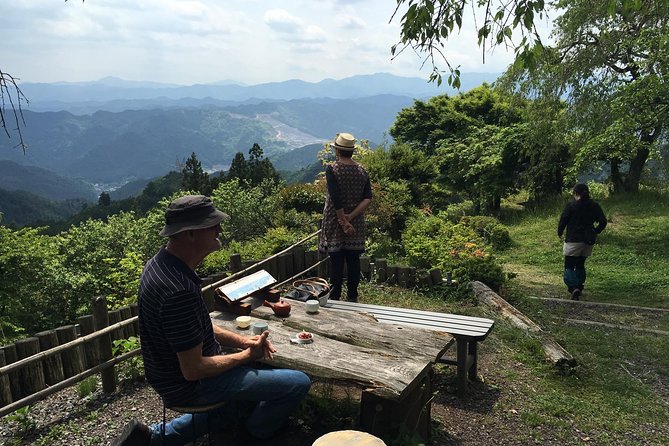
The appeal here is not one famous sight. It is the change of pace. You leave Tokyo and spend the day moving through the countryside around Hanno, Ogose, and other parts of Saitama, with the guide pointing out temples, shrines, mountain views, and local stories that are easy to miss on your own.
The day lasts about 8 to 9 hours, so you should think of it as a full outing rather than a short break between Tokyo attractions. Pickup is offered, and the private format means your group alone takes part. With a maximum of five people, you have a much better chance to ask questions, talk with the guide, or adjust the pace than you would on a standard bus trip.
Jeremy Owen is central to the experience. He is both guide and driver, and the strongest praise focuses on his easy conversation, broad knowledge of Japan, and ability to keep the day interesting. Julian also appears on some outings and helps explain the culture and places you visit. One particularly useful sign is that a 15-year-old stayed engaged for the entire day, which suggests the tour is not limited to temple enthusiasts.
Do confirm the pickup time carefully. One booking had the scheduled 9:00 AM pickup moved earlier after a call from Jeremy, with an apology afterward for the inconvenience. That does not define the tour, but it is a good reminder to keep your phone available and clarify the final meeting time.
Other private tours in Tokyo

The bamboo temple in Hanno
The first stop takes you into the mountains around Hanno, where a bamboo temple provides the day’s most atmospheric opening. The setting is more important than grandeur. You are there for the combination of bamboo, forest, old Buddhist buildings, and the sense that city life is far away.
The temple is dedicated to Gozu, described as a Buddhist king with the head of a cow and the body of a man. That unusual image gives the site a different flavor from the better-known temples in central Tokyo or Kyoto. You are not simply looking at another wooden hall. You are hearing a religious story that may be unfamiliar even if you have already visited several major Japanese temples.
The listed visit lasts about 40 minutes, with no separate admission charge. That is enough time to walk through the complex, look at the surrounding plant life, and listen to the explanation without turning the stop into a long hike.
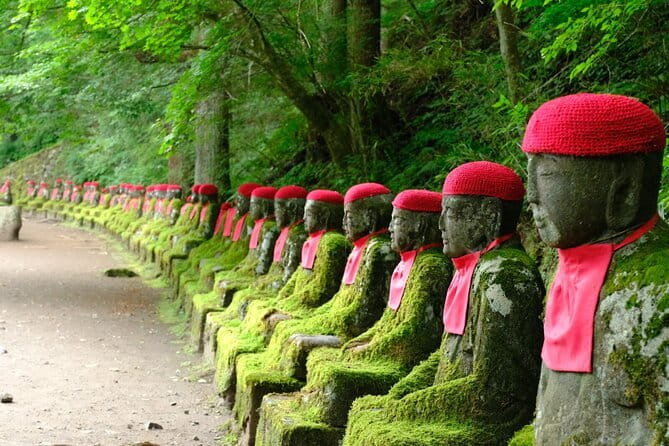
Wild deer and monkeys are associated with the temple grounds. They are described as timid, so do not expect a wildlife encounter on demand. You might spot them watching from a distance, but the bamboo setting and quiet mountain air are the dependable attractions.
Koma Shrine and Japan’s Korean connections
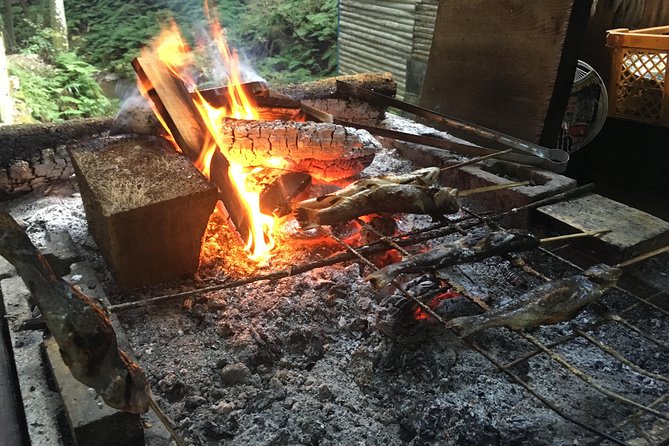
The next stop is Koma Shrine in Saitama, also scheduled for around 40 minutes. The shrine is connected with Korean kings of the Tang Dynasty, giving the visit a useful reminder that Japanese history has never developed in isolation.
This is one of the tour’s strengths. Instead of presenting Japan as a sealed-off culture, the route brings up movement, contact, and religious connections across East Asia. A good guide can make a modest shrine feel meaningful by explaining why it exists and how its story fits into the wider region.
Admission is free. You should expect a cultural stop rather than a major attraction with extensive visitor facilities. If you want famous architecture, large gardens, or a long list of museum displays, this will feel small. If you enjoy places where the story matters as much as the size, it earns its place on the route.
Ne-no-gongen and the mountain view
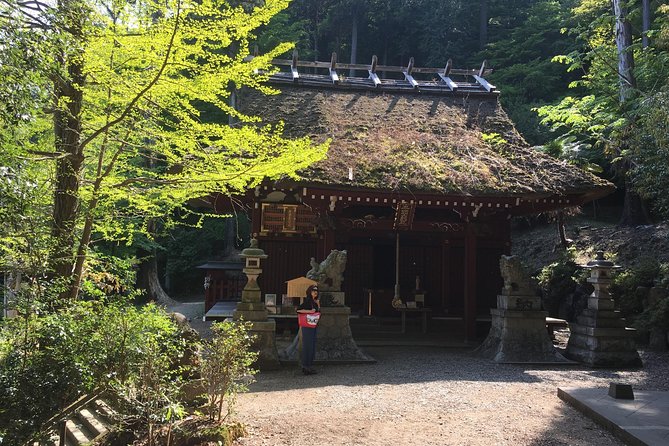
Ne-no-gongen is another mountain shrine, reached after the bamboo temple. It is associated with prayers for healthy legs and backs, a fitting theme for a route that takes you away from flat city streets and into the hills.
The shrine sits high in the mountains and offers beautiful views for hikers. The schedule allows about 40 minutes, but the exact experience will depend on how much walking your group wants to do and what the weather permits. The provided information does not promise a major hike, so you should not book this expecting a full-day trek.
I like the practical nature of this stop. Many Japanese religious sites are tied to specific hopes and needs, and praying for strong legs and a healthy back feels direct and human. It also gives the guide an opening to discuss how shrines remain part of everyday life, not just places visited for architecture.
The mountain position is also a reminder to wear sensible shoes. Even when the walking is modest, temple and shrine paths can be less comfortable than Tokyo sidewalks. The tour is suitable for most people, but anyone with mobility concerns should ask for more detail before booking.
Ogose, waterfalls, and the Dragon Taming Temple
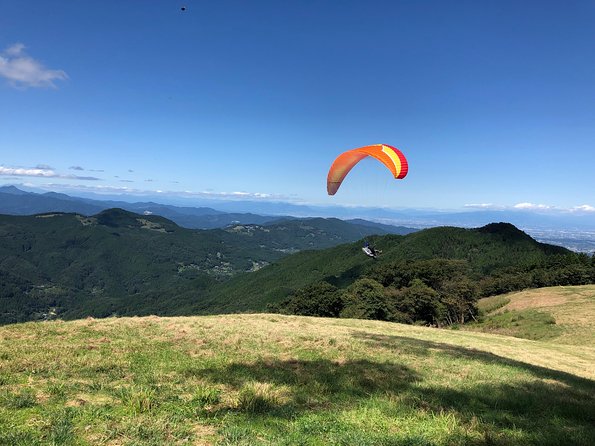
Around Ogose-machi, the tour broadens into a look at rural Saitama. You will see mountains, temples, shrines, and waterfalls, with about 30 minutes assigned to the stop described as the Dragon Taming Temple.
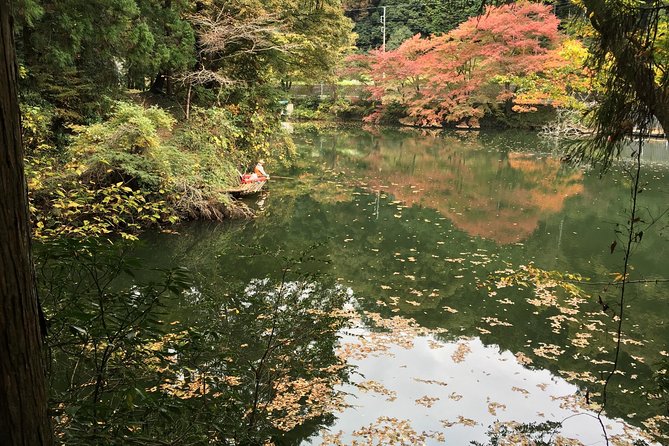
The temple has one of the day’s more unusual stories. A monk is said to have telepathy with the carp in a pond beside the temple. Take this as local religious lore and part of the place’s personality, not as a scientific demonstration. It is exactly the sort of small, memorable detail that can make an out-of-the-way stop stick in your mind.
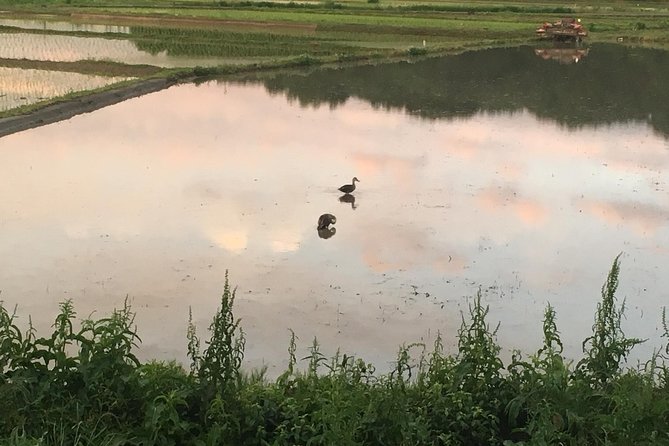
This portion of the day is less about ticking off a grand monument and more about seeing how rural Japan is arranged. A waterfall, a pond, a mountain temple, and a small shrine can all belong to the same afternoon. You get a glimpse of a slower setting where the points of interest are spread out rather than packed into a central district.
The short scheduled stop may feel rushed if you want long walks or detailed photography. On the other hand, it helps the tour cover several different settings in one day. If you prefer sitting quietly in one temple for an hour, this route may move too quickly.


The Torii Pagoda and the Xuanzang story
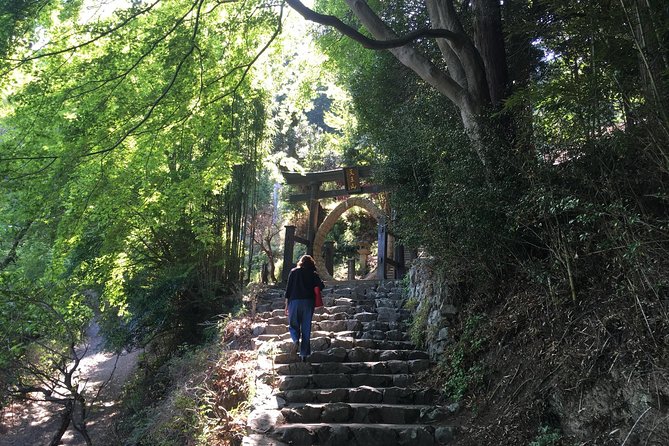
The Torii Pagoda is another mountain site, with about 40 minutes to look around. Its story reaches beyond Japan: it once held the bones of Xuanzang, the Chinese monk who traveled to India during the Tang period.
That connection gives the route an international dimension. You are not only seeing remote Japanese religious sites. You are also following stories that link Japan with China and India through Buddhism, pilgrimage, and sacred objects.
The name Torii Pagoda suggests an unusual mix of familiar Japanese shrine imagery and Buddhist structure. The stop is likely to appeal most to you if you enjoy religious art, legends, and the movement of ideas across Asia. It may be less satisfying if your priority is a famous landmark with extensive interpretation in English.
Again, the value comes from having Jeremy explain what you are seeing. Without context, an isolated pagoda in the woods might be attractive but puzzling. With the story of Xuanzang, the site becomes part of a much larger cultural route.
Arima Dam and the My Neighbor Totoro connection
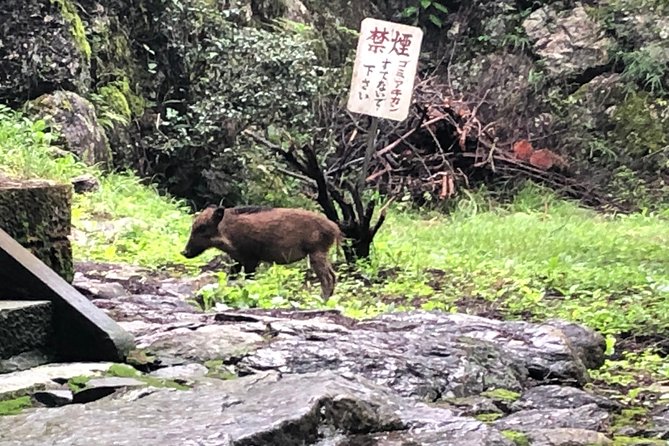
The tour also drives past Arima Dam. It is described as the inspiration or roots of the setting connected with the Ghibli film My Neighbor Totoro.
This is a drive-by rather than a formal stop, so keep your expectations in check. You may get views from the road, but the schedule does not promise time to walk around the dam or take a long break there. Still, it adds a playful pop-culture note to a day otherwise built around temples, shrines, and rural traditions.
If you enjoy Studio Ghibli, this connection may be a highlight even without a long visit. If you do not know the film, it remains part of the scenery and the guide’s wider explanation of the area.
What the private format is worth
The price is $280.94 per person. That is a serious cost, especially for a solo visitor, but the value changes depending on the size of your group. You are paying for a full 8 to 9-hour private outing, pickup, driving through the countryside, and personal guiding rather than simply paying admission to a set of attractions.
For five people, the per-person price buys a tailored day with a small group. For two people, it becomes a much more expensive alternative to public transportation and independent sightseeing. Yet getting between scattered mountain temples and rural sites on your own would require careful planning, multiple transport connections, and a willingness to navigate places that may have limited English information.
I would compare the cost with what a private car, driver, and guide would cost for a full day, not with the price of a train ticket. The tour makes the most financial sense for families, couples, or friends who value convenience and interpretation. It is harder to justify if you are comfortable planning rural Saitama by public transportation and do not need a guide.
The private setup also helps with conversation. Jeremy’s stories and explanations are repeatedly praised, and his background exploring lesser-known places by motorcycle appears to shape the route. That gives the day a sense of discovery, even though you are not being asked to hike from one remote location to another.
Who will enjoy this day most
I would recommend this experience to you if you have already seen central Tokyo’s main sights and want a very different side of the region. It suits people who like mountain roads, temples, shrines, local legends, and quiet scenery more than shopping districts or major museums.
Families can benefit from the private format, since the guide can keep the day conversational and adjust attention between adults and children. The positive experience with a teenager suggests that the stories and variety help hold younger attention.
It also suits repeat visitors who want to get beyond the standard Tokyo checklist. The route is built around places few international visitors see, and the guide has been developing other rural routes as well.
You may want to skip it if you dislike long car journeys, need a fixed timetable, or want every stop to be a major landmark. The itinerary includes several 30 to 40-minute visits, and the drive between them is part of the experience. This is countryside exploration, not a tightly packed museum tour.
Practical details before you book
The tour offers mobile tickets and pickup. It is near public transportation, service animals are allowed, and most people can participate. Since the activity is private, only your group takes part.
The tour requires good weather. If poor weather causes cancellation, you will be offered another date or a full refund. You can also cancel for a full refund up to 24 hours before the start time. Changes or cancellations inside that 24-hour window are not accepted, so pay attention to local time and keep your plans firm.
Bring shoes suitable for temple and shrine paths, and dress for changing mountain conditions. The supplied details do not list meals, so do not assume food is included. The day’s focus is sightseeing, driving, and conversation.
Should you book the Tokyo countryside tour?
Book it if you want a personal, story-filled day away from Tokyo and are happy to trade famous sights for remote temples, mountain views, waterfalls, and unusual religious traditions. Jeremy’s role as guide and driver is a major part of the value, especially when a site needs explanation to come alive.
Think twice if you are watching every yen, dislike driving, or want long, unhurried time at each stop. For the right group, though, this is a memorable way to see rural Japan without having to build a complicated itinerary from scratch. I would especially choose it for a second Tokyo visit, a family day, or a small group that wants a quieter and more personal side of Japan.
FAQ
How long does the Tokyo Countryside Exploration Private Tour last?
The tour lasts approximately 8 to 9 hours.
How many people can join the private tour?
The group maximum is five people, and only your own group participates.
Is pickup available?
Yes, pickup is offered.
What areas does the tour visit?
The route includes Hanno, Koma Shrine in Saitama Prefecture, Ne-no-gongen, Ogose-machi, other rural parts of Saitama, and a drive past Arima Dam.
Are admission tickets included?
The listed admission charge for each scheduled stop is free.
Is the tour suitable for most people?
Yes, most people can participate. Service animals are also allowed.
What happens if bad weather cancels the tour?
You will be offered a different date or a full refund if the experience is canceled because of poor weather.
What is the cancellation policy?
You can cancel up to 24 hours before the start time for a full refund. Cancellations or changes made less than 24 hours before the start time are not accepted and will not be refunded.
More Private Tours in Tokyo


More tours in Tokyo we've reviewed












Private, compared.
 ★ 5.0Tokyo 6hr Private Tour with Government-Licensed GuideFrom $155
 ★ 5.0Private Tour to Mt. Fuji and Hakone (Fully Licenced Operator)From $497
 ★ 5.0Tokyo Customized Private Tour (Must See Places in 1 Day)From $145
 ★ 4.8Tokyo: Private City Highlights Tour with Local GuideFrom $1064 - 8 hours
 ★ 5.0Private Custom Tour: Tokyo in a DayFrom $159
 ★ 5.0Tokyo 4hr Private Tour with Government-Licensed GuideFrom $109