Reviewed · MT FUJI DAY TRIPS
Mt. Fuji & Hakone: Fuji Sengen Shrine, Cruise, and Ramen-Making
The most unusual part of this Mt. Fuji day trip is lunch: you make ramen from scratch, choosing the soup, seasonings, toppings, and noodle firmness before eating what you created. Add a boat ride on Lake Ashi, clear spring ponds, and a famous pagoda view, and you get a lot of Japan in one long day.
In This Article
- Key points to know before booking
- What this Mt. Fuji and Hakone tour is really like
- Starting in Shinjuku at 7:40 a.m.
- Lake Ashi and the Hakone Pirate Ship
- Ramen Factory: the best hands-on stop
- Arakura Fuji Sengen Shrine and the 398-step choice
- Oshino Hakkai and Mt. Fuji spring water
- Weather, traffic, and the Mt. Fuji gamble
- Is $128.69 good value?
- Who should book this day trip?
- Should you book it?
- FAQ
- How long does the tour last?
- Where does the tour begin?
- Is hotel pickup included?
- Is the ramen lunch included?
- Can vegetarian, halal, or vegan meals be arranged?
- What happens if the Lake Ashi cruise is canceled?
- How difficult is the walk to Churei-to Pagoda?
- Can I cancel for a full refund?
I like the simple convenience of round-trip bus transport from Shinjuku, especially when Tokyo trains and highway connections can turn a day outside the city into a puzzle. I also like the range of stops. Lake Ashi gives you open scenery, ramen-making adds a hands-on cultural activity, and Oshino Hakkai offers a quieter village setting.
The main catch is the schedule. You may spend two hours or more on the road each way, and Mt. Fuji visibility depends entirely on weather. Traffic, rain, or a suspended cruise can change the plan, and the bus leaves on time, so finding the meeting point is your first important task.
Key points to know before booking
- Make your own ramen for lunch: Choose the broth, toppings, seasonings, and noodle texture, then boil and eat your noodles.
- See Lake Ashi from the water: The 25-minute Hakone Pirate Ship ride offers a different angle on Mt. Fuji, weather permitting.
- Climb to Churei-to Pagoda: Arakura Fuji Sengen Shrine requires either 398 steps or a gentler sloping route.
- Expect a very full day: The tour lasts about 11 to 12 hours, with several hours spent traveling by road.
- Plan for changing conditions: Rain, traffic, and cruise suspensions can alter the route without a refund for the boat portion.
- Arrive early in Shinjuku: The meeting point is about a seven-minute walk from JR Shinjuku Station, but the area can be confusing.
What this Mt. Fuji and Hakone tour is really like
This is a sightseeing sampler, not a slow rural retreat. In one day, you move between Hakone, the Fuji Five Lakes area, a shrine town, a food workshop, and a spring-water village.
That variety is the reason to book it. If you have only a few days in Tokyo and want to see Mt. Fuji without planning several train and bus connections, this tour takes care of the broad logistics. You can sit back on an air-conditioned coach, use the free Wi-Fi, and let the guide handle the sequence of stops.
The tradeoff is pace. Each place gets enough time for a taste, but not enough for a long walk or unhurried meal. You should see this as a convenient introduction to the region rather than a detailed visit to Hakone or the Fuji area.
The group can reach up to 42 people. That is a fairly large coach group, though some departures may feel smaller. Guides named in the feedback include Yoko, Mami, Hiro, and Kaori. The strongest guide experiences describe warm, helpful hosts who share information during the drive and manage changes calmly.
Guide quality may vary from one departure to another. One experience was criticized for limited explanations and disorganized English, so you should not book this mainly as a lecture on Japanese history. The tour works best when you value transport, scenery, and a well-planned route.
A few more Tokyo tours and experiences worth a look
Starting in Shinjuku at 7:40 a.m.
The official meeting point is the Shinjuku Center Building at 1-chōme-25 Nishishinjuku. It is about a seven-minute walk from JR Shinjuku Station, but that description deserves respect. Shinjuku Station is enormous, and a seven-minute walk can become much longer if you leave through the wrong exit.
I would arrive well before 7:40 a.m. and allow extra time to identify the guide and bus. The bus will leave as scheduled and will not wait for late arrivals. A past meeting-point problem involved people walking around the block asking different tour buses for help, so do not treat this as a casual meet-up.
You do not get hotel pickup. The tour ends back at the same meeting point in Shinjuku, usually after a long day on the road. That is useful if you are staying near the station, but less convenient if your evening plans are on the other side of Tokyo.
Lake Ashi and the Hakone Pirate Ship
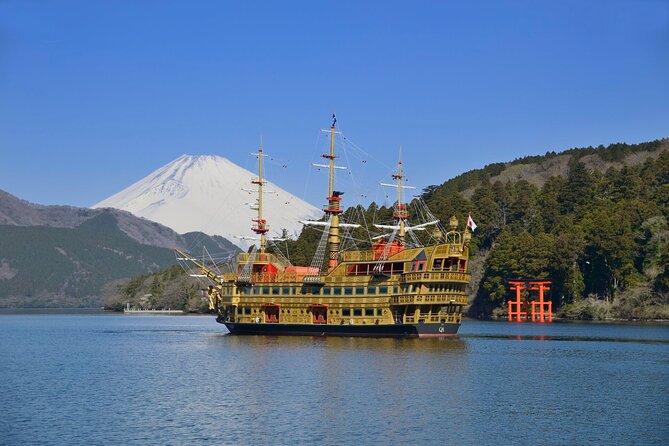
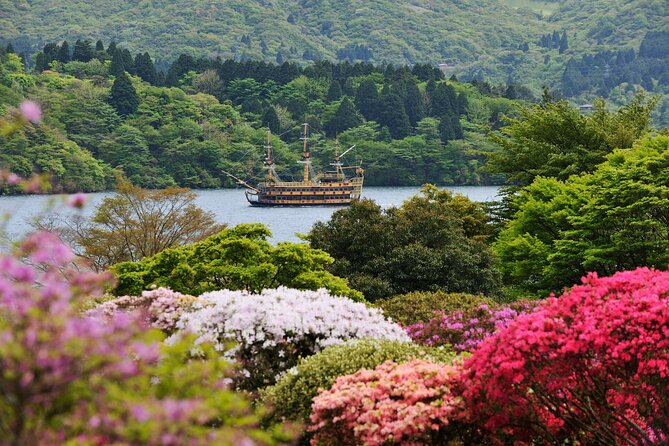
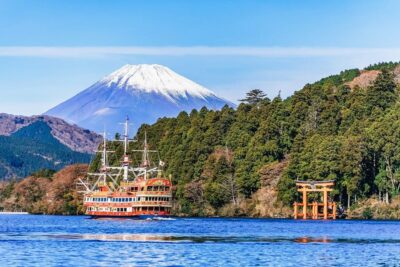
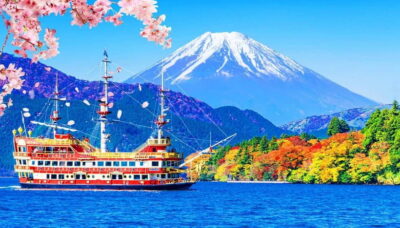
The first major stop is Lake Ashi, where you board the Hakone Pirate Ship for about 25 minutes. The boat ride is short, but it breaks up the drive and gives you open views of the water, wooded slopes, and surrounding scenery.
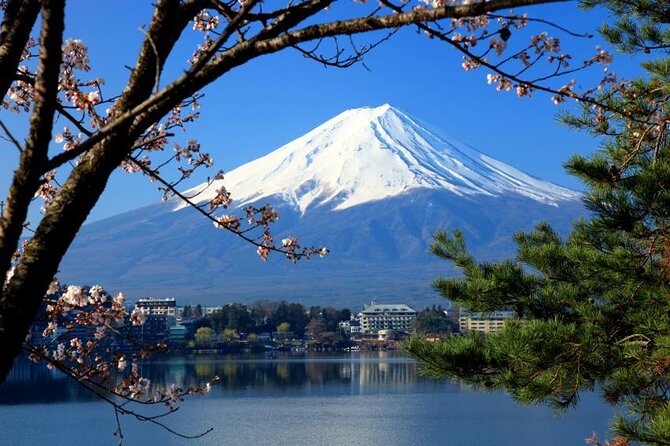
On a clear day, Lake Ashi is one of the better places on this route to photograph Mt. Fuji from a distance. Seasonal color adds appeal too, with greenery in warmer months and cherry blossoms in spring. Clouds can cover the mountain completely, though, so keep your expectations sensible.
This is a sightseeing cruise, not a long lake excursion. You will have time for photographs and fresh air, but not an extended exploration of Hakone. The boat boarding ticket is included only when the selected tour option includes the cruise, so check the exact package before paying.
Weather and operating conditions matter here. The cruise can be suspended because of bad weather, traffic conditions, or other service problems. In that situation, the operator provides an alternative facility, but no refund is given for the missed boat. One rainy-day outing lost the cruise, which made the price feel less attractive to the person who booked it.
Ramen Factory: the best hands-on stop
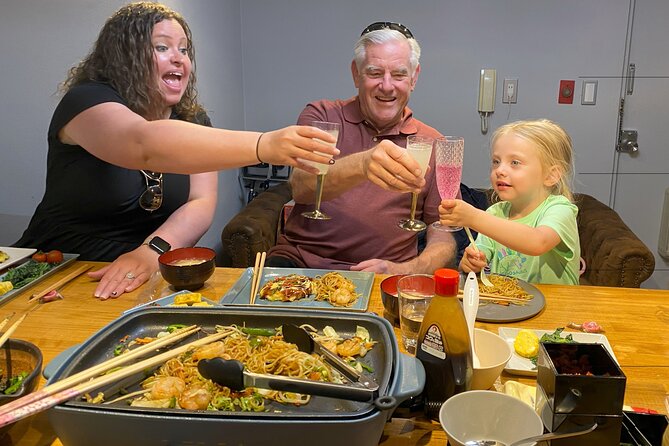
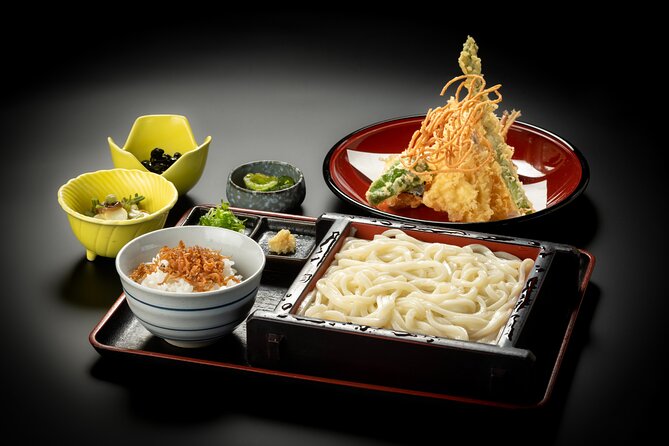
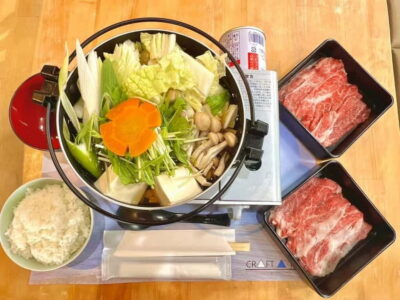
The ramen-making session in the Fuji area is the tour’s most distinctive feature. You begin with the noodles, then select your soup base, seasonings, and toppings. You also decide how firm you want the noodles before boiling them and sitting down to eat.
This makes lunch more than a scheduled restaurant stop. You get a small lesson in how a familiar Japanese dish comes together, and the meal feels connected to your own work. For many people, this will be more memorable than simply receiving a prepared bento.
The session lasts about an hour. If you choose the package with lunch, the ramen experience is included. Another option may exclude lunch, so confirm the booking choice carefully. The advertised inclusions also describe the meal as part of the ramen-making experience, but the package details determine what you actually receive.
Food restrictions need attention. Vegetarian requests must be sent to the activity provider at least seven days in advance. Halal and vegan lunches are not available. If you need one of those diets, this is probably not the right tour.
The setting may also involve traditional low seating. One person found the meal difficult for older adults and noted that the food was a little cold when served. If sitting close to the floor is hard for you, ask about the arrangement before booking or choose another outing.
Arakura Fuji Sengen Shrine and the 398-step choice
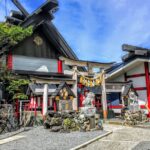
Arakura Fuji Sengen Shrine is the day’s classic photograph stop. The shrine dates from 705 and begins at the foot of Mt. Arakura, where you pass through a large red torii gate before reaching the main hall.
Along the way, you pass the Shiogama Shrine, associated with safe childbirth, and Atago Shrine, connected with fire protection. These smaller religious sites add meaning to what might otherwise be just a viewpoint stop.
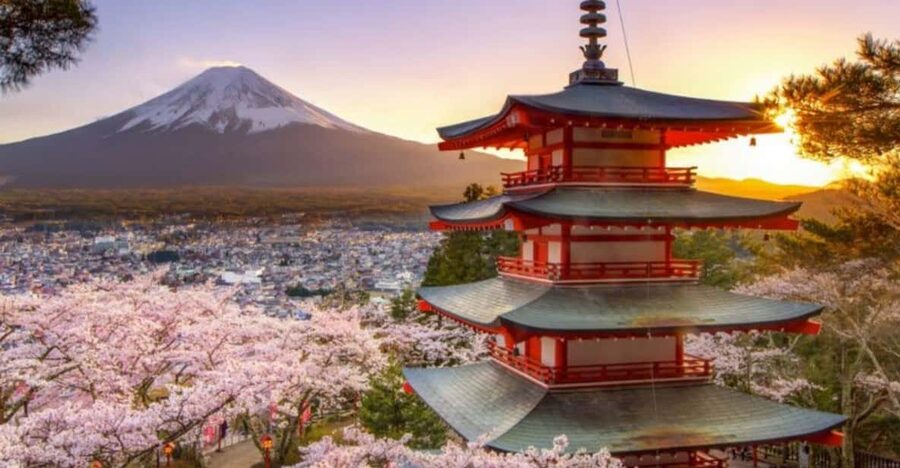
The famous goal is Churei-to Pagoda, reached after either the Sakuya-Hime staircase with 398 steps or a gentler sloping path. Both routes lead toward the observatory, where the five-story pagoda and Mt. Fuji can appear together in one frame.
This is the stop that requires the clearest warning. The tour involves a significant amount of walking, and the pagoda route is not a quick stroll from the bus. The gentler path helps, but this outing is not recommended if you have difficulty walking for 10 to 15 minutes or covering extended distances.
Give yourself time to enjoy the shrine itself, not just the famous photograph. The red gate, stone steps, smaller shrines, and mountain setting create a useful glimpse of everyday Shinto spaces. In spring, cherry blossoms can frame the pagoda and mountain, but clear weather remains the key factor.
The tour description also refers to a choice between Arakura Fuji Sengen Shrine and Tenku no Torii. The detailed route supplied for this departure lists Arakura Fuji Sengen Shrine, so check your confirmed schedule if Tenku no Torii is important to you.
A few more Tokyo tours and experiences worth a look
Oshino Hakkai and Mt. Fuji spring water
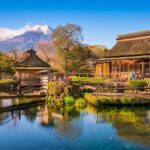
Oshino Hakkai is a village area built around eight clear ponds. Meltwater from Mt. Fuji filters through volcanic rock over roughly 80 years before reaching the ponds, which explains the unusually clear water and the connection between the site and the mountain.
The ponds are the scenic focus, but the surrounding market area adds a more commercial side. You will find fruit, local wine, souvenirs, and regional snacks from larger stalls and smaller vendors. Yamanashi is known as Japan’s Fruit Kingdom, so this is a useful place to look for local produce and packaged treats.
I like Oshino Hakkai as a contrast to the shrine and lake. It gives you a look at a small settlement shaped by Mt. Fuji’s water, rather than another grand viewpoint. Still, do not expect an untouched village. The market atmosphere can feel busy and souvenir-focused, especially when several coach groups arrive.
The scheduled visit lasts about 1 hour and 20 minutes. That is enough for the ponds, photographs, and a little browsing, but you should watch the meeting time closely. The day has several moving parts, and a late return here can affect everyone on the bus.
Weather, traffic, and the Mt. Fuji gamble
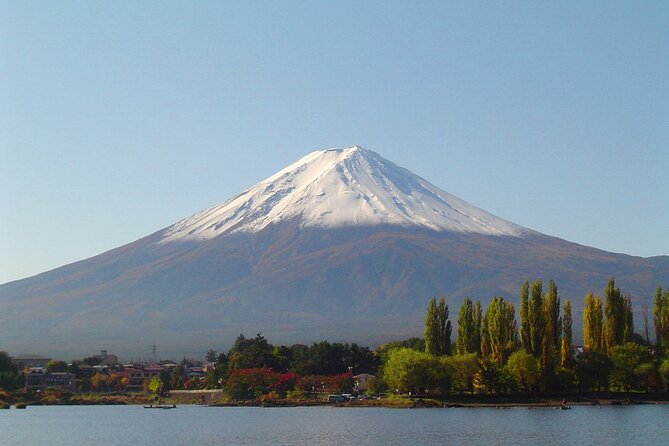
Mt. Fuji is the star of the tour, but the mountain does not follow the schedule. Rain and low cloud can hide it from Lake Ashi, the shrine, and the ponds. On one difficult weather day, the cloud cleared just enough for a brief view, which shows how quickly conditions can change.
The tour can still be worthwhile in poor weather because the ramen workshop, shrine, ponds, and bus service do not depend entirely on a perfect mountain view. But the value drops if you are booking mainly for postcard photographs.
Traffic is another real factor. The return journey to Tokyo can become slow, especially after a full day on the highway. A departure may run close to 12 hours, and a late return is possible when roads are crowded. Build flexibility into your evening rather than scheduling a timed dinner or show immediately after the tour.
The cruise has its own risk. If service is suspended, an alternative stop is arranged, but the cruise fee is not refunded. That policy is important when comparing this tour with a private or rail-based day trip.
Is $128.69 good value?

At $128.69 per person, this is not the cheapest way to see the Fuji area. You are paying for a full-day coach, an English-speaking guide, the ramen-making activity, and the sightseeing structure that links several distant places.
For a first visit, the price can make sense. Planning Lake Ashi, Oshino Hakkai, Arakura Shrine, and a food workshop independently would require careful timing and several transport decisions. The included air-conditioning, reclining seats, power outlets, and free Wi-Fi also matter on a long day. One particularly positive experience praised the comfortable bus and regular chances to stop for restrooms and food.
The value is weaker if your package does not include lunch, if the cruise is canceled, or if weather blocks Mt. Fuji all day. It is also less appealing if you prefer spending several hours in one village instead of collecting several short visits.
The 97 percent recommendation rate and 4.8 rating from 124 ratings point to a strong overall record, but they should not erase the practical limits. Guide Yoko received especially warm praise for being calm and helpful, while Mami was appreciated for explaining Mt. Fuji during the drive. Those personal touches can make a crowded coach feel much easier.
Who should book this day trip?
I would choose this tour if you are staying in Tokyo, want to see Mt. Fuji without renting a car, and prefer having transport arranged. It suits first-time visitors who want a broad taste of Hakone and the Fuji area in one day.
It is also a good match if you enjoy food activities. Making ramen gives the day a clear personal highlight, and you can eat the finished dish rather than simply watching a demonstration.
You should think twice if you need halal or vegan food, have trouble with long walks or stairs, or dislike early starts and long bus rides. It is also not ideal for photographers who need guaranteed Fuji views. For that, weather and an independent overnight stay would offer more control, though that is outside what this tour provides.
Pack comfortable shoes, water, and a light layer. Keep your phone charged for meeting instructions and photographs, and arrive early at Shinjuku. Most importantly, leave your evening open after the return.
Should you book it?
Book this tour if convenience is your priority and you want several major sights in one organized day. The combination of Lake Ashi, ramen-making, Oshino Hakkai, and Arakura Shrine gives you scenery, food, religion, and rural Japan without a complicated itinerary of your own.
Skip it if you want a relaxed Hakone visit, guaranteed mountain views, or a meal that can easily accommodate halal or vegan needs. For everyone else, this is a busy but useful day trip, with its best moments coming from the hands-on ramen session, the pagoda viewpoint, and the chance to catch Mt. Fuji when the clouds cooperate.
FAQ
How long does the tour last?
The tour lasts approximately 11 to 12 hours, beginning at 7:40 a.m. and ending back at the Shinjuku meeting point.
Where does the tour begin?
It begins at the Shinjuku Center Building at 1-chōme-25 Nishishinjuku, Shinjuku City, Tokyo. The building is about a seven-minute walk from JR Shinjuku Station.
Is hotel pickup included?
No. Hotel pickup and drop-off are not included. You must travel to the Shinjuku meeting point, and the tour ends there.
Is the ramen lunch included?
Ramen-making and lunch are included only if you select the option that includes lunch. Check the exact package when booking.
Can vegetarian, halal, or vegan meals be arranged?
Vegetarian requests can be made if you contact the activity provider at least seven days in advance. Halal and vegan lunches are not available.
What happens if the Lake Ashi cruise is canceled?
If the cruise cannot operate because of service suspension, bad weather, traffic, or another stated condition, an alternative facility is provided. A refund is not given for the canceled cruise.
How difficult is the walk to Churei-to Pagoda?
You can choose between a 398-step staircase and a gentler sloping route. The tour involves considerable walking and is not recommended for people who have difficulty walking distances of 10 to 15 minutes.
Can I cancel for a full refund?
Yes. You can cancel at least 24 hours before the local start time for a full refund. Cancellations or changes made less than 24 hours before departure are not accepted for a refund.
More Bay & River Cruises in Tokyo


More Hakone Day Trips in Tokyo
More Mt Fuji Day Trips in Tokyo

More tours in Tokyo we've reviewed












Mt Fuji Day Trips, compared.
 ★ 5.0Mt Fuji and Hakone 1-Day Bus Tour Return by Bullet TrainFrom $163
 ★ 4.0Mt Fuji & Hakone Cruise, Drum Show Bullet Train 1 Day from TokyoFrom $149
 ★ 4.4Tokyo Mt Fuji 5th St & Hakone Cruise Bus Tour w/Bullet TrainFrom $15410 hours
 ★ 4.5From Tokyo: Mount Fuji Full-Day Sightseeing TripFrom $6810 hours
 ★ 4.7Tokyo: Mt. Fuji Tour, Hakone Ropeway, Owakudani, Lake AshiFrom $5410 hours
 ★ 4.4Tokyo:Mt.Fuji,Kawaguchiko Oishi Park,Arakurayama Sengen ParkFrom $5410 hours