Reviewed · SAMURAI & NINJA EXPERIENCES
Tokyo: Best Samurai Experience
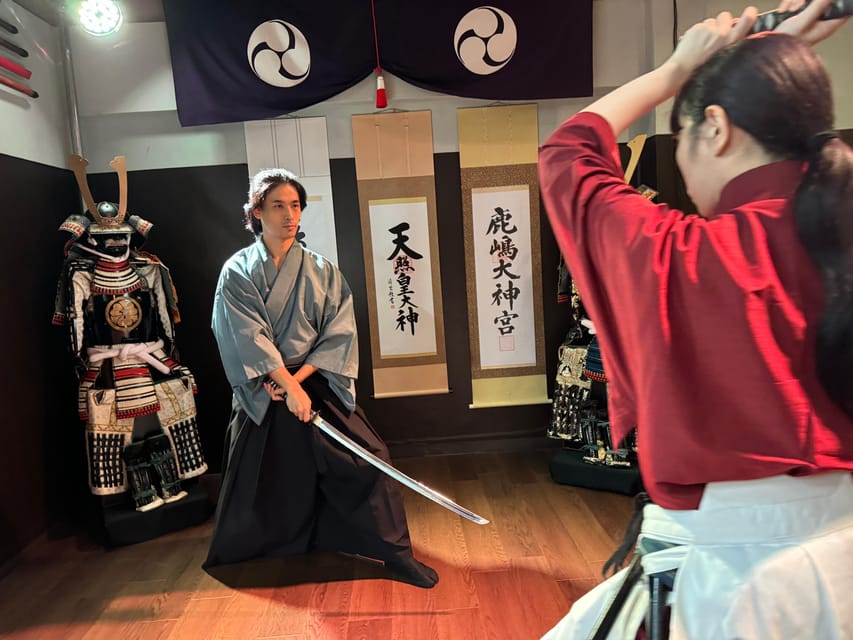
A fake sword, a kimono, a hakama, and a room lined with armor and weapons: this Tokyo experience turns you into a stage samurai for one fast, lively hour. You learn how to draw, hold, swing, and return a sword, then use those moves in a choreographed fight with the instructors.
In This Article
- Key points
- Entering a Tokyo Dojo With Armor on the Walls
- Choosing a Kimono and Hakama
- Learning the Parts of a Japanese Sword
- Rehearsing Offensive and Defensive Moves
- Fighting the Samurai in a Music-Backed Finale
- Getting Photos and Videos Without a Separate Photographer
- How Much Value You Get for $63
- Who Will Get the Most From This Experience
- Helpful Planning Details Before You Go
- My Verdict: Book It for the Performance
- FAQ
- Where does the samurai experience take place?
- How long does the experience last?
- How much does it cost?
- What clothing is included?
- Do I use a real sword?
- What sword skills will I learn?
- Will I fight a samurai?
- Can I take photos and videos?
- Is the activity available in English?
- How many people can join the group?
I like the small groups of up to 10, which gives the teachers room to help each person rather than rushing everyone through a large show. I also like the photos and videos taken on your own phone, since you leave with more than a quick costume change and a posed snapshot. The main drawback is the short one-hour format: you get a taste of samurai performance, not a full martial arts course.
Key points
- Choose your own kimono and hakama before learning the basic sword movements.
- Use a non-cutting practice sword, with an explanation of the blade’s parts and Japanese stance names.
- Perform a staged sword fight with samurai instructors, including offensive and defensive movements.
- Follow a music-backed finale designed for photos and video.
- Meet English- and Japanese-speaking instructors who have appeared in Japanese films and television dramas.
- Pay $63 per person for a one-hour session, with free cancellation up to 24 hours before the start.
Entering a Tokyo Dojo With Armor on the Walls
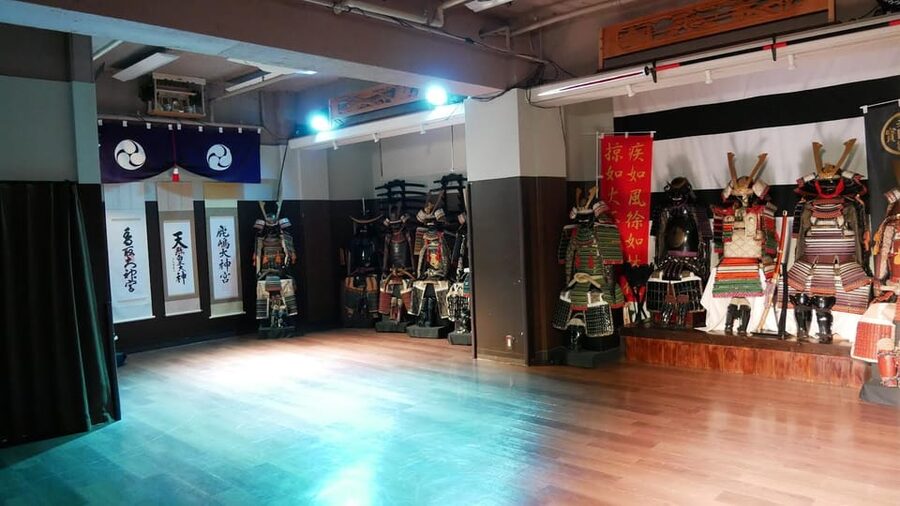
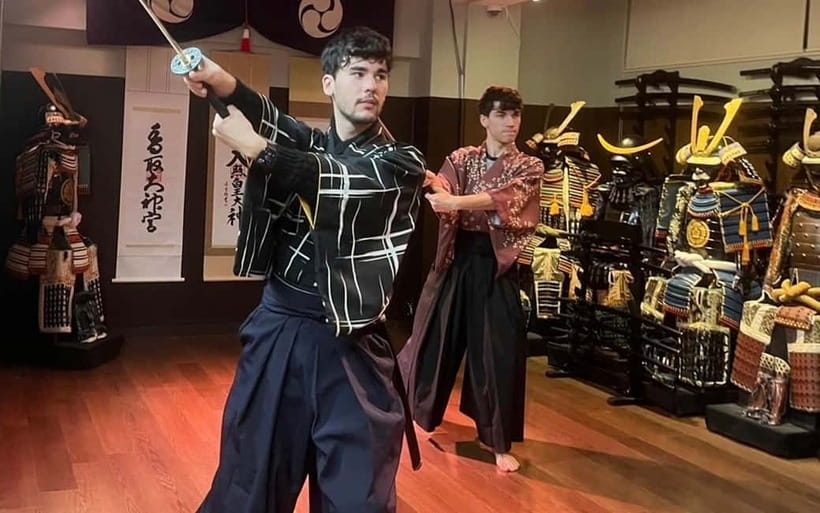
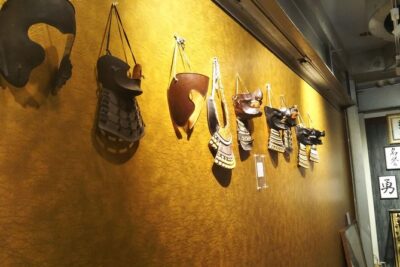
The experience takes place at Samurai Theater Tokyo, found by searching that exact name on Google Maps. Inside, the setting is arranged to feel unlike a modern studio, with swords, spears, and armor on display. That visual change matters. You are not simply putting on a costume in an empty room. The surrounding objects help establish the mood before the lesson begins.
The venue is in Tokyo on Honshu, and the activity is built around participation rather than a long historical talk. You will spend your time changing clothes, learning movements, rehearsing a fight, and taking pictures. If you have only a short opening in your sightseeing schedule, the compact format is useful.
The group limit is 10 people. I see that as one of the strongest practical features. Sword practice needs space, and a smaller class makes it easier to watch the teacher clearly, repeat the moves, and receive help with your costume or stance.
You can book alone, so this is not limited to couples or families. Same-day reservations are also possible, subject to availability. I would still reserve ahead when the experience is central to your plans, since a one-hour activity offers fewer replacement times than a longer tour.
A few more Tokyo tours and experiences worth a look

Choosing a Kimono and Hakama
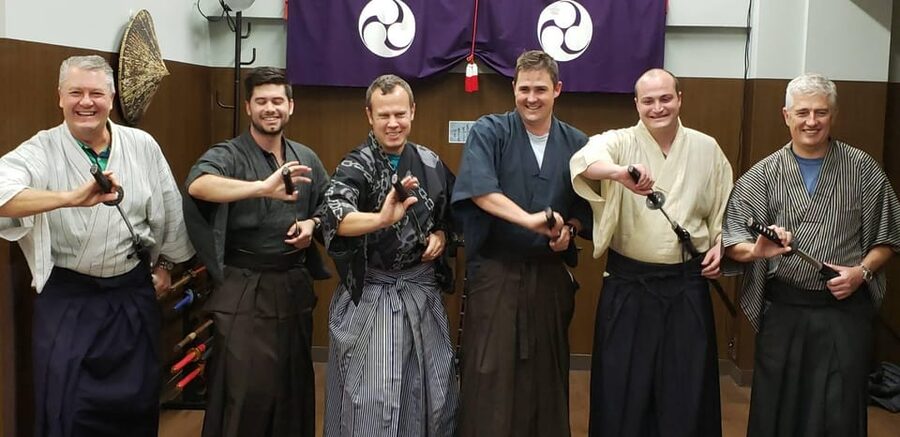
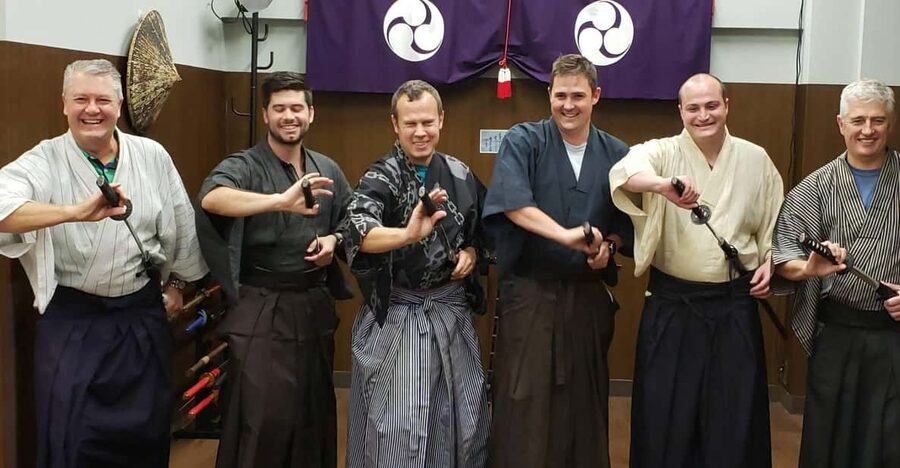
The session begins with a change into a kimono and hakama. The kimono gives you the traditional upper-body look, while the hakama creates the wide-legged silhouette associated with samurai dress. Assistants help you get ready, which is useful if you have never worn either garment.
This is more than a photo opportunity. The clothing changes how you carry yourself, and the loose layers make the basic poses look right on camera. At the same time, you should expect a performance costume rather than a detailed historical reconstruction. The goal is to help you look and move like a samurai for the session.
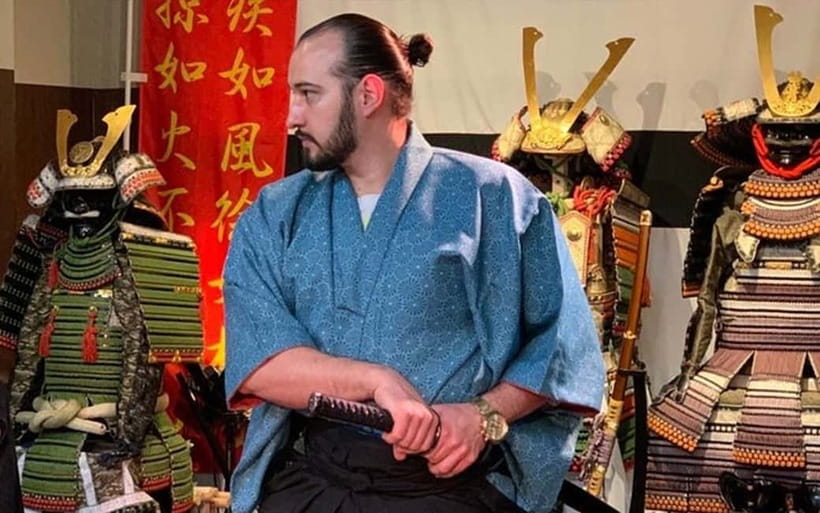
You choose a favorite outfit from the available selection. That small choice gives the hour a personal touch, especially for families or friends who want different looks in their photos. If dressing up is not your thing, this part may feel a little theatrical. That is central to the experience, not an optional extra.
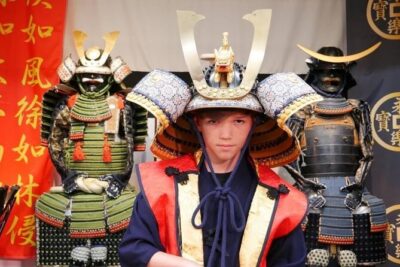
Armor is displayed at the dojo, and an optional fee is required if you want to wear it. The listed price includes the kimono and hakama, but not armor. Check the added cost before booking if armor is important to you.
Learning the Parts of a Japanese Sword
Once dressed, you receive a fake sword that cannot cut. This is an important safety detail. You get the look and feel of handling a sword without using a sharp weapon, and the lesson remains suitable for a staged performance rather than actual combat training.
The teacher explains the parts of the blade. One participant specifically noted learning the Japanese names for those parts, along with the names of the stances. That detail gives the lesson more substance than simply copying a few dramatic swings.
You learn how to draw the sword, hold it, swing it, and return it. These are simple skills at an introductory level, but the sequence creates a clear sense of progress. First comes the controlled movement. Then you link the movements together. Finally, you apply them in a short fight scene.
The instructors teach in English and Japanese. If you do not speak Japanese, the physical demonstrations still give you a direct way to follow along. The teaching style is designed for action, so you will be watching and repeating rather than sitting through a long explanation.
Rehearsing Offensive and Defensive Moves
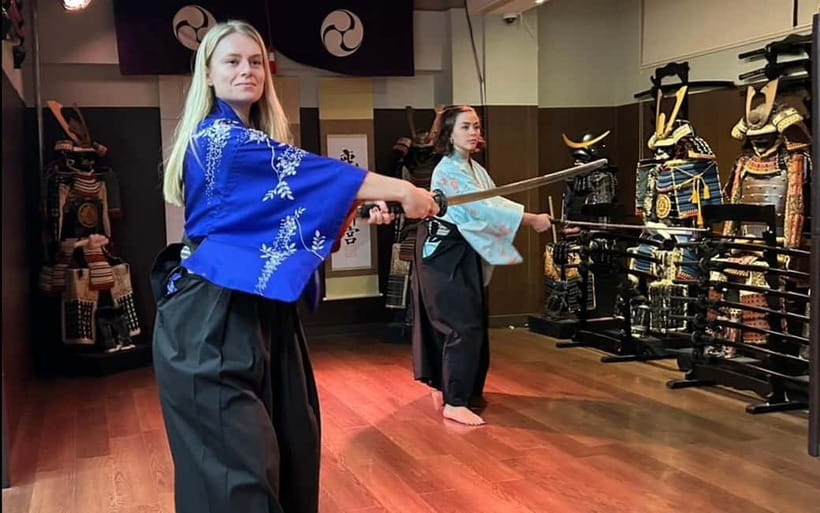
The practice session introduces a simple chanbara, or staged sword fight. You learn both offensive and defensive movements, then repeat them until the pattern feels comfortable. Chanbara is performance fighting, so timing, posture, and clear movements matter more than force.
I like this part because it gives the hour a real shape. You are not handed a sword and told to pose. You build toward a short routine, with the instructor demonstrating each action and the group following.
The teachers are described as authentic instructors who have appeared in major Japanese dramas and films. That background helps explain the strong focus on performance. They know how to make a safe movement look sharp on camera, and they bring energy to the final scene.
You should not expect a private lesson in traditional swordsmanship. The session is too short for that, and the sword is deliberately non-cutting. Think of it as an introduction to samurai stage technique, with enough instruction for you to perform a convincing sequence.
Fighting the Samurai in a Music-Backed Finale
After the practice, you take part in a full staged performance. The scenario involves fighting samurai and exterminating bad guys to music. The tone is playful and theatrical, not violent. You are acting out a scene with trained performers who control the pace and movement.
Some of the strongest parts of the experience come at this stage. The teacher brings energy to the faux fight, and the soundtrack and lighting help the routine feel like a small live show. You may perform alongside other members of your group, then take part in a final scene with the instructor.
The performance works particularly well for people who enjoy martial arts films, costume play, or old samurai movies. You do not need stage experience. The instructors show you what to do, and the routine is built from the movements practiced earlier.
It can also suit quieter participants. The setting is interactive, but the staff help make the activities inviting rather than forcing you to perform without guidance. If you are traveling with children old enough to meet the age and height rules, teenagers, parents, and grandparents can all take part together.






Getting Photos and Videos Without a Separate Photographer
Bring your smartphone. The assistants take photos and videos with your own device during the activity, including action scenes and posed moments with the samurai. This is one of the best practical details because you do not need to rely on memory or ask another visitor to capture the key part of the experience.
You should get several kinds of images: costume portraits, pictures with the instructors, sword poses, and footage of the staged fight. The action video is especially useful because a still photo cannot show the rhythm of the routine.
The staff’s willingness to handle the camera also keeps the group moving. You can focus on the sword work instead of stopping to set up a shot. Still, make sure your phone has enough battery and storage before arriving. That is not listed as a formal requirement, but it is sensible preparation when your phone is part of the activity.
The photo session is not just an add-on at the end. The teachers build poses and performance moments into the hour, so you get images that show the costume and the sword work together.
How Much Value You Get for $63
At $63 per person, this is not the cheapest costume photo stop in Tokyo. The price includes the kimono and hakama, sword instruction, a non-cutting practice sword, the staged fight, and a photo with a samurai.
The value improves if you use all parts of the session. You are paying for clothing, teaching, a controlled performance, access to a themed dojo, and help recording the experience. A simple outfit rental would not include the sword lesson or the choreographed scene.
The one-hour duration keeps the cost easier to fit into a busy Tokyo day, but it also limits what you learn. You will not gain advanced technique, and you will not spend a long period studying samurai culture. I would book it for the active performance and memory-making rather than as a full history lesson.
For a family or small group, the shared experience can justify the price. Everyone takes part in the same routine and can record one another. Solo visitors also have a place here, since the instructors and assistants help with the photos and guide you through the activity.
Flexible booking adds some value. You can reserve now and pay later, and cancellation is free up to 24 hours before the start for a full refund. Check available start times before making other plans, since the activity lasts one hour and exact times vary.
Who Will Get the Most From This Experience
I would choose this for you if you want a hands-on Tokyo activity rather than another sightseeing stop. It suits people who enjoy:
- Samurai films, martial arts, or Japanese costume
- Short activities that fit between other plans
- Family outings with a strong visual and interactive element
- Taking photos and videos during a trip
- Learning a simple routine rather than watching a passive show
- Small-group activities where the instructor can offer personal help
You do not need prior sword experience. The lesson begins with the basics, and the final fight is rehearsed. You also do not need to be especially athletic, since the focus is on controlled stage movements.
The experience may not suit you if you want a quiet museum visit, a long cultural lecture, or serious training with traditional weapons. The tone is energetic and theatrical. You will be asked to take part, pose, and perform.
The activity is not suitable for pregnant women, wheelchair users, visually impaired people, babies, or children below the stated age and height limits. The information lists children under 2, under 3, and under 4 among those who should not participate, as well as children under 90 centimeters. Because those age notes overlap, confirm the rule for your child before booking.
Helpful Planning Details Before You Go
Search Google Maps for Samurai Theater Tokyo to find the meeting point. The provided directions do not name a street address, so use the exact venue name rather than relying on a broad search for samurai activities in Tokyo.
The instructors speak English and Japanese. That makes the experience workable for international visitors, though the session still depends on watching demonstrations and copying movements.
The group is limited to 10 participants, and one person can book alone. Same-day reservations may be available, but I would not count on a last-minute place during a busy period.
Wear or bring something that allows easy changing into the costume. The activity includes changing clothes, but no further details are given about storage or changing-room arrangements, so keep valuables to a minimum.
If you arrive late, contact the provider as soon as possible. One person who came directly from Kyoto was welcomed after arriving late and did not miss the experience, but that does not guarantee the same arrangement at every start time.
My Verdict: Book It for the Performance
I would book this if you want a lively, camera-friendly introduction to samurai culture. The kimono and hakama, the clear sword lesson, the small group, and the music-backed fight give the hour enough structure to feel like a real activity rather than a quick dress-up stop.
The best reason to go is the balance between learning and fun. You learn sword parts, stance names, drawing and returning techniques, then use them in a staged fight. The main limitation is depth. At one hour, this is a polished introduction, not a serious study of Japanese martial arts or samurai history.
Book it for yourself, a family, or a small group of friends if you want a shared memory you can see on your phone afterward. Skip it if you dislike costumes, staged combat, or active participation. For most visitors who are curious about samurai and want to do more than look at objects behind glass, $63 is a fair price for a compact, well-organized Tokyo experience.
FAQ
Where does the samurai experience take place?
The meeting point is Samurai Theater Tokyo. Search for that exact name on Google Maps.
How long does the experience last?
The activity lasts one hour.
How much does it cost?
The listed price is $63 per person.
What clothing is included?
You can change into a kimono and hakama as part of the activity.
Do I use a real sword?
No. You use a fake sword that cannot cut.
What sword skills will I learn?
You learn how to draw, hold, swing, and retract a sword. The instructor also explains the parts of the sword.
Will I fight a samurai?
Yes. After practicing the basic movements, you take part in a simple staged chanbara fight with the samurai instructors.
Can I take photos and videos?
Yes. You can take photos with the samurai, and assistants can record photos and videos on your smartphone during the experience.
Is the activity available in English?
Yes. Instruction is available in English and Japanese.
How many people can join the group?
The activity is limited to 10 participants, and one person can also book alone.
More Samurai & Ninja Experiences in Tokyo


More tours in Tokyo we've reviewed












Samurai & Ninja Experiences, compared.
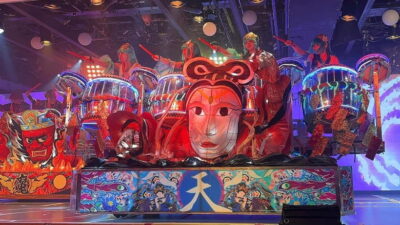 ★ 4.5Tokyo: Samurai Restaurant Show Ticket with 2 DrinksFrom $551h 30m
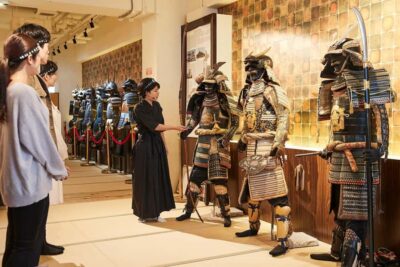 ★ 4.6Tokyo: Samurai Ninja Museum Guided tour and ExperienceFrom $27
 ★ 5.0Skip the lines Basic Ticket at SAMURAI NINJA MUSEUM TOKYOFrom $28
 ★ 5.0Tokyo: Authentic Samurai Training at a DojoFrom $211
 ★ 5.0Best Samurai Experience in TokyoFrom $65
 ★ 4.6Tokyo: Legend Samurai Entertainment Night in Kanda ShrineFrom $44