Reviewed · MT FUJI DAY TRIPS
Full Day Private Tour in Mt. Fuji and Hakone
The big draw here is simple: you can see Mt. Fuji and Hakone in one long day without working out a maze of trains, buses, and ropeway connections. Your driver picks you up in Tokyo, handles the highway, and carries you between lakes, shrines, volcanic scenery, and Fuji viewpoints in a private air-conditioned vehicle.
In This Article
- Key points at a glance
- Why a private car makes this Fuji day possible
- Lake Ashi gives Hakone its calm opening
- Owakudani and the extra-cost ropeway
- Oshino Hakkai brings you close to Fuji water
- Fuji Sengen Shrine connects the mountain to pilgrimage
- Saiko Iyashi no Sato Nemba offers traditional village scenes
- Lake Kawaguchiko and Oishi Park are the photo anchors
- Chureito Pagoda requires effort but rewards you
- The schedule is ambitious, so choose your priorities
- What is included, and what you still pay for
- The guides are part of the experience
- Weather, cancellation, and who should book
- Should you book this Mt. Fuji and Hakone tour?
- FAQ
- How long does the private Mt. Fuji and Hakone tour last?
- How many people can join the private tour?
- Is hotel pickup included?
- Is transportation private?
- Are highway tolls included?
- Is lunch included?
- Do the cruise and ropeway cost extra?
- Can the itinerary be customized?
- What happens if bad weather blocks the tour?
I like the flexible private format, especially for families or small groups that want photos, food stops, or a slower pace. I also like the variety: Owakudani’s volcanic valley feels very different from the calm shores of Lake Kawaguchiko or the old-fashioned buildings at Saiko Iyashi no Sato Nemba.
The catch is time. Nine hours sounds generous, but Tokyo traffic and the wide spread of sights make this an ambitious route. Some visitors did not reach every planned stop, so you should agree on your priorities with your driver at the start.
Key points at a glance

- Private Tokyo pickup for up to four people: You avoid public transport and travel in an air-conditioned vehicle reserved for your group.
- Two major day-trip areas in one outing: The route combines Hakone with the Fuji Five Lakes area, though fitting everything in requires discipline.
- Owakudani adds volcanic drama: You can ride the ropeway and buy the famous black eggs, but the ropeway costs extra.
- Several different Fuji viewpoints: Oishi Park, Lake Kawaguchiko, Oshino Hakkai, Chureito Pagoda, and the Fuji Sengen Shrine each offer a different setting.
- Flexible guiding is a real strength: Guides including Abrar, Mike, Abdul, Khan, Ali, Rab, and Abdulla have been praised for adjusting stops and helping with family needs.
- Weather controls the day: Cloud can hide Mt. Fuji, and poor weather may lead to a date change or full refund.
Why a private car makes this Fuji day possible

The distance is the first thing to understand. Tokyo, Hakone, Lake Ashi, and the Fuji Five Lakes area do not sit next door to one another. Public transport can get you there, but you need several connections and careful timing. A private vehicle turns the day into a moving base, with hotel pickup and drop-off included.
The listed price is $454.63 per group of up to four, not per person. For four people, that works out to about $114 per person before meals and activity tickets. That is not the cheapest way to see Mt. Fuji, but the value improves if you would otherwise pay for several train and bus fares, taxis, and local transfers.
You also save energy. Your driver handles the expressway and highway tolls, which are included. That matters on a nine-hour day when you want to look out the window instead of studying route maps.
The driver is also your English-speaking guide. The exact person varies, but names praised for clear communication and helpful service include Abrar, Mike, Abdul, Khan, Ali, Rab, and Abdulla. Several guides helped with photos, explained shrines and local customs, suggested food and snacks, and adjusted the plan around children or older family members.
Do keep your expectations clear. This is not a slow, fully guided cultural tour at every stop. Your driver may show you the practical way around, explain the place, and then give you time to explore on your own. That balance suits many people, but anyone wanting a specialist guide at each site may find the experience more basic.
A few more Tokyo tours and experiences worth a look
Lake Ashi gives Hakone its calm opening
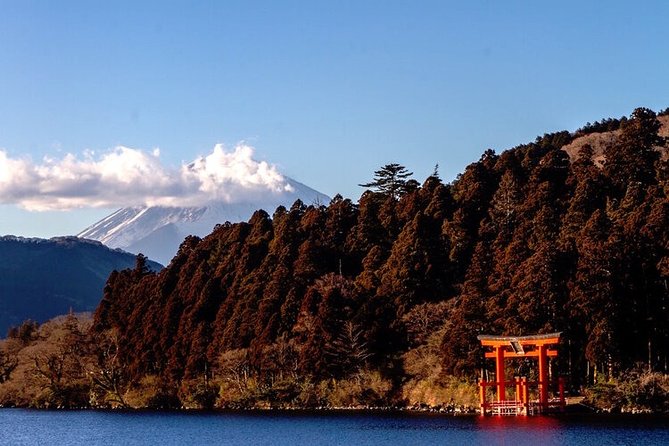
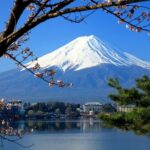
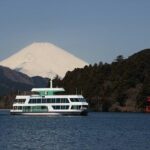
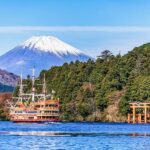
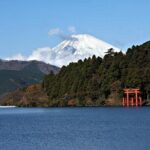
Lake Ashi is one of Hakone’s classic scenes, with water, mountain slopes, and the chance to pause after the drive from Tokyo. The listed stop is about 30 minutes, so think of it as a short lakeside visit rather than a full Hakone stay.
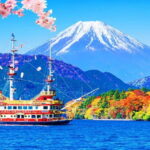
A cruise may be available, but it is not included. The stated cruise price ranges from ¥1,200 to ¥2,000, and the boat depends on timing and conditions. If you want the cruise, tell your driver early. A boat ride can change the feel of the stop, but it can also take valuable time from the Fuji Five Lakes portion of the day.
Lunch is also at your own cost. The plan refers to a lakeside meal, but you should not assume a specific restaurant or a meal included in the price. Guides have helped match restaurants to dietary and family needs, which is useful when you do not want to lose time searching.
Lake Ashi is a good early choice if you want a gentle start. The drawback is that 30 minutes passes quickly, especially if you add a cruise. I would treat the lake as a scenic introduction to Hakone, not the main event.
Owakudani and the extra-cost ropeway

Owakudani is Hakone’s volcanic highlight. The valley was formed by volcanic activity, and the area is known for sulfurous fumes and black eggs cooked in the hot valley waters. The ropeway gives you a memorable approach, with broad views across Hakone when the weather cooperates.
The one-way ropeway ticket costs ¥1,500 and is not included. The route description refers to riding the ropeway, but you should confirm which section and direction your driver plans to use. The cruise and ropeway together can add a noticeable amount to the day’s cost.
The black eggs are a fun local snack, not a full meal. Owakudani can also be affected by weather or volcanic conditions, so the exact visit may change. Cloud can reduce the views, and poor weather may prevent the most scenic part of the stop.
I like this section because it breaks up the shrine and lake scenery with something more unusual. It is also one of the places where you need to watch the clock. A ropeway ride, snack stop, photos, and lunch can easily use more than the planned 30 minutes.
Oshino Hakkai brings you close to Fuji water

Oshino Hakkai is a small village at the base of Mt. Fuji, known for eight clear springs fed by water filtered through the mountain. The spring pools and traditional setting offer a quieter view of the Fuji region than the larger lake towns.
The planned visit is about an hour, which gives you a better chance to walk around without feeling rushed. You can look at the spring water, take photos, and enjoy the village atmosphere. The setting is particularly useful when Mt. Fuji is partly hidden, since the springs and buildings still give you something to see.
This is also a good place to ask your guide about local customs and the role of Mt. Fuji in Japanese culture. The driver guides have been praised for explaining shrines and regional traditions in understandable English, though the amount of interpretation depends on the person assigned to your group.
Oshino Hakkai is popular and can feel busy. It is not a remote village experience, but it offers a pleasant contrast to the larger tourist sites. If you care more about open views than village details, you may prefer to keep this stop short and spend more time by Lake Kawaguchiko.
Fuji Sengen Shrine connects the mountain to pilgrimage
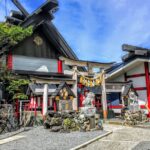
Kitaguchi Hongu Fuji Sengen Jinja is a major spiritual stop on the route. The shrine has long been linked with pilgrims seeking protection for journeys and successful climbs of Mt. Fuji. Its setting gives you a chance to see a more reflective side of the region.
The planned visit is around 30 minutes. That is enough to walk through the grounds, look at the sacred architecture, and take in the tall trees and quiet mood. You do not need to rush through this one, but you should remember that the full day also includes Chureito Pagoda and several lakes.
I find this stop valuable because it adds meaning to the mountain views. Mt. Fuji is not only a photo subject. Shrines such as this help you understand why the mountain has drawn pilgrims for centuries.
Dress and behave respectfully, as you would at any active religious site. Your guide can explain the basic customs, but this is not a formal religious lesson. The pleasure is in the setting and the pause.
A few more Tokyo tours and experiences worth a look
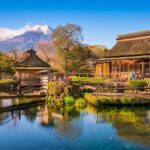
Saiko Iyashi no Sato Nemba offers traditional village scenes

Saiko Iyashi no Sato Nemba is a reconstructed traditional village near Lake Saiko, with thatched buildings and displays of Japanese crafts. The village setting is more hands-on and visual than a quick viewpoint. You might see craft work, calligraphy, or pottery activities depending on what is available that day.
The planned stop is only 30 minutes, which is short for a place with multiple buildings and exhibits. If traditional architecture, crafts, or photos are high on your list, tell your driver. This is one of the stops worth protecting when setting your priorities.
One guide took a family to a traditional soba restaurant, and the village and Oishi Park were particular highlights for that group. Food is not included, but a local meal can make the day feel less like a checklist of viewpoints.
The village is a strong choice for you if you want more than Mt. Fuji photographs. It adds texture to the day, with a glimpse of rural building styles and local arts. If your main goal is a clear, close Fuji view, the lake stops may matter more.
Lake Kawaguchiko and Oishi Park are the photo anchors

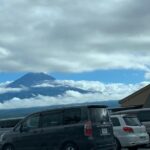
Lake Kawaguchiko is one of the Fuji Five Lakes and one of the easiest places on this route for a classic mountain view. The lake town has hot springs and other attractions, but this day gives you only about 30 minutes at the lake itself.
Oishi Park is especially appealing when flowers are in season. A March visit can bring snow on Mt. Fuji but flowers that are only starting to open, so timing matters. One useful seasonal tip is to consider visiting one or two weeks later if your priority is fuller flower color and spring blossoms.
Do not count on a perfect Fuji view. Clouds can cover the summit, even on an otherwise pleasant day. One person had a very good Hakone visit but could not see Mt. Fuji or take the speedboat because of the weather. That is not a flaw unique to this tour. It is the basic risk of planning a Fuji day.
Still, the tour’s several viewpoints improve your odds. A cloud bank may cover the mountain from one side while leaving another view open later. Your driver can also suggest a change of order when conditions shift, though no guide can control the sky.
Chureito Pagoda requires effort but rewards you
Chureito Pagoda is the famous five-story pagoda viewpoint often paired with Mt. Fuji in photographs. Reaching the main viewpoint requires climbing 398 stone steps, so this is the most physically demanding stop in the day.
The planned visit is one hour. That sounds reasonable, but the steps, pauses, photographs, and return walk use much of it. If you have mobility concerns, ask your guide how much of the stop is practical for you before committing. The tour is described as suitable for most people, but the staircase is still a real consideration.
The reward is a layered view of pagoda, hillside, and Mt. Fuji when the weather is clear. Even when the mountain is hidden, the pagoda and surrounding setting make the climb worthwhile for many people.
I would save comfortable shoes and a little energy for this stop. It is easy to underestimate the stairs after spending the morning getting in and out of a car.
The schedule is ambitious, so choose your priorities
The complete route names Tokyo, Lake Ashi, Owakudani, Oshino Hakkai, Kitaguchi Hongu Fuji Sengen Shrine, Saiko Iyashi no Sato Nemba, Lake Kawaguchiko, Chureito Pagoda, and Tokyo again. The listed stop times add up to only a few hours, but the driving sections alone account for roughly four hours.
That leaves little spare time for traffic, meals, queues, photo stops, or a ropeway ride. One person who booked the private option still did not reach every listed place. The practical lesson is clear: treat the route as a menu, not a guarantee that every stop will receive equal time.
At the start, tell your driver your top three priorities. For example:
- Choose Owakudani and Lake Ashi if Hakone is your main goal.
- Choose Oishi Park, Lake Kawaguchiko, and Chureito Pagoda for classic Fuji scenery.
- Choose Oshino Hakkai, the Sengen Shrine, and Saiko Iyashi no Sato Nemba for village and cultural stops.
The private setup lets you adjust the route within the available time. Guides have changed stops for families, suggested alternatives, and helped older relatives move at a comfortable pace. That flexibility is the strongest reason to choose this service over a fixed bus tour.
The downside is that flexibility can also create confusion if you expect a rigid schedule. Keep a copy of your preferred stops and check the plan during the day.
What is included, and what you still pay for
Your package includes:
- Hotel pickup and drop-off in Tokyo
- Private transportation
- Air-conditioning
- An English-speaking driver
- Highway tolls
You pay separately for lunch, the Hakone cruise, and the ropeway. The cruise costs about ¥1,200 to ¥2,000, and the one-way ropeway ticket is listed at ¥1,500. Other activity tickets may also cost extra.
At $454.63 for up to four people, this is best value when you fill the vehicle and place a high price on convenience. A couple may still like it for the private door-to-door service, but the per-person cost rises sharply.
You should also budget for food and snacks. Guides have recommended soba and memorable treats such as ice cream, but those purchases are personal expenses. Ask your driver for suggestions if you want something local rather than a quick meal chosen at random.
The guides are part of the experience
The strongest service pattern is the human one. Abrar is praised for conversational English, photos, local suggestions, and good communication. Abdul helped with a toddler, had a baby seat ready, and stayed with the child while the family visited a Fuji sight.
Mike was praised for clear explanations, personal attention, and taking the group beyond standard stops, including a soba meal. Khan was described as kind, communicative, and a careful driver. Other named guides, including Rab, Ali, and Abdulla, were appreciated for patience, local information, and adapting the route.
The assigned guide can vary, so you should not book solely because you hope for one particular person. What you can reasonably expect is a driver-guide format, with service quality tied partly to the individual and partly to how clearly you explain your needs.
If you have a toddler, an older parent, food restrictions, or strong interests, mention them before the day begins. The private arrangement is most useful when the guide knows how to shape it around your group.
Weather, cancellation, and who should book
Mt. Fuji is famously weather-dependent. The tour requires good weather, and if conditions force cancellation, you are offered another date or a full refund. You can also cancel for a full refund at least 24 hours before the start time. Changes or cancellations inside that window are not refunded.
I would book this for a first visit when you want to cover a lot of ground and do not want to manage transport. It suits families, small groups, older relatives who benefit from door-to-door travel, and anyone with only one open day from Tokyo.
I would hesitate if you want a slow Hakone holiday, a long lake cruise, or extended time at every museum and village. I would also avoid making it your only Fuji plan if seeing the mountain is the single purpose of your Japan trip. Clear skies are never guaranteed, no matter how well the route is planned.
Should you book this Mt. Fuji and Hakone tour?
Book it if you value private transport, flexible stops, and broad coverage more than a relaxed pace. The chance to combine Hakone, the Fuji lakes, Owakudani, shrines, a traditional village, and Chureito Pagoda in one day is impressive.
Before booking, accept the tradeoff: this is a busy sightseeing day, not a leisurely retreat. Fill the vehicle if possible, list your must-see stops, allow extra money for lunch and tickets, and keep your Fuji expectations weather-aware. With those limits understood, this is a practical way to see a large and difficult-to-connect region from Tokyo.
FAQ
How long does the private Mt. Fuji and Hakone tour last?
The experience lasts approximately nine hours, including travel between Tokyo and the Hakone and Mt. Fuji areas.
How many people can join the private tour?
The listed price covers one private group of up to four people.
Is hotel pickup included?
Yes. Pickup and drop-off at your Tokyo hotel are included.
Is transportation private?
Yes. You travel in a private, air-conditioned vehicle reserved for your group.
Are highway tolls included?
Yes. Highway tolls are included in the tour price.
Is lunch included?
No. Lunch is not included, so you pay for your own meal.
Do the cruise and ropeway cost extra?
Yes. The Hakone cruise costs about ¥1,200 to ¥2,000, and the one-way ropeway ticket is listed at ¥1,500. These tickets are not included.
Can the itinerary be customized?
The private format allows route changes within the available time. You should discuss your preferred stops with the driver at the beginning, since the full route may be too ambitious during a nine-hour day.
What happens if bad weather blocks the tour?
If poor weather causes the tour to be canceled, you are offered a different date or a full refund. You can also cancel at least 24 hours before the start time for a full refund.
More Private Tours in Tokyo


More Hakone Day Trips in Tokyo
More Mt Fuji Day Trips in Tokyo

More tours in Tokyo we've reviewed












Mt Fuji Day Trips, compared.
 ★ 5.0Mt Fuji and Hakone 1-Day Bus Tour Return by Bullet TrainFrom $163
 ★ 4.0Mt Fuji & Hakone Cruise, Drum Show Bullet Train 1 Day from TokyoFrom $149
 ★ 4.4Tokyo Mt Fuji 5th St & Hakone Cruise Bus Tour w/Bullet TrainFrom $15410 hours
 ★ 4.5From Tokyo: Mount Fuji Full-Day Sightseeing TripFrom $6810 hours
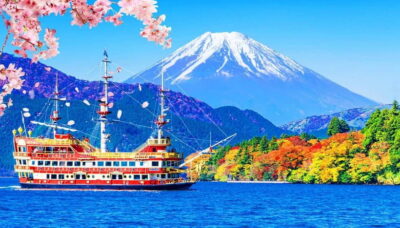 ★ 4.7Tokyo: Mt. Fuji Tour, Hakone Ropeway, Owakudani, Lake AshiFrom $5410 hours
 ★ 4.4Tokyo:Mt.Fuji,Kawaguchiko Oishi Park,Arakurayama Sengen ParkFrom $5410 hours