Reviewed · KAMAKURA & ENOSHIMA DAY TRIPS
Kamakura Day Trip from Tokyo with a Local: Private & Personalized
Kamakura packs medieval temples, forested hills, a famous bronze Buddha, and a broad seaside setting into an easy day from Tokyo. This private, personalized tour lets you build the day around what you actually care about, rather than following a fixed route with strangers.
In This Article
- Key points to know
- Why Kamakura makes a good day from Tokyo
- Starting with the JR train from Tokyo Station
- Komachi Street, where old Kamakura meets modern Japan
- Tsurugaoka Hachimangu and Kamakura’s samurai past
- Hase-dera, temple grounds with seasonal appeal
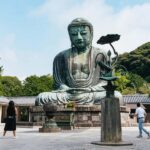
- Meeting Kamakura’s Great Buddha
- Hokokuji’s bamboo and matcha stop
- Engakuji and the forested hills of Kita-Kamakura
- The coast, forests, and a casual side of Kamakura
- What the private host adds
- Price, walking, and what you actually receive
- Who should book this Kamakura day trip
- Should you book it?
- FAQ
- How long does the Kamakura tour last?
- Is the tour private?
- Are train tickets included?
- Are food and drinks included?
- Are attraction admission tickets included?
- Is transportation within Kamakura included?
- Where does the tour start and finish?
- Can I request a hotel meeting point?
- Can I cancel for a full refund?
I like the included round-trip JR train tickets, which remove one small but annoying part of planning. I also like the host matching process, since you can share your interests before the day and may be paired with a local host such as Kay, Marc, Michael, or Martin.
The main drawback is the amount of walking. Eight hours on foot can be tiring, especially when temple grounds sit on hills or include stairs. Food, attraction tickets, and local transport beyond the JR train are extra, so the final cost can rise.
Key points to know
- Private day with a flexible route: Your host can shape the day around temples, nature, food, art, history, or the coast.
- JR train tickets included: The round trip from Tokyo to Kamakura is covered, while other transport costs are not.
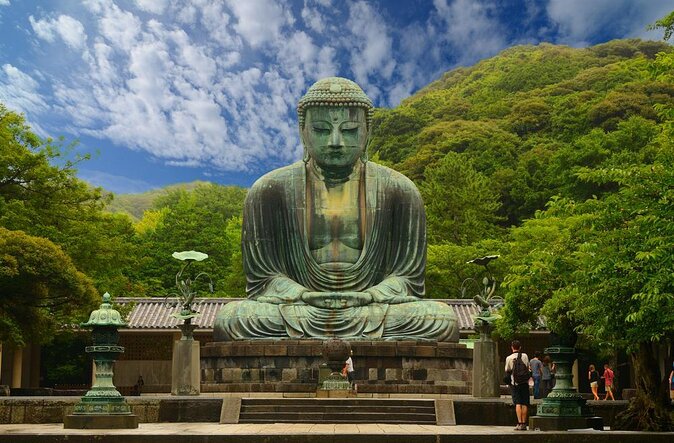
- The Great Buddha is a likely highlight: This nearly 800-year-old bronze Amida Buddha is Kamakura’s most famous sight.
- Hokokuji adds a bamboo grove: A short path leads through bamboo to a tea house serving matcha.
- Walking matters: The day may include hills, temple paths, and a lot of time on your feet.
- Private help can be practical: Host Marc helped one family find elevators and adjust the route around walking difficulties.
Why Kamakura makes a good day from Tokyo
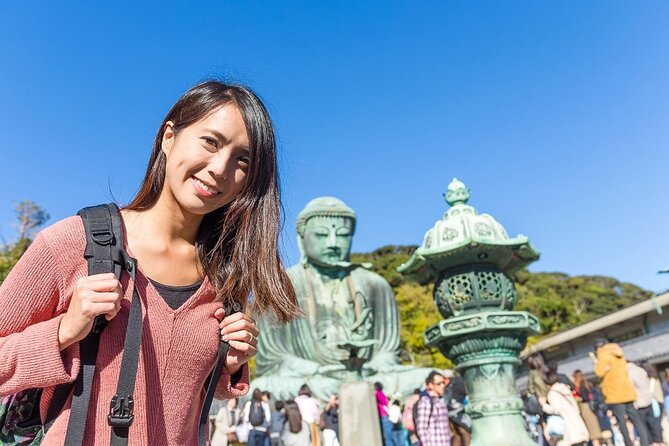
Kamakura gives you a sharp change of pace from central Tokyo. You leave the city by train and spend the day among wooded temple grounds, Shinto shrines, old streets, ocean views, and a beach-town atmosphere.
The city was once the center of Japan’s medieval government. That past is still easy to feel, especially around Tsurugaoka Hachimangu, the major shrine tied to the Minamoto family and the samurai tradition. At the same time, Kamakura is not a museum frozen in time. Komachi Street brings food stalls, small shops, and modern boutiques right up to the approach to the shrine.
I like this mixture. You get culture and history, but you also get room for a casual lunch, a gallery visit, or a stop near the sea. The private format matters here because your host can spend more time on the parts that catch your interest.
The tour lasts about eight hours. That is enough time for a full Kamakura day, but it is not enough to linger everywhere on the possible route. Your host will need to make choices, especially if you want both the main sights and a relaxed meal.
A few more Tokyo tours and experiences worth a look
Starting with the JR train from Tokyo Station
The listed starting point is the JR East Travel Service Center near Tokyo Station’s Marunouchi North Gate. The exact meeting place is flexible and can be arranged with your host. You may request a meeting at your hotel or accommodation, or meet at a convenient point near the start.
The included JR tickets are a useful touch. You do not need to work out a separate return fare, and your host can help guide you through the departure process. The train ride also gives the day a clear beginning without requiring a private vehicle.
The rest of the day is primarily a walking experience. Other transport can be arranged at an additional cost, but it is not included. If you have limited stamina, tell the host in advance through the questionnaire and again at the start of the day.
Komachi Street, where old Kamakura meets modern Japan
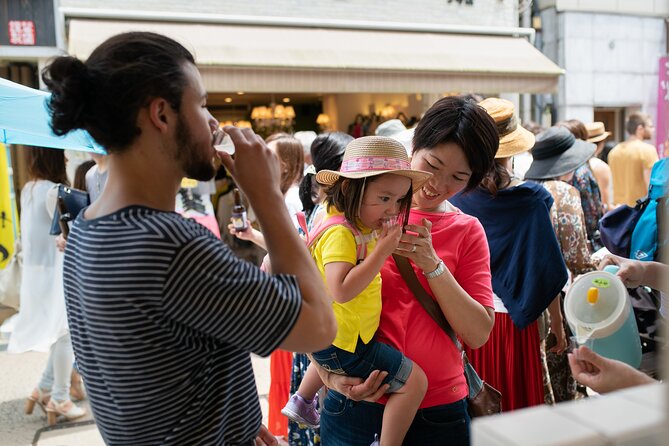
A natural opening stop is Komachi Street. This busy strip leads toward Tsurugaoka Hachimangu and offers a quick look at contemporary Kamakura.
You will find food stalls and trendy boutiques along the route. It is a useful place to get your bearings, browse snacks, and see how daily shopping fits around one of the city’s most important religious sites.
I would not treat Komachi Street as the main historical stop. Its value is contrast. After a train ride and a morning of temples, it gives you an easy place to pause and choose lunch or a snack.
Your host can also use this stretch to tune the day to your tastes. A food-focused visit may spend more time sampling local items. A history-focused visit may move more quickly toward the shrine and temple grounds.
Tsurugaoka Hachimangu and Kamakura’s samurai past
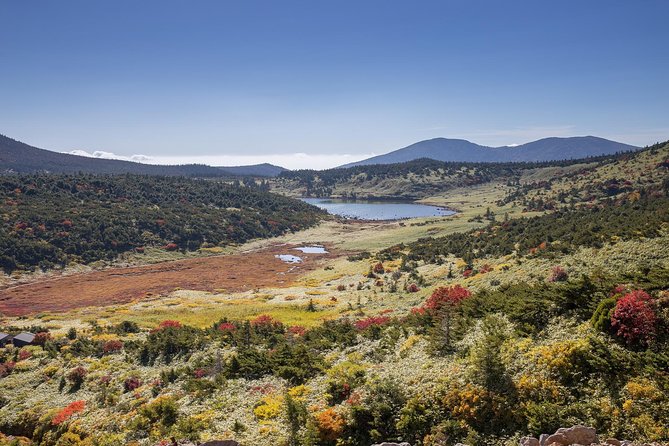
Tsurugaoka Hachimangu is Kamakura’s best-known shrine. Hachiman, the patron deity of the Minamoto family and of samurai in general, is worshipped here.
This is one of the places where a local host adds real value. The buildings and approach are impressive on their own, but the meaning behind the shrine is less obvious if you simply arrive, take photos, and leave. Your host can explain the link between the shrine, the Minamoto family, and Kamakura’s role in feudal Japan.
Allow time for the approach and grounds. The setting connects the modern shopping street with the older ceremonial center of the city. It also gives you a strong introduction before smaller temples later in the day.
The tradeoff is scale. This is a major attraction, so it may feel less quiet than a smaller temple. If you prefer forest paths and calm courtyards, tell your host so the day does not lean too heavily toward the city’s busiest sights.
Hase-dera, temple grounds with seasonal appeal
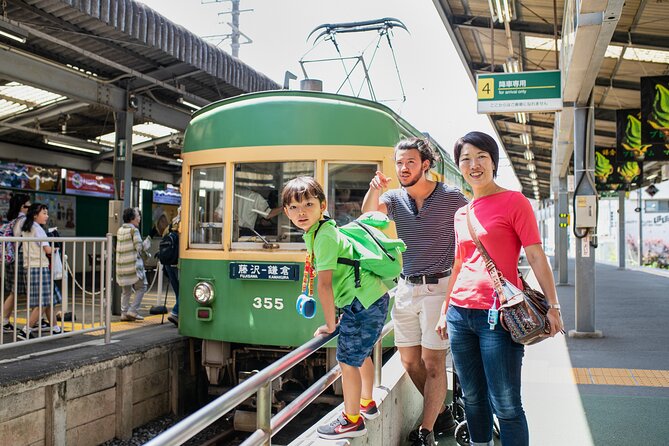
Hase-dera is one of the suggested temple stops, and it is especially appealing in June, when hydrangeas flower around the grounds. The temple also fits well into a day focused on Japanese religious art, gardens, and hillside settings.
The exact route is not fixed. Your host chooses the places based on your interests, so Hase-dera may or may not be included. If the hydrangea season matters to you, mention it before the tour rather than assuming it will be part of the plan.
This is also another point where walking can add up. Temple grounds may involve slopes, steps, or uneven paths. The host can help adjust the pace, and Marc is specifically noted for helping with elevators and making the route easier for a family with walking concerns. Still, you should treat this as an active day rather than a coach tour.
Other private tours in Tokyo


Meeting Kamakura’s Great Buddha
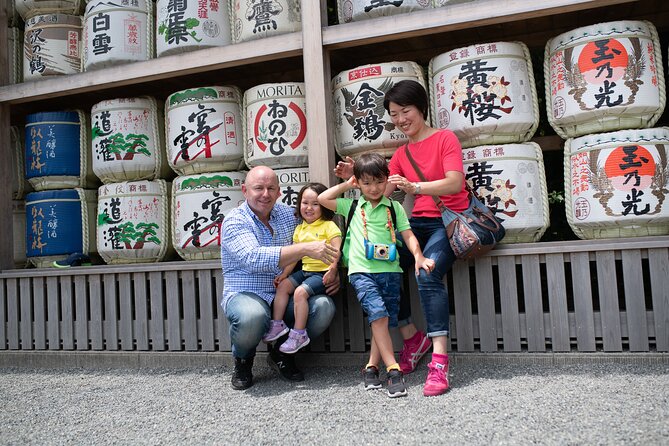
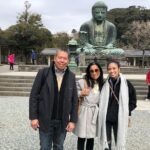
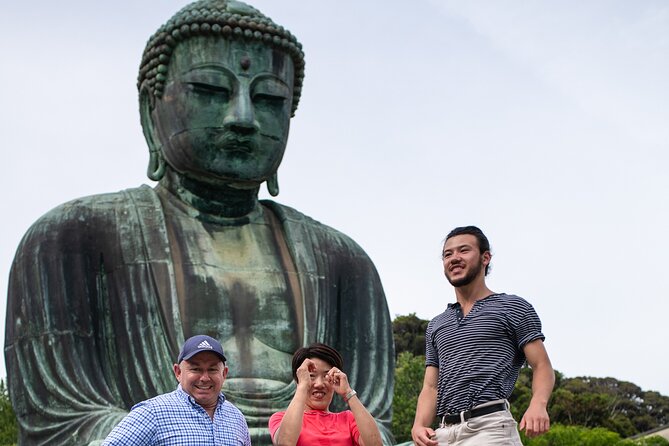
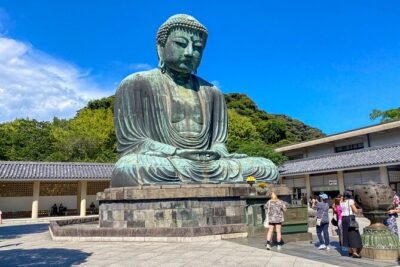
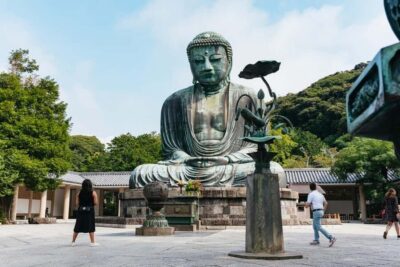
The Great Buddha is the city’s signature sight. This huge bronze statue of Amida Buddha is nearly 800 years old and gives the day its most memorable single image.
The statue is powerful because of its size and age, but the setting also matters. You are seeing a major religious object in the open air, within a historic temple area, rather than behind glass in a modern gallery.
An entrance ticket is not included, so budget separately for attractions. Your host can explain the site and help you decide how much time to spend there. If you are visiting Kamakura for the first time, I would make the Great Buddha a priority even if you choose to skip some of the other suggested stops.
The area can become a photo-heavy pause, so a good host should help keep the visit connected to the wider story of Kamakura. The private format makes it easier to ask questions and avoid rushing through a place that deserves more than a quick snapshot.
Hokokuji’s bamboo and matcha stop
Hokokuji Temple offers a different mood. A narrow path runs through a small bamboo grove behind the main hall and leads to a tea house where you can sit with a cup of matcha.
This is not a vast bamboo forest. Its appeal comes from being compact and calm, with the tea stop built into the visit. It gives you a chance to slow down after walking through larger shrine and temple complexes.
Kay’s day included the bamboo grove, the Great Buddha, a local art gallery, and udon for lunch. That combination shows how useful the flexible format can be. You are not limited to major monuments if you would rather mix famous sights with food and local art.
Hokokuji is also a place where time matters. A quick look at the bamboo takes only a short while, but sitting for matcha changes the pace of the day. Tell your host if you want that slower break, since a tightly packed route may otherwise move on quickly.
Engakuji and the forested hills of Kita-Kamakura
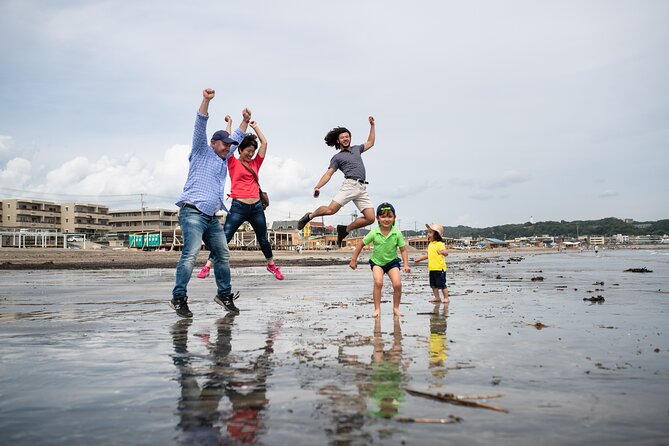
Engakuji is one of the leading Zen temples in eastern Japan. It sits among the forested hills of Kita-Kamakura, giving you a more secluded setting than the central shrine district.
This stop suits you if you want Zen temple architecture, wooded paths, and a quieter sense of place. It can also help balance the day if you have already seen busy streets and major attractions.
The practical issue is distance and energy. A route that includes Engakuji, Hase-dera, the Great Buddha, Hokokuji, and Tsurugaoka Hachimangu could become ambitious within eight hours. You should ask your host to rank the stops instead of trying to collect every possible sight.
The private arrangement is most useful here. Your host can decide which temple best matches your interests and cut stops that would make the day feel hurried.
The coast, forests, and a casual side of Kamakura
Kamakura is not only temples. The town sits beside the ocean, and the suggested experience includes time for forests, coastal views, and perhaps a stop at a surf shack for a beer.
That coastal element gives the day a welcome change of tone. You can move from religious history to the everyday side of a seaside town. If you are tired of formal sightseeing, this is where the tour can feel more like spending a day with a local than completing a checklist.
Food and drinks are not included. The same applies to attraction tickets and local transport beyond the round-trip JR train. Bring enough budget for lunch, refreshments, and any admission fees your route requires.
You may also request a local cafe, udon lunch, or an art gallery if those interests appeal to you. One host helped create a day that included udon and unique art, showing that the experience can work well for people who want more than the standard temple circuit.
What the private host adds
The biggest strength here is not simply having someone lead you from one sight to another. It is the ability to shape the day around your pace and interests.
Before the tour, you receive a short questionnaire. You can share your preferences, and the company matches you with a like-minded local host. Named hosts connected with past bookings include Kay, Marc, Michael, and Martin, though you should not book expecting a particular person unless the provider confirms that arrangement.
The host can focus on Japanese heritage, samurai history, Zen temples, nature, food, art, or a mix of all five. Martin, for example, combined major temples with cultural insight and a local cafe. Michael was described as patient and helpful while getting a group around the city.
Because the experience is private, only your group participates. That is useful for families, couples, and small groups with different energy levels. It also means the quality of the day depends heavily on the host match and on how clearly you explain your priorities.
Price, walking, and what you actually receive
The listed price is $323.38 per person, and group discounts may be available. That is a substantial price for a day trip, especially since meals, attraction admissions, and most transport are extra.
You are paying for a private eight-hour host, a custom route, and the included round-trip JR train tickets. For a family or small group, the group discount may improve the value. For a solo visitor, the cost is harder to justify unless you place a high value on personal guidance and flexible planning.
A cheaper self-guided day is possible if you are comfortable handling trains, temples, maps, and timing alone. You may also see more places independently if you do not need explanations or route changes.
I see the price as reasonable for travelers who want help making sense of Kamakura and do not want to spend their only day there working out logistics. It is less appealing if you prefer a strict list of sights, have a tight budget, or are happy using a guidebook and public transport.
The tour is often booked far ahead, with an average booking lead time of 101 days. That suggests you should reserve early for a particular travel date, especially if your Tokyo schedule is fixed.
Who should book this Kamakura day trip
This experience suits you best if you want:
- A private day instead of a shared group tour
- Help connecting temples and shrines to Japanese history
- A flexible balance of major sights and local stops
- Assistance with trains and day planning
- A route adjusted to your walking pace and interests
- A host who can help with food, art, or casual seaside time
Families may find the private format especially useful. You can ask for a slower pace, and the host can help locate elevators where available.
It is less suitable if you dislike walking, want every cost included, or expect a fixed itinerary with guaranteed stops. Since places may differ from the suggested sights, confirm your priorities before the day begins.
Should you book it?
Book this tour if you want Kamakura explained as a living town, not just a row of famous monuments. The combination of JR tickets, a private host, the Great Buddha, temples, bamboo, food options, and coastal time gives you a strong framework for a full day.
Before paying, decide what matters most: the Great Buddha, samurai history, Zen temples, June hydrangeas, bamboo and matcha, local food, or the seaside. Share that clearly in the questionnaire, and plan for a lot of walking plus extra money for meals and admissions.
If you value personal attention and have room in your budget, this is a well-rounded way to see Kamakura from Tokyo. If price is your main concern, go independently. If comfort and flexibility matter most, the private format earns its keep.
FAQ
How long does the Kamakura tour last?
The experience lasts approximately eight hours.
Is the tour private?
Yes. Only your group participates in this private activity.
Are train tickets included?
Round-trip JR train tickets between Tokyo and Kamakura are included.
Are food and drinks included?
No. Food and drinks are not included in the tour price.
Are attraction admission tickets included?
No. Tickets to attractions are not included.
Is transportation within Kamakura included?
No. Transport costs other than the included round-trip train are extra. The experience is mainly a walking tour, though other transport can be arranged at an additional cost.
Where does the tour start and finish?
The listed starting point is the JR East Travel Service Center at Tokyo Station’s Marunouchi North Gate. The activity ends back at the meeting point, while the exact meet-up location can be arranged with your host.
Can I request a hotel meeting point?
Yes. You can request to meet at your hotel or accommodation, or arrange another convenient meeting point near the start.
Can I cancel for a full refund?
Yes, if you cancel at least 24 hours before the experience start time. Cancellations or changes made less than 24 hours before the start are not accepted for a refund.
More 1-Day Tours in Tokyo

More Private Tours in Tokyo
More Kamakura & Enoshima Day Trips in Tokyo


More tours in Tokyo we've reviewed












Kamakura & Enoshima Day Trips, compared.
 ★ 4.5Tokyo: Kamakura & Enoshima Day Trip including Temple TicketsFrom $589 hours - 570 minutes
 ★ 5.0Mount Fuji, Kamakura, Big Buddha, & Lake Ashi Day TripFrom $109
 ★ 4.7Tokyo: Mt Fuji, Kamakura, Lake Ashi & Big Buddha Guided TourFrom $50
 ★ 4.5From Tokyo: Kamakura & Enoshima 1-Day Bus TourFrom $66
 ★ 4.9Tokyo:Sea of Mount Fuji, Hakone Ropeway, Ōwakudani, EnoshimaFrom $5010 hours
 ★ 5.0Kamakura 8 hr Private Walking Tour with Licensed Guide from TokyoFrom $201