Reviewed · TOKYO
Tokyo Time Machine: Exploring Old School Monzen-Nakacho
Monzen-Nakacho gives you a side of Tokyo that many visitors miss: small food shops, Buddhist ritual, neighborhood sake, and narrow bars where the menu may be hard to read but the welcome is warm. This five to six hour walk links those pieces with a local guide, usually in a group of no more than six.
In This Article
- Key points to know before booking
- Why Monzen-Nakacho makes a good food-walk base
- Starting with Fukagawa meshi and the neighborhood’s food traditions
- Fukagawa Fudodo and the fire ceremony
- Sake, oysters, and Tokyo’s standing bars
- What the guide adds to the experience
- Is $195 a fair price?
- Who should book this Monzen-Nakacho walk?
- Booking details and cancellation
- Should you book Tokyo Time Machine?
- FAQ
- Where does the Tokyo Time Machine tour start?
- What time does the tour begin?
- Where does the tour finish?
- How long does the experience last?
- What food and drinks are included?
- Is transportation included?
- How many people can join the tour?
- Is there a minimum age?
- Can I cancel for a full refund?
I like the temple fire ceremony, which gives the food stops a cultural setting rather than treating Japanese cuisine as a string of tastings. I also like that dinner, snacks, alcoholic drinks, and tea or coffee are included, so you can focus on the experience instead of keeping track of every small bill.
The main drawback is the price: $195 per person is a serious outlay for a walking tour. You also need to be comfortable with several hours of walking, standing in compact bars, and an afternoon that turns into evening.
Key points to know before booking

- A neighborhood beyond the standard Tokyo circuit: Monzen-Nakacho offers local temples, old shops, and small drinking places instead of the city’s usual headline sights.
- Fukagawa food at the start: Look for sushi and fukagawa meshi, clams served over rice and closely tied to the area.
- A Buddhist fire ceremony: The visit to Fukagawa Fudodo adds a striking religious element to the food walk.
- Small-group access: The maximum group size is six, useful when entering tiny izakayas and standing bars.
- Food and drinks are covered: Dinner, snacks, alcoholic drinks, and coffee or tea are part of the $195 cost.
- Strong guide-led experience: Michelle, Elly, and Mairi are among the guides praised for their local connections and clear explanations.
Why Monzen-Nakacho makes a good food-walk base

Tokyo can feel endless. You can spend days among department stores, neon streets, and famous markets, yet still miss the ordinary neighborhoods where people eat after work and stop for a drink. Monzen-Nakacho offers a more grounded contrast.
The area is known for its old-school character, religious sites, small storefronts, and backstreet drinking spots. You are not simply moving from one famous attraction to another. Instead, the guide uses food and drink to explain how this part of Tokyo works.
That makes the tour especially useful early in a Japan trip. Your guide can explain customs at the table, the role of sake, how a standing bar operates, and what kinds of places you might feel confident entering later on your own. Guides such as Michelle, who has lived in Japan for 20 years, bring personal links with local owners and food makers. Elly and Mairi are also praised for combining neighborhood history with practical food knowledge.
The small group matters here. A party of six can fit into cramped shops more easily than a large coach group, and you can ask questions without shouting across a crowd. It also makes introductions with shop owners feel more natural.
If you're still narrowing it down, here are other tours in Tokyo we've reviewed.

Starting with Fukagawa meshi and the neighborhood’s food traditions
The walk begins at 1:00 p.m. at Monzen-Nakacho Station, at 2 Chome-4 Monzennakacho in Koto City. From there, you head into the backstreets and toward Fukagawa Fudodo.
The first food stop centers on local cooking, including sushi and fukagawa meshi. This specialty features clams served over rice. It is simple, hearty food, and it reflects the area’s connection to fishermen and the waters around old Fukagawa.
I like this beginning because it gives you a sense of place right away. You are not eating a generic Tokyo dish that could appear anywhere in Japan. The clam rice connects the meal to the neighborhood and gives your guide something meaningful to explain.
The food program can also include other dishes along the way, such as barbecue, carefully prepared small plates, and snacks matched with drinks. The exact selection may vary, so you should treat the schedule as a tasting route rather than a fixed restaurant menu.
If you have celiac disease or need gluten-free food, mention it before the tour. One guide was able to accommodate a gluten-free participant, but the supplied details do not promise a specific menu or guarantee that every stop can meet every dietary need. Clear advance communication is the sensible approach.
Fukagawa Fudodo and the fire ceremony

The visit to Fukagawa Fudodo is the cultural center of the walk. This Buddhist temple is not just a photo stop. You pay your respects and watch a multisensory fire ceremony, an experience that has made a strong impression on people who want more than a standard food tour.
The ritual brings sound, heat, movement, and devotion into the afternoon. Your guide helps explain what you are seeing and how religious practice connects with daily life. The tour also links sake with Japanese culture and religion, showing that drinking traditions have a spiritual side as well as a social one.
This is an important part of the value. Many food walks stay at the level of ingredients and restaurant recommendations. Here, the temple gives you a chance to understand the setting in which food, offerings, sake, and community traditions developed.
You should approach this stop respectfully. It is an active religious site, not a performance arranged only for tourists. The ceremony may be fascinating, but the mood is still one of worship. Follow your guide’s instructions and keep your attention on the surroundings rather than treating it as another quick attraction.
The first section of the experience lasts about three hours, according to the schedule. That time includes the neighborhood walk, food stops, and temple visit. Since the route includes small businesses and backstreets, wear shoes that are comfortable for walking and standing.
Sake, oysters, and Tokyo’s standing bars

After the temple, the pace shifts toward the neighborhood’s drinking places. This is where the tour becomes a practical guide to Japanese nightlife.
A sake specialist is part of the planned route. You can taste different expressions of Japan’s traditional spirit while learning how sake fits into local food culture. The point is not simply to drink several samples. Your guide explains what you are tasting and places it in a larger social and religious context.
The route also includes an oyster shucker who buys oysters directly from fishermen affected by the 2011 tsunami. That detail gives the food a human connection. You are not just receiving an oyster on a plate. You are hearing how a small business can support producers and help keep a local food trade moving.
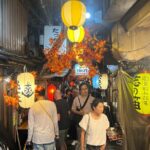
You may also stop at a tachinomi, a Japanese standing bar. These places are often compact, fast-moving, and intimidating if you cannot read the signs or understand the ordering customs. With a guide beside you, you can enter without worrying about language barriers or accidentally breaking an unspoken rule.
A tiny kitchen producing well-made food is part of the appeal. The setting may be less comfortable than a full-service restaurant, but that is also the point. You see how locals use limited space to eat, drink, and socialize.
Local beer, sake, barbecue, and expertly made bites have all been part of the food and drink mix described for this walk. Exact dishes can change with the season, shop availability, and the guide’s route. Come expecting variety rather than one fixed tasting list.
The second portion lasts about two hours. By then, the afternoon has turned toward evening, which suits the bar stops. You finish back at the original meeting point rather than being left in an unfamiliar part of Tokyo.
What the guide adds to the experience

The guide is the difference between wandering through Monzen-Nakacho and understanding it. Without help, you might pass a tiny pub, a family-run food shop, or a temple without knowing why it matters. You might also hesitate to enter a bar where the signs and menu are entirely in Japanese.
Michelle has been singled out for her warmth, long experience in Japan, and close relationships with local food businesses. Elly is praised for guiding the group through the district’s flavors and history, including the religious ceremony. Mairi brings a long connection with Tokyo and the small businesses on the route.
The guide also controls the rhythm. Food and drinks arrive at intervals rather than all at once, which helps you avoid feeling rushed or uncomfortably full. The route has enough variety to keep the afternoon moving, but it is not a race from one tasting to the next.
I would ask your guide questions. What makes fukagawa meshi local? How is the sake being served? What should you order at a tachinomi later in your trip? A small group gives you room to make the walk your own.


Is $195 a fair price?

At first glance, $195 seems high for a walking tour in Tokyo. The price makes more sense when you add up what is included: dinner, snacks, alcoholic beverages, and coffee or tea, along with five to six hours of guiding.
You are also paying for access and confidence. A guide who knows the owners can take you into places that are easy to overlook and difficult to navigate alone. The small group size is another part of the cost. Six people or fewer is a very different experience from a large food tour moving through busy streets.
Still, value depends on how you travel. If you mainly want inexpensive street food and a quick neighborhood walk, this tour will feel costly. If you want a full afternoon of food, drinks, temple culture, explanations, and local introductions, the price is easier to justify.
Private transportation is not included. The tour starts and ends at Monzen-Nakacho Station, and the area is near public transportation. That keeps the logistics fairly simple, but you should arrange your own journey to the station and back to your accommodation.
Who should book this Monzen-Nakacho walk?

I would recommend it to someone who has already seen Tokyo’s major districts or wants to skip the standard sightseeing circuit. It suits people who enjoy trying unfamiliar food, learning the customs behind it, and spending time in small local businesses.
It is also a good fit for solo visitors and couples who want company without joining a large group. The maximum of six keeps the social side manageable and gives you more contact with the guide.
Food-focused visitors will appreciate the range, from clam rice and sushi to sake, oysters, local beer, barbecue, and bar snacks. Culture-focused visitors should not overlook it either. The Buddhist fire ceremony and discussion of sake’s place in religion give the walk more substance than a meal crawl.
You must be at least 18. Most people can participate, but the walk involves moving between stops and spending time on your feet. Anyone who dislikes alcohol, cramped bars, or tasting foods outside their comfort zone should consider a different activity.
The tour is also a poor match for someone seeking a private experience. The group is small, but it is not a private tour. The route and food selection may change, and you should tell the provider about dietary concerns in advance.
Booking details and cancellation

Confirmation is provided when you book. The experience has free cancellation if you cancel at least 24 hours before the 1:00 p.m. start time. Changes or cancellations made within 24 hours are not accepted for a refund, and the cut-off follows Tokyo local time.
The activity is operated by Culinary Backstreets Walks. It is typically booked well ahead, with an average advance booking period of about 93 days, so leaving it until the last minute may not work, especially if your dates in Tokyo are limited.
Should you book Tokyo Time Machine?
Book this tour if you want Tokyo through neighborhood food, local bars, and Buddhist tradition rather than through major sights alone. The combination of fukagawa meshi, the Fukagawa Fudodo fire ceremony, sake, oysters, and a tachinomi creates a varied afternoon with a clear local focus.
Skip it if $195 is beyond your food budget, if you want a short tasting session, or if you prefer a polished restaurant meal to compact neighborhood drinking spots. For the right person, the cost buys more than food. It buys a guide into places you might otherwise walk past, plus the confidence to return on your own.
FAQ
Where does the Tokyo Time Machine tour start?
The tour starts at Monzen-Nakacho Station, at 2 Chome-4 Monzennakacho, Koto City, Tokyo 135-0048, Japan.
What time does the tour begin?
The start time is 1:00 p.m.
Where does the tour finish?
The activity ends back at the meeting point near Monzen-Nakacho Station.
How long does the experience last?
The tour lasts approximately five to six hours. The scheduled sections are about three hours and two hours.
What food and drinks are included?
Dinner, snacks, alcoholic beverages, and coffee or tea are included. Food along the route can include sushi, fukagawa meshi, barbecue, oysters, and small dishes, though the exact selection may vary.
Is transportation included?
Private transportation is not included. The tour begins and ends at Monzen-Nakacho Station, which is near public transportation.
How many people can join the tour?
The group has a maximum of six participants.
Is there a minimum age?
Yes. Participants must be at least 18 years old.
Can I cancel for a full refund?
Yes, if you cancel at least 24 hours before the experience’s start time. Cancellations or changes made less than 24 hours before the start are not accepted for a refund.
More tours in Tokyo we've reviewed












Tokyo, compared.
 ★ 5.0Mt Fuji and Hakone 1-Day Bus Tour Return by Bullet TrainFrom $163
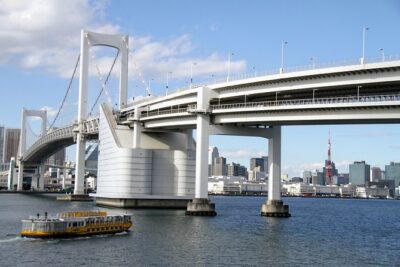 ★ 5.01-Day Tokyo Bus TourFrom $129
 ★ 4.6Tokyo: teamLab Planets TOKYO Digital Art Museum Entry TicketFrom $251 day
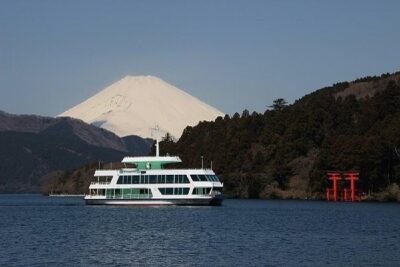 ★ 4.0Mt Fuji & Hakone Cruise, Drum Show Bullet Train 1 Day from TokyoFrom $149
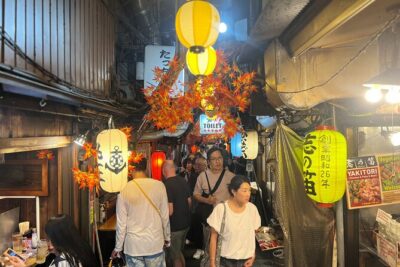 ★ 5.0Tokyo: Shinjuku Food Tour (13 Dishes at 4 Local Eateries)From $86
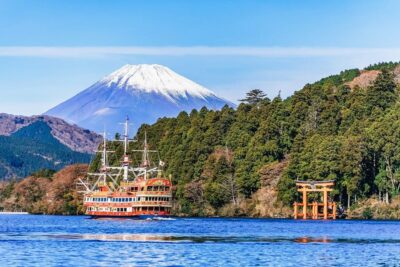 ★ 4.4Tokyo Mt Fuji 5th St & Hakone Cruise Bus Tour w/Bullet TrainFrom $15410 hours