Reviewed · TSUKIJI MARKET TOURS
Tsukiji Fish Market: Street Food & Culture Walking Tour
Tsukiji is best understood with something in your mouth and a local guide beside you. This $22 tour links the grand Tsukiji Hongwanji Temple with the market’s narrow food lanes, where you can try tuna, wagyu, grilled scallops, eel, fish cakes, dumplings, sushi, and other Japanese bites.
In This Article
- Key points at a glance
- Why Tsukiji works better with a guide
- Beginning at Tsukiji Hongwanji Temple
- Entering the outer market
- Fresh wasabi and the small details that matter
- The craft behind Japanese ingredients
- How much food do you really get?
- Timing, closed days, and comfort
- Who will enjoy this Tsukiji walk?
- Should you book it?
- FAQ
- How long is the Tsukiji Fish Market tour?
- What food can I expect to try?
- Is fresh wasabi included?
- Are food purchases included in the $22 price?
- Are shops open every day?
- Is the tour conducted in English?
- Is the activity wheelchair accessible?
I like the fresh-grated wasabi served by the guide, a small touch that changes how you taste the seafood. I also like the flexible eating style: you get recommendations, but you can choose what to buy and how much to spend. The main consideration is the calendar. On Wednesdays, Sundays, and national holidays, roughly half the outer-market shops may be closed.
Key points at a glance
- Fresh wasabi with market seafood: Your guide may grate wasabi to show how it sharpens and rounds out the flavor.
- Temple and market in one walk: The visit begins at Tsukiji Hongwanji Temple, then moves into the food lanes.
- Many small tastings: Try tuna, wagyu, eel, grilled scallops, fish cakes, dumplings, sushi, and more, depending on what is available.
- Guides who shape the experience: Kawa, George, Mao, Tomo, Chihiro, Daichi, and others are praised for clear English and personal recommendations.
- A short, useful introduction: In two hours, you learn how the market works and how ingredients fit into Japanese cooking.
- Bring cash: Food purchases are not presented as one fixed tasting menu, so cash gives you the freedom to buy from the stalls.
Why Tsukiji works better with a guide
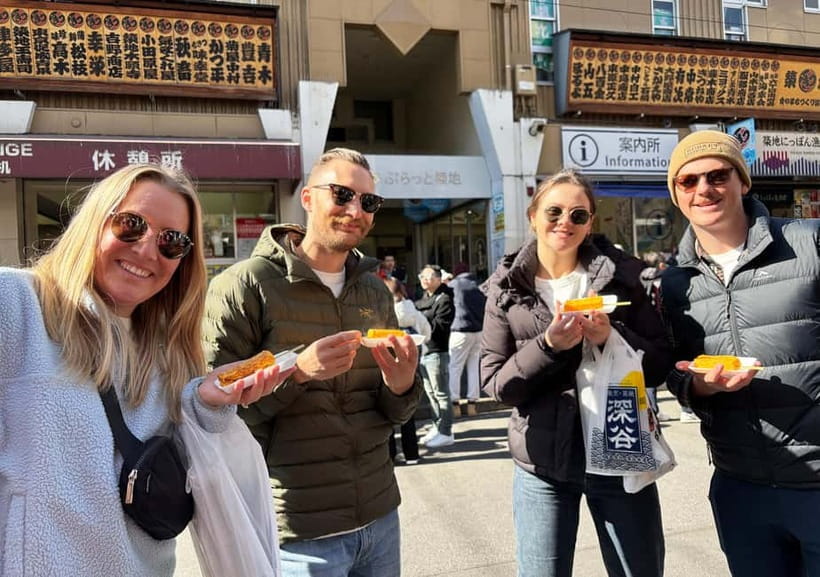
Tsukiji is not the wholesale market it once was. The famous inner market moved to Toyosu, but the outer market remains a major place to find seafood, cooking ingredients, knives, pickles, tea, ceramics, and ready-to-eat food. It is easy to walk through on your own, but it is less easy to know which shop offers a good bite, what an unfamiliar ingredient is, or how to order without confusion.
That is where this tour earns its modest price. Your guide gives the market a storyline instead of leaving you with a maze of signs and food displays. You learn how preservation, seasoning, cutting, and cooking methods affect flavor. A fish product is not simply fresh or not fresh. Salt, drying, fermentation, smoking, and careful storage can bring out more umami and change the texture.
The guides also help you spend wisely. George is especially praised for steering people toward good food at reasonable prices, while Kawa is noted for explaining ingredients and cooking methods in detail. Mao, Tomo, Chihiro, Daichi, and other guides are described as friendly and attentive to food preferences.
The small-group format matters here. Tsukiji’s lanes can be crowded, and a large group would make it harder to stop at compact counters or hear explanations. Some departures may feel nearly private, which is useful if you have questions or want help choosing food.
A few more Tokyo tours and experiences worth a look


Beginning at Tsukiji Hongwanji Temple
The tour starts at Tsukiji Hongwanji Temple, officially written as Tsukiji Hongwan-ji. Its unusual architecture makes it a memorable first stop. Instead of beginning with a quick photo outside, you spend about 20 minutes learning how the temple connects to the neighborhood and Japanese religious customs.
One guide, Chihiro, has been praised for explaining the purification procedure before entering. That introduction gives you a simple bit of cultural context: visiting a temple is not only about taking pictures. Small actions, such as using the purification fountain, have meaning and help you approach the site respectfully.
The temple also provides a welcome pause before the market. Its carved details and calm interior contrast with the food lanes that follow. You do not get a long religious lecture, and that is appropriate for a two-hour food walk. Instead, the temple serves as a compact cultural opening that helps you see Tsukiji as more than a place to eat.
Some departures may include nearby shrines or additional temple sights, but the confirmed route centers on Tsukiji Hongwanji Temple. If the meeting instructions offer more than one starting option, check the exact location carefully. The listed coordinates point to the temple area, and one person reported brief confusion about the meeting place before the guide called to arrange the meeting.
Entering the outer market
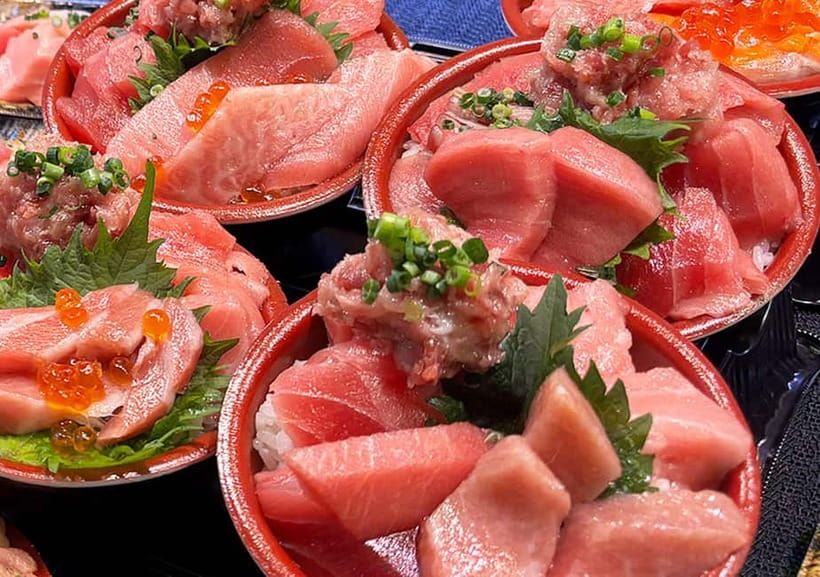
After the temple, about 80 minutes are devoted to the Tsukiji Outer Market. This is the main event. The lanes are lined with shops selling seafood, Japanese ingredients, snacks, kitchen goods, and prepared food. You are not simply marched past displays. The guide explains what you are looking at and helps you decide what is worth tasting.
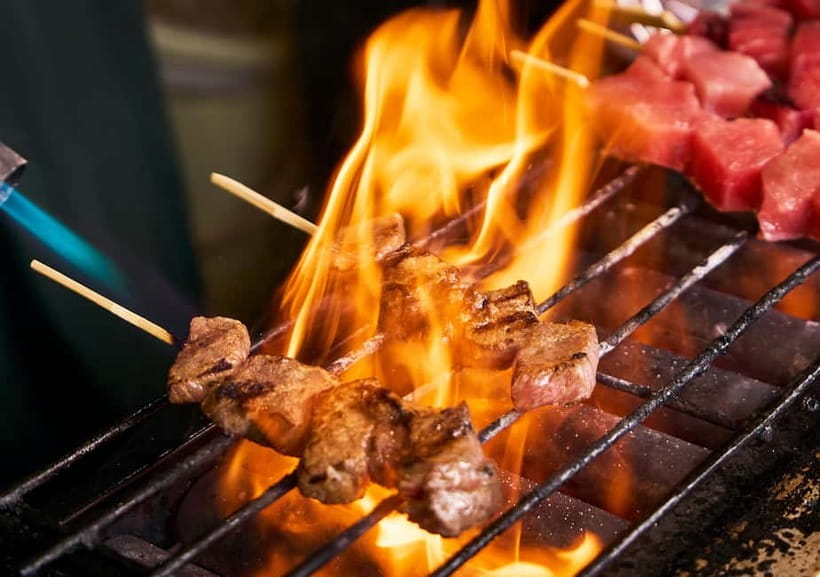
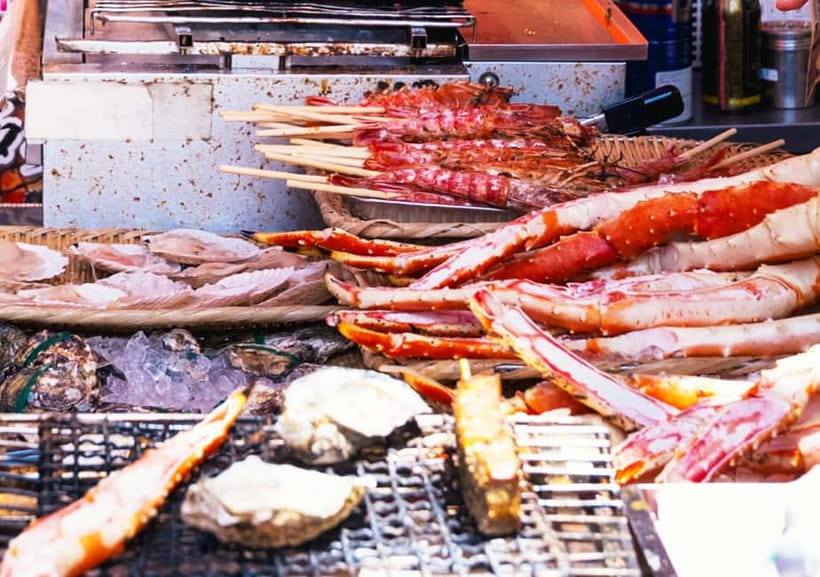
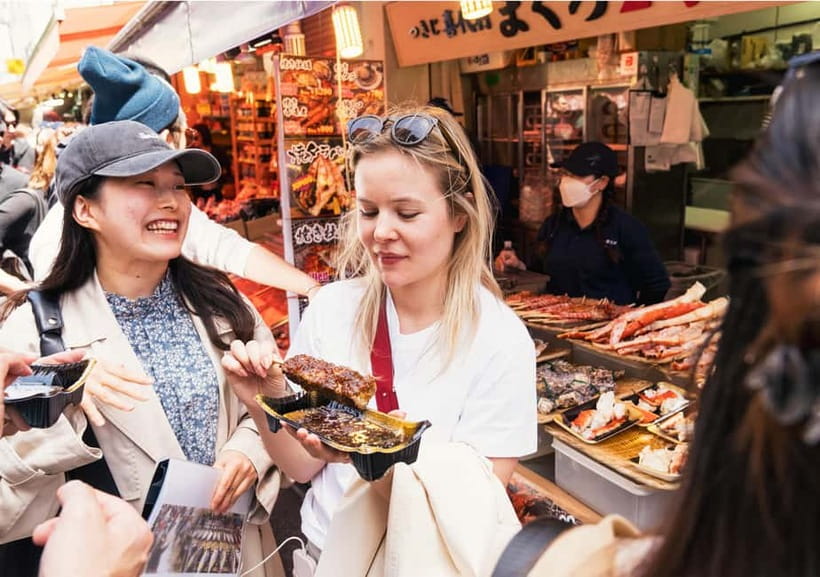
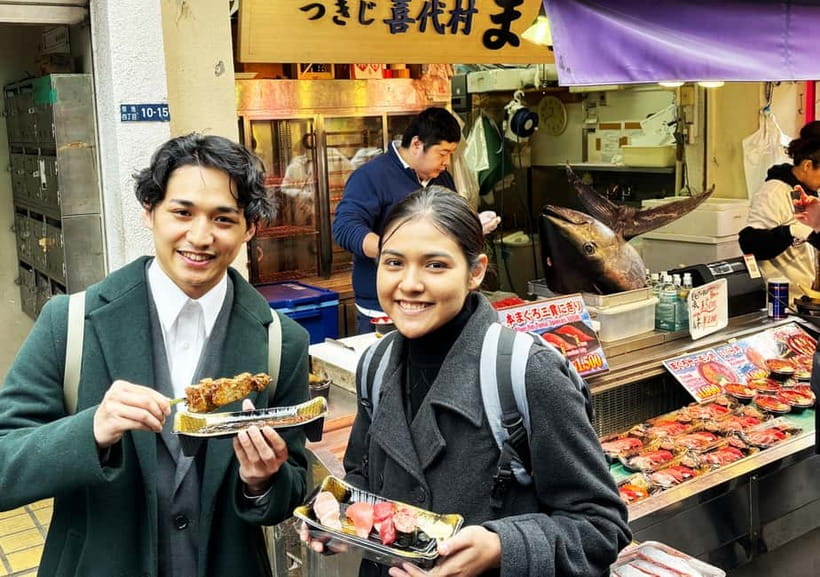
Expect a moving meal rather than a single restaurant sitting. The food may include fresh tuna sushi, sashimi, wagyu skewers, grilled scallops, eel, skewered octopus, fish cakes, omelets, dumplings, and other traditional street foods. The exact selection can change with the shops open that day and your own choices.
That flexibility is one of the tour’s strengths. You can spend a little or more, and you can skip anything that does not appeal to you. A guide may suggest the best option at a particular stall, but you are not locked into an expensive set menu. Bring cash because the experience depends on buying individual bites and market goods.
The food is also a lesson in texture. Tuna shows the clean, soft side of Japanese seafood. Grilled shellfish brings smoke and sweetness. Wagyu offers a rich, tender contrast to fish. Eel, fish cake, and omelet show how Japanese food culture includes much more than raw seafood.
Guides have also helped people try foods they would not have chosen alone. Rita appreciated having unfamiliar ingredients identified along with their cooking methods. That kind of explanation makes a difference when you are facing a tray of items with no clear English description.
Fresh wasabi and the small details that matter
The special wasabi set is one of the most memorable details of this experience. Several guides, including Daichi and Mao, have been associated with fresh-grated wasabi during the walk. It is not just a stronger version of the green paste familiar from many restaurants. The point is to taste how wasabi affects seafood when used carefully.
A little wasabi can make tuna taste brighter and cleaner. It can also add a gentle sweetness and aroma rather than only heat. Your guide may show you how much to use and which foods benefit from it. That makes the tasting more useful than simply being handed a condiment.
Other practical touches have also been part of the guiding style. George and Tomo have been praised for carrying napkins and wipes, an important kindness when you are eating on the move. Guides may also take photos, answer cultural questions, and help you return to a stall later.
The market rewards curiosity, but it can punish hesitation. Popular food counters may have queues, and it is not always obvious how the line works. One guide, Naoto, reportedly handled lines while the group looked around nearby stalls. That arrangement can save time, though you should still expect the pace to depend on shop conditions.
The craft behind Japanese ingredients
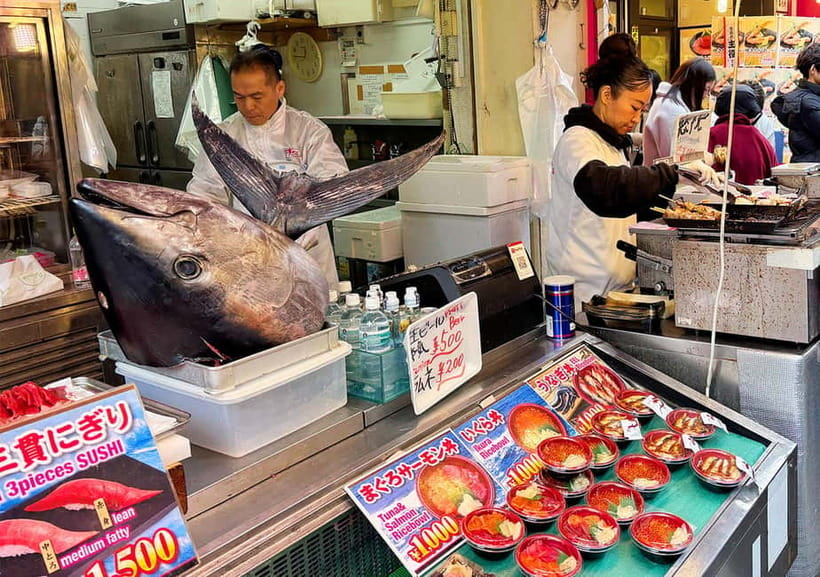
The best part of the tour is not the number of foods you taste. It is the explanation of why they taste the way they do. Tsukiji brings together artisans who cut fish, grill seafood, prepare sushi, preserve ingredients, and sell specialty products for home cooks.
A fish-cutting demonstration may be available, though it should not be treated as guaranteed on every departure. It has been a highlight for people interested in how a large fish becomes precise portions for sushi and other dishes. If you hope to see this, avoid Wednesday when possible, since many shops may be closed and the market can operate on a reduced schedule.
Preservation techniques are another valuable theme. Japanese cuisine relies on methods that develop flavor over time. Drying removes moisture and concentrates taste. Salting changes texture. Fermentation creates savory depth. These practices explain why a small portion of an ingredient can taste so powerful.
You may also see products meant for cooking at home, not just snacks for visitors. The market sells traditional ingredients, spices, rice snacks, and other food items. Some people use the walk to buy supplies for the rest of their Japan trip, while others browse ceramics and kitchen goods. George has been praised for pointing out shopping options as well as food.
Other walking tours we've reviewed in Tokyo



How much food do you really get?
At $22 per person, the tour is inexpensive for a guided introduction to one of Tokyo’s best-known food districts. The price does not mean every bite is included. You should budget extra cash for the food you decide to purchase.
That arrangement is fair because appetites and budgets vary. You might prefer several small samples, while someone else in your group may want one larger seafood bowl or a premium wagyu skewer. A sashimi bowl has been recommended after the tour, but it is an additional choice rather than a guaranteed part of the two-hour route.
I see the price as paying mainly for orientation, translation, cultural context, and vendor guidance. If you already know Tsukiji well and are comfortable choosing stalls alone, you can certainly explore independently. One person felt that the market could be handled without a tour after doing some research.
For a first visit, though, the guide can save you from random choices and tourist-priced mistakes. The value is strongest for people who want to taste several things but do not know where to begin.
Timing, closed days, and comfort
The full experience lasts two hours. About 20 minutes are set aside for the temple, about 80 minutes for the main market visit and food tasting, and another 20 minutes for the final market walk and return to the temple meeting area.
That is enough time for a focused introduction, not enough for a leisurely survey of every lane. You will need to keep moving, especially if the market is crowded or a food counter has a queue. Wear comfortable shoes and expect to eat while walking or standing, since the tour is built around market stalls rather than a long seated meal.
Wednesday, Sunday, and national holidays are the key dates to watch. About half of the outer-market shops may be closed, and the experience can differ from a normal market day. The tour can still operate, but you may see fewer vendors, have fewer tasting choices, and miss some demonstrations.
Summer heat can also affect comfort. One guide made a point of finding shade during a very hot July walk. That kind of care is useful, but no guide can change the weather, so bring water and dress for the forecast.
The activity is wheelchair accessible, and an English-speaking live guide leads the walk. The meeting point can vary by booking option, so confirm the exact place before setting out.
Who will enjoy this Tsukiji walk?
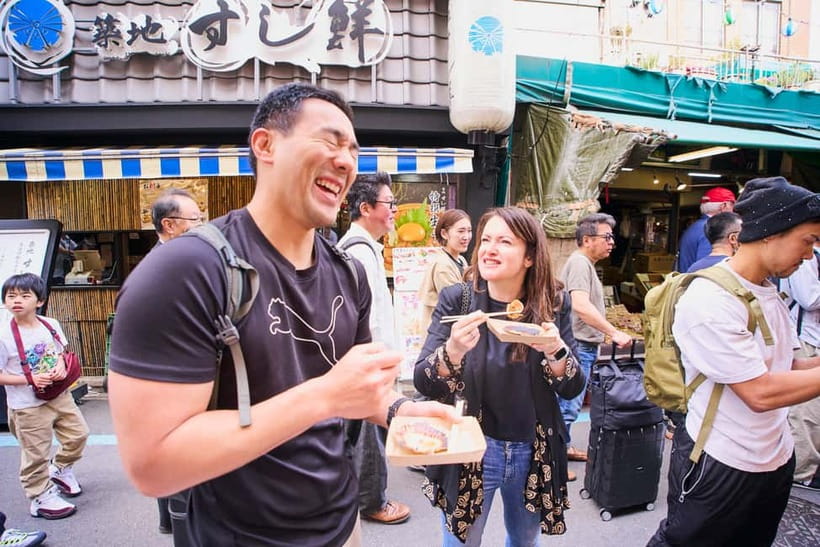
This tour suits first-time visitors to Tokyo who want a quick, friendly introduction to Japanese food culture. It is especially helpful if you want to try seafood but feel unsure about ordering, identifying ingredients, or choosing a trustworthy stall.
It also works well for curious eaters who want more than sushi. The mix may include wagyu, eel, grilled scallops, octopus, dumplings, fish cakes, omelet, and market snacks. You can try familiar food and then take a small risk with something new.
Families and mixed groups may appreciate the flexible spending. Each person can choose according to appetite and comfort. People who need a strict meal plan, a guaranteed menu, or a long seated lunch may find the format less suitable.
Food specialists, serious market shoppers, and repeat Tokyo visitors should weigh the cost against their experience. The tour’s value comes from guidance and explanation, not secret access to a wholesale auction. If you have already explored Tsukiji and researched its vendors, independent wandering may be enough.
Should you book it?
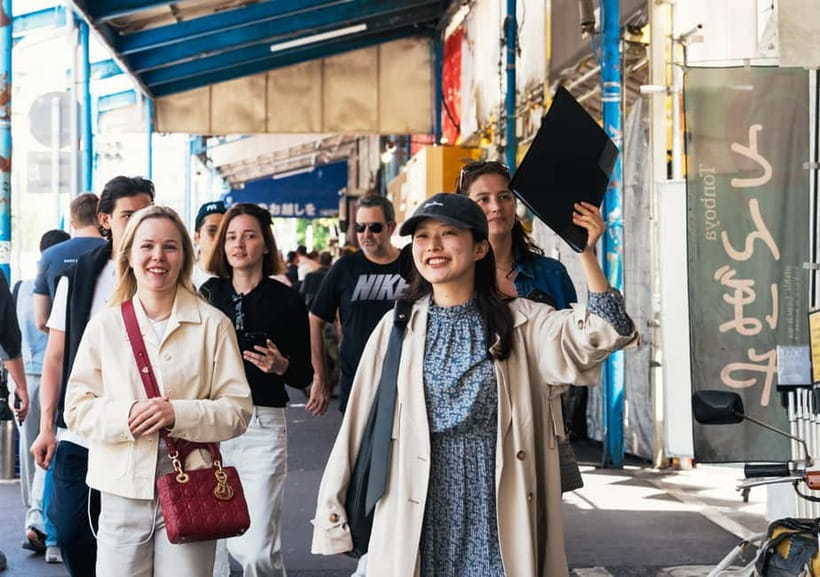
Book this tour if you want to get your bearings quickly, taste several Japanese foods, and understand the market instead of merely photographing it. The fresh wasabi, guide-selected stalls, temple visit, and food explanations give the two hours a clear purpose.
I would choose a normal market day rather than Wednesday, Sunday, or a national holiday when possible. Bring cash, arrive at the confirmed meeting point, and leave room in your budget for extra bites. If you want a low-cost introduction with strong personal guidance, this is an easy recommendation. If you prefer to browse slowly and choose everything yourself, save the $22 and explore Tsukiji independently.
FAQ
How long is the Tsukiji Fish Market tour?
The tour lasts two hours. The route includes about 20 minutes at Tsukiji Hongwanji Temple, about 80 minutes of market touring and food tasting, and another 20 minutes in the outer market.
What food can I expect to try?
Possible tastings include fresh tuna, sushi, sashimi, wagyu, grilled scallops, eel, skewered octopus, fish cakes, omelet, dumplings, and other traditional street foods. The exact selection depends on shop availability and your choices.
Is fresh wasabi included?
A special wasabi set is part of the experience, and guides may grate fresh wasabi for tasting. The wasabi is used to show how it can enhance seafood and other foods.
Are food purchases included in the $22 price?
The guided tour and market exploration are included, but you should bring cash for food and other purchases you choose to make at the stalls.
Are shops open every day?
About half of the Tsukiji Outer Market shops may be closed on Wednesdays, Sundays, and national holidays. Tours can still take place, but the selection and atmosphere may differ.
Is the tour conducted in English?
Yes. The tour has a live English-speaking guide.
Is the activity wheelchair accessible?
Yes, the activity is listed as wheelchair accessible. Small-group availability is also offered.
More Food Experiences in Tokyo

More Walking Tours in Tokyo
More Tsukiji Market Tours in Tokyo
More tours in Tokyo we've reviewed












Tsukiji Market Tours, compared.
 ★ 5.0Tokyo Tsukiji Fish Market Food and Culture Walking TourFrom $99
 ★ 5.0Tokyo: Tsukiji Fish Market Food and Walking tourFrom $30
 ★ 4.9Tokyo: Tsukiji Fish Market Guided Walking TourFrom $222 hours
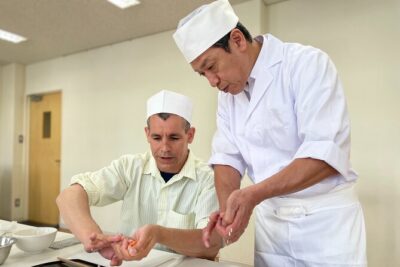 ★ 5.0Tokyo Sushi Making Class in Tsukiji with Professional ChefFrom $49
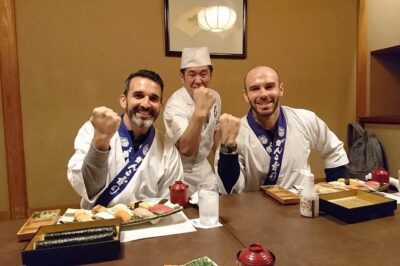 ★ 5.0Tsukiji Fish Market Guided Tour and Sushi Making with Pro ChefFrom $104
★ 4.7Tokyo: Tsukiji Fish Market Food and Culture Walking TourFrom $963 hours
★ 5.0Tsukiji Fish Market Guided Tour and Sushi Making with Pro ChefFrom $104
★ 4.7Tokyo: Tsukiji Fish Market Food and Culture Walking TourFrom $963 hours