Reviewed · ASAKUSA TOURS
Full Tokyo: Meiji Shrine, Imperial Palace, Asakusa & Skytree
Tokyo packs a lot into a small area, and this seven-hour coach tour gives you a quick look at its biggest names. You’ll see the famous Shibuya Crossing, walk through the forested grounds of Meiji Shrine, visit Senso-ji in Asakusa, and finish high above the city at Tokyo Skytree.
In This Article
- Key points to know before booking
- A fast route through Tokyo’s big contrasts
- Starting in Ginza and spotting Shibuya Crossing
- Meiji Shrine: Tokyo’s quiet green pause
- A moving glimpse of Shinjuku and Godzilla
- The Imperial Palace is mainly an exterior photo stop
- Hamarikyu Gardens offers the day’s calmest setting
- Akihabara from the coach
- Two hours in Asakusa for Senso-ji and lunch
- Tokyo Skytree gives the day a clear finale
- Is $80 a fair price for seven hours?
- Who will get the most from this tour?
- Should you book Full Tokyo?
- FAQ
- How long does the Tokyo tour last?
- Where does the tour start?
- How early should I arrive?
- Which languages are available?
- Is lunch included?
- Is Tokyo Skytree admission included?
- Does the tour visit the inside of the Imperial Palace?
- Where does the activity finish?
I like the mix of quiet and spectacle: Hamarikyu Gardens offers a calm break beside Tokyo Bay, while Akihabara and Shinjuku give you a glimpse of modern Tokyo from the coach. The English and Spanish guide makes the tour useful for mixed-language groups. The main drawback is pace. Some stops are brief, and one critical account says the actual time at several sights was shorter than expected.
Key points to know before booking
- Seven major Tokyo areas in one day: Ginza, Shibuya, Meiji Shrine, Shinjuku, the Imperial Palace, Hamarikyu Gardens, Akihabara, Asakusa, and Tokyo Skytree.
- A bilingual English and Spanish guide: One English-speaking participant specifically praised Pastor and George for making sure the information was explained in English.
- Asakusa is your longest stop: You get about two hours for Senso-ji, lunch if selected, and independent exploring.
- The Imperial Palace is mainly a photo stop: Expect to see the exterior rather than enter palace buildings.
- Tokyo Skytree is the finale: The tour finishes there, with observation-deck access included.
- Good value for first-time visitors, less so for deep sightseeing: At $80, transport and Skytree access help justify the price, but the tour may feel costly if you want long visits or detailed guiding.
A fast route through Tokyo’s big contrasts

This experience is designed for a first look, not a slow study of each neighborhood. You begin in central Ginza and move by coach through Tokyo’s major districts, mixing sacred sites, imperial architecture, gardens, shopping streets, and skyline views.
That structure solves a real Tokyo problem. The city’s sights are spread out, and connecting them by public transport can take time, especially if you are still learning the rail system. Here, you can sit back between stops and let the guide handle the broad route.
The tradeoff is equally clear. Seven hours sounds generous, but Tokyo traffic can eat into sightseeing time. The planned schedule gives Meiji Shrine 70 minutes, the Imperial Palace 30 minutes, Hamarikyu Gardens 40 minutes, and Asakusa two hours. One critical account reported shorter visits than those times, including only a brief drive past Shibuya and about 20 minutes at the palace. I would treat the schedule as an outline rather than a guarantee.
A few more Tokyo tours and experiences worth a look


Starting in Ginza and spotting Shibuya Crossing

Meet at Ginza Inz 2, across from Tokyo Hands. Ginza Station Exit C9 and the JR Yurakucho Station Central Exit are the most useful directions, and you should arrive at least 10 minutes early for check-in.
The first coach ride is listed at about 40 minutes before the Shibuya portion. From the bus, you get a panoramic view of Shibuya Crossing, one of Tokyo’s most famous urban scenes. This is a viewing stop or scenic drive, not a long street-level visit, so do not book this tour expecting time to cross the intersection yourself.
That distinction matters. Shibuya is best enjoyed on foot if you want the full effect of the surrounding signs, department stores, cafés, and side streets. This tour gives you a convenient introduction and a chance for photographs, but it does not replace a dedicated Shibuya visit.
Meiji Shrine: Tokyo’s quiet green pause
Meiji Shrine is the first substantial walking stop, with about 70 minutes listed for a guided visit. The shrine sits in a large urban forest, making it feel far removed from the traffic and tall buildings outside its grounds.
This is one of the tour’s strongest pairings. After the visual rush of Shibuya, you move into a calmer setting tied to Shinto practice. You can expect a walk through the shrine grounds and an introduction to the site’s customs and setting, though the amount of explanation will depend on your guide and the size of the group.
Wear comfortable shoes. The tour includes several stops, and Meiji Shrine is not simply a hop from the coach to a doorway. You will want footwear that handles a substantial walking day without complaint.
A 70-minute visit is enough for a good first look, but not for a slow exploration of every path. If Meiji Shrine is your main reason for coming to Tokyo, you may prefer a separate visit with more time. For a broad city tour, though, this is a useful and peaceful stop.
A moving glimpse of Shinjuku and Godzilla

The coach then travels toward Shinjuku, with about 45 minutes listed for the transfer. The stop itself is a scenic drive, so you will not have an extended neighborhood walk.
The fun detail here is the Godzilla figure perched above one of Shinjuku’s skyscrapers. It is a quick visual marker of Tokyo’s pop culture and dense city center. Keep your camera ready, but keep your expectations modest. This part of the day is about seeing the district from the road, not exploring Kabukicho or shopping in Shinjuku.
For some people, this will feel too brief. For others, it is a sensible way to sample another major district without adding a separate train journey. The coach route gives you a sense of Tokyo’s scale, even when the sightseeing is limited to what you can see through the windows.
The Imperial Palace is mainly an exterior photo stop

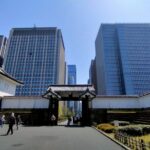
The Imperial Palace follows, with a planned 30-minute guided visit. The palace grounds are associated with Japan’s imperial family, but the tour focuses on the exterior and photo opportunities rather than an interior visit.
You can expect a short stop for views of the grand entrance area and surrounding architecture. It is a useful pause for photographs, especially if you want one of Tokyo’s most recognizable formal settings in your album.
This is also where the schedule deserves careful attention. The highlights describe the palace as a place to snap exterior photos, and the activity information says monument tickets are not included. I would not assume access to palace buildings or a long guided walk. One account said the stop lasted about 20 minutes, shorter than the planned time.
The palace is not a dramatic ruin or a museum-style attraction. Its value lies in the setting, symbolism, and contrast with Tokyo’s commercial districts. If you want detailed imperial history, this tour may not provide enough time or depth.
A few more Tokyo tours and experiences worth a look

Hamarikyu Gardens offers the day’s calmest setting

A short 10-minute coach ride takes you to Hamarikyu Gardens, where the planned visit lasts about 40 minutes. This garden beside Tokyo Bay is a welcome change from traffic, towers, and crowded shopping areas.
I like this stop because it gives the itinerary some breathing room. Traditional Japanese garden design, open paths, and water views create a quieter experience, and access to the gardens is included. You are not paying extra for this portion of the visit.
Forty minutes lets you walk through selected areas and take photographs, but it is not enough for a leisurely garden visit. You might find yourself choosing between stopping for pictures and covering more ground. If gardens are high on your Tokyo list, return independently for a longer visit.
The garden also gives you a better feel for how Tokyo uses pockets of calm within a huge city. That contrast is one of the more worthwhile ideas built into this route.
Akihabara from the coach

After Hamarikyu Gardens, the coach heads toward Akihabara. This is another scenic drive, with no extended free time listed.
Akihabara is known for electronics, anime, manga, games, and neon-lit streets. Seeing it from the bus provides a quick introduction, but it is not enough for serious shopping or for browsing the smaller stores. If you hope to buy electronics or spend time in themed cafés, plan a separate visit.
Still, the drive helps show how varied Tokyo can be. In one day, you move from a Shinto shrine and imperial setting to a district shaped by technology and pop culture. That broad range is the main reason to choose this tour over a route focused on only temples or only city views.
Two hours in Asakusa for Senso-ji and lunch

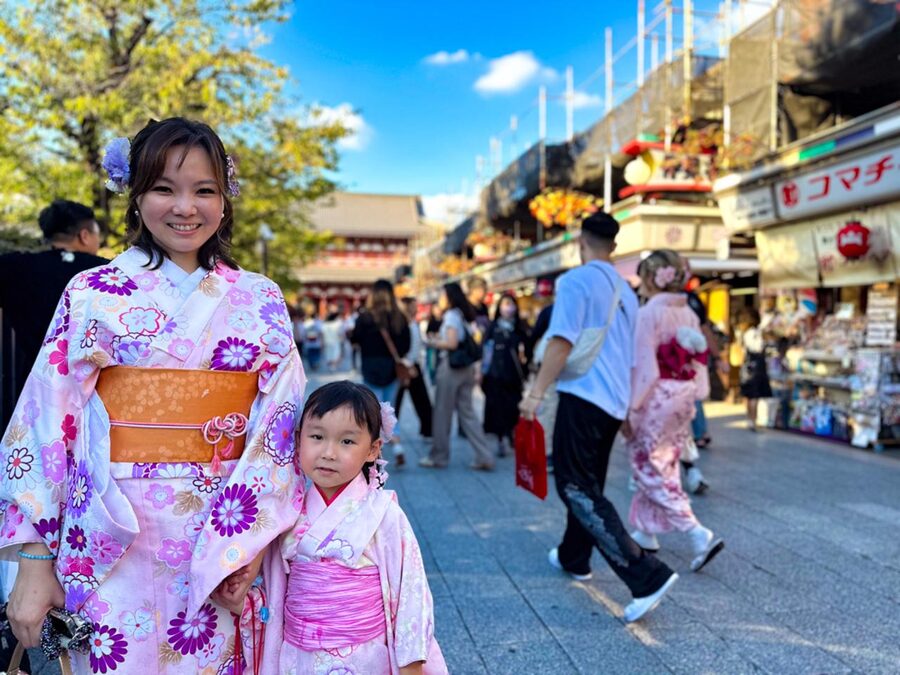
Asakusa is the heart of the tour’s independent time. The itinerary allows about two hours for lunch and free exploration, giving you more room here than at most other stops.
Senso-ji Temple is the key sight. It is one of Tokyo’s best-known cultural landmarks, and the surrounding Asakusa area gives you a stronger sense of old Tokyo than the newer districts on the route. You can visit the temple, walk the approach, browse nearby shops, and choose lunch if you have selected the lunch option.
Lunch is optional, so check the booking choice carefully. If you do not include it, you can use the free time to choose your own meal or continue exploring. Drinks are not included, so budget separately for them.
Asakusa is also the point where you can set your own pace. You may want to spend your time at Senso-ji, look for traditional gifts, or simply find a place to eat. Two hours is much more useful than a quick photo stop, though it still disappears quickly if lunch is part of your plan.
One practical point: the route ends at Tokyo Skytree after Asakusa. The meeting information also contains a note saying the activity ends back at the meeting point, but the specific tour instructions say it ends at Tokyo Skytree. Confirm the final drop-off when you book, and plan your evening from Skytree rather than assuming a return to Ginza.
Tokyo Skytree gives the day a clear finale
The last coach transfer takes about 30 minutes, ending at Tokyo Skytree. Observation-deck access is included, and you will get wide city views from above.
This is a strong finish because it ties together everything you have seen from street level. Shibuya, the palace area, Asakusa, and the city’s dense central districts make more sense when you can look across Tokyo from a high vantage point.
The information provided does not specify how long you spend at the observation deck or which exact viewing level is included. You should check the booking details for that point. Still, Skytree access adds real value to the $80 price, especially if you already planned to visit the tower.
The end location is also useful. You are not required to ride all the way back to Ginza after the main attraction. You can continue your evening from the Skytree area, provided the final arrangements are confirmed.
Is $80 a fair price for seven hours?
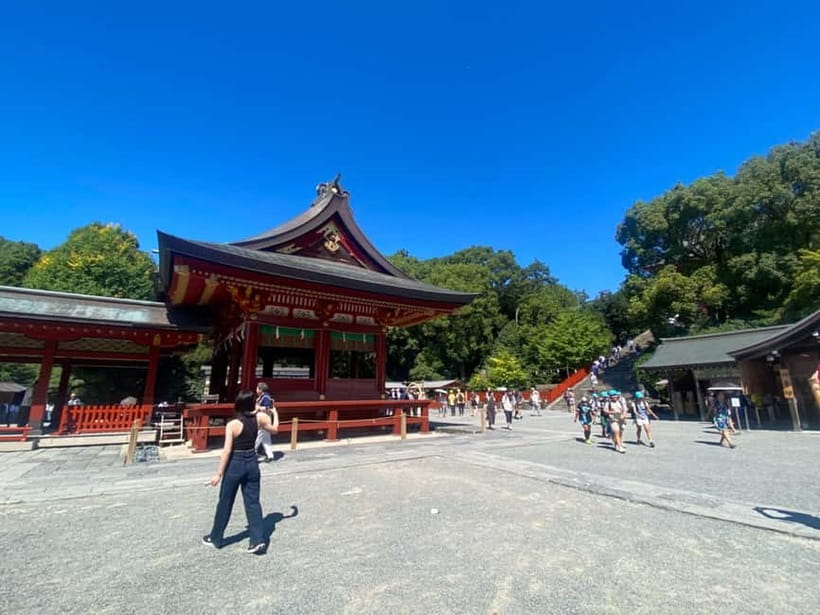
At $80 per person, this tour is priced as a full-day orientation rather than a simple bus ride. You are paying for bilingual guiding, coach transportation from Ginza, Hamarikyu Gardens access, optional lunch depending on your selected package, and Tokyo Skytree entry.
That can be a fair deal if you are visiting Tokyo for the first time and want to cover many famous sights without planning several train routes. Skytree tickets and local transportation add up, and the coach saves you from working out connections between districts.
The value is weaker if you are comfortable using Tokyo’s rail network or if you want in-depth time at each landmark. Shibuya, Shinjuku, Akihabara, and the palace are mostly viewed quickly, while the guide’s commentary may be limited. One account described the tour as offering less sightseeing time than expected and not enough history or cultural explanation.
The feedback is mixed but useful. The overall rating is 4.4 from seven reviews. One English-speaking participant praised the guides, identified as Pastor and George, for making sure the commentary was provided in English even though that person was the only English-speaking participant. Another account gave a very poor assessment, citing short stops and limited information. That tells me the quality of the day may depend heavily on traffic, group arrangements, and the guide assigned.
Who will get the most from this tour?
I would choose this experience if you are visiting Tokyo for the first time, have only one free day, and want a guided overview. It is also a good fit if you prefer coach transport, want help in English or Spanish, and value seeing both traditional sites and modern city districts.
It suits people who enjoy collecting a broad set of impressions: a shrine, palace exterior, garden, temple, pop-culture district, and observation tower. The route gives you a useful map of Tokyo before you return to the places that interest you most.
I would hesitate if you dislike fixed schedules, need wheelchair access, or want long visits at individual attractions. The experience is not suitable for wheelchair users, and several portions are scenic drives rather than walks. It also may disappoint if your idea of a palace visit means entering the buildings or if you expect a detailed lecture at every stop.
Bring water, sunscreen, a hat, and a camera. Comfortable shoes matter most. Tokyo’s weather can make an outdoor day tiring, and the combination of shrine paths, gardens, temple grounds, and city walking is more active than the coach format first suggests.
Should you book Full Tokyo?
Book it if your priority is coverage. For $80, you can see many of Tokyo’s headline sights in one organized day, with a bilingual guide and Skytree access included. The two-hour Asakusa stop and the quieter Hamarikyu Gardens visit give the route more substance than a simple drive-by city loop.
Skip it if you want depth, flexibility, or a carefully paced cultural tour. The Imperial Palace, Shinjuku, Akihabara, and Shibuya receive limited time, and the actual schedule may shift. If you book, think of this as a practical first orientation, then return on your own to the places that deserve more time.
FAQ
How long does the Tokyo tour last?
The activity lasts seven hours. Starting times vary, so check availability when booking.
Where does the tour start?
It starts at Ginza Inz 2, across from Tokyo Hands. You can reach the meeting point from Ginza Station Exit C9 or JR Yurakucho Station Central Exit.
How early should I arrive?
Arrive at least 10 minutes before departure for check-in.
Which languages are available?
The live guide service is available in English and Spanish.
Is lunch included?
Lunch is included only if you choose the lunch option. Drinks are not included.
Is Tokyo Skytree admission included?
Yes. Entrance to Tokyo Skytree is included, along with access to the observation deck.
Does the tour visit the inside of the Imperial Palace?
The visit focuses on the palace exterior and photo opportunities. Monument tickets are not included.
Where does the activity finish?
The specific tour information says it ends at Tokyo Skytree. A separate meeting note mentions returning to the original meeting point, so confirm the final drop-off when booking.
More Tickets & Passes in Tokyo


More Imperial Palace & Shogun Tours in Tokyo
More Asakusa Tours in Tokyo
More tours in Tokyo we've reviewed












Asakusa Tours, compared.
 ★ 4.8Tokyo: Japanese Dance Cabaret Theater Asakusa-Kaguwa TicketFrom $492 hours
 ★ 4.7Tokyo: Meiji Shrine, Asakusa, Skytree Bus Tour and CruiseFrom $12210 hours
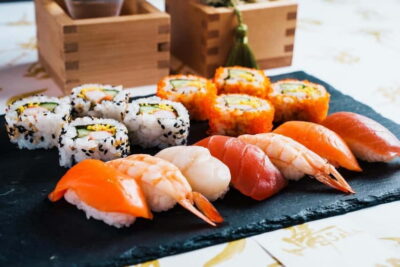 ★ 4.9Tokyo: Roll and Authentic Sushi Making Class in AsakusaFrom $581h 40m
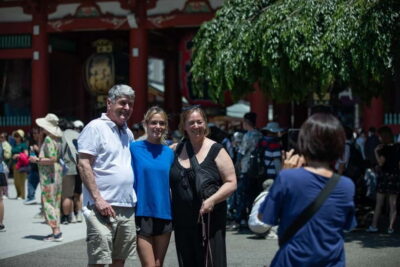 ★ 4.8Tokyo: Asakusa Walking Tour with Sensoji Temple VisitFrom $222 hours
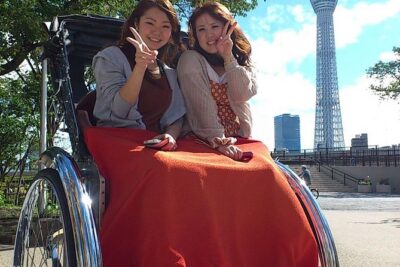 ★ 5.0Tokyo Asakusa Rickshaw TourFrom $42
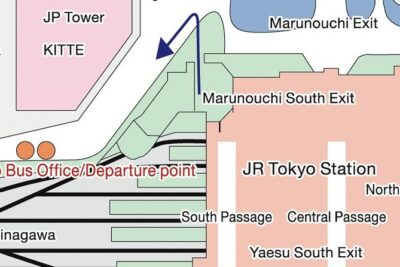 ★ 4.5Tokyo Panoramic 1 Day: Meiji Shrine, Asakusa, Odaiba and SKYTREE®From $85