Reviewed · PRIVATE
Tokyo: Personalized Private 6-Hour Tour
Tokyo is easiest to enjoy when someone helps you connect its very different neighborhoods. This private six-hour tour lets you choose that mix, from Tsukiji’s food stalls to the quiet paths of Meiji Shrine, then on to modern Shibuya or old Yanaka. You can usually cover three or four major stops at a sensible pace.
In This Article
- Key points to know before booking
- A private Tokyo day that changes with your priorities
- Starting with Meiji Shrine and Harajuku
- Shibuya gives the tour its modern Tokyo pulse
- Tsukiji Outer Market turns lunch into part of the sightseeing
- Fukagawa Fudo-do offers a quieter religious stop
- The other route choices are worth considering
- Asakusa and Sensoji
- Yanaka old town
- Imperial Palace East Garden
- Tokyo Skytree
- Ginza and Hamarikyu Garden
- Shinjuku department stores
- Public transportation is part of the experience
- What the guide adds to the day
- Is $459 good value for six hours?
- Who should book this Tokyo tour?
- FAQ
- How long does the Tokyo private tour last?
- Where does hotel pickup take place?
- Which languages are available?
- What attractions can I visit?
- Is transportation included?
- Are meals and entrance fees included?
- Can children join the tour?
I like the flexible plan and the fact that your guide handles the public transportation. I also like the personal guidance: Yuko Hashinaga, Mamiko, and Rie are among the guides who have led this experience, with Yuko and Rie offering German when needed. The catch is that your transportation, entrance fees, and lunch are extra, and six hours can feel short if you try to cross the whole city.
Key points to know before booking

- Your guide builds the route around you: Choose temples, food, shopping, gardens, modern districts, or a blend of all four.
- Tsukiji is a highlight for food lovers: You can browse the outer market and try various Japanese foods, with lunch handled separately.
- The day uses trains and subways: The guide’s transportation is included, but you pay your own fares.
- Three or four stops is the realistic target: Tokyo’s size and station walks make a packed wish list hard to manage.
- The guides can be especially helpful in German: Yuko Hashinaga and Rie have provided German-language tours, though language availability can shrink in busy seasons.
- This is a walking tour with transit between districts: Comfortable shoes matter, and many stations still involve stairs.
A private Tokyo day that changes with your priorities

This is not a fixed sightseeing circuit. You tell the guide what matters most, and the route is shaped around it.
You might focus on traditional Tokyo with Meiji Shrine, Asakusa, and Yanaka. You might prefer a first taste of the city’s design and shopping districts through Harajuku, Shibuya, and Shinjuku. Or you could make food the thread of the day, with Tsukiji, Ginza, and a restaurant stop.
That flexibility matters in Tokyo. A family with young children may want fewer temples and more shopping. A first-time visitor may want the best-known sights. Someone returning to Japan may prefer local streets and neighborhood food. The guide can adjust the plan, and a small change during the day can be put into action.
You are booking a private group, not joining a large bus tour. That gives you more control over pace and conversation. It also means the listed price of $459 is for a group up to one person, so you should check the booking setup carefully if you are traveling with companions. The guide’s transportation fee is included, but your own train fares, attraction admissions, and lunch are not.
Other private tours in Tokyo

Starting with Meiji Shrine and Harajuku
One suggested route begins with a subway ride of about 20 minutes, followed by Meiji Shrine. The shrine sits in a forested setting near some of Tokyo’s busiest commercial streets, so the change of mood is quick and useful. You move from station platforms and traffic into a calmer area with broad walking paths and traditional shrine buildings.
The planned visit is about an hour. That is enough time to walk through the grounds, see the shrine, and ask questions about Shinto customs and Japanese religious life. Your guide can give context that is easy to miss when you simply arrive, take a few photographs, and leave.
The forest paths also make this a good opening stop. You get a gentle introduction to Tokyo before tackling the louder districts. Still, the walk can be tiring if the weather is hot or wet, and you should not expect a silent retreat. This is one of Tokyo’s best-known sights.
From the shrine, the route can move to Harajuku for roughly 30 minutes. Harajuku is the place to see youth fashion, novelty shops, and Tokyo’s pop side. The stop is short, so think of it as a focused look rather than a full shopping session.
If you want to buy clothing or spend time browsing, tell your guide early. Thirty minutes disappears fast on Takeshita Street and nearby shopping lanes. If shopping is not your priority, the guide can keep this as a quick walk before moving on.
Shibuya gives the tour its modern Tokyo pulse

A short train ride of about five minutes connects Harajuku with Shibuya. The district offers shopping, street views, and a clear sense of modern Tokyo. It is a useful contrast to Meiji Shrine, and the route lets you see how quickly the city changes from wooded shrine grounds to packed commercial streets.
The planned Shibuya visit lasts about 30 minutes. That works well for seeing the area and taking in the famous street crossing, but it is not enough for serious shopping or a long café break. You can ask the guide to put more time here if modern city life is your main interest, but that will mean dropping another stop.
I like Shibuya as part of a private tour because your guide can help you make sense of a district that can feel like a wall of signs and people. You can ask about Japanese retail culture, youth style, or the neighborhoods around the main crossing instead of simply following a flag through the crowd.
The tradeoff is pace. Shibuya is easy to reach but hard to absorb quickly. Station exits, crossings, and short photo stops can eat into the half-hour. Keep your expectations realistic, especially if you also want Tsukiji and a temple before the tour ends.
Tsukiji Outer Market turns lunch into part of the sightseeing

The next subway ride is listed at about 20 minutes, followed by one hour at Tsukiji Outer Market. This is one of the most practical stops on the tour because you can see food shopping, browse small stalls, and sample different Japanese foods in one place.
The outer market is not the wholesale auction site many people picture. It is a public market area where you can look for seafood, prepared foods, kitchen goods, and other tastes of Japanese food culture. The experience is best approached as a walk with small bites rather than a formal meal.
Your guide can help you decide what fits your appetite and interests. If you have dietary limits, tell the guide before ordering. The tour does not include lunch for you or the guide, so set aside extra money for anything you eat.
One hour is a fair introduction, but food lovers may want longer. Sampling several items takes time, and you may want to browse shops rather than hurry through. If Tsukiji is a priority, consider giving up one of the more distant stops. Tokyo rewards a slower route.
Tsukiji also raises a useful planning point: not every stop needs to be a major monument. A market can tell you plenty about daily life, shopping habits, and Japanese cooking. For many people, that feels more memorable than checking off another large building.
Fukagawa Fudo-do offers a quieter religious stop

The route shown for the day continues by subway for about 30 minutes to Naritasan Fukagawa Fudo-do, with an hour to visit. This temple gives the itinerary a different religious experience from Meiji Shrine.
You can use the time to look at the temple setting and ask your guide about Buddhist practice, temple customs, and the role of religious sites in Tokyo. The exact balance depends on your interests and the guide’s route planning. If you want to compare Shinto and Buddhism during one day, pairing Meiji Shrine with Fukagawa Fudo-do makes sense.
The drawback is travel time. A 30-minute subway journey after Meiji Shrine, Harajuku, Shibuya, and Tsukiji leaves little room for lingering. The route ends in Marunouchi, at the address in the Tokyo Station area, so this final temple visit may not fit every version of the tour.
Treat the suggested schedule as a menu rather than a promise to visit every place listed. The activity information also names Asakusa, the Imperial Palace East Garden, Tokyo Skytree, Ginza, Hamarikyu Garden, Shinjuku, and Yanaka as possible choices. You will need to agree with the guide on what actually fits into six hours.
The other route choices are worth considering

Asakusa and Sensoji
Asakusa offers one of Tokyo’s clearest traditional settings, centered on Sensoji, the city’s oldest temple. It is a strong choice if you want temple architecture, a historic-feeling neighborhood, and a contrast with Shibuya.
Because the temple area can be busy and spread out, you should allow enough time to approach the main gate, walk the shopping street, and see the temple grounds. Adding Asakusa to several western Tokyo stops may create too much transit.
Yanaka old town
Yanaka is the better choice if you want small streets and a neighborhood shopping area rather than Tokyo’s famous towers and crossings. The guide can help you explore the old-town atmosphere and see a less polished, more local side of the capital.
This is a particularly good option for repeat visitors or anyone who finds department stores and major intersections less interesting. It may also suit you if you prefer a slower walk. As with every option, Yanaka takes time to reach, so it works best when it replaces another district.
Imperial Palace East Garden
The East Garden offers open space and a change from Tokyo’s commercial streets. It is a sensible addition for visitors interested in the imperial institution, gardens, or central Tokyo.
The garden may be less rewarding if your top goal is food or shopping. Ask about the day’s opening conditions and route timing when you meet your guide, since the supplied tour details do not promise a particular visit duration.
Tokyo Skytree
Tokyo Skytree is described as the world’s highest broadcasting tower and gives the itinerary a strong modern landmark. Choose it if a high city view matters to you.
An observation visit can take more time than expected, especially once you include transport and entry. Entrance fees are not included, so confirm the cost before committing. Skytree is best treated as the main event of a route, not a quick extra squeezed between Tsukiji and Yanaka.
Ginza and Hamarikyu Garden
Ginza suits visitors who want department stores, polished shopping, and a restaurant stop. Hamarikyu Garden offers a calmer alternative, with the option to try green tea.
These choices can work well together because they balance city commerce with a garden setting. Lunch and tea costs are extra, and you should tell the guide if you want a proper meal rather than quick market snacks.
Shinjuku department stores
Shinjuku is a useful pick for shopping, especially if you want department stores and a dense modern district. It is less intimate than Yanaka, but it gives you a different view of Tokyo retail culture.
If your suitcase is missing or you need practical shopping after arriving in Japan, this option may be especially useful. A German-speaking guide helped one couple handle sightseeing and shopping after their luggage failed to arrive, showing how flexible the day can be when real travel problems appear.
Public transportation is part of the experience

You and the guide travel by subway and train. The guide’s transportation fee is included, but you pay your own fares. This arrangement keeps the tour tied to the way Tokyo actually works, yet it also means you should expect station corridors, signs, transfers, and stairs.
Most stations have few elevators or escalators. If stairs are difficult for you, tell the guide when arranging the tour, not after the route is fixed. Comfortable shoes are essential. Six hours of walking, standing on platforms, and moving through large stations is a full day even if the itinerary looks short on paper.
The guide will meet you near the reception desk in the lobby of your hotel in one of Tokyo’s 23 wards. There are two listed pickup location options, Tokyo and Loonpoohoo, so confirm your exact meeting point before the day begins.
If you arrive late, the tour still ends at the planned time. That makes an early meeting and a simple breakfast worthwhile. Tokyo’s rail network is efficient, but hotel exits and station transfers can still take longer than expected.
What the guide adds to the day

The guide is the main reason to choose this experience over arranging the same neighborhoods yourself. A private guide can explain what you are seeing, adjust the pace, and cut a stop that does not suit you.
The strongest personal touches come from the language and customization. Yuko Hashinaga has created a program around a visitor’s wishes, made a requested change during the day, and offered practical tips for later activities in Japan. Mamiko has been praised for arriving early and making a six-and-a-half-hour day feel varied. Rie has provided clear explanations in German for a visitor who was less comfortable in English.
English, French, German, and Spanish are offered. During March through May and September through November, guides in French, Spanish, German, and other non-English languages may be harder to secure. Book as soon as you know your dates if language support is important.
Children under five can participate free of charge. The private format also makes this easier to manage than a fixed group, though the walking and subway travel still require attention to each child’s stamina.
Is $459 good value for six hours?

At $459 for a group up to one, this is not a budget sightseeing option. The value comes from the planning, private attention, and time saved when you want to combine places that are not next door to one another.
You still pay for your own transportation, admissions, and lunch. Those extras can add up, especially if you choose Tokyo Skytree or other paid attractions. On the other hand, the guide’s transportation fee is included, and the private setup lets you avoid spending half the day at places you do not care about.
I would see the price as reasonable for a solo visitor who wants language help, cultural explanation, or a custom first day in Tokyo. It is harder to justify if you are comfortable navigating trains and already know exactly where you want to go. If you are booking for more than one person, verify the final group pricing because the stated rate specifies up to one person.
The activity carries a 4.7 rating from 22 verified bookings, and the recurring strengths are clear: prompt hotel pickup, flexible planning, useful explanations, and strong German-language support. Those are practical benefits, not just pleasant extras.
Who should book this Tokyo tour?
You should consider it if you have only one free day, want to combine several sides of Tokyo, or prefer a guide who can adjust the plan as you go. It suits solo visitors, couples, families, and anyone who wants private help with trains and neighborhood choices.
It is also a good fit if you are unsure which Tokyo districts deserve your time. The guide can help you compare a temple, market, shopping area, garden, and old neighborhood without forcing you into a standard route.
You may want something else if you prefer a slow, single-neighborhood day. Six hours is not enough to explore Meiji Shrine, Harajuku, Shibuya, Tsukiji, Asakusa, Yanaka, Ginza, and Skytree properly. Pick three or four priorities and let the rest wait for another day.
FAQ
How long does the Tokyo private tour last?
The tour lasts six hours. If you arrive late, it still ends at the planned time.
Where does hotel pickup take place?
The guide meets you near the reception desk in the lobby of your hotel in Tokyo’s 23 wards. Tokyo and Loonpoohoo are listed as pickup location options.
Which languages are available?
The tour is offered in English, French, German, and Spanish. Availability in French, Spanish, German, and other languages may be limited during busy seasons from March through May and September through November.
What attractions can I visit?
Possible stops include Meiji Shrine, Harajuku, Shibuya, Tsukiji Outer Market, Asakusa and Sensoji Temple, the Imperial Palace East Garden, Tokyo Skytree, Yanaka, Shinjuku, Ginza, Hamarikyu Garden, and Naritasan Fukagawa Fudo-do.
Is transportation included?
The guide’s transportation fee is included. You must pay your own transportation fares, and the tour uses trains and subways.
Are meals and entrance fees included?
No. Lunch for you and the guide is not included, and entrance fees are also extra.
Can children join the tour?
Yes. Children under five years old can participate free of charge. Comfortable shoes are recommended for everyone because the tour involves walking and public transportation.
More Private Tours in Tokyo
More tours in Tokyo we've reviewed












Private, compared.
 ★ 5.0Tokyo 6hr Private Tour with Government-Licensed GuideFrom $155
 ★ 5.0Private Tour to Mt. Fuji and Hakone (Fully Licenced Operator)From $497
 ★ 5.0Tokyo Customized Private Tour (Must See Places in 1 Day)From $145
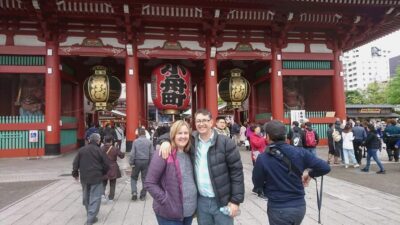 ★ 4.8Tokyo: Private City Highlights Tour with Local GuideFrom $1064 - 8 hours
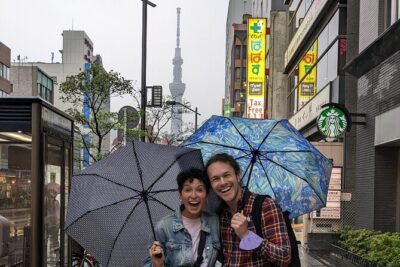 ★ 5.0Private Custom Tour: Tokyo in a DayFrom $159
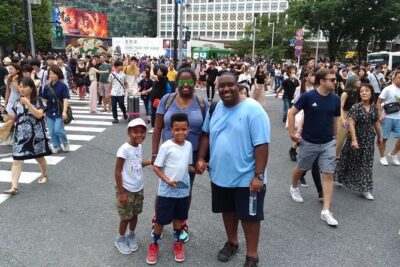 ★ 5.0Tokyo 4hr Private Tour with Government-Licensed GuideFrom $109