Reviewed · TOKYO
Tokyo: Making a bento box with cute character look
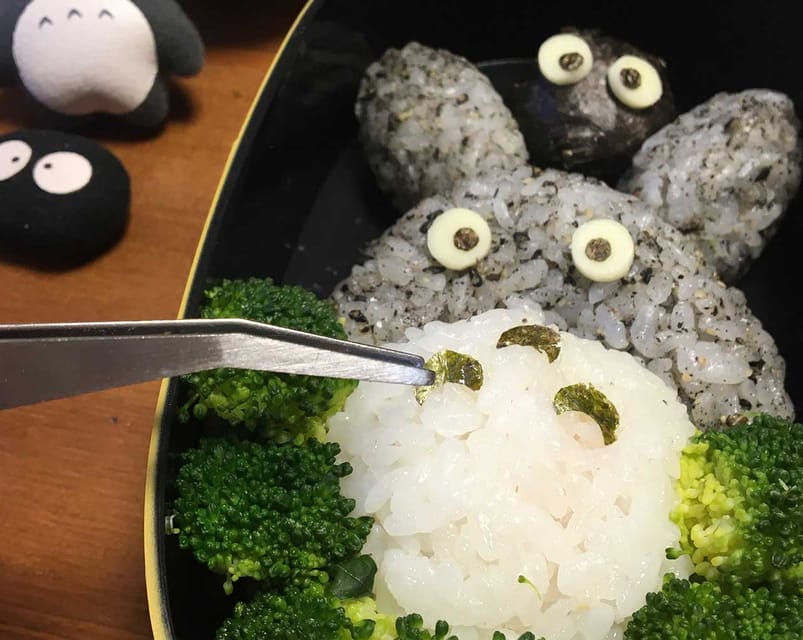
A rice ball with a friendly face, colorful side dishes, and a tidy little box: chara-ben turns an ordinary Japanese lunch into edible art. In this Tokyo cooking class, you make your own character-style bento with an English-speaking instructor, then sit down to eat it.
In This Article
- Key points
- Why Chara-ben Makes a Good Tokyo Food Experience
- The Cooking Studio Near Shinjuku, Chiyoda, or Minato
- Building Your First Character Bento
- The Lesson Behind the Cute Shapes
- Sitting Down to Eat Your Handmade Lunch
- What the $90 Price Means
- Who Will Enjoy This Class Most
- A Few Practical Points Before You Book
- Should You Book the Tokyo Chara-ben Class?
- FAQ
- How long does the chara-ben experience last?
- Where does the cooking class take place?
- Is the class taught in English?
- What does the price include?
- Can I cancel for a full refund?
- Is the experience suitable for vegans or very young children?
I like the practical lesson in nutrition and seasoning, not just the cute shapes. I also like the friendly, hands-on help, which matters when rice refuses to form the way you want. The main drawback is that the exact studio address arrives only three days before the booking date, so you cannot plan the final route at the time of purchase.
Key points
- Make a character bento by hand: Shape rice and arrange side dishes into a playful chara-ben design.
- Learn more than decoration: The lesson covers nutritional balance, seasoning, and food presentation.
- Work with an English-speaking instructor: Friendly support is available throughout the cooking session.
- Eat what you prepare: The class ends with a sit-down tasting of your home-cooked bento.
- Choose from three central Tokyo areas: Studios are located near Shinjuku, Chiyoda, and Minato wards.
- Allow up to 150 minutes: The listed schedule includes cooking and tasting, though the timing details should be checked before booking.
Why Chara-ben Makes a Good Tokyo Food Experience
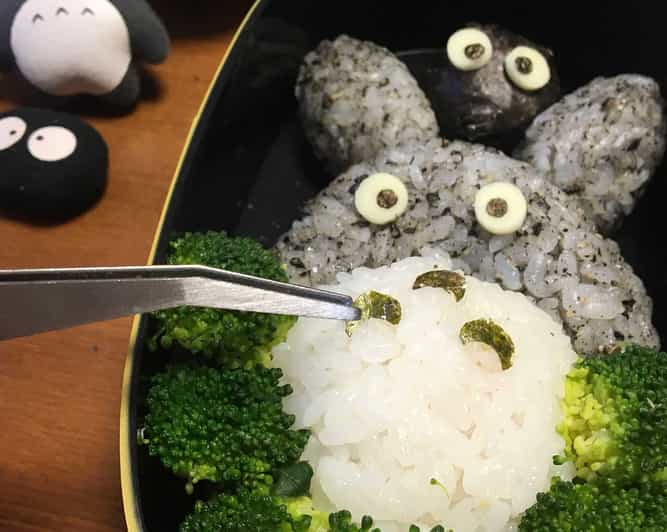
Japanese bento is often praised for its neat appearance, but chara-ben adds another layer. The rice and side dishes are arranged to resemble popular characters or other cute figures. It is food with a bit of theater, but the lesson also keeps an eye on balance and everyday cooking.
That makes this different from a simple food demonstration. You are not only watching someone prepare lunch. You are handling ingredients, building the design yourself, and learning why the box works as a meal.
I especially like the mix of craft and home cooking. The shapes may be playful, yet the food still needs sensible seasoning and a reasonable mix of components. You leave with a better idea of how Japanese cooks think about appearance, portioning, and variety.
The class also gives you an activity that is closely tied to present-day Japanese food culture. You do not need to be an expert cook, and you do not need to spend a whole day outside Tokyo. For many people, this is a pleasant change of pace from temples, department stores, and crowded train platforms.
If you're still narrowing it down, here are other tours in Tokyo we've reviewed.



The Cooking Studio Near Shinjuku, Chiyoda, or Minato
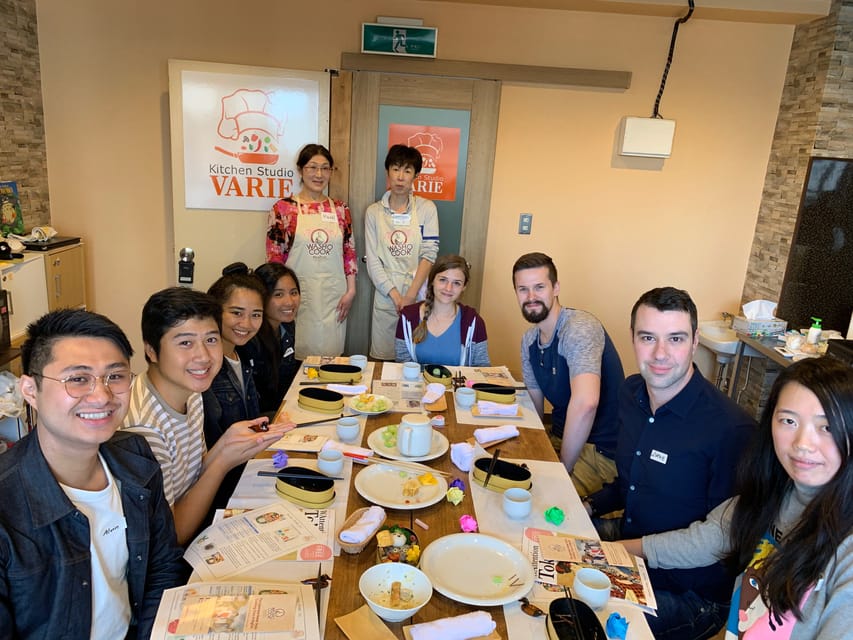
The class takes place at a cooking studio in one of three central Tokyo areas: near Shinjuku, Chiyoda, or Minato. The specific studio is assigned with your booking, and the address is sent three days before the reservation date.
That arrangement is useful if you are staying in one of those parts of Tokyo, but it requires planning discipline. Do not rely on the location shown on the Google Map attached to the activity. You are told that map displays a different place, so use the designated studio address instead.
I would wait for the final message before deciding exactly how to reach the class. Tokyo has several districts with similar-sounding station names, and a wrong assumption can turn a simple morning into a hurried one. Arrive at the named studio before the start time.
The information gives an 11:00 start and a cooking period listed through 13:00, followed by tasting from 13:00 to 13:30. Elsewhere, the cooking portion is described as about 1.5 hours, with a total duration of 150 minutes. Since those details do not match perfectly, confirm the exact timetable after booking.
Building Your First Character Bento
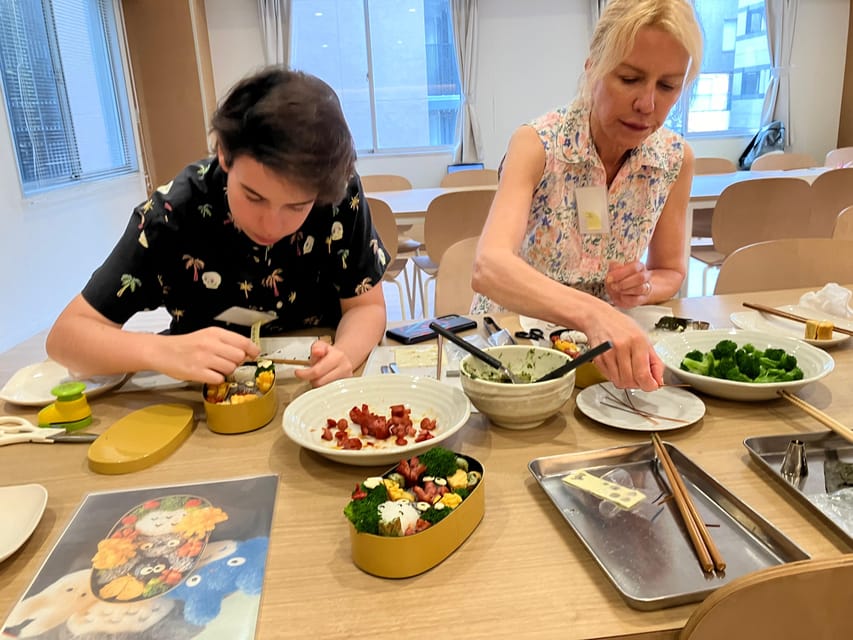
The heart of the experience is the hands-on chara-ben lesson. You work with rice and side dishes, shaping and arranging them into a recognizable character-style bento.
The supplied details do not name the character or promise a particular design. That is worth noting if you have your heart set on one specific cartoon figure. The actual project may depend on the class plan, ingredients, or the instructor’s chosen design.
What you can count on is the basic idea: a bento box with a cute character look, made from food rather than plastic decorations. The instructor speaks English and offers hands-on assistance in a friendly manner. That support is important because chara-ben involves more than cooking. Small changes in shape, placement, and proportion affect the final result.
You may find that the rice is the trickiest part. It has to hold a form while still remaining pleasant to eat. Side dishes need to fit the design without turning the box into a pile of unrelated items. The instructor’s role is to help you manage those details rather than leave you staring at a pile of ingredients.
This is also where the activity works well for mixed skill levels. A confident home cook can focus on neat presentation, while a beginner can follow the instructor step by step. The class is not presented as a professional culinary course, so you should come for a fun, carefully guided food project rather than advanced chef training.
The Lesson Behind the Cute Shapes
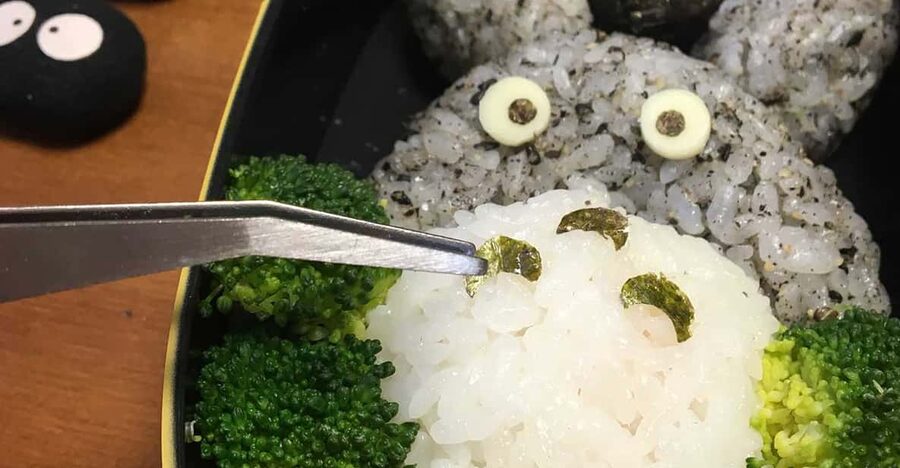
The most useful part of the class may be what happens behind the character face. You are introduced to nutritional balance, seasoning, and food presentation.
That trio gives the activity more substance than a craft workshop. Nutritional balance helps explain how a bento can be attractive and still function as lunch. Seasoning gives you a chance to think about how the individual items work together. Presentation shows why Japanese food often pays such close attention to color, order, and scale.
I like this approach because it gives you ideas to carry home. Even if you never make another character bento, you can use the same principles when packing a lunch or arranging a simple meal.
The class also shows that Japanese food culture is not only about famous dishes served in restaurants. It includes the care put into an everyday meal. A bento can be practical, portable, balanced, and visually charming at the same time.
The activity includes the cooking experience, ingredients, and beverages. You do not need to shop for the food before arriving. Hotel pickup and drop-off are not included, so you handle your own route to and from the studio.
Sitting Down to Eat Your Handmade Lunch
After the cooking portion, you sit down to taste the meal you prepared. This final step matters. You see the result, but you also get to judge the balance of the meal for yourself.
A handmade bento can look successful before you take the first bite. The tasting period lets you think about the more practical questions: Is the seasoning right? Do the side dishes work with the rice? Does the presentation make the food feel more appealing?
The tasting time is listed as 13:00 to 13:30, although the activity information also gives a slightly different cooking duration. Plan on the full 150 minutes and verify the exact class schedule before setting up a tight afternoon appointment.
Beverages are included, which makes the sit-down finish easier. The meal is not simply handed to you at the end. You have taken part in making it, and that gives the lunch a personal connection that a standard restaurant meal cannot quite match.





What the $90 Price Means
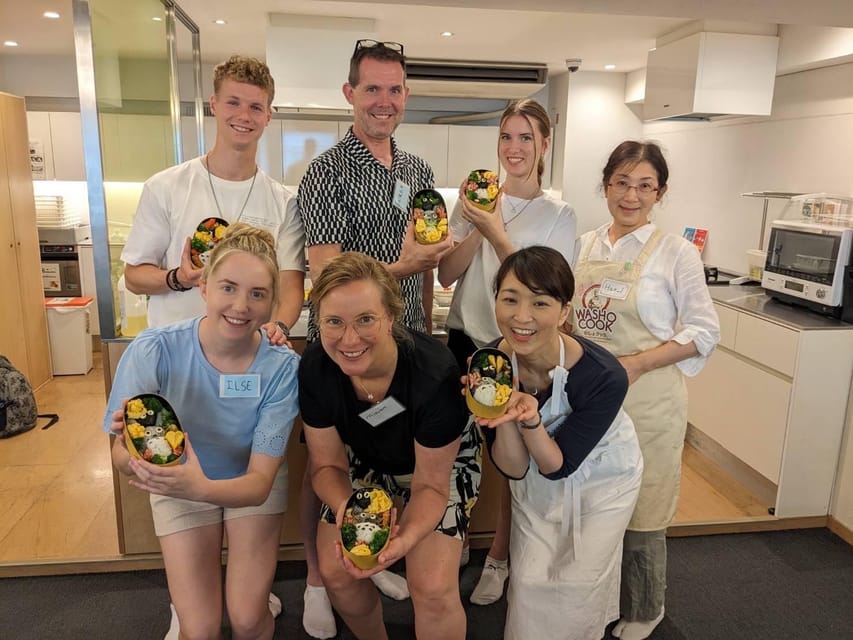
At $90 per person, this is not a cheap way to eat lunch in Tokyo. You can buy a bento from a station shop or department store for far less. The value here comes from the lesson, the ingredients, the instructor’s guidance, and the time spent making the meal.
I would judge the price as reasonable for someone who wants an activity rather than just food. The class lasts up to 150 minutes, includes the cooking materials and beverages, and uses an English-speaking instructor. You are paying for participation and instruction, not only for the finished box.
The value is weaker if your main goal is to sample many Japanese dishes or eat at a famous restaurant. This class centers on one handmade bento and the process behind it. It is also not the right choice for a vegan, since vegans are specifically excluded from the activity.
The overall experience has received a top score from four ratings, and the available written feedback praises the instructor’s sweet, friendly manner. That matches the main strength of the class: personal help while you work. With a small, visual project like this, a patient instructor can make the difference between frustration and a lunch you are proud to photograph.
Who Will Enjoy This Class Most
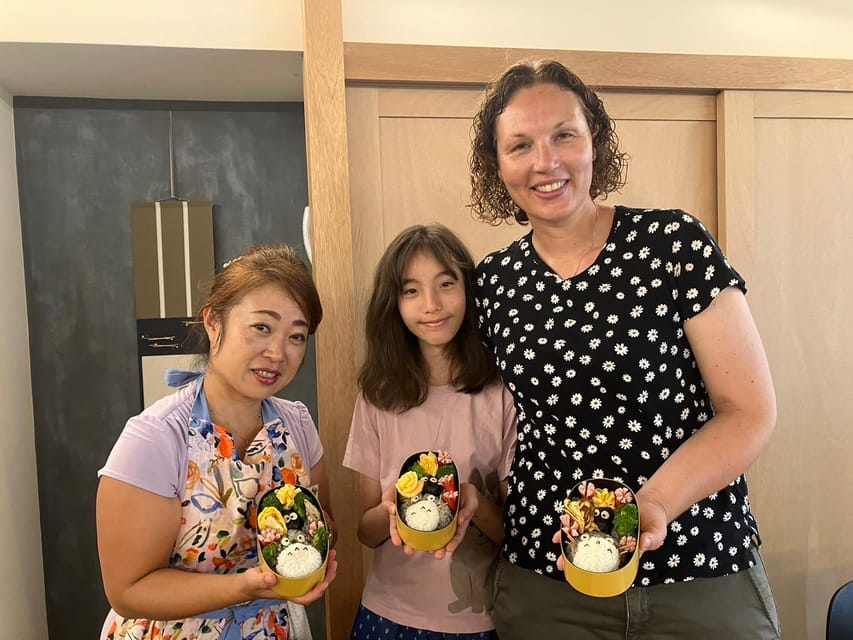
This activity suits you if you like food, hands-on projects, and Japanese pop culture. It is also a good fit if you want a break from sightseeing that still teaches you something about Japan.
Families with older children may find the character design appealing, but children under three are not allowed. The activity is also not suitable for people with back problems. The available information does not give an exact group size or describe seating arrangements, so contact the provider if those details matter to you.
You do not need to be vegan-friendly, since vegans cannot take part. The class is conducted in English, which makes it a practical option for visitors who want clear instructions while working with unfamiliar food techniques.
I would also recommend it to anyone who enjoys taking home a skill instead of a souvenir. You may not reproduce the exact bento later, but you will understand more about shaping rice, arranging food, and making a packed meal look inviting.
A Few Practical Points Before You Book
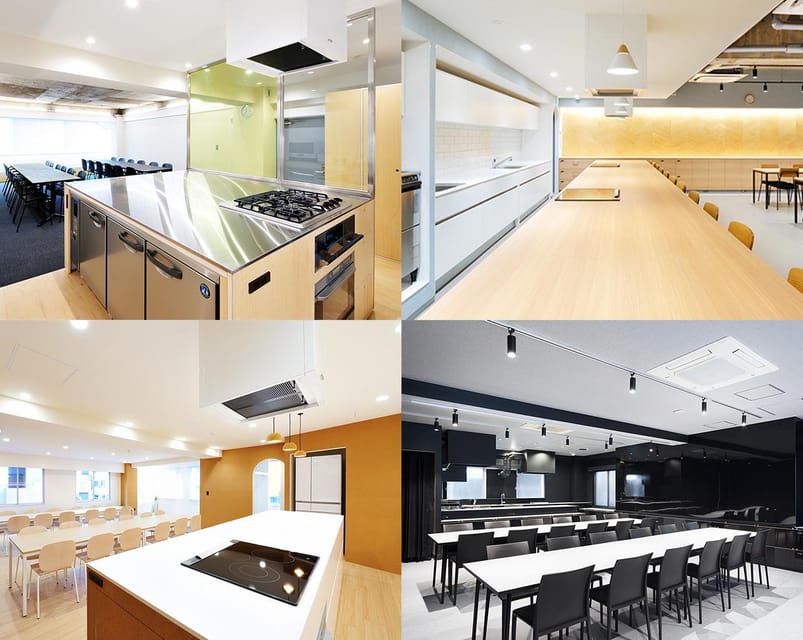
The activity offers free cancellation up to 24 hours before the start time for a full refund. It also allows you to reserve now and pay later, which helps if your Tokyo schedule is still changing.
Smoking is not allowed indoors. Since the cooking studio address arrives three days before the reservation date, keep your booking messages easy to find and check them before leaving for class.
Do not use the map shown on the booking page as your final meeting point. The supplied information specifically warns that it shows a different location. Go to the designated studio near Shinjuku, Chiyoda, or Minato.
I would leave some space around the class rather than booking a timed attraction immediately afterward. The activity is listed at 150 minutes, and the timing information contains a small difference between the stated cooking period and the approximate duration.
Should You Book the Tokyo Chara-ben Class?
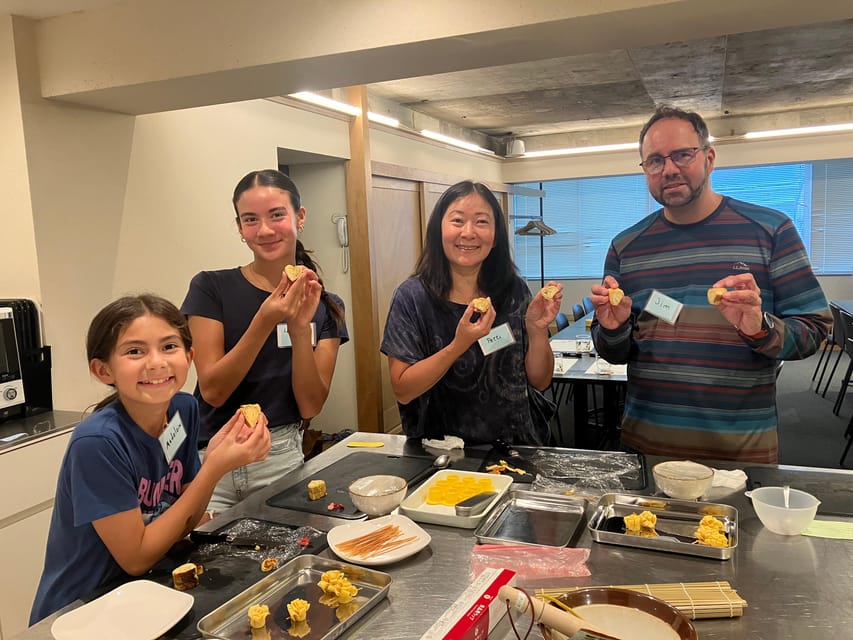
Book this experience if you want a friendly English-language cooking lesson with a distinctly Japanese focus. The combination of cute food design, practical nutrition advice, and a sit-down meal gives you more to do than a basic tasting.
The $90 cost makes sense for an active class with ingredients, beverages, and instructor support. It makes less sense if you only want an inexpensive lunch, a vegan meal, or a precise character design promised in advance.
My advice is simple: choose it for the process. You will make a bento, learn why it is balanced and attractive, and eat the result. Just wait for the final studio address, confirm the exact timing, and leave enough room in your day for the full session.
FAQ
How long does the chara-ben experience last?
The activity is listed as 150 minutes. The schedule gives cooking from 11:00 to 13:00 and tasting from 13:00 to 13:30, while another description calls the cooking portion about 1.5 hours. Confirm the exact timing after booking.
Where does the cooking class take place?
The cooking studios are located near Shinjuku, Chiyoda, and Minato wards. The specific address is provided after booking, with the detailed location sent three days before the reservation date.
Is the class taught in English?
Yes. The instructor speaks English, and the activity information lists English as the available language.
What does the price include?
The price includes the cooking experience, ingredients, and beverages. Hotel pickup and drop-off are not included.
Can I cancel for a full refund?
Yes. You can cancel up to 24 hours in advance for a full refund.
Is the experience suitable for vegans or very young children?
No. The activity is not suitable for vegans or children under three years old. It is also not suitable for people with back problems.
More tours in Tokyo we've reviewed












Tokyo, compared.
 ★ 5.0Mt Fuji and Hakone 1-Day Bus Tour Return by Bullet TrainFrom $163
 ★ 5.01-Day Tokyo Bus TourFrom $129
 ★ 4.6Tokyo: teamLab Planets TOKYO Digital Art Museum Entry TicketFrom $251 day
 ★ 4.0Mt Fuji & Hakone Cruise, Drum Show Bullet Train 1 Day from TokyoFrom $149
 ★ 5.0Tokyo: Shinjuku Food Tour (13 Dishes at 4 Local Eateries)From $86
 ★ 4.4Tokyo Mt Fuji 5th St & Hakone Cruise Bus Tour w/Bullet TrainFrom $15410 hours