Reviewed · TOURS
Tokyo: Spring Hitachi Seaside & Ashikaga Flower Park Tour
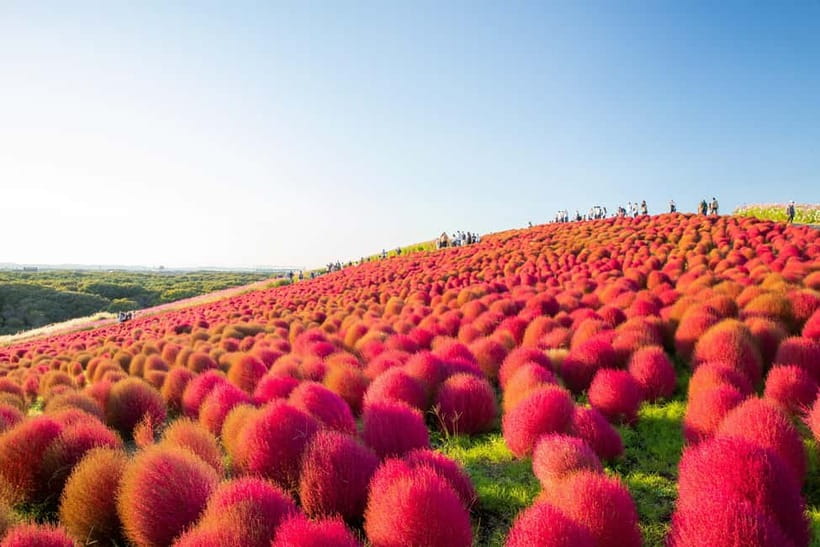
The main event is spring in full color: 5.3 million blue nemophila spread across Miharashi Hill at Hitachi Seaside Park, followed by the purple curtains of Ashikaga’s Great Wisteria. I like that one bus day links two major Kanto flower parks that would be awkward to visit independently from Tokyo.
In This Article
- Key points to know before booking
- Why this spring day works from Tokyo
- The 2.5-hour ride to Hitachi Seaside Park
- Miharashi Hill and the blue nemophila sea
- Mibu Michi no Eki for lunch and local browsing
- Ashikaga Flower Park and the Great Wisteria
- What the bus schedule means in real life
- Is $98 a fair price?
- Who should book this flower tour?
- Small details that make the day easier
- Should you book it?
- FAQ
- How long does the Tokyo flower park tour last?
- Where does the tour depart from?
- What languages does the guide speak?
- Are admission tickets included?
- Is lunch included in the price?
- How much time do you spend at each main flower park?
- Can I cancel the booking?
I also like the included admission tickets and the choice of departures from Shinjuku or Tokyo Station. Guides such as Gilbert, Miss Park, and Miss Kim have been praised for keeping groups organized and helpful. The catch is simple: this is a long day, and the roughly 110 minutes at Ashikaga may feel short when the wisteria is at its best.
Key points to know before booking
- 5.3 million nemophila on Miharashi Hill: Hitachi Seaside Park offers the tour’s widest open view, with blue flowers, sky, and distant ocean in one frame.
- Two famous flower parks in one day: You see Hitachi’s spring nemophila and Ashikaga’s celebrated wisteria without arranging separate trains, buses, and admission tickets.
- A practical Mibu stop: The 40-minute break includes food choices, desserts, sightseeing, and Bandai character displays.
- Great Wisteria and an 80-meter white tunnel: Ashikaga provides the most theatrical flower scenery, especially in the afternoon.
- A full 690 to 750 minutes: Plan for a long bus day, with traffic and weather able to change the schedule.
- Good value at $98: Transport, an English or Korean-speaking guide, and park admission are included, but meals and personal expenses are not.
Why this spring day works from Tokyo
Tokyo makes a convenient base for Japan, but some of the best seasonal flower displays sit well outside the city. Hitachi Seaside Park is in Ibaraki Prefecture, while Ashikaga Flower Park is in Tochigi Prefecture. Reaching both by public transport in one day would take careful planning and leave little room for mistakes.
This tour handles the long transfers by coach. You leave from one of two central meeting points, Starbucks Coffee at Shinjuku L Tower or Tokyo Station, then spend much of the day moving between the parks. The route is not a quick outing. The listed duration is about 11 hours 30 minutes to 12 hours 30 minutes, so you should treat it as a full day away from Tokyo.
That length is the price of seeing two separate flower seasons in one outing. I would book it for the scenery, not for a relaxed pace. You get a useful taste of both parks, but neither visit is long enough for a slow, complete exploration.
The English and Korean-speaking guide helps with meeting instructions, timing, and changes on the road. Guide Gilbert has been singled out for informative explanations, friendly support, and keeping the group on schedule, while Miss Park and Miss Kim have also been praised for making the day easy and enjoyable. Guide assignments can vary, so do not assume a particular person will lead your departure.
If you're still narrowing it down, here are other tours in Tokyo we've reviewed.

The 2.5-hour ride to Hitachi Seaside Park
The first bus ride lasts about two and a half hours. That is a substantial stretch, especially if traffic builds during Golden Week or the peak flower period. The upside is that you avoid changing trains and buses while carrying your day bag, and you arrive with admission already handled.
The guide may adjust the route or timing because Japanese law limits vehicle operation to 10 hours. Traffic and weather can also change the order or length of stops. This matters most during the spring rush, when roads near popular parks can slow down and return drop-off times may run late.
Use the bus time sensibly. Bring water, a phone charger, and anything that makes a long ride easier. Meals are not included, so a small snack can help, especially if you prefer not to rely on the food stop later in the day.
Miharashi Hill and the blue nemophila sea
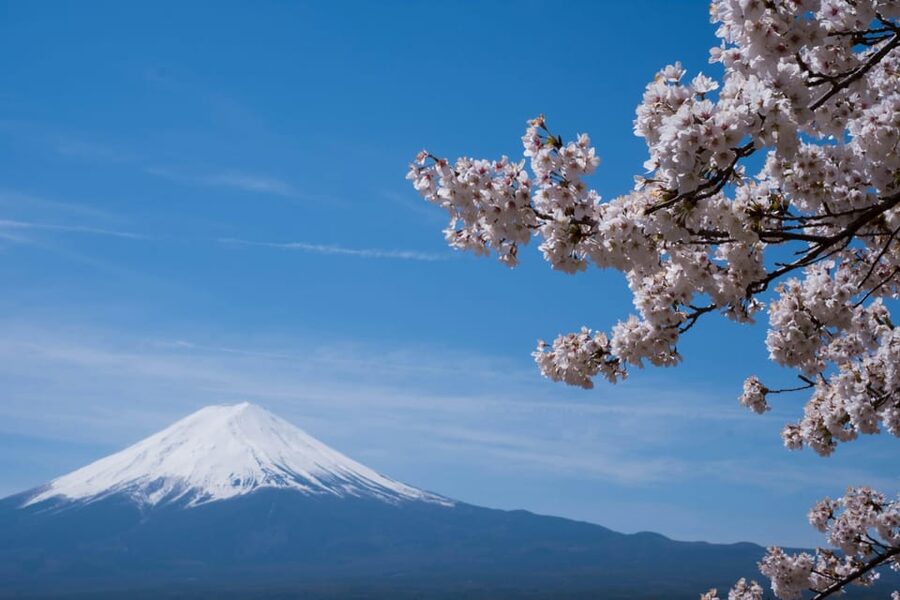
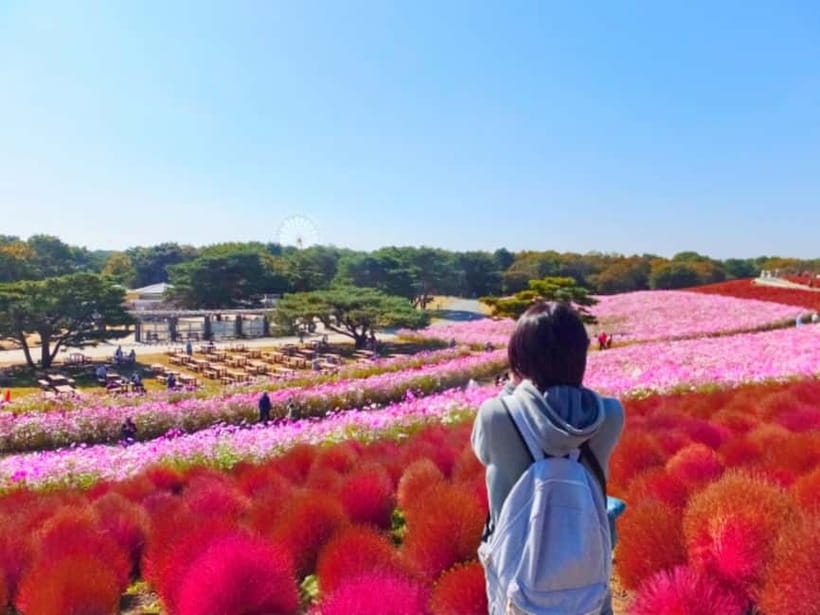
Hitachi Seaside Park receives about two hours. The focus is Miharashi Hill, where approximately 5.3 million nemophila bloom in spring. The flowers cover the slope in blue, and the view joins the open sky and distant ocean in a way that makes the park feel much larger than an ordinary garden.
This is the tour’s best stop for broad views and photographs. The appeal is not just the number of flowers. It is the clean sweep of blue across the hill, with very little visual clutter in the main panorama. On a clear day, you can frame flowers, sky, and sea together.
You have free time to walk, take pictures, and enjoy the park at your own pace. Two hours is enough to reach the main viewing area and spend time there, but it is not generous if you want to wander widely or pause at every garden section.
That limitation matters. One person who enjoyed the stop still wished for more time at the gardens, and I understand why. Hitachi is the kind of place where you may find yourself stopping every few steps for another photograph. If the nemophila are your main reason for booking, stay aware of the meeting time from the moment you arrive.
Flower timing is also important. Nemophila are seasonal, so the exact appearance depends on the departure date and weather. A May visit once caught the last of the bloom, which shows why late-season bookings carry some risk. The park remains worth seeing, but the famous blue effect may be strongest only during a narrower window.
Mibu Michi no Eki for lunch and local browsing
After Hitachi, the bus travels about an hour to Road Station Mibu, also called Mibu Michi no Eki. The stop lasts roughly 40 minutes and combines a break, lunch options, and a little local browsing.
You are not limited to one set meal. The stop has different dishes and desserts, which is useful for families and for anyone who wants something lighter or more familiar. Meals are not included in the $98 price, so budget separately for lunch and any snacks.
Mibu also features Bandai characters, adding a playful Japanese pop-culture touch to what could otherwise be a routine service-area break. This is not a major sightseeing stop, and 40 minutes passes quickly if you want to eat, browse, and take pictures. Still, it gives you a chance to stretch your legs and choose food rather than eating from a fixed tour menu.
The schedule also refers to a local restaurant for lunch. The practical point is that food is part of the middle section of the day, but the cost is yours and the exact arrangement may depend on conditions. Keep your meal quick enough to return to the bus on time.
Ashikaga Flower Park and the Great Wisteria
The afternoon highlight is Ashikaga Flower Park, reached after about another hour on the coach. You have approximately 110 minutes inside the park. Admission is included, which saves you from dealing with a ticket line and improves the value of the package.
Ashikaga is famous for its wisteria, especially the huge Great Wisteria trees. Purple flowers hang from overhead supports like long curtains, creating the park’s most memorable scenes. The scale is the surprise: the blooms are not just small garden clusters, but large displays that form shaded passages and broad canopies.
The 80-meter white wisteria tunnel gives the visit a different mood. Purple wisteria feels dramatic and heavy, while the white tunnel is lighter and more formal. Walk it slowly if you can, but keep an eye on the clock because the park offers more than one photo stop and the allotted time is limited.
Ashikaga may be the deciding factor for this tour. One visitor said the park alone could have filled the entire day and would have been worth choosing over the other stops. That is a fair criticism, especially during peak bloom when you want time to revisit the Great Wisteria, see the white tunnel, and stop for photographs without rushing.
The tradeoff is that the tour lets you compare two very different flower experiences. Hitachi gives you a wide blue hill and open sky. Ashikaga gives you vertical flowers, tunnels, and shaded displays. If you visit both, you get variety. If you want to study one park in detail, the fixed schedule will feel tight.


What the bus schedule means in real life
The return ride is listed at about 110 minutes, though heavy traffic can make it longer. Drop-offs return to the selected central location, either Starbucks Coffee at Shinjuku L Tower or Tokyo Station.
The day includes about six hours and 20 minutes of listed bus travel across the main transfers. Add the park visits and the lunch stop, and you can see why the total reaches 690 to 750 minutes. This is not a gentle half-day excursion. It is a long-distance sightseeing day with substantial time seated.
The bus is the tour’s main practical benefit. You do not need to compare regional train routes, reserve separate tickets, find the park entrances, or calculate how to move between Ibaraki and Tochigi. The guide also gives you a person to contact if the meeting process becomes unclear.
At the same time, a coach cannot remove traffic from the road. Golden Week is especially important here. A well-managed departure can still face delays, so do not plan a tightly timed dinner, show, or airport transfer immediately after the advertised return.
The operator sends a reminder email one day before departure between 3:00 PM and 5:00 PM. It includes a group-chat link for contacting tour staff. Check your spam or junk folder if it does not appear.
Is $98 a fair price?
At $98 per person, the value depends on how highly you rate convenience. The price includes transportation, admission to both flower parks, and an English or Korean-speaking guide. Those inclusions cover the parts that would be hardest to arrange independently in a single day.
Meals are extra, as are travel insurance and personal purchases. The Mibu stop gives you food choices, but you should not treat lunch as part of the package. The price is strongest for someone who wants both parks and prefers a single organized route from Tokyo.
It is less compelling for someone who wants a slow visit. Two hours at Hitachi and 110 minutes at Ashikaga provide a clear introduction, not a deep examination of either park. If you already know Ashikaga is your priority, you may prefer a plan that gives that park most of the day, though this tour offers no such option.
The free cancellation policy allows cancellation up to 24 hours before departure for a full refund, and you can reserve now and pay later. Those terms help when flower timing or weather is hard to judge, but you should still check the exact departure time and meeting point attached to your selected option.
Who should book this flower tour?
I would recommend it to first-time visitors who want a simple route to two major spring sights. It also suits photographers who want both a wide blue-flower panorama and the more enclosed, theatrical look of wisteria tunnels.
Families may appreciate the coach, the flexible food stop, and the Bandai character displays at Mibu. Infants travel free, but no seat is provided. If you plan to bring a stroller or wheelchair, tell the operator in advance so they can address the transport arrangements.
This is also a good match for anyone who does not want to drive outside Tokyo. The route crosses multiple prefectures, and the guide handles the practical timing. You can spend your attention on the views instead of station transfers.
I would hesitate if you dislike long rides, need a slow walking pace, or want a full meal included. The parks may require more walking than the short stop descriptions suggest, and the schedule can change with weather, traffic, and seasonal conditions. You should also be ready for a late return during peak periods.
Small details that make the day easier
- Confirm whether your booking uses the Shinjuku or Tokyo Station meeting point.
- Save the reminder email and group-chat link before departure.
- Wear comfortable shoes for the park walks.
- Bring money for lunch, desserts, drinks, and personal purchases.
- Keep your camera ready at Miharashi Hill and beneath the wisteria trellises.
- Listen carefully for the meeting time at each stop, especially at Ashikaga.
- Tell the operator in advance about a stroller or wheelchair.
- Leave extra room in your evening schedule in case traffic delays the return.
Should you book it?
Book this tour if you want two major spring flower parks in one organized day and accept a long coach ride as the tradeoff. The best parts are clear: Hitachi’s 5.3 million blue nemophila offer an unusually broad view, while Ashikaga’s Great Wisteria and white tunnel provide the more dramatic close-up scenery.
Choose it with realistic timing expectations. You will see both parks, but you will not have all day at either one. If Ashikaga is your top priority, the 110-minute visit may leave you wishing for more. If your goal is a convenient, well-priced taste of Kanto’s spring flowers from Tokyo, the $98 package is a sensible choice.
FAQ
How long does the Tokyo flower park tour last?
The total duration is approximately 690 to 750 minutes, or about 11 hours 30 minutes to 12 hours 30 minutes. Traffic, weather, and seasonal conditions can affect the schedule.
Where does the tour depart from?
There are two possible starting points: Starbucks Coffee at Shinjuku L Tower or Tokyo Station. The meeting point depends on the option selected when booking.
What languages does the guide speak?
Live guiding is available in English and Korean. Guide assignments may vary by departure.
Are admission tickets included?
Yes. Admission tickets for Hitachi Seaside Park and Ashikaga Flower Park are included, along with transportation and the guide.
Is lunch included in the price?
No. Meals are not included. You have free time at Mibu Michi no Eki, where different dishes and desserts are available, and personal food expenses are your responsibility.
How much time do you spend at each main flower park?
The visit to Hitachi Seaside Park lasts about two hours. The visit to Ashikaga Flower Park lasts about 110 minutes.
Can I cancel the booking?
You can cancel up to 24 hours in advance for a full refund. The tour also offers a reserve-now, pay-later option.
More tours in Tokyo we've reviewed




Tours, compared.
 ★ 5.0Mt Fuji and Hakone 1-Day Bus Tour Return by Bullet TrainFrom $163
 ★ 5.01-Day Tokyo Bus TourFrom $129
 ★ 5.0Tokyo: Shinjuku Food Tour (13 Dishes at 4 Local Eateries)From $86
 ★ 4.4Tokyo Mt Fuji 5th St & Hakone Cruise Bus Tour w/Bullet TrainFrom $15410 hours
 ★ 5.0Flagship 2-Hours Official Street Go-Kart Tour – Tokyo Bay ShopFrom $642 hours to 2 hours 30 minutes (approx.)
 ★ 4.7Tokyo: Mt. Fuji Tour, Hakone Ropeway, Owakudani, Lake AshiFrom $5410 hours