Reviewed · SHIBUYA TOURS
Tokyo, Shibuya: Meiji Shrine Tour in KIMONO / English-friendly
Putting on a kimono before visiting Meiji Shrine gives this Tokyo outing a clear sense of occasion. You choose your colors and accessories at Harajuku Kimono SHIBUI, then walk to six shrine highlights while your guide explains what you are seeing and takes photos.
In This Article
- Key points at a glance
- Why a kimono changes your Meiji Shrine visit
- Six stops between Harajuku and the shrine
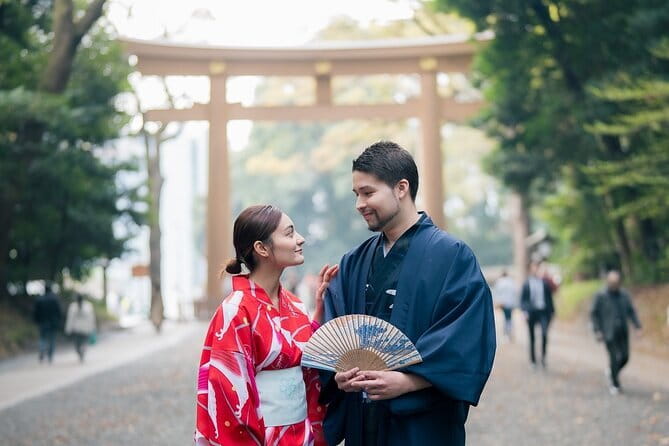
- The torii gate
- The sake barrels
- The wine barrels
- The forest
- The main shrine
- The Shinto prayer hall
- Your 1.5 hours of free time
- What the private format is really worth
- The guides and the human side of the visit
- What to know about dressing and comfort
- Who will get the most from this experience
- Booking, cancellation, and practical timing
- Should you book the Meiji Shrine kimono tour?
- FAQ
- Where does the tour begin and end?
- How long does the experience last?
- What is included in the price?
- Is hairstyling included?
- Are the Meiji Jingu Museum and Inner Garden included?
- What happens if bad weather cancels the activity?
I like the private format, since your group gets the guide’s attention instead of joining a large crowd. I also like that the rental includes the kimono, slippers or geta, bag, and accessories, so the price covers more than a simple clothing rental.
The main catch is time. Dressing takes about 30 minutes, and hairstyling costs extra, leaving a limited window for the shrine itself. The experience also depends on good weather, and the museum and Inner Garden require separate admission.
Key points at a glance
- Choose your own traditional outfit: Pick from kimonos and yukata in several colors, then match your clothing with included slippers, bags, and accessories.
- Six Meiji Shrine stops: The route covers the torii gate, sake barrels, wine barrels, forest, main shrine, and Shinto prayer hall.
- Private English-friendly touring: Only your own group participates, with a guide presentation lasting about 50 or 60 minutes.
- Photos are part of the visit: Your guide takes pictures as you explore the shrine in traditional dress.
- Free time after the guided walk: You have roughly 1.5 hours to explore before returning to SHIBUI and changing.
- Hair styling costs extra: The kimono rental is included, but ladies’ hairstyling is an optional paid add-on.
Why a kimono changes your Meiji Shrine visit
Meiji Shrine is easy to visit on your own, but the clothing changes the pace and mood. Instead of simply walking through the grounds, you have a reason to pause at the shrine’s visual details and take photographs along the way.
The experience begins at Harajuku Kimono SHIBUI, in Jingumae near Harajuku. The meeting address is Room 413 in Harajuku-Copo-Bekkan, 1-chome 10-34, Tokyo 150-0001. It is near public transportation, but give yourself enough time to find the specific room in the building.
At the shop, you select your outfit from traditional kimono and more casual yukata options. The selection is available for all ages, with different colors and styles. You can also choose matching slippers or geta, a bag, and accessories without paying an additional rental fee.
That included set matters. A kimono experience can become expensive when every small item carries a separate charge. Here, the listed $130.06 price includes the clothing rental and the guided shrine visit, while hairstyling is the main optional upgrade mentioned.
Dressing is handled privately and professionally, according to the information provided for this experience. Plan on about 30 minutes at the shop. The staff helps you get into the clothing and arrange the obi, or sash. Since this is a real dressing process rather than simply putting on a loose costume, you should allow the full half hour.
The clothing may also affect how quickly you walk. Traditional footwear and formal layers are not ideal for rushing. That is one reason the private format works well: you are not trying to keep up with a large group while adjusting to the outfit.
A few more Tokyo tours and experiences worth a look


Six stops between Harajuku and the shrine
After changing, you head to Meiji Shrine for the main part of the experience. The guided section lasts about 50 or 60 minutes and focuses on six recommended spots.
The torii gate
The torii gate marks the entrance into the shrine grounds. It gives your walk a strong beginning, and it is one of the natural places for photographs in kimono.
Your guide uses the first part of the visit to explain the meaning of the shrine and how to approach the grounds. This is useful if you have not visited a Shinto shrine before. You get context before reaching the central buildings, rather than treating the gate as just a photo backdrop.
The sake barrels
The sake barrels are among Meiji Shrine’s most recognizable details. They form a colorful display and offer a good contrast to the surrounding trees.
Your guide points out why these barrels are connected with the shrine. This is a small stop, but it adds a cultural detail that you could easily pass without understanding on an independent walk.
The wine barrels
The wine barrels add another unusual feature to the route. Their presence beside the sake barrels gives the guide a chance to explain a different connection between the shrine and supporters from outside Japan.
For photography, the barrels provide a distinctive setting. If you want pictures that feel tied to Meiji Shrine rather than generic kimono portraits, this stop is particularly useful.
A few more Tokyo tours and experiences worth a look




The forest
The Meiji Shrine forest changes the feel of the visit. The city is close, but the shrine grounds give you a quieter stretch beneath the trees.
This is where the outfit and the setting work together best. A kimono looks natural against the shrine’s traditional surroundings, and the guide can pause at suitable points for pictures. Since your guide takes the photos, you do not need to rely entirely on self-timer shots or ask strangers to take pictures.
The forest is also a practical reminder to wear footwear you can manage. The tour does not list difficult walking, and most people can participate, but kimono and shrine paths make a leisurely pace more sensible than a hurried one.
The main shrine
The main shrine is the center of the visit. Your guide explains the site and shows you how the shrine spaces fit together.
This portion is more than a formal photo stop. You are visiting an active religious place, so the explanation helps you behave respectfully and understand what you are seeing. The experience is designed for people who want cultural information along with the clothing and pictures.
The Shinto prayer hall
The prayer hall adds another layer to the visit. Here, the guide can explain the basic customs associated with prayer and shrine etiquette.
That guidance is especially valuable if this is your first Shinto shrine visit. You are not left to guess what to do at the central buildings. The tour does not claim to be an academic lecture, but the 50 or 60-minute presentation gives the visit more substance than a simple rental-and-photo package.
Your 1.5 hours of free time
Once the guided presentation ends, you receive free time to explore Meiji Shrine on your own. You meet the group again about 1.5 hours later and return to SHIBUI to change.
This open period is one of the better features of the schedule. You can revisit a favorite photo area, spend more time at the main shrine, or move at your own pace without a guide speaking continuously. It also gives you some breathing room after the dressing process and guided walk.
The free time does create a timing detail you should watch. The tour is described as about three hours, and the shrine portion is listed as 2 hours and 30 minutes, while the shop portion takes about 30 minutes. Your return meeting time is approximate, so pay attention to the instructions from your guide and return to SHIBUI as agreed.
The Meiji Jingu Museum and Inner Garden are optional. Their admission fees are not included, so you need to pay separately if you choose to visit them during free time. The available schedule may not allow you to do everything comfortably, especially if you want photographs, a relaxed shrine visit, and one or both paid attractions.
I would treat the optional sites as extras, not as part of the core value of the tour. The main package already centers on the shrine grounds, cultural explanation, kimono, and photography.
What the private format is really worth
The price is $130.06 per person. That is not the cheapest way to see Meiji Shrine, since the shrine visit itself is paired with a clothing rental rather than sold as a simple walking tour.
The value improves if you want several services in one booking. You receive the kimono, traditional footwear, bag, accessories, dressing assistance, a private guide, bottled water, shrine explanations, and guide-taken photographs. You also avoid arranging a rental separately and then figuring out how to reach the shrine in traditional clothing.
A private activity is especially helpful for couples, families, and small groups with different comfort levels. You can ask questions, pause for photos, and move at a pace that suits your party. Group discounts are available, though the exact discount is not specified, so check the price for your group before booking.
The experience may be less attractive if you only want to wear a kimono for a short photo session. Thirty minutes of dressing, a scheduled guided visit, and the return to the shop take up most of a half day. You are paying for the full cultural outing, not just the clothing.
The average booking point is about 35 days ahead. That suggests you should plan early if the date matters, especially for a special occasion or a short Tokyo stay. Mobile tickets make the booking practical once confirmed.
The guides and the human side of the visit
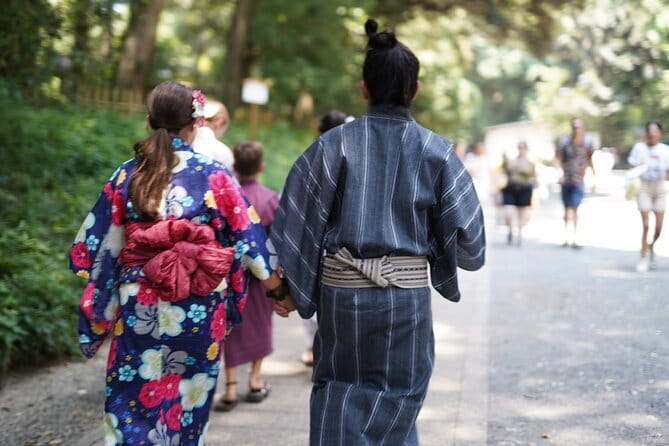
English-friendly service is central to this activity. The guide explains the shrine and helps you understand the cultural setting, rather than leaving you to walk around with only a rented outfit.
Lena and Mia have been specifically associated with the experience, and the feedback about them highlights their pleasant manner and clear cultural explanations. An owner named Akita is also mentioned in the responses from the provider. The exact guide is not guaranteed, so you should not book expecting one particular person.
One useful detail comes from a day when the original guide became ill. An intern stepped in and led the group through the temple area. That tells you the staffing may change, but it also shows that the provider has someone available to keep the activity running when plans shift.
The tour is private, but guide substitutions can still happen. If having a particular guide is important to you, ask before booking rather than assuming the named guides will lead your date.
The photography is another strong point. Your guide takes pictures at the recommended spots, which helps you remain part of the moment. It is not described as a professional studio photoshoot with a guaranteed number of edited images, so keep your expectations at the level of helpful travel photographs taken during the tour.
What to know about dressing and comfort

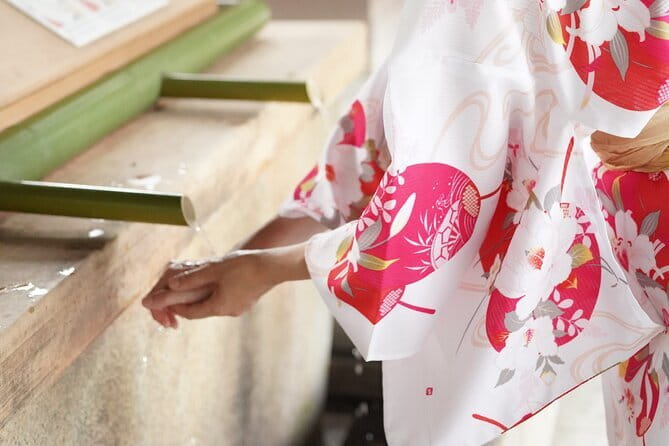
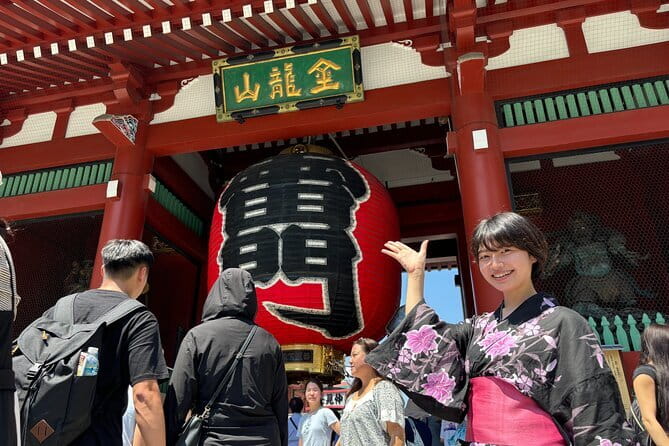
Your kimono, slippers, and other accessories are included. You choose the look, and the staff helps you dress. Yukata are available as a more casual traditional option, while kimono provide a more formal appearance.
Ladies’ hairstyling is optional and costs extra. If polished hair is important for your photographs, ask about the fee and arrange it in advance. If you are watching your budget, the included accessories still let you create a complete outfit without paying for the hair service.
The tour states that most people can participate and that service animals are allowed. It does not provide detailed information about changing-room accessibility, walking distances, restroom access, or specific footwear sizes. If you have mobility needs or require special clothing arrangements, contact the provider before reserving.
You should also consider the weather. This activity requires good weather, since it involves walking around Meiji Shrine and taking outdoor photographs. If poor weather causes cancellation, you receive the choice of another date or a full refund.
Who will get the most from this experience
I would recommend this for you if you want your Meiji Shrine visit to feel planned and personal. It suits first-time visitors who want a guide to explain Shinto customs, couples looking for shared photographs, and families who want a structured cultural activity in Harajuku.
It also works well for anyone who has always wanted to wear a kimono but does not want to arrange each step alone. The staff handles the dressing, the guide leads you through the shrine, and the free period leaves room for your own look around.
You may want a different plan if your schedule is tight or if you dislike formal clothing. The entire activity takes about three hours, and changing, walking, and returning to the shop are all part of the package. You also need to budget separately for the Inner Garden, museum, meals, and optional hairstyling.
This is not the best choice for a purely historical lecture. The focus is shared between clothing, photos, shrine orientation, and cultural explanation. That mix is its strength, but it means the history portion remains part of a broader experience.
Booking, cancellation, and practical timing
You receive confirmation when you book, and the activity ends where it begins, at Kimono Rental SHIBUI. The start and finish at the same shop make the outing easier to fit into a day around Harajuku and Meiji Shrine.
Free cancellation is available up to 24 hours before the local start time. Cancellations or changes made less than 24 hours ahead are not refunded or accepted. Since weather can affect the activity, this policy is worth noting before you reserve a date.
I would avoid scheduling an important timed attraction immediately after the tour. The free-time return is approximate, and dressing at the end takes time. Give yourself a cushion, especially if you plan to eat, shop, or catch a train afterward.
Should you book the Meiji Shrine kimono tour?
Book it if you want a private cultural outing with photographs, not simply a kimono rental. The included clothing and accessories, English-friendly shrine guidance, six planned stops, and free time make the $130.06 cost reasonable for someone who values convenience and a complete experience.
Think twice if you only want a quick costume photo, need a very precise end time, or plan to add both the museum and Inner Garden. Those extras cost more and may make the three-hour schedule feel crowded.
For a first Tokyo visit, a special celebration, or a small group that wants a memorable way to see Meiji Shrine, I would put this high on the shortlist. Book well ahead, ask about hairstyling if you want it, and leave room in your schedule for the clothing and return to the shop.
FAQ
Where does the tour begin and end?
The tour begins and ends at Kimono Rental SHIBUI, Room 413, Harajuku-Copo-Bekkan, 1-chome 10-34 Jingumae, Shibuya, Tokyo 150-0001.
How long does the experience last?
The activity lasts approximately three hours. About 30 minutes is spent at the kimono shop, followed by the Meiji Shrine visit, guided presentation, free time, and return to the store to change.
What is included in the price?
The price includes a guide, bottled water, and kimono rental service. Kimonos or yukata, slippers or geta, bags, and accessories are included with the rental.
Is hairstyling included?
No. Ladies’ hairstyling is optional and costs an additional fee.
Are the Meiji Jingu Museum and Inner Garden included?
No. Both are optional, and their admission fees are not included in the tour price.
What happens if bad weather cancels the activity?
If poor weather causes cancellation, you are offered another date or a full refund. You can also cancel for a full refund if you do so at least 24 hours before the local start time.
More Temples & Meditation in Tokyo
More Shibuya Tours in Tokyo



More tours in Tokyo we've reviewed





Shibuya Tours, compared.
 ★ 5.0Official Street Go-Kart in ShibuyaFrom $76
 ★ 5.0Shibuya Meltdown Nightlife Tour: All-You-Can-Drink Bar HoppingFrom $106
 ★ 4.9Tokyo: Street Kart Experience in ShibuyaFrom $99
 ★ 5.0Shibuya Official Street Go-Kart in Shibuya AnnexFrom $69
 ★ 5.0Tokyo: Shibuya Food Tour (13 dishes and 4 Eateries)From $77
 ★ 5.0Best of Shibuya Food TourFrom $217