Reviewed · TSUKIJI MARKET TOURS
Tokyo : Tsukiji Fish Market Food Walking & Shrine Visit Tour
Tsukiji is best understood with your appetite switched on. This two-hour walk takes you through the Outer Market for sashimi, Wagyu, fruit, tea, umami soup, and tamagoyaki, then adds a quiet lesson in Shinto worship at Namiyoke Inari Shrine. The food stops and the small six-person group are the main draws.
In This Article
- Key points at a glance
- Why this short Tsukiji tour works
- Meeting at Tsukiji Hongwanji Temple
- Walking through the Outer Market
- Learning Shinto customs at Namiyoke Inari Shrine
- Returning to the fish wharf and market
- What you actually taste for $90
- The guide and small-group experience
- Allergies, vegetarian options, and practical planning
- Who should book this Tsukiji experience
- Should you book the Tsukiji market food walk?
- FAQ
- Where does the tour meet?
- What start times are available?
- How long does the experience last?
- What food is included?
- Is lunch included?
- Can the food be adjusted for dietary needs?
I like that the guide gives you a practical way to read Tsukiji, not just a parade of samples. I also like the shrine visit, which adds meaning to the market streets. The main catch is simple: with so much food included, skip breakfast, and remember that lunch is not part of the tour.
Key points at a glance

- Six-person maximum: A small group makes it easier to ask questions and move between compact market shops.
- Several Japanese tastes: The sampling includes fresh sashimi, premium fruit, Wagyu, Japanese tea, umami soup, and tamagoyaki.
- Namiyoke Inari Shrine: You learn the proper Shinto way to pray instead of simply taking a quick photo.
- Two start times: Choose 8:00 or 10:30, depending on your Tokyo plans and appetite.
- Yuki is one named guide: The English-speaking guide Yuki is noted for pointing out good things to try and explaining market customs with energy.
- No breakfast needed: The food is substantial enough that arriving hungry is sensible.
Why this short Tsukiji tour works
Tsukiji Outer Market is not one single hall with a neat line of stalls. It is a working food district made up of shops, counters, suppliers, and narrow streets. That can be exciting, but it can also be confusing when you are seeing unfamiliar seafood, Japanese ingredients, and prepared foods for the first time.
This tour gives you a route and a guide while leaving room for discovery. You walk through the market, taste items from different shops, hear stories about artisans and their work, and return to areas you may want to explore on your own. In two hours, you get an introduction rather than an exhaustive market tour, which is the right scale for a first visit.
I especially like the mix of food and culture. A tasting-only walk can feel like a moving snack counter. A shrine-only visit can leave you wondering how the surrounding streets fit into daily life. Here, the market and Namiyoke Inari Shrine explain different sides of Tsukiji.
The group is limited to six participants. That matters in a tight market, where a large cluster can block counters and make conversation difficult. A small group also gives you a better chance to ask what you are eating, how to pray, or which shop deserves a return visit.
A few more Tokyo tours and experiences worth a look


Meeting at Tsukiji Hongwanji Temple
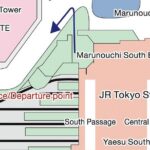
The tour starts in front of the main gate of Tsukiji Hongwanji Temple. You can choose an 8:00 or 10:30 departure, subject to availability, and an English-speaking guide waits at the meeting point.
This is a useful starting place because it gives you a clear landmark before the market walk begins. I would arrive a little early so you can identify the main gate without rushing. The tour returns to the same temple area at the end, so the route has a simple beginning and finish.
The early start is the better choice if you want to see Tsukiji while the food district is getting into its working rhythm. The 10:30 option may suit a slower morning, but you should still arrive without breakfast. The exact sequence of tastings can depend on the market stops, so treat the schedule as a guided route rather than a rigid meal plan.
Walking through the Outer Market
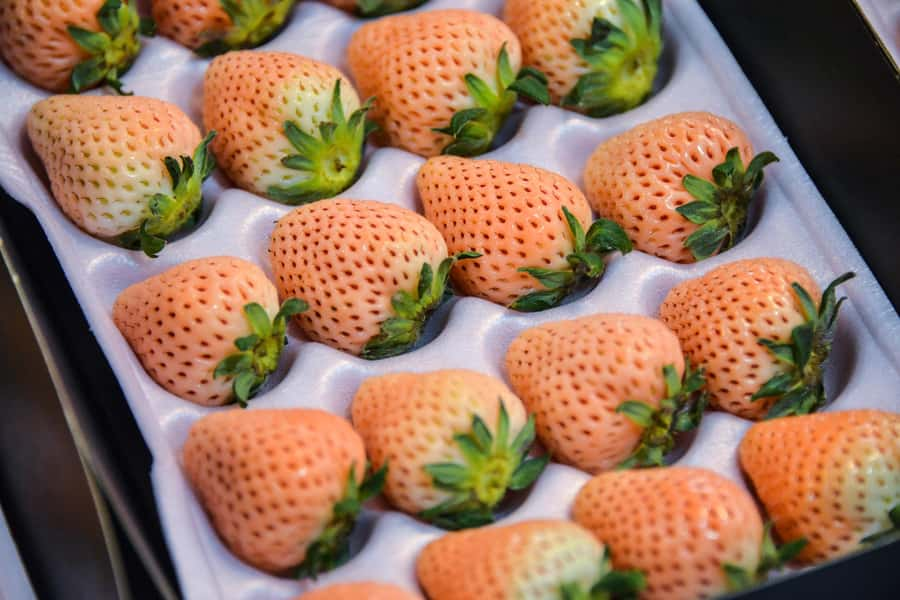
The first market section lasts about 40 minutes and combines walking, shopping, photo stops, and explanations from the guide. This is where you begin to see how Tsukiji operates and why the district is more than a sightseeing backdrop.
The guide introduces the market’s history and food culture through its artisans. You may see products that are easy to recognize, such as fruit or grilled foods, alongside ingredients that need a little explanation. That context is useful because Japanese food shops often focus on one craft or one product, and the quality of the work is part of what you are tasting.
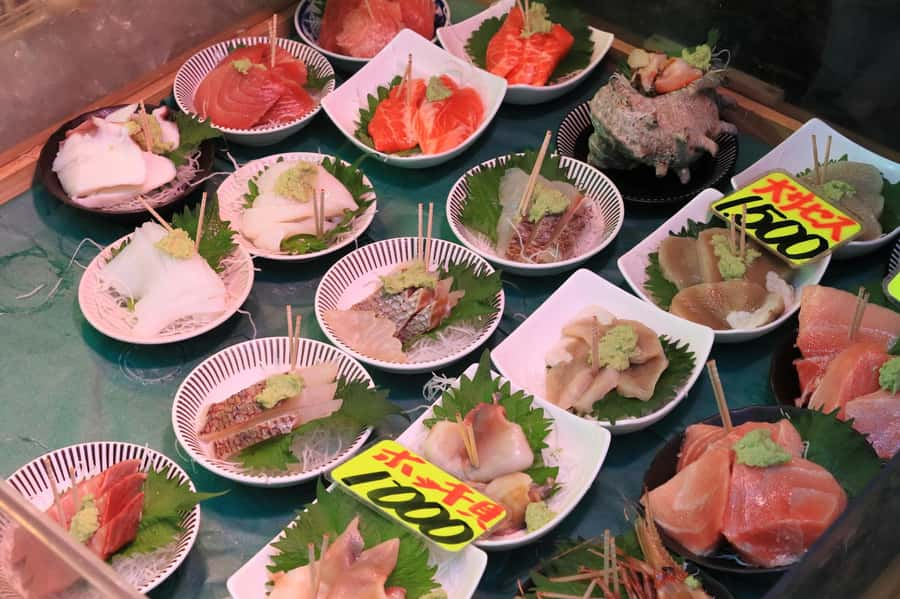
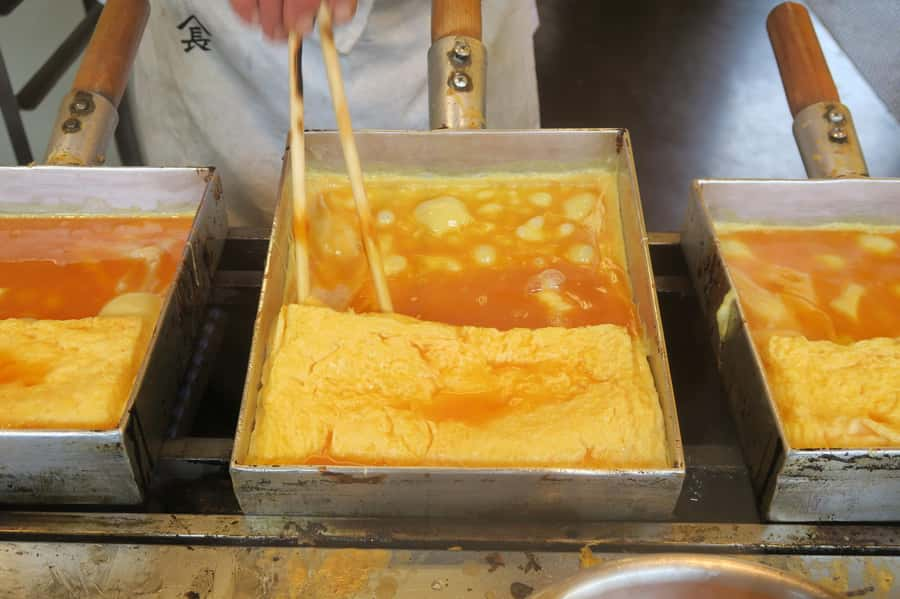
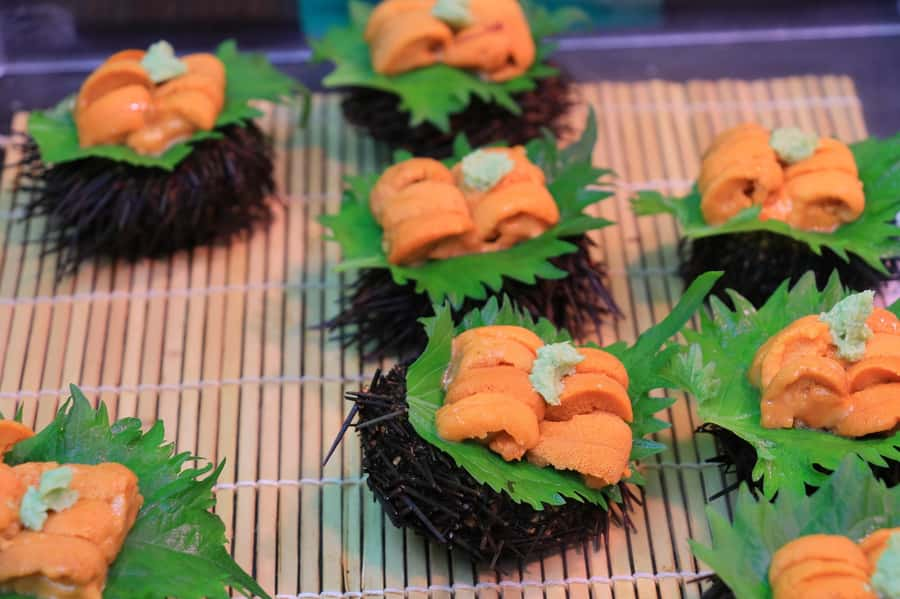
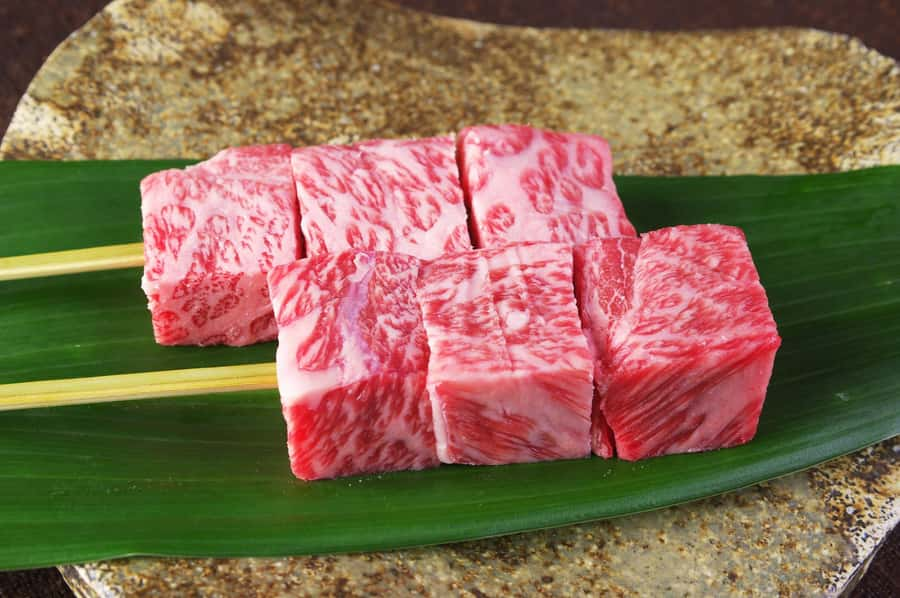
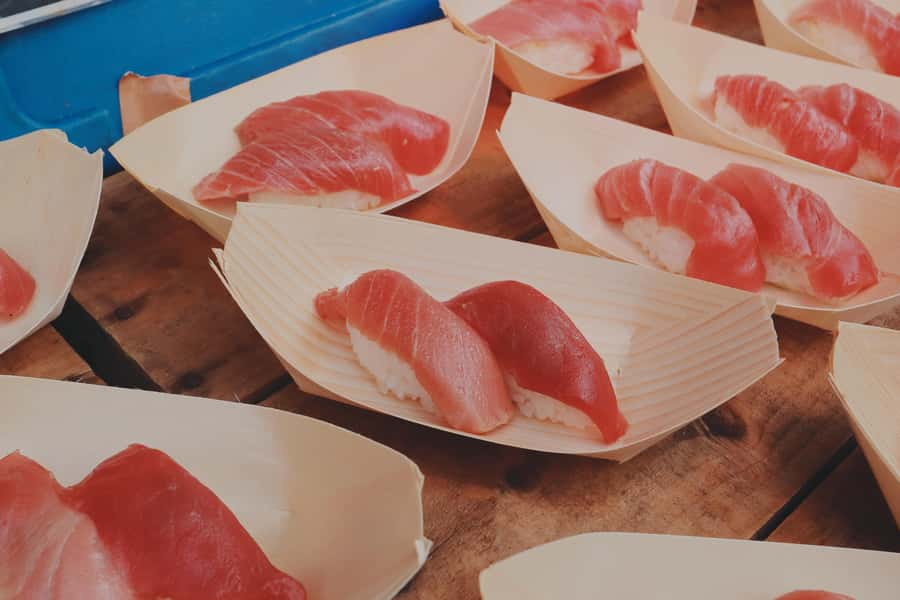
The food sampling is the heart of the experience. Fresh seafood sashimi gives you a direct taste of the market’s specialty. Wagyu offers a different kind of luxury, with premium Japanese beef in the lineup. Fruit, tea, soup made for its umami flavor, and tamagoyaki round out the meal with sweet, savory, warm, and refreshing notes.
Do not expect this to function like a full restaurant lunch. It is a sequence of tastings from market shops, and lunch is not included. Still, the range is generous for a two-hour walk. One German participant’s practical advice was to go without breakfast, and that is exactly the sensible plan here.
The 40-minute opening section also helps you build a short list of places to revisit. You may spot a shop selling something you want to buy later, but the tour does not promise a long shopping session at every stop. The value is having someone point out what matters before you return independently.
Learning Shinto customs at Namiyoke Inari Shrine
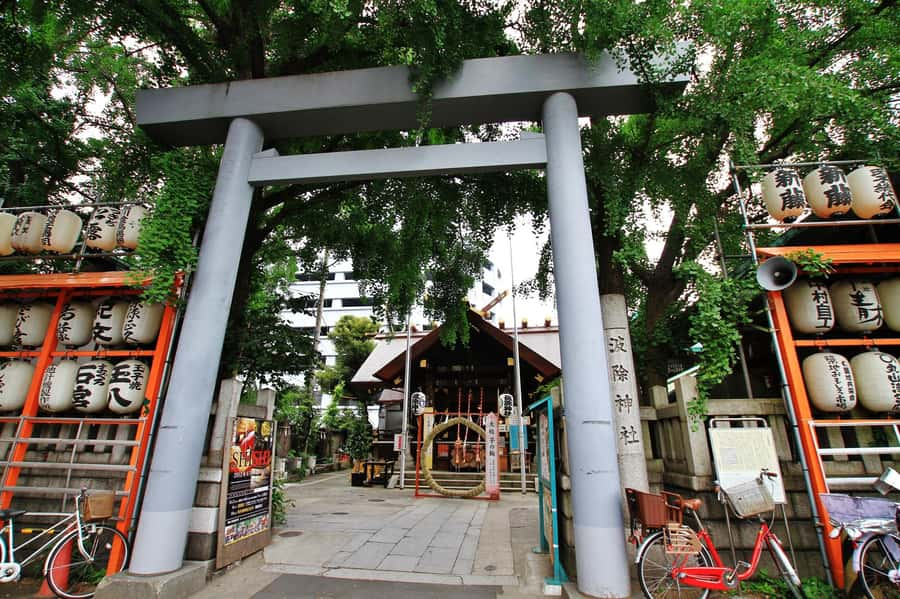
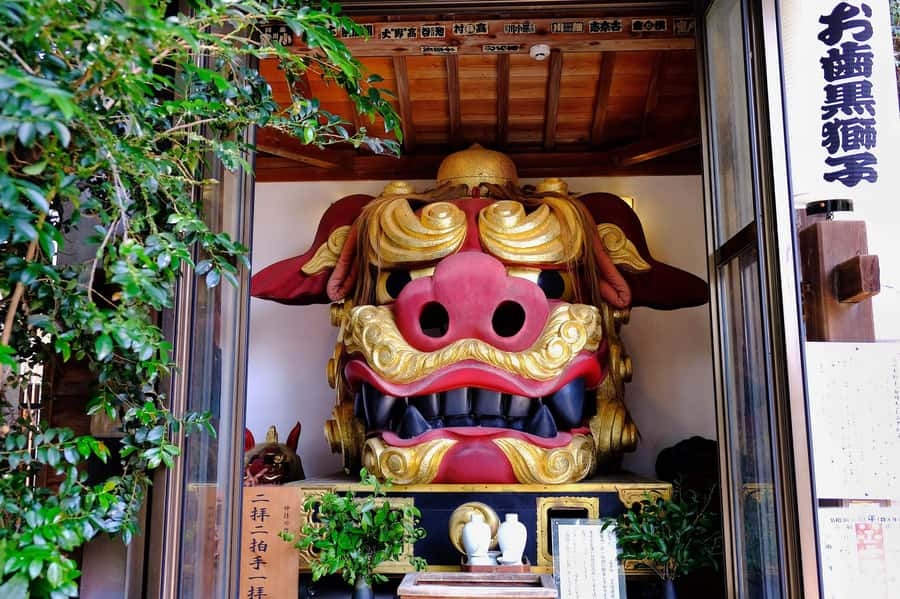
The next stop is Namiyoke Inari Shrine, with about 30 minutes set aside for the visit. This changes the pace from food sampling to quiet observation and instruction.
You learn about the myths connected with Japanese culture and the proper method of worship. That includes practicing how to pray at a Shinto shrine, rather than treating the visit as a quick photo stop. For many first-time visitors to Japan, this is one of the most useful parts of the tour because shrine customs are easy to watch but harder to understand without guidance.
The shrine also gives the market a cultural setting. Tsukiji is tied to food, the sea, work, and community, while the shrine represents a more spiritual side of the neighborhood. You do not need to be religious to appreciate the lesson. It is a respectful introduction to a living custom.
Allow yourself to follow the guide’s lead here. The shrine visit is not designed as a long historical lecture, and the supplied details do not promise a particular ceremony or special access. It is a chance to learn the basic way to worship and to pause between the market’s food stops.
Returning to the fish wharf and market
After the shrine, the route returns toward the market for another 50 minutes. This final section includes more walking, food-market visits, and photo stops.
The plan is to observe how fresh seafood is handled around the fish wharf, described as the heart of Tsukiji. That gives you a more practical look at the district than tastings alone. You can watch the movement of seafood and see the working side of the market, while the guide explains what you are seeing.
This part may appeal most to anyone who wants to understand where the food culture begins. The seafood on your plate is not just a polished restaurant dish. It connects to people who select, handle, prepare, and sell it. The tour does not promise a behind-the-counter work session, so expect observation rather than hands-on access.
The final market stretch is also when the earlier tastings begin to make more sense. You have already tried several foods, learned a little about the shops, and visited a shrine tied to the neighborhood. Now you can look again with a better idea of what deserves your attention.
The tour ends back at Tsukiji Hongwanji Temple. By then, you should have a basic map of the Outer Market and a few shops you may want to visit on your own. That follow-up freedom is important. A good food walk should help you continue exploring after the guide leaves.
A few more Tokyo tours and experiences worth a look



What you actually taste for $90
At $90 per person, this is not the cheapest way to walk through Tsukiji. You are paying for food samples, a live English-speaking guide, a small group, shrine instruction, and a planned route through a busy district.
The value depends on how you would otherwise visit the market. If you are comfortable choosing food on your own and can identify the market’s key areas, you may prefer to spend $90 directly on individual meals and snacks. If you want help ordering, tasting a broad set of Japanese foods, and learning shrine etiquette, the price is easier to justify.
The included food is the strongest part of the value:
- Fresh seafood sashimi
- Premium Japanese fruit
- Wagyu tasting
- Japanese tea
- Umami soup
- Tamagoyaki, or Japanese rolled omelette
That is a wider sample than a single market breakfast. It also gives you several textures and flavors rather than repeating one seafood dish. I would still keep some money aside for anything you want to buy after the tour, since shopping purchases and lunch are not included.
The food should be viewed as tasting portions, not a guaranteed full meal. The supplied details do not state the exact serving sizes, so you should not book this as your only food plan for the rest of the day. The sensible approach is to skip breakfast, enjoy the samples, then decide later if you need lunch.
The guide and small-group experience
The guide is an important part of this tour because the market itself does not explain every food or custom. The service is offered in English, and the group is limited to six people.
One named guide is Yuki. Yuki is noted for highlighting the best things to try and explaining Tsukiji’s history and culture with energy. That is exactly the kind of guiding that helps in a food market, where timing, shop choice, and clear explanations shape the experience.
You should also expect an official guide, though no full guide roster is provided. The tone is intended to be friendly and helpful, with an English interpreter waiting at the temple meeting point. A small group makes it easier to stay together and hear the guide in narrow market lanes.
The limitation is that a small group does not turn this into a private tour. The tour still follows a shared route, and the market’s own activity controls the pace. If you want a fully custom food crawl, private transportation, or a long shopping stop at one shop, this may feel too structured.
Allergies, vegetarian options, and practical planning
Meal customization is available for allergies, vegan guests, and vegetarian guests, but you must tell the operator in advance. This is important because the standard food list includes sashimi, Wagyu, soup, and other items that may not suit every diet.
Do not wait until the meeting point to explain a serious allergy or dietary restriction. Advance notice gives the provider a chance to adjust the tastings. The supplied information does not list specific substitute dishes, so ask for confirmation if you need to know exactly what you will receive.
There is no private transportation included. That is not a major concern for this experience because the main route is a walking tour, but you are responsible for reaching the meeting point at Tsukiji Hongwanji Temple.
The tour lasts two hours. That makes it easy to fit into a Tokyo morning or combine with other plans, but it also means the guide must keep moving. Wear comfortable walking shoes and keep your schedule realistic after the tour. The activity ends where it begins, at the temple.
Free cancellation is available up to 24 hours before the start for a full refund, and you can reserve now and pay later. Check the available start times before booking, especially if you need the 8:00 or 10:30 option to fit your day.
Who should book this Tsukiji experience
I would recommend this tour to first-time visitors who want a clear introduction to Tsukiji without spending half a day figuring out where to go. It also suits food lovers who want to try several Japanese specialties but would rather have a guide explain each stop.
It is a good choice for small groups, couples, and solo visitors who value conversation and guidance. The six-person limit is especially useful if you want to ask questions about ingredients, market customs, or shrine worship.
Families may also appreciate the short duration, though the food selections and walking route should match the children’s ages and interests. Anyone with allergies, vegan requirements, or vegetarian preferences should provide details ahead of time.
I would be less likely to choose this if you already know Tsukiji well, want a private guide, or mainly want to shop. I would also skip it if you need a guaranteed full lunch, since lunch is not included and the sample sizes are not specified.
Should you book the Tsukiji market food walk?
Book it if you want guided tastings plus shrine culture in one compact morning. The combination is the strongest reason to choose this tour. You get seafood, Wagyu, fruit, tea, soup, and tamagoyaki, then learn how to worship at Namiyoke Inari Shrine and observe the fish wharf.
The best personal tip is to arrive hungry. The most praised part of the experience is the guide’s food advice and enthusiasm, with Yuki singled out for making the market easier and more enjoyable to understand.
Skip it if you prefer to explore alone, need a full meal, or want a private and highly flexible schedule. At $90, the tour earns its price through the guide, the small group, the range of tastings, and the cultural instruction, not through transportation or an included lunch.
FAQ
Where does the tour meet?
The meeting point is in front of the main gate of Tsukiji Hongwanji Temple in Tokyo.
What start times are available?
The tour offers 8:00 AM and 10:30 AM start times. Availability should be checked when you book.
How long does the experience last?
The walking tour lasts two hours and returns to Tsukiji Hongwanji Temple.
What food is included?
Included tastings are fresh seafood sashimi, premium Japanese fruit, Wagyu, Japanese tea, umami soup, and tamagoyaki.
Is lunch included?
No. Lunch is not included, so plan any additional meal separately.
Can the food be adjusted for dietary needs?
Yes. Meals can be customized for allergies, vegan guests, and vegetarian guests. You should provide the information in advance.
More Walking Tours in Tokyo

More Temples & Meditation in Tokyo
More Tsukiji Market Tours in Tokyo

More tours in Tokyo we've reviewed


Tsukiji Market Tours, compared.
 ★ 5.0Tokyo Tsukiji Fish Market Food and Culture Walking TourFrom $99
 ★ 5.0Tokyo: Tsukiji Fish Market Food and Walking tourFrom $30
 ★ 4.9Tokyo: Tsukiji Fish Market Guided Walking TourFrom $222 hours
 ★ 5.0Tokyo Sushi Making Class in Tsukiji with Professional ChefFrom $49
 ★ 5.0Tsukiji Fish Market Guided Tour and Sushi Making with Pro ChefFrom $104
★ 4.7Tokyo: Tsukiji Fish Market Food and Culture Walking TourFrom $963 hours