Reviewed · TOKYO FOOD TOURS
Flavours of Tokyo: A Journey Through Time – Small Group Food Tour
Tokyo’s food story comes alive through 14 tastings in three districts, not at one market or a single restaurant. You begin with dashi, kombu, and katsuobushi in old Nihonbashi, move through the postwar bars beneath Ginza’s railway tracks, then finish in Akihabara with sweets that point toward Japan’s food future.
In This Article
- Key points before you book
- Why this tour is about more than lunch
- Nihonbashi begins with dashi and old Tokyo
- Fukutoku Shrine adds a cultural pause
- Ginza and Yurakucho reveal postwar Tokyo
- Tokyo International Forum makes a useful bridge
- Tokyo Station brings commuter foods
- Akihabara looks toward the future of Japanese food
- The guides make the long format work
- Food quantity, pace, and the honest drawbacks
- How to prepare for the route
- Who will get the most from this Tokyo food tour?
- Should you book it?
- FAQ
- How long does the Tokyo food tour last?
- How many people can join the tour?
- Which Tokyo areas does the tour visit?
- What food and drinks are included?
- Are transportation costs included?
- How much walking is involved?
- Where does the tour start and finish?
I like the tour’s clear past, present, and future theme, and I like the small maximum of nine people. Guides such as Yasu, Miko, and Keiko are praised for making the history easy to follow, while the route gives you a useful look at central Tokyo beyond the usual sightseeing circuit. The main drawback is time: this is a long, measured walking tour, and some tastings are small samples rather than full meals.
Key points before you book
- Three Tokyo districts in one afternoon: Nihonbashi, Ginza and Yurakucho, Tokyo Station, and Akihabara each frame a different part of the city’s story.
- Four miles of walking: Expect about 6.5 kilometers, plus many subway stairs and two short subway rides.
- Fourteen food and drink tastings: The menu ranges from dashi and yakitori to tempura soba, tamagoyaki, fruit sandwiches, and Pokemon taiyaki.
- A genuinely small group: The maximum is nine people, with many departures using groups of six or fewer.
- Guides add the value: Yasu, Miko, Keiko, Paiva, and Sidney have all been singled out for warmth, patience, and strong cultural explanations.
- Budget for transport: Two subway rides are used during the tour, and those fares are not included in the $176 price.
Why this tour is about more than lunch
I see this experience as a food-and-history walk rather than a restaurant crawl. You are not simply moving from one famous eating spot to the next. You are learning why certain ingredients matter, how Tokyo changed after the war, and how ordinary commuters and modern pop culture shape what people eat.
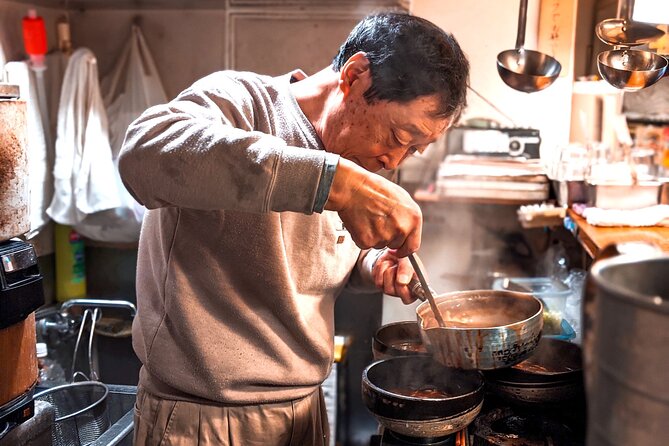
That approach is useful if you are new to Japanese food. Instead of being handed an unfamiliar dish with no context, you get a short explanation of its ingredients and place in Japanese life. Dashi, for example, is not just a soup base. It is one of the quiet building blocks of Japanese cooking, made with ingredients such as kombu and katsuobushi.
The $176 price is not cheap, but it covers roughly five and a half hours, a large range of tastings, guiding, and a route through several central neighborhoods. If you want only a quick meal and a few bites, you can find shorter and less expensive options. If you value a guide who connects food to Tokyo’s development, the longer format makes more sense.
A few more Tokyo tours and experiences worth a look
Nihonbashi begins with dashi and old Tokyo
The tour starts at 11:30 a.m. near the Nihonbashi 1-chome Mitsui Building, close to Nihonbashi Bridge. Give yourself extra time to find the meeting point. One person found the address clear enough on the ticket but had trouble because the subway exit information was less obvious. Nihonbashi Station exit B12 is a useful detail to keep in mind.
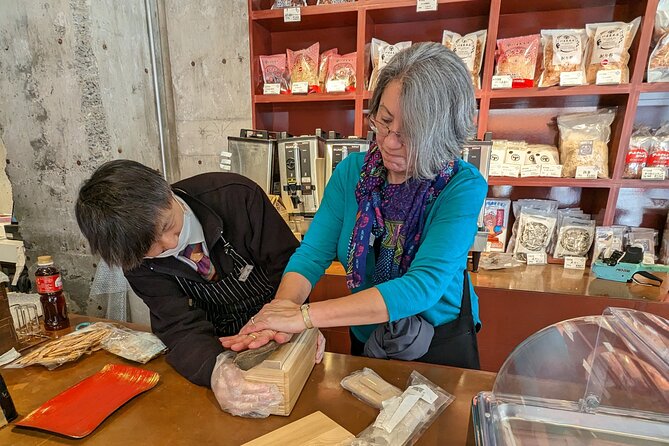
Nihonbashi is the right opening chapter. This area helps explain the older commercial side of Tokyo, and the first tastings focus on the ingredients behind Japanese food. You may sample dashi, katsuobushi, and kombu, learning how dried fish and kelp create the savory flavor found in many familiar dishes.
The food here is less flashy than what comes later, but it gives you a base for understanding the rest of the day. You might also try satsuma-age, a fried fish cake, along with amazake, a sweet fermented rice drink. These are the kinds of foods that can seem ordinary until someone explains how they fit into Japanese cooking and daily life.
The first section lasts about an hour and a half, including time around Nihonbashi Bridge. That makes the opening feel unhurried. You can ask questions, look at the neighborhood, and taste several small items without being pushed from one counter to another.
Fukutoku Shrine adds a cultural pause
A short stop at Fukutoku Shrine breaks up the food tasting with a practical lesson in Japanese religious customs. You learn the difference between a shrine and a temple, how to cleanse yourself before praying, and the basic way to make a prayer at a shrine.
This is only about ten minutes, so do not expect a long sightseeing visit. Its value is that it gives you something useful for the rest of your Japan trip. If you have never used a shrine’s water pavilion or wondered what distinguishes Shinto from Buddhism, the guide can make the ritual less puzzling.
It also keeps the tour from becoming a parade of snacks. The wider theme is how people, places, and food changed over time, and this small stop supports that idea.
Ginza and Yurakucho reveal postwar Tokyo
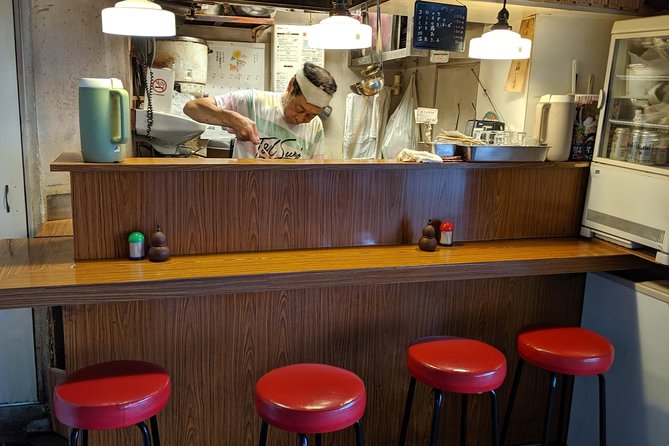
The route then moves toward Ginza and Yurakucho, where the focus shifts to Japan’s industrial growth after the Second World War. The guide explains the rise of the salaryman and the small bars and restaurants built beneath the railway tracks, often called gado shita.
Yurakucho is especially useful for seeing how food fits around work. These compact places served people who worked in the city and wanted an inexpensive meal or drink close to the station. The setting gives you a more everyday view of Tokyo than the polished department stores and luxury shops often linked with Ginza.
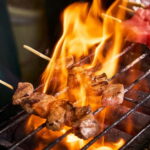
The food here includes yakitori and a lemon sour, a Japanese alcoholic drink. Yakitori is a natural match for the area’s small-bar tradition, and the lemon sour offers a simple introduction to a common Japanese drink.
The tour lists about an hour and ten minutes for the Ginza and Yurakucho section. You will walk through the area and stop for food, but the experience is not designed as a long sit-down restaurant meal. If you are hungry, keep in mind that some portions are intended for tasting and sharing.
This is also one of the places where the tour’s pace may divide opinion. I like the time for stories and neighborhood context, but someone trying to fit in many Tokyo sights on the same day may find the route slow.
Tokyo International Forum makes a useful bridge
From the railway tracks, the group walks toward Tokyo Station, passing the Tokyo International Forum. The stop is brief, about fifteen minutes, but the building gives the route a visual change after the tighter streets around Yurakucho.
The walk also helps connect the themes. You have seen an older commercial district, a shrine, and the working-class food culture beneath the tracks. Now you are moving into the grand transport and business zone around Tokyo Station.
A short visit to Kitte Marunouchi follows. The tour does not promise a long shopping stop here, so think of it as part of the walk rather than a separate attraction. The practical benefit is that you are seeing several central districts in one continuous route instead of spending the whole tour inside one market or neighborhood.
A few more Tokyo tours and experiences worth a look

Tokyo Station brings commuter foods
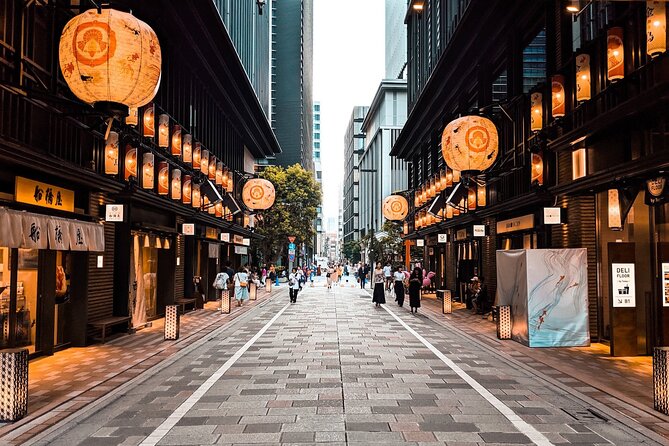
At Tokyo Station and nearby Daimaru Tokyo, the food story turns to items people might pick up on the way home. You try tamagoyaki, a Japanese omelette, and a fruit sando, made with soft Japanese milk bread, fresh fruit, and whipped cream.
These foods show a different side of Japanese eating. Tamagoyaki is familiar, portable, and comforting. The fruit sandwich is sweet, neat, and distinctly modern in its presentation. Together they show how food sold at stations and department stores can be both practical and carefully made.
You may also encounter foods such as onigiri and curry noodles during the broader tasting sequence. The exact order can depend on shop hours and the day’s arrangements, but the general aim is to show what people eat while commuting, shopping, or heading home.
This portion can feel more like grazing than lunch. The tour includes lunch items, including yakitori, tempura soba, tamagoyaki, and fruit sando, but you should not assume that every dish arrives as a large individual serving. Some foods are shared because a full portion would be too much, such as candied potato or a pot of pickles.
The provider has also changed the drink tasting after feedback, moving from a shared serving to a full bottle for each person. That is a useful improvement, especially on a long tour where you want to feel that you are getting a fair share of what is offered.
Akihabara looks toward the future of Japanese food
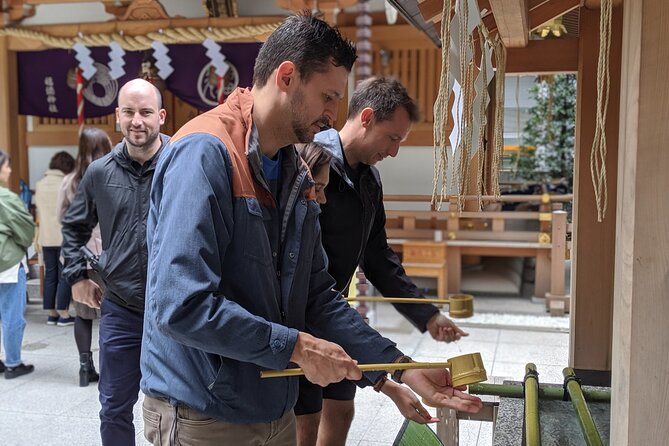
The final district is Akihabara, known for electronics, anime culture, and maid cafes. Here the guide asks what Japanese food might look like in the future, then brings out desserts that combine traditional ingredients with newer formats.
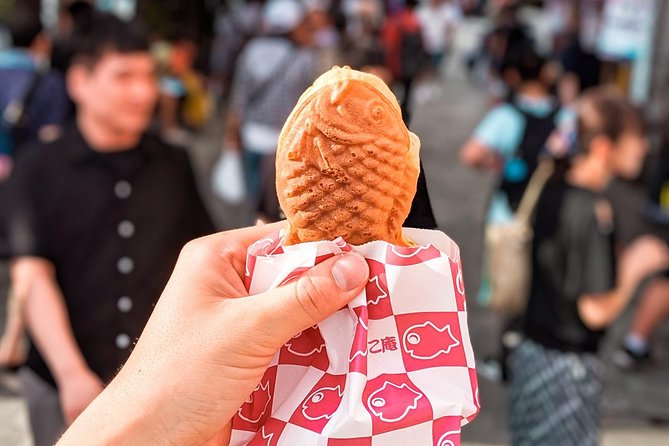
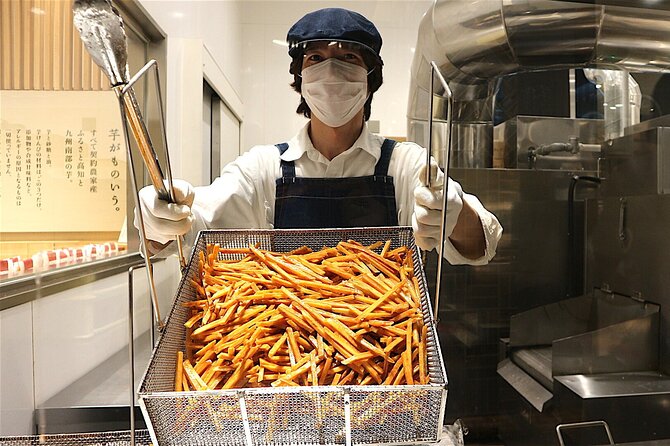
Possible tastings include daifuku or dorayaki, Pokemon taiyaki, matcha bubble tea, or matcha ice cream. Imo kenpi, a crisp candied sweet potato snack, may also appear among the day’s sweets.
Pokemon taiyaki is the playful finale. Taiyaki is a fish-shaped cake traditionally filled with sweet bean paste, but the modern version links an old snack to contemporary character culture. That makes Akihabara a logical ending point, even if you are not an anime fan.
The final section lasts about forty-five minutes and finishes near Akihabara Station on Sotokanda. A guide may walk you back to the station, and Miko has also provided dish names and group photos after the tour. Those small touches are useful when you want to remember what you ate or find the same foods again.
The guides make the long format work
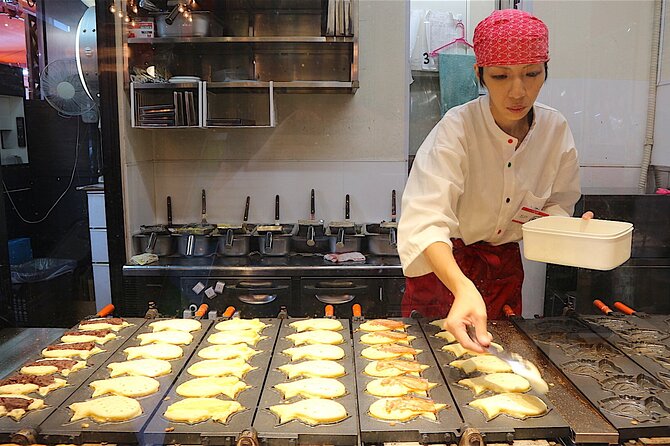
The strongest part of this experience is the guide-led storytelling. Yasu is praised for his history explanations, patience, and ability to handle small travel problems, including a missing Suica card and trouble exiting the subway. Miko is noted for preparing a booklet with ingredient notes and historical photos, while Keiko is described as warm, friendly, and clear when explaining culture.
Paiva and Sidney are also praised for being helpful and attentive. The guide names matter because this is not a self-guided tasting route. A quiet or rushed guide would make the five and a half hours feel long. A good one turns the pauses, station transfers, and small portions into part of the lesson.
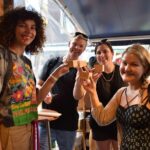
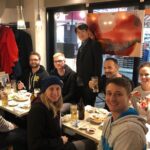
The group size helps. With no more than nine people, you can hear the guide and ask questions without competing with a large crowd. Several departures have used groups of around six, which is a comfortable size for conversation.
Still, the small-group format means you need to move with the group. You cannot linger indefinitely at a shop or change the route to suit your own appetite.
Food quantity, pace, and the honest drawbacks
This is a generous tasting schedule, but it is not fourteen full meals. Most items are individual samples, while a few are shared. The tour provider says that many people finish feeling full, and some have needed to take the final food away for later. Appetite varies, though, and one person left hungry after leaving early.
My practical advice is to eat a light breakfast. Arriving stuffed will make it hard to appreciate fourteen samples, while arriving completely empty may make the smaller early tastings feel insufficient. The tour is designed for variety and context, not for one enormous lunch.
The pace is another consideration. The route covers about four miles and includes two short subway rides, with a large number of stairs at stations. It is described as suitable for people with moderate physical fitness who can walk at a reasonable pace in a group.
I would not book this if you dislike walking, stairs, or a fixed schedule. I also would not choose it if your main goal is to visit as many food venues as possible in the shortest time. The experience deliberately includes shrines, architecture, railway areas, and historical explanations, so it is best understood as a city tour with a strong food focus.
How to prepare for the route
Wear comfortable shoes and leave room for walking at a steady pace. Your mobile ticket is accepted, and the route stays near public transportation, but you must pay for the two subway rides yourself.
Start at the correct Nihonbashi meeting point and arrive early. A late arrival can be a serious problem because there are no refunds for missing the tour or arriving late. The cancellation terms are also strict: more than one week’s notice usually allows a refund excluding booking and administration charges, seven to two days allows 50 percent, and there is no refund within 48 hours.
The tour needs good weather and a minimum number of participants. If the operator cancels for either reason, you can choose another date or experience, or receive a full refund.
Who will get the most from this Tokyo food tour?
I would recommend it to first-time visitors who want food explained rather than simply served. It is also a good fit if you enjoy history, neighborhood walks, and trying foods you might not order on your own.
The tour suits couples and solo visitors who like meeting a small group. It also works well for people who want a practical introduction to ingredients such as kombu, katsuobushi, dashi, matcha, and fermented foods.
I would be more cautious if you have limited time in Tokyo. Five and a half hours is a major part of the day, and the tour ends in Akihabara rather than returning you to Nihonbashi. It is also not ideal for anyone unable to manage 6.5 kilometers of walking and frequent subway stairs.
Should you book it?
Book this tour if you want to understand how Tokyo’s food connects with its neighborhoods and changing society. The combination of dashi in Nihonbashi, gado shita bars in Yurakucho, commuter foods at Tokyo Station, and playful sweets in Akihabara gives you a clear thread through the city.
Skip it if you want a fast, food-only outing or large portions at every stop. At $176, the value rests in the guide, the small group, the broad route, and the cultural explanation. For me, that makes the price reasonable for a visitor who wants a thoughtful introduction to Tokyo, but less convincing for someone simply looking for lunch.
FAQ
How long does the Tokyo food tour last?
The tour lasts approximately 5 hours and 30 minutes. It begins at 11:30 a.m. and ends near Akihabara Station.
How many people can join the tour?
The maximum group size is nine travelers.
Which Tokyo areas does the tour visit?
The route includes Nihonbashi, Fukutoku Shrine, Ginza, Yurakucho, Tokyo International Forum, Kitte Marunouchi, Tokyo Station, Daimaru Tokyo, and Akihabara.
What food and drinks are included?
Included tastings include dashi, katsuobushi, kombu, satsuma-age, amazake, imo kenpi, daifuku or dorayaki, Pokemon taiyaki, matcha bubble tea or matcha ice cream, yakitori, tempura soba, tamagoyaki, fruit sando, and a lemon sour.
Are transportation costs included?
No. The tour uses two short subway rides, and you pay those transport costs yourself.
How much walking is involved?
You should expect to walk about 6.5 kilometers, or four miles, and climb many stairs at subway stations. A moderate level of physical fitness is required.
Where does the tour start and finish?
The meeting point is Nihonbashi 1-chome Mitsui Building at 1-chome 4-1 Nihonbashi. The tour finishes at Akihabara Station near 1 Chome Sotokanda.
More Food Experiences in Tokyo
More Tokyo Food Tours in Tokyo
More tours in Tokyo we've reviewed












Tokyo Food Tours, compared.
 ★ 5.0Tokyo: Shinjuku Food Tour (13 Dishes at 4 Local Eateries)From $86
 ★ 4.9Tokyo: Shinjuku Food Tour (13 Dishes and 4 Eateries)From $97
 ★ 5.0Tokyo Night Foodie Tour in Shinjuku – Seasonal Sushi, Wagyu BeefFrom $111
 ★ 5.0Eat and Drink Like a Local: Tokyo Ueno Food Tour-Taverns&RamenFrom $95
 ★ 5.0Tokyo: Shibuya Food Tour (13 dishes and 4 Eateries)From $77
Tokyo: Shinjuku Food Tour – 15 Dishes, 3 Drinks, 4 EateriesFrom $723 hours
★ 5.0Tokyo: Shibuya Food Tour (13 dishes and 4 Eateries)From $77
Tokyo: Shinjuku Food Tour – 15 Dishes, 3 Drinks, 4 EateriesFrom $723 hours