Reviewed · ASAKUSA TOURS
Asakusa: Beginner-Friendly Japanese Dance Workshop
A folding fan, a kimono, and slow, precise gestures give this 45-minute Asakusa workshop a pleasant introduction to Japanese classical dance. You watch a professional performer, then try a few movements yourself rather than sitting through a show with no context.
In This Article
- Key points to know before booking
- Why this small Asakusa workshop works
- Starting with matcha near Kaminarimon Gate
- Watching Nihon Buyo in a kimono
- Trying the folding fan yourself
- Meeting the dancer for photos
- What the $25 price really covers
- Timing, access, and small practical details
- Who should book this experience
- Should you book the Asakusa dance workshop?
- FAQ
- How long does the Japanese dance workshop last?
- Where does the workshop meet?
- Is the workshop suitable for beginners?
- What languages does the instructor speak?
- Is a drink included?
- When is the matcha served?
- Is the activity wheelchair accessible?
I like the close look at Nihon Buyo, a dance tradition dating to the Edo period, and the easy hands-on section for beginners. I also like the setting near Kaminarimon Gate, which makes this a simple cultural stop between Asakusa’s temples and old streets.
The main limitation is time. Forty-five minutes gives you a taste, not a full lesson or a long performance. Arrive early for the complimentary matcha, since drink service ends five minutes before the show begins.
Key points to know before booking
- A professional kimono performance: Watch a live presentation of Nihon Buyo, including the traditional white shironuri stage makeup.
- A simple fan lesson: Learn basic folding-fan movements with an instructor, with no previous dance experience needed.
- A personal photo ending: Take a commemorative picture with the dancer in full kimono and makeup.
- Matcha before the show: The welcome drink is served only until five minutes before the start time.
- Easy Asakusa location: Go directly to the sixth floor, close to Kaminarimon Gate.
- Good value for a short cultural stop: At $25 per person, the experience combines a performance, instruction, drink, and photo opportunity.
Why this small Asakusa workshop works
Asakusa is one of Tokyo’s best places for a first look at older Japanese traditions. Kaminarimon Gate, Sensoji Temple, souvenir stalls, and narrow shopping streets all sit within a compact area. This dance workshop fits neatly into that plan because it does not consume half a day.
The activity gives you three ways to connect with the culture. First, you watch a trained dancer. Second, you learn a few gestures with a fan. Third, you meet the performer for photos and conversation. That sequence matters. You are not only looking at a costume or taking a quick picture. You get a short explanation through movement, followed by a chance to participate.
The tone is friendly rather than formal. You do not need a kimono, dance shoes, or any costume experience. Wear ordinary comfortable clothes and bring your curiosity. The instructor speaks English and Japanese, so the lesson can work well for an international audience.
I would think of this as a cultural introduction, not a serious dance class. If you want detailed training in footwork, posture, or Japanese performance theory, the session will feel brief. If you want a clear and manageable taste of traditional arts, the format makes good sense.
A few more Tokyo tours and experiences worth a look


Starting with matcha near Kaminarimon Gate
The welcome drink gives the visit a calm beginning. You are served matcha, Japan’s traditional powdered green tea, before the performance starts. It is a small touch, but it helps separate this activity from a standard stage show.
You need to arrive early if the drink matters to you. Matcha service ends five minutes before the performance begins, and late arrivals cannot receive it because of preparation timing. That rule is easy to miss, so I would plan to reach the building with enough time to find the sixth floor and settle in.
The meeting instruction is simple: go directly to the sixth floor. The supplied directions do not provide a building name or a detailed route, so check your booking information carefully before setting out. Since the activity is near Kaminarimon Gate, it is practical to pair it with a visit to Sensoji Temple or the surrounding Asakusa streets.
The drink is not the main reason to book, but it adds context. Matcha is part of Japan’s traditional hospitality, and having it before a dance performance gives the first few minutes a quiet, ceremonial feel. One recent account also describes iced matcha and a small origami fan gift, but the listed inclusion is a welcome drink only. Treat the fan as a possible extra, not something guaranteed.
Watching Nihon Buyo in a kimono
The performance introduces you to Nihon Buyo, a classical Japanese dance form that began during the Edo period. Its stories are told through controlled movement, posture, hand gestures, and the careful use of space. The pace is deliberate. This is not a high-energy stage routine.
That slower rhythm is part of the appeal. You have time to notice how a fan, a turn of the head, or a change in hand position can suggest a feeling or a part of a story. The dance presents emotion through restraint rather than large gestures.
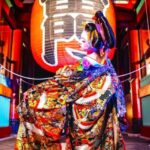
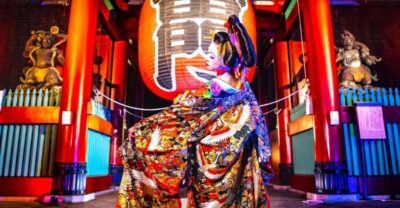
The performer wears a beautiful kimono, giving you a close view of clothing, movement, and stage manners. The costume is not just decoration. Traditional dance depends on how the fabric, sleeves, and fan respond to each motion. Even in a short session, you begin to see why the body and costume are treated as one visual form.
The program also includes a performance detail that many first-time viewers will remember: shironuri, the white makeup used in traditional Japanese theater and dance. It appears at the climax of the show and has been passed down through generations. The white face creates a striking stage image and helps mark the performance as something different from everyday life.
You should not expect a full-length theatrical production. The information provided does not give the exact number of dances or the performance length. The strength here is access. You are seeing a professional dancer at close range, then getting an explanation and a chance to try the basics.
A recent parent and child experience especially praised the way the dance expressed Japan’s four seasons. That is a useful clue about the performance style. Nihon Buyo can communicate nature and time through small changes in gesture, rather than through scenery or spoken narration.
Trying the folding fan yourself
After the performance, the instructor guides you through basic fan movements. This is the most active part of the visit, and it keeps the experience from becoming a passive cultural display.
You do not need to know how to dance. The movements are described as gentle and graceful, with support from an experienced instructor. That makes the activity suitable for first-timers, families, and anyone who feels slightly nervous about performing in front of other people.
A folding fan may look simple, but it gives your hands a clear focus. You learn how to hold and move it while paying attention to the shape of your arms and the pace of each gesture. The lesson is not long enough to build real technique, but it can help you understand the control behind the professional performance.
The workshop is also useful for children who need a cultural activity with some participation. One recent experience included a parent and son, who enjoyed dancing together after watching the show. The session remains short, so it is less demanding than a long craft class or formal lesson.
Do not expect everyone to perform a polished routine by the end. The purpose is to try the motions, not to master Nihon Buyo in one sitting. If you are shy, remember that the beginner-friendly format is built around curiosity and enjoyment rather than technical skill.
Meeting the dancer for photos
The photo session comes at the end, when the performer is still dressed in full kimono and makeup. This gives you a clear souvenir of the activity and a chance to see the costume at close range.
The photo is more useful than a random costume snapshot because you have already watched the dance and tried a few movements yourself. You understand a little of what the fan and gestures mean, so the picture carries more context.
You also have a chance to chat with the dancer. The available information does not promise a long question-and-answer period, but it does describe a personal connection at the end of the visit. That makes the closing feel warmer than simply applauding and leaving.
The experience provider is Yuki Yoshida. No individual instructor name is supplied, so I would not book this expecting a particular named teacher. The listed teaching languages are English and Japanese, which should make the basic workshop accessible to many international visitors.
If photos are important to you, keep your expectations practical. A photo session is included, but the details do not specify how many pictures you receive, who takes them, or whether professional camera equipment is used. You should expect a commemorative photo opportunity, not a dedicated portrait shoot.
A few more Tokyo tours and experiences worth a look





What the $25 price really covers
At $25 per person, the price is fair for a compact cultural activity in central Tokyo. You are paying for four elements: a live professional performance, a basic fan lesson, a photo session, and a welcome drink.
The value is strongest if you want variety in a short time. A brief stage show alone might leave you wishing for more explanation. A dance lesson alone might lack the polished example. Here, the performance shows you the finished art, and the workshop lets you feel how difficult even simple movements can be.
The price is less attractive if you already have access to a longer Nihon Buyo performance or want serious instruction. This is an introductory session, not a full cultural course. The 45-minute duration keeps it convenient, but it also limits the depth.
Families may find the cost easier to justify because both watching and participation are included. It can also suit a solo visitor who wants a structured cultural activity without committing to a long class.
The high rating of 5 from four recorded ratings points to a strong early response, with particular praise for polite staff, hospitality, the elegance of the dance, and the hands-on portion. That is encouraging, though the small number of ratings means you should still judge the activity by its format and your own interests.
Timing, access, and small practical details
The activity lasts 45 minutes, with starting times offered according to availability. That makes it easy to fit around a morning at Sensoji Temple, lunch in Asakusa, or an afternoon walk near the Sumida River.
Arrive before the five-minute drink cutoff. This is the most important practical tip. If you arrive after that point, the matcha cannot be prepared and served to you.
The program is wheelchair accessible. The meeting point is on the sixth floor, so use the building access information supplied with your booking and allow a little time to reach the room.
Cancellation is free up to 24 hours before the start time for a full refund. A reserve-now, pay-later option is also available, which helps if your Tokyo schedule is still shifting.
No costume rental is included or needed. You can participate in ordinary clothing. Since the lesson uses graceful arm and fan movements rather than demanding choreography, the activity should be manageable for first-time participants.
Who should book this experience
I would recommend it to you if you want a short, clear introduction to Japanese traditional arts. It works especially well for:
- First-time visitors who want more than temples and shopping
- Families looking for a cultural activity children can try
- Solo visitors who appreciate a guided experience with a photo at the end
- Anyone curious about kimono, shironuri makeup, fans, and classical dance
- People with a tight Asakusa schedule
- Visitors who prefer participation over a lecture
It may not suit you if you want a long performance, advanced dance training, or a detailed lesson in Japanese theater. The short format is friendly and accessible, but it cannot cover every part of Nihon Buyo.
I also would not choose it as your only traditional arts experience in Tokyo if you have a strong interest in classical performance. Instead, use it as an approachable first step. It gives you enough background to recognize the care behind the gestures, and you can seek out a longer show later if the art catches your interest.
Should you book the Asakusa dance workshop?
Book this experience if you want an easy cultural stop near Kaminarimon Gate with a good mix of watching, doing, and meeting the performer. The professional dance, fan lesson, matcha, and photo session make $25 reasonable, especially for families or anyone with only 45 minutes to spare.
The key is to arrive early and keep your expectations in line with the format. You will not become a trained dancer, but you will see Nihon Buyo performed in kimono, learn why its movements are so controlled, and try a small part of the art yourself. For a compact Asakusa activity, that is a useful and memorable exchange.
FAQ
How long does the Japanese dance workshop last?
The activity lasts 45 minutes.
Where does the workshop meet?
Go directly to the sixth floor at the stated meeting location. The activity is near Kaminarimon Gate in Asakusa.
Is the workshop suitable for beginners?
Yes. No dance or costume experience is needed, and the program is designed for first-timers.
What languages does the instructor speak?
Instruction is available in English and Japanese.
Is a drink included?
Yes. A complimentary matcha welcome drink is included.
When is the matcha served?
Matcha is served before the performance and stops five minutes before the scheduled start. It cannot be provided to people arriving after that cutoff.
Is the activity wheelchair accessible?
Yes, the activity is wheelchair accessible.
More Workshops & Classes in Tokyo
More Asakusa Tours in Tokyo

More tours in Tokyo we've reviewed












Asakusa Tours, compared.
 ★ 4.8Tokyo: Japanese Dance Cabaret Theater Asakusa-Kaguwa TicketFrom $492 hours
 ★ 4.7Tokyo: Meiji Shrine, Asakusa, Skytree Bus Tour and CruiseFrom $12210 hours
 ★ 4.9Tokyo: Roll and Authentic Sushi Making Class in AsakusaFrom $581h 40m
 ★ 4.8Tokyo: Asakusa Walking Tour with Sensoji Temple VisitFrom $222 hours
 ★ 5.0Tokyo Asakusa Rickshaw TourFrom $42
 ★ 4.5Tokyo Panoramic 1 Day: Meiji Shrine, Asakusa, Odaiba and SKYTREE®From $85