Reviewed · MT FUJI DAY TRIPS
Private tour – Scenic Fuji Escape: Hakone, Peace Park & More
Mount Fuji is the star here, but the real appeal is how many different sides of Japan you see in one long day: Hakone’s volcanic valleys, clear spring ponds, forest shrines, lakeside parks, and the famous Chureito Pagoda. Guide Puskal provides pickup, private transport, local context, and help with photographs.
In This Article
- Key points at a glance
- Why this private Fuji day works
- Hakone, Owakudani, and the first Fuji views
- Lake Yamanaka and the open Fuji country
- Oshino Hakkai’s spring-fed ponds
- Walking through Kitaguchi Hongu Fuji Sengen Shrine
- Lake Kawaguchi and Oishi Park
- The Mt. Fuji 5th Station viewpoint
- Chureito Pagoda and the 398-step climb
- Peace Park in Gotemba
- What the $465 group price really buys
- Who should book this Fuji tour
- My call on the Scenic Fuji Escape
- FAQ
- How long is the Scenic Fuji Escape?
- Where does the tour start?
- Where does the tour end?
- How many people can join the private tour?
- Is transportation included?
- Is an English-speaking guide included?
- Are lunch and entrance fees included?
- Does the tour include Mount Fuji’s 5th Station?
- How difficult is the tour physically?
- What is the cancellation policy?
I like the private format, especially for a group of up to six sharing the $465 vehicle price. I also like the mix of scenery and culture: you are not simply driven to one Fuji viewpoint, but visit sacred sites, old cedar forests, rural ponds, and Lake Kawaguchi.
The main caution is the pace. Nine stops, long drives from Tokyo, and roughly eight to nine hours make this a full day. Fuji views also depend on weather, and entrance fees, lunch, and any extra time are not included.
Key points at a glance
- Nine stops in one private day: The route includes Hakone, Lake Yamanaka, Oshino Hakkai, two major shrines, Lake Kawaguchi, Oishi Park, the Mt. Fuji 5th Station, Chureito Pagoda, and Peace Park.
- Puskal is the named guide: He is described as friendly, informed, punctual, and willing to walk with you at each sight and help with pictures.
- A strong group value: The $465 price covers up to six people, so the per-person cost drops to $77.50 with a full group.
- Fuji views are weather dependent: Rain and cloud can hide the mountain, so keep expectations flexible even with a well-planned route.
- Some walking is required: Chureito Pagoda alone involves 398 steps, and the tour calls for moderate physical fitness.
- Extras add to the cost: Lunch and entrance fees are separate, and the stated tour time varies between eight and nine hours, with additional hours charged.
Why this private Fuji day works
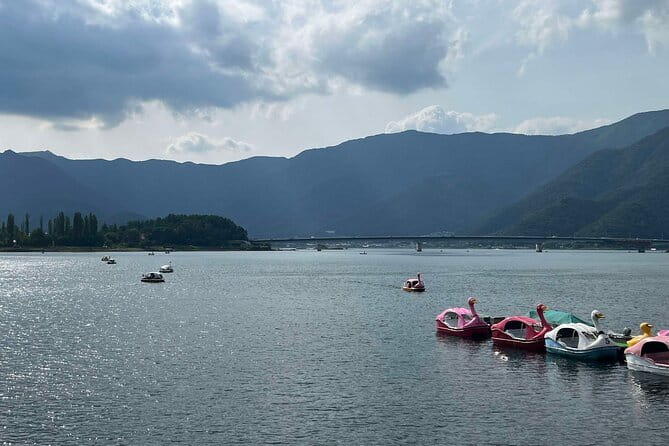
This is best understood as a broad Fuji-area sampler rather than a slow visit to one town. From Tokyo, you head west toward Hakone and then across the Fuji region, collecting views and short cultural stops along the way.
I like that the day does not treat Mount Fuji as just a photo backdrop. You see places tied to volcano worship, Buddhist peace traditions, rural spring water, and the everyday pleasure of strolling beside a lake. That gives the day more substance than a quick viewpoint run.
The private vehicle matters. Your group does not have to match the timing of a busload of strangers, and Puskal can accompany you around the sights, explain what you are seeing, and help with photographs. Pickup and drop-off are included, along with private transport and highway charges.
The trade-off is distance. Tokyo to the Fuji and Hakone area involves substantial road time, and the route covers a lot of ground. You should choose this trip for variety and convenience, not for lingering at every stop.
A few more Tokyo tours and experiences worth a look
Hakone, Owakudani, and the first Fuji views
The day begins around Hakone-machi, within Fuji-Hakone-Izu National Park. Hakone is known for hot spring resorts, Lake Ashi, Hakone Shrine, and the sulphur springs of Owakudani Valley.
The tour description highlights a Ropeway ride and volcanic valleys, although the stop details do not assign a separate admission or exact Ropeway duration. Ask about the planned Ropeway segment before you book, since this is one of the experience’s most appealing features and may depend on the day’s route and operating conditions.
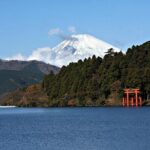
Hakone’s scenery is different from the open lake views later in the day. Here, the setting is mountainous and volcanic. The famous red torii gate of Hakone Shrine sits by Lake Ashi, while Owakudani gives you a look at the area’s active geothermal character.
The scheduled Hakone stop is about one hour. That is enough for an introduction, but not enough for a full Hakone circuit with a long boat ride, extended Ropeway trip, and detailed shrine visit. The overview also refers to a cruise on Lake Kawaguchiko, not Lake Ashi, so confirm which boat activity is planned and where it fits into the day.
Lake Yamanaka and the open Fuji country
Lake Yamanaka is the first of the Fuji Five Lakes listed on the route. You have about 30 minutes here, enough for a brief look at the water and a Fuji photograph if the sky is clear.
The lake is associated with boating, fishing, and walking paths, but this schedule favors a quick scenic pause rather than a full outdoor activity. If you want time on the water or a proper lakeside walk, this is one of the places where you may need to ask about extending the stop.
That short visit is still useful. After Hakone’s hills and volcanic features, Lake Yamanaka opens the day toward the broad Fuji region. You get a sense of how the mountain is framed by several bodies of water, each with a different mood and viewpoint.
Oshino Hakkai’s spring-fed ponds
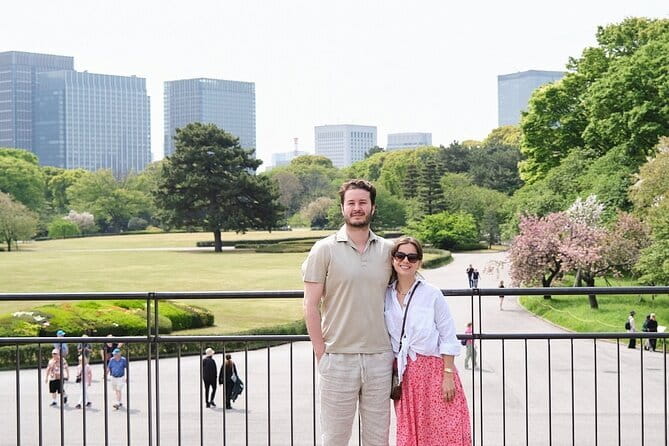
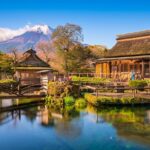
Oshino Hakkai is one of the more distinctive stops. Its eight ponds are fed by clear water from Mount Fuji’s snowmelt, and the setting includes traditional thatched-roof houses and a rural village feel.
The planned hour gives you time to walk around, look into the ponds, and take in the old-style buildings. This is not just another Fuji photo point. The water connects the mountain to daily life below, and the ponds make the area feel quieter and more local than a large roadside viewing platform.
Admission is not included. The same applies to several other stops, so keep some cash or a payment method ready for entry charges. The exact total depends on what you choose to enter, and the supplied details do not give a combined admission price.
Walking through Kitaguchi Hongu Fuji Sengen Shrine
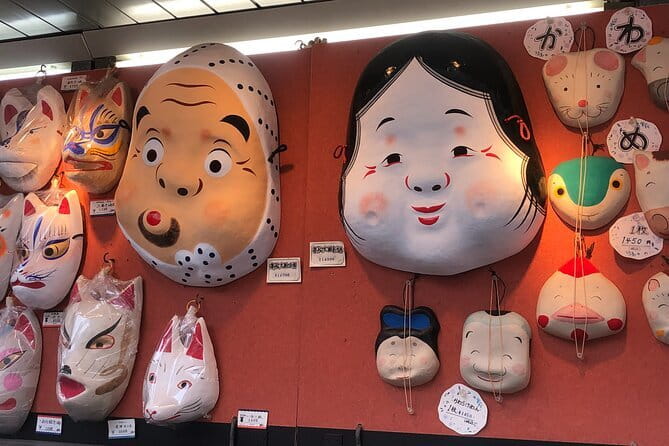
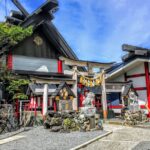
Kitaguchi Hongu Fuji Sengen Shrine is one of the day’s strongest cultural stops. It belongs to a large family of Asama shrines connected with volcano worship and Mount Fuji, and it forms part of the UNESCO World Cultural Heritage designation for the mountain.
The approach is the reason to visit. Tall cedar trees shade the path, while mossy stone lanterns lead you toward the main shrine buildings. Four enormous trees on the grounds are believed to be about 1,000 years old, with a stated girth of roughly 23 meters.
You have about 45 minutes here. That is enough to walk the main approach and see the major features, but you will want to keep moving if you hope to pause for photographs and listen to Puskal’s explanations.
This is a good counterweight to the scenic stops. Mount Fuji has long been more than a mountain to Japan, and the forest setting helps you understand the spiritual importance without needing a long museum visit. Admission is listed as an extra.
A few more Tokyo tours and experiences worth a look
Lake Kawaguchi and Oishi Park
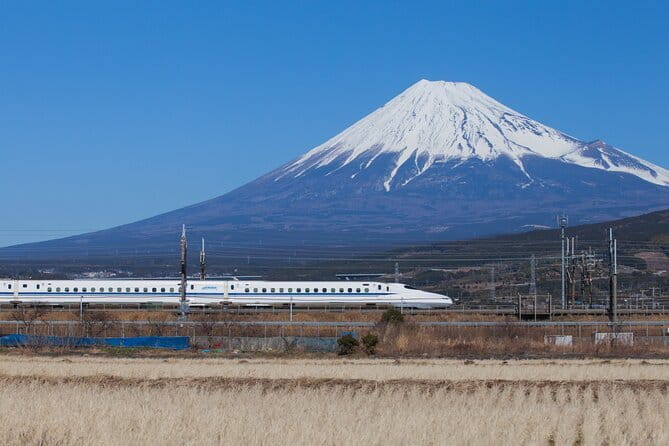
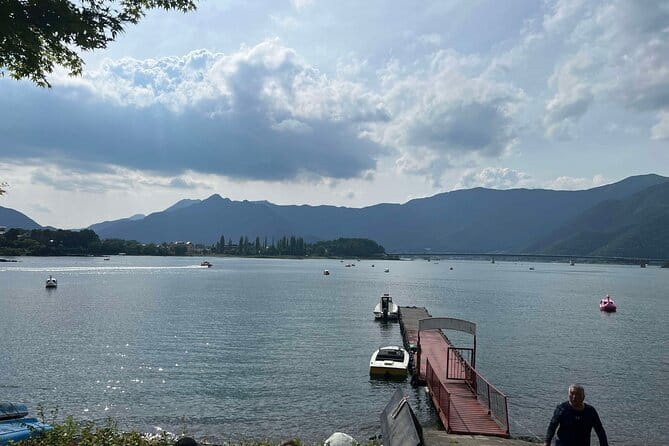
Fujikawaguchiko and Lake Kawaguchi bring you to one of the most recognizable Fuji viewing areas. Lake Kawaguchi is the second largest of the Fuji Five Lakes by surface area and sits at the lowest elevation among them.
The route gives about 45 minutes at Fujikawaguchiko, followed by another 45 minutes at Oishi Park. That is a practical split. You can see the lake from more than one angle without spending the whole day in one lakeside town.
Oishi Park is on the north shore and is especially popular for its combined view of lake, flowers, and Mount Fuji. Seasonal blooms line the promenade, so the exact look changes with the time of year. The park has free parking and works well as a short walking and photography stop.
The overview also promises a cruise on Lake Kawaguchiko and authentic ramen. Those are attractive additions, but the stop-by-stop details do not specify the boat operator, meal location, meal price, or time allocation. I would confirm both before booking, especially if ramen and the cruise are central reasons for choosing this tour.
The Mt. Fuji 5th Station viewpoint
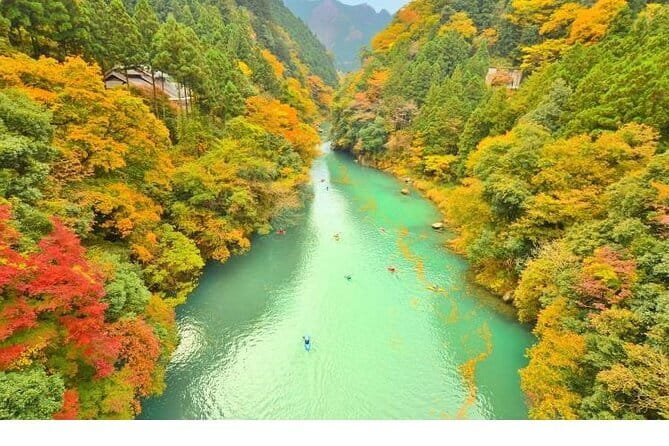
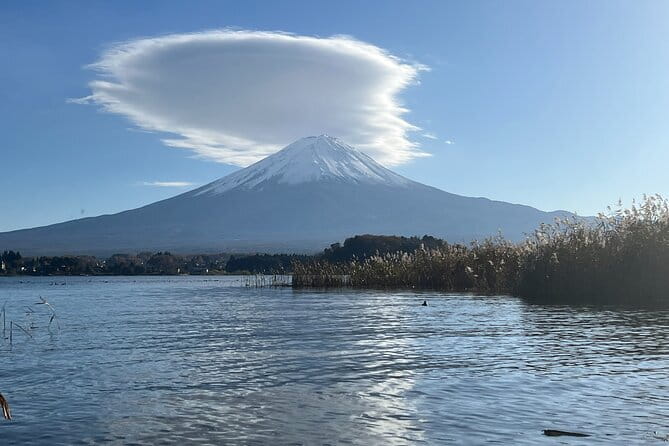
At 3,776 meters, Mount Fuji is Japan’s tallest peak and one of its major pilgrimage sites. The 5th Station is the highest point on the mountain included in this driving route, and the stop lasts about an hour.
You are not being signed up for a summit hike here. Instead, this is a chance to get closer to the mountain, look across the surrounding area, and enjoy the altitude and scale of Fuji. The site connects with the long tradition of climbing and pilgrimage associated with the peak.
Admission is not included. Also, Fuji weather can be fickle. A cloudy day may limit the view from the 5th Station just as it can from the lakes. One useful feature of this itinerary is that it gives you several chances to see Fuji from different directions, but no route can guarantee a clear summit.
Chureito Pagoda and the 398-step climb
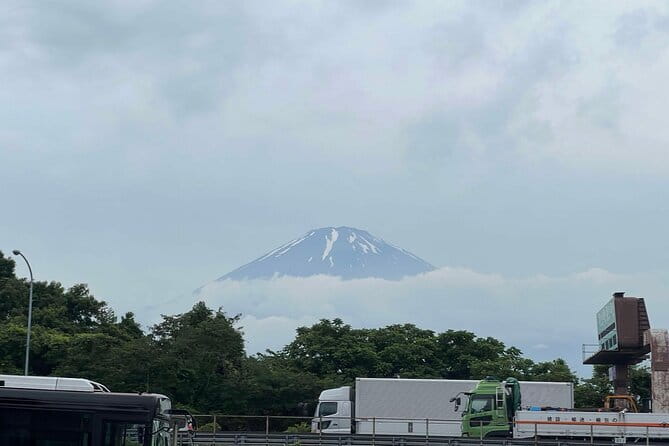
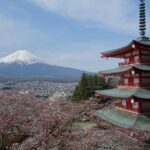
Chureito Pagoda is the classic Fuji photograph: a five-story pagoda with Mount Fuji behind it. It sits in Arakurayama Sengen Park and was added in 1963 as a peace memorial connected with Arakura Fuji Sengen Shrine.
The view is reached by 398 steps. That number is worth taking seriously. The tour requires moderate physical fitness, and this stop may be tiring after several hours on the road and on your feet.
You have about one hour, which should allow time for the climb, photographs, and a short pause at the top. The pagoda is free to visit, according to the supplied details, but the climb is the real price. Wear shoes suitable for stairs and avoid treating this as a quick roadside stop.
This is one of the most famous images in the Fuji area, so it can feel more photo-focused than the cedar forest shrine or Oshino Hakkai. Still, the combination of pagoda, mountain, and hillside setting is hard to replace, particularly on a clear day.
Peace Park in Gotemba
The final listed stop is Fuji Bussharito Heiwa Park in Gotemba. The park sits on the mountainside of the outer rim of the Hakone crater and offers views toward Mount Fuji and the city below.
Its white stupa is the central feature. The park holds Buddha relics presented by former Indian Prime Minister Jawaharlal Nehru, and four golden Buddha images are also housed there. Guardian dogs representing Asian countries line up in front of the stupa, adding an unusual detail to the visit.
A circuit-style Japanese garden surrounds part of the park, and the stop lasts about 45 minutes. Like several sites on this route, it combines a Fuji view with a cultural setting. You are not only stopping for a photograph, but also seeing how Buddhist symbols and Japanese garden design shape the place.
The park is free according to the tour details. Its location also makes it a fitting close to the day, bringing together the mountain, the crater rim, the city view, and the tour’s peace theme.
What the $465 group price really buys
The price is $465 per group of up to six. At full capacity, that works out to $77.50 per person, which is a reasonable figure for a private vehicle, pickup and drop-off, an English-speaking guide, private transport, and highway charges over a long day.
The value drops if you are traveling alone or as a couple, because the group price does not change with fewer people. A private day can still be worth it if you place a high value on door-to-door transport and a flexible setting, but the cost is easier to justify with four to six people.
You must budget separately for lunch and entrance fees. Tips and gratitude are also excluded. Because the itinerary includes several places where admission is not included, the advertised price is not your final spend.
The time wording needs clarification. The experience is described as approximately nine hours, while the additional information calls it an eight-hour experience and says extra hours incur a charge. Ask for the exact included duration and the point at which overtime begins. That matters on a route with nine stops and long drives.
Who should book this Fuji tour
I would recommend it most to a small group staying in Tokyo that wants to see a wide range of Fuji-area sights without arranging several train connections, buses, and local taxis.
It suits you if you value:
- A private vehicle and pickup service
- A guide who can explain shrines and local sights
- Several photo opportunities in one day
- A mix of nature, religion, gardens, and rural scenery
- The ability to share the cost with a group of up to six
It is less suitable if you want a slow Hakone holiday, a serious hike, or a guaranteed clear view of Mount Fuji. The route is full, and several stops are short. You should also be comfortable with stairs, since Chureito Pagoda requires 398 steps.
Puskal is a particularly useful part of the experience. The available feedback describes him as friendly, punctual, helpful with photographs, and willing to accompany the group around the sights rather than simply dropping people at parking areas. One group booked at 8 a.m. for a 10 a.m. pickup after a change in plans, which suggests useful last-minute flexibility, though you should not assume same-day availability.
Free cancellation is available if you cancel at least 24 hours before the local start time. Changes or cancellations inside that window are not accepted and are not refunded.
My call on the Scenic Fuji Escape
I would book this tour if you have one open day in Tokyo and want maximum variety with minimum transport planning. Its best features are the private format, Puskal’s personal guidance, the forest shrine, Oshino Hakkai, and the chance to collect several very different Fuji views.
Before paying, I would confirm three details: the exact included duration, whether the Ropeway and lake cruise are definitely part of your day, and which entrance fees you should expect. If the forecast is poor, the cultural stops still give the day value, but you should not pay for this route expecting a guaranteed postcard view.
FAQ
How long is the Scenic Fuji Escape?
The experience is approximately nine hours, while the additional information describes it as an eight-hour experience. Extra hours beyond the included time incur an additional charge, so confirm the exact duration before booking.
Where does the tour start?
The tour starts in Tokyo, Japan, and pickup is offered.
Where does the tour end?
The activity ends back at the meeting point.
How many people can join the private tour?
Only your group participates, with up to six people included in the group price.
Is transportation included?
Yes. An air-conditioned vehicle, private transportation, pickup and drop-off, and highway charges are included.
Is an English-speaking guide included?
Yes. An English-speaking guide is included. The named guide associated with the experience is Puskal.
Are lunch and entrance fees included?
No. Lunch and entrance fees are not included. Tips and gratitude are also separate.
Does the tour include Mount Fuji’s 5th Station?
Yes. The itinerary includes a one-hour stop at Mt. Fuji 5th Station, but admission is not included.
How difficult is the tour physically?
A moderate level of physical fitness is recommended. The Chureito Pagoda stop includes 398 steps, and other stops involve walking.
What is the cancellation policy?
You can cancel at least 24 hours before the experience start time for a full refund. Cancellations or changes made less than 24 hours before the start time are not accepted and are not refunded.
More Private Tours in Tokyo


More Hakone Day Trips in Tokyo
More Mt Fuji Day Trips in Tokyo

More tours in Tokyo we've reviewed





Mt Fuji Day Trips, compared.
 ★ 5.0Mt Fuji and Hakone 1-Day Bus Tour Return by Bullet TrainFrom $163
 ★ 4.0Mt Fuji & Hakone Cruise, Drum Show Bullet Train 1 Day from TokyoFrom $149
 ★ 4.4Tokyo Mt Fuji 5th St & Hakone Cruise Bus Tour w/Bullet TrainFrom $15410 hours
 ★ 4.5From Tokyo: Mount Fuji Full-Day Sightseeing TripFrom $6810 hours
 ★ 4.7Tokyo: Mt. Fuji Tour, Hakone Ropeway, Owakudani, Lake AshiFrom $5410 hours
 ★ 4.4Tokyo:Mt.Fuji,Kawaguchiko Oishi Park,Arakurayama Sengen ParkFrom $5410 hours