Reviewed · MT FUJI DAY TRIPS
Tokyo Summer: Mt Fuji 5th Station& Kawaguchiko Lavender Trip
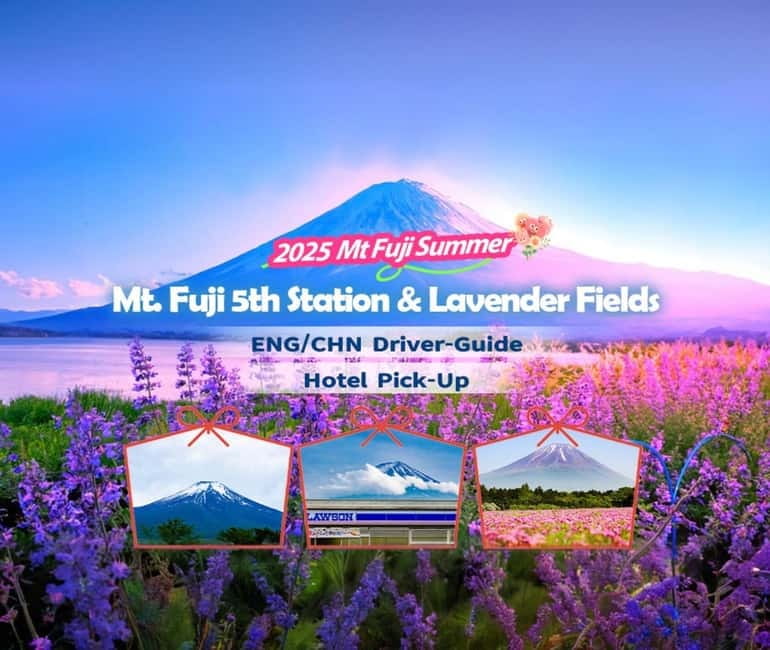
Mt Fuji is the star, but the July lavender at Oishi Park may be the most memorable part of this day. You’ll also reach the mountain’s 5th Station at 2,300 meters, then visit several famous photo spots around Kawaguchiko without piecing together local buses and trains.
In This Article
- Key points to know
- Why this Fuji day trip works from Tokyo
- Morning pickup and the ride toward Fuji
- Mt Fuji 5th Station at 2,300 meters
- Oshino Hakkai and the eight spring-fed ponds
- Lawson in Kawaguchi, Japan’s famous convenience-store view
- Oishi Park and the summer lavender fields
- Hikawa Clock Shop and the final street view
- Small groups, language, and what the guide actually does
- Who gets the best value from the $61 price
- Practical tips for a smoother day
- Should you book this Fuji day trip?
- FAQ
- Where does the tour begin?
- Is hotel pickup available?
- What time does the tour depart?
- Is Mt Fuji’s 5th Station always included?
- Are meals included?
- What languages are available?
- Can solo visitors join?
- What happens if the weather hides Mt Fuji?
I like the small-group format, with space limited to roughly nine guests in the detailed tour information, and I like the 50 minutes set aside at Oishi Park. The main caution is communication: the driver can handle basic English for meeting times and directions, but this is not a full guided commentary tour.
Key points to know
- Mt Fuji’s 5th Station reaches 2,300 meters, with views of volcanic slopes and the Fuji Five Lakes area when the air is clear.
- Oishi Park is the summer prize, with lavender usually at its best in July and kochia replacing it in autumn.
- Oshino Hakkai offers more than a quick photo stop, with eight spring-fed ponds and local food stalls.
- You visit several famous camera angles, including Lawson in Kawaguchi, Hikawa Clock Shop, and the flower fields.
- Pickup is available in selected Tokyo districts, but solo visitors must meet at Tokyo Station.
- The $61 price covers transport, tolls, fuel, and 5th Station admission, but food and some attraction fees are extra.
Why this Fuji day trip works from Tokyo
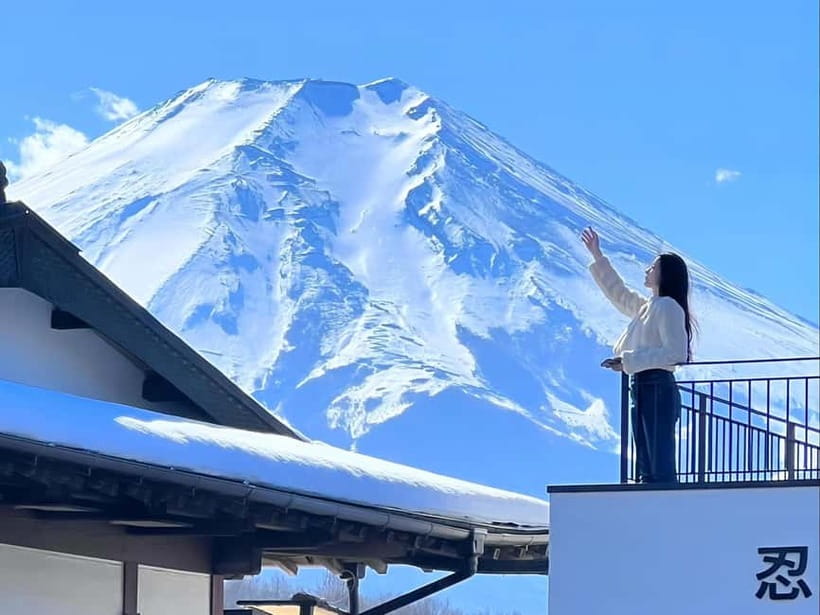
Mt Fuji looks close on a Tokyo map, yet reaching the best viewpoints can involve several trains, buses, and careful timing. This excursion handles the long transfers by road and links several well-known viewpoints in one day.
That convenience is the main reason to consider it. You can leave Tokyo in the morning, reach the Fuji area, and return around 6:00 PM without renting a car or studying the local bus network.
The plan is busy, but not absurdly rushed. Stops range from 20 to 70 minutes, and Oishi Park receives 50 minutes. That gives you enough time to take photos and look around, though you should not expect a slow village day or long walks at each location.
The price is $61 per person. For that amount, transport, road tolls, fuel, and admission to Mt Fuji’s 5th Station are included. You still need money for lunch, drinks, and any fees not named in the inclusions.
One detail needs attention before booking. The itinerary mentions lunch at Oshino Hakkai, while the FAQ clearly says meals are not included. I would plan on paying for your own food and bring a payment method suitable for small food stands. Food and drinks are not allowed inside the vehicle, so eat during the stop rather than during the ride.
A few more Tokyo tours and experiences worth a look
Morning pickup and the ride toward Fuji
Departure takes place between 7:30 and 8:30 AM, depending on your pickup arrangement. You can request hotel pickup in Shinjuku, Chiyoda, Chuo, or Taito, with confirmed service listed for those four districts. Hotels in other districts need approval, so do not assume door-to-door service simply because you are staying in central Tokyo.
Solo visitors cannot rely on hotel pickup. The stated rule requires at least two guests for that option, so solo participants should meet at Tokyo Station.
The meeting point is Tokyo Station’s Marunouchi North Exit at 1-chome-9-1 Marunouchi, Chiyoda City. The guide sends a photo of the exact gathering location through WhatsApp or LINE the night before. Install the app before departure and watch for that message.
Punctuality matters. The bus leaves on time, and arriving at the wrong spot or arriving late may mean no refund, even if you contact the operator before departure. I would reach the station early, buy your coffee before meeting the group, and keep the phone charged.
Traffic can change the departure time, route, and return time during busy periods. The estimated return is around 6:00 PM, with a possible arrival 1.5 to 2 hours earlier if traffic is light. Do not schedule a fixed evening reservation that depends on the bus arriving at one exact minute.
The vehicle has limited room. Backpacks and small bags are the sensible choice, with luggage listed as limited to pieces up to 24 inches. A large suitcase can make the ride awkward for everyone.
Mt Fuji 5th Station at 2,300 meters
The first major stop is Mt Fuji’s 5th Station, with about 50 minutes to look around. At 2,300 meters, this is far above the lakeside towns and gives you a different view of the mountain’s upper slopes.
The appeal here is the volcanic setting. You can see lava-scarred ground and, on clear June and July days, views toward the Fuji Five Lakes beneath the clouds. This is not the summit, and you are not climbing Fuji. It is a high mountain viewpoint reached by vehicle.
Weather controls the experience. Mt Fuji may be covered by cloud even when Tokyo is bright and sunny. The tour operates in rain and cloudy conditions, with no weather refund. If the 5th Station is closed, the backup is Lake Yamanaka.
That alternative matters because road access to the mountain can change. If reaching 5th Station is a major reason for your booking, understand that it cannot be guaranteed. Still, Lake Yamanaka provides a Fuji-area stop rather than canceling the whole day.
Bring a light layer even in summer, since the temperature at 2,300 meters can feel different from Tokyo. The supplied information does not promise specific weather gear or facilities, so keep your visit simple and practical.
Oshino Hakkai and the eight spring-fed ponds
Oshino Hakkai receives about 70 minutes and is the longest stop. Eight spring-fed ponds are supplied by water filtered through Fuji’s volcanic ground. Clear water, old trees, and reflections give the village a calmer feel than the roadside photo stops later in the day.
This is also the best place to think about Fuji as a source of water, not only a mountain to photograph. The volcanic terrain filters the water, creating the ponds that define Oshino Hakkai.
The setting includes traditional-style buildings and food stalls. You can try local snacks, including grilled mochi cooked over lava rock, if available at the stalls during your visit. Since food is not included according to the FAQ, budget separately for anything you eat.
Seventy minutes is enough to see the ponds, take photos, and buy a snack. It is not enough for an unhurried meal followed by a long wander. If the group is kept to around nine people, returning to the vehicle on time should be easier, but you still need to watch the clock.
The stop can be slippery or crowded in places, especially when many day tours arrive. Keep your camera ready, but do not forget to look at the water itself. The ponds are the reason this stop earns its time.
Lawson in Kawaguchi, Japan’s famous convenience-store view
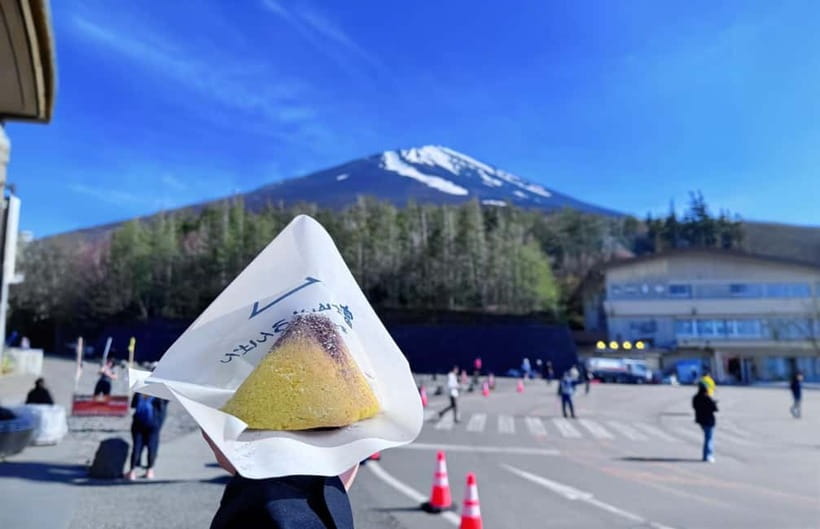
The Lake Kawaguchi Lawson stop lasts about 20 minutes. It is a short visit built around one very modern image: a blue-and-white Lawson convenience store with Mt Fuji rising behind it.
This is not a major cultural site. It is a popular photo angle that became famous because ordinary Japanese streets and the mountain line up so neatly. The fun is in the contrast between a familiar shop and one of the world’s most recognizable peaks.
Your driver or group leader can point out useful angles involving the power lines, signs, and Fuji in the background. You may need patience because the roadside setting can be busy and the mountain can disappear behind cloud.
Twenty minutes is a reasonable amount of time for this stop. You can take several photos, look around the shop, and return to the vehicle. Do not treat it as a full shopping break, especially if the group must stay on schedule.
This is one of the tour’s more Instagram-focused locations. If you prefer temples, gardens, or quiet mountain walks, it may feel ordinary. If you enjoy documenting famous modern Japanese scenes, it provides a quick and distinctive picture.



Oishi Park and the summer lavender fields
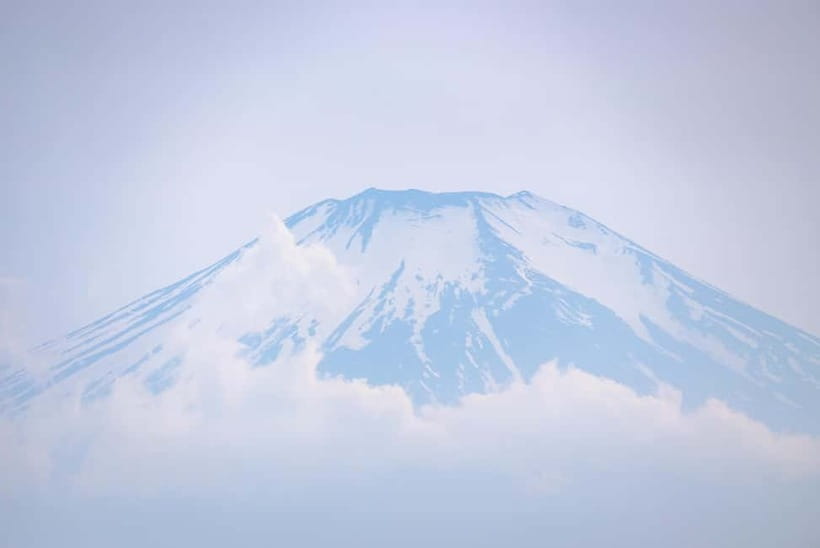
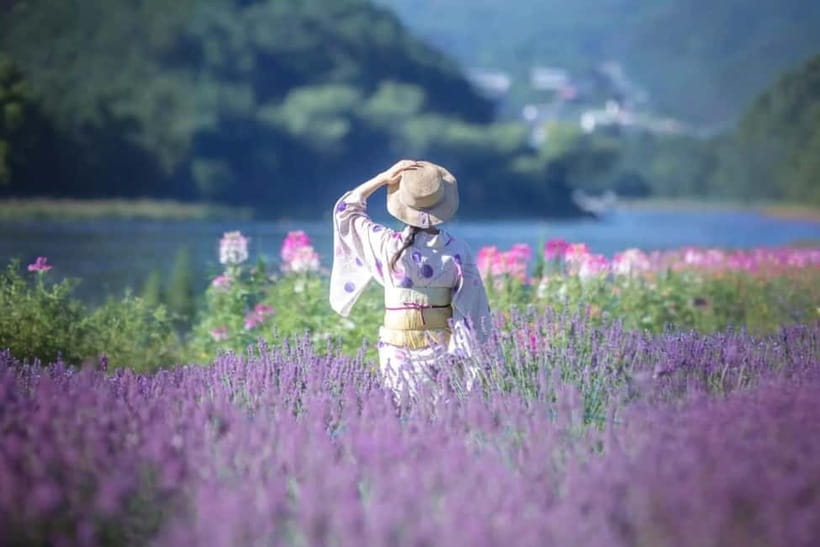
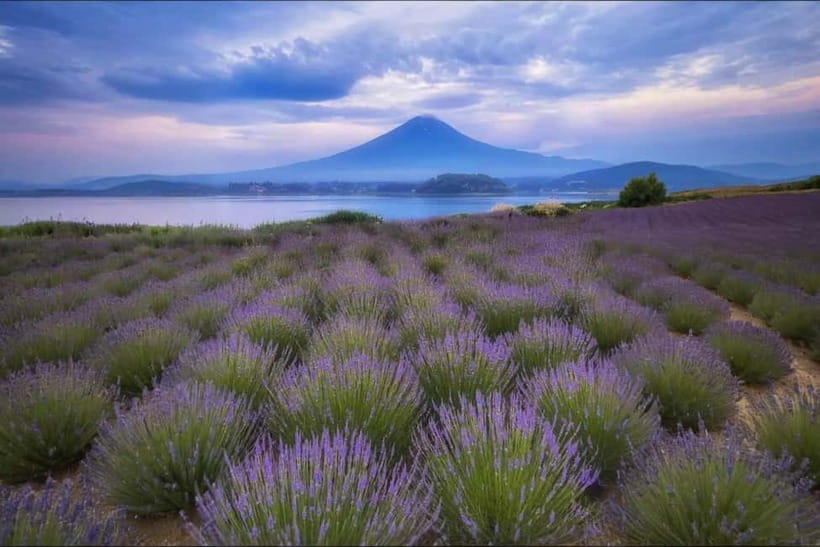
Oishi Park is the emotional center of the summer itinerary. You have about 50 minutes to walk among the flower beds beside Lake Kawaguchi, with Mt Fuji forming the backdrop when the clouds cooperate.
Lavender is the main seasonal reason to book this trip between June and August. July is the key month for purple blooms. The scent, color, lake, and mountain can come together in one frame, though bloom timing and weather are never fully fixed.
For photographs, try a low angle so the flowers fill the foreground and Fuji rises beyond them. You do not need expensive equipment to make the most of the view. A phone held low can give the flowers more presence than a straight eye-level shot.
The 50-minute stop gives you room to walk, photograph, and pause. That is important because flower parks are best enjoyed at a slower pace than the Lawson stop. You can look for different views instead of taking one picture and running back to the bus.
Season matters. In autumn, crimson kochia replaces the summer lavender, so the color changes even though the Fuji backdrop remains the draw. If you are booking specifically for lavender, aim for the summer period and understand that exact bloom conditions can vary.
Cloud cover remains the main risk. A flower field can still be worthwhile when Fuji is hidden, but the famous mountain-and-lavender composition depends on visibility. There is no weather refund, so book this day for the wider Fuji region rather than for one guaranteed photograph.
Hikawa Clock Shop and the final street view
The Hikawa Clock Shop stop lasts about 20 minutes. The shop itself is part of a street scene where older wooden facades lead the eye toward Mt Fuji.
This is another short photo visit rather than a full historical tour. The Edo-style lane and mountain backdrop create a picture that feels more traditional than the Lawson stop. Morning mist can add atmosphere, while later light may warm the wooden roofs.
The supplied timing tip refers to sunset hues, but this day trip normally returns to Tokyo around the evening and may reach Hikawa earlier. Do not assume you will get sunset conditions. Traffic, daylight, and the day’s running order can change the light.
Twenty minutes is enough to walk the street and frame the mountain, but not enough to browse every shop or linger. Stay aware of vehicles and other people while taking photos. The charm here comes from the alignment of the street and Fuji, so look down the lane rather than only at the storefront.
Small groups, language, and what the guide actually does
The trip is designed as a small-group outing. The headline information refers to a maximum of 12 people, while the more detailed transport description says a maximum of nine guests. I would expect a small vehicle and a more personal feel than a full coach, but confirm the final group size if that point matters to you.
The driver is listed as bilingual in Chinese and Japanese, and the language information also includes English and Traditional Chinese. In practice, English assistance is basic. You should expect help with meeting points, departure times, and directions rather than detailed explanations at every sight.
This makes the excursion better suited to independent visitors who are comfortable exploring on their own. You will have a set route and transport between stops, but not a long stream of historical or cultural commentary.
One useful strength is that the driver follows the planned itinerary closely. That matters on a day with several stops and changing road conditions. You still need to manage your own time at each location and return to the vehicle promptly.
No guide name is provided in the booking information. Contact comes through WhatsApp or LINE the night before, so save the number and keep notifications active.
Who gets the best value from the $61 price
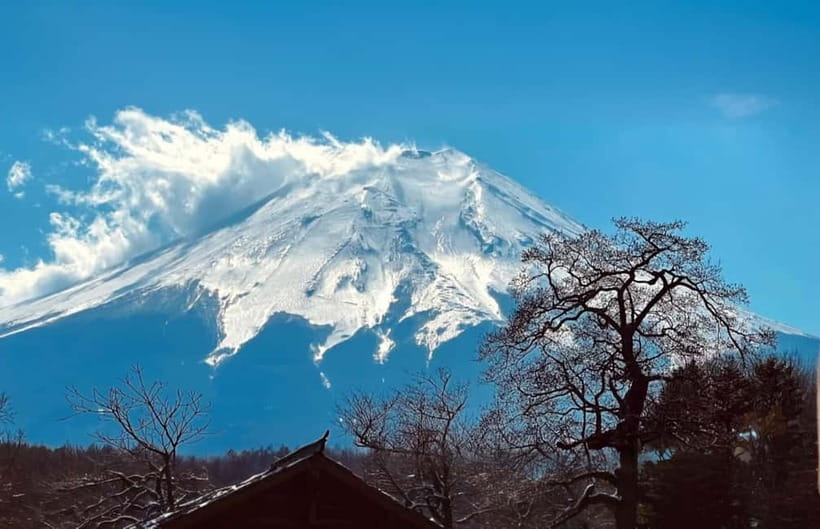
I see good value here for a first-time Tokyo visitor who wants several Fuji-area highlights in one day. The cost includes the expensive practical pieces: a vehicle, fuel, tolls, and the 5th Station admission.
The value is strongest if you would otherwise need to arrange several train and bus connections. You also avoid driving on unfamiliar roads and worrying about parking near famous photo spots.
The price is less attractive if your main goal is quiet time beside Lake Kawaguchi. You will spend much of the day moving between stops, and each location has a fixed time. A private tour or overnight stay would give you more freedom, but it would cost more.
Food and drinks are extra, and the meal information is not consistent. Plan for that expense. Attraction fees outside the named 5th Station admission are also not included.
This trip suits photographers, first-time Fuji visitors, and people who like a clear schedule. It is less suited to anyone seeking a full mountain guide, a long hike, extensive shopping, or a flexible day with no fixed return.
The activity is also listed as unsuitable for people over 75. Children under three can join free without occupying a seat. For everyone else, the limited vehicle space and several road transfers are worth considering before you book.
Practical tips for a smoother day
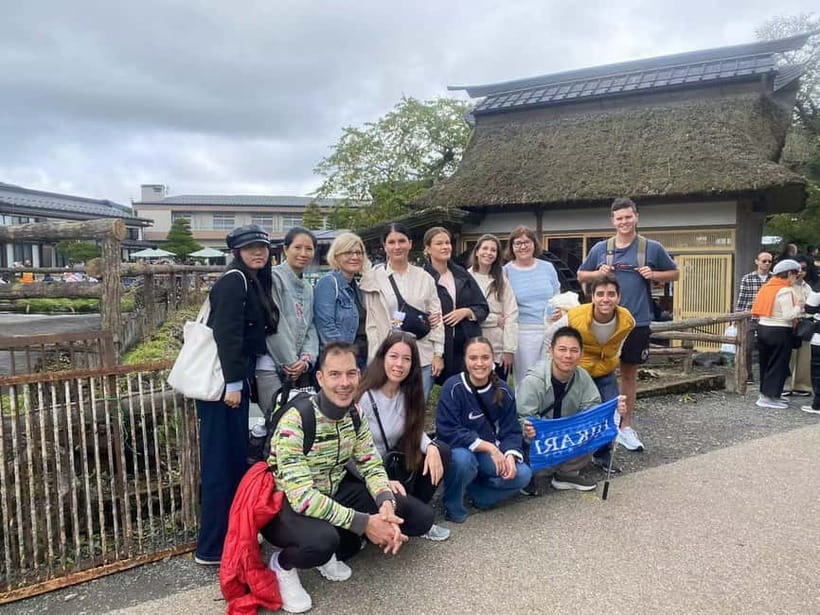
- Keep your bag small. A daypack is easier than a suitcase in a compact vehicle.
- Install WhatsApp or LINE before the night before departure.
- Meet early at Tokyo Station if you are not using hotel pickup.
- Carry money for food and drinks, since they are not included.
- Wear shoes suitable for walking around ponds, streets, and park paths.
- Bring a layer for the 2,300-meter stop.
- Keep your phone charged for maps, messages, and photos.
- Do not count on a clear view of Fuji. The tour runs in poor weather.
- Avoid making a tight evening booking in Tokyo because traffic can delay the return.
- Remember that food and drinks are not allowed inside the vehicle.
Should you book this Fuji day trip?
Book it if you want many famous Fuji viewpoints in one organized day for a moderate price. The mix is strong: a high mountain stop, clear spring ponds, a flower park, a famous convenience-store view, and a traditional street scene.
I would book it in summer if lavender is your priority, with July offering the best chance of seeing the purple fields. I would also choose it if you value transport convenience more than detailed guiding.
Skip it if you need guaranteed Fuji views, a full English-speaking guide, generous luggage space, or a relaxed schedule. Cloud can hide the mountain, the driver’s English is limited, and traffic can alter the day.
For the right visitor, this is a practical way to reach Fuji’s most photographed corners without managing multiple transfers. Just arrive early, pack light, budget for food, and treat the mountain view as a welcome gift rather than a promise.
FAQ
Where does the tour begin?
The meeting point is Tokyo Station’s Marunouchi North Exit at 1-chome-9-1 Marunouchi, Chiyoda City, Tokyo. The exact gathering location photo is sent through WhatsApp.
Is hotel pickup available?
Hotel pickup is offered in Shinjuku, Chiyoda, Chuo, and Taito. Pickup in other districts requires approval, and at least two guests are required for hotel pickup.
What time does the tour depart?
Departure takes place between 7:30 and 8:30 AM. The exact time can depend on the pickup arrangement and traffic conditions.
Is Mt Fuji’s 5th Station always included?
The planned stop is Mt Fuji’s 5th Station at 2,300 meters, with admission included. If the station is closed, the tour changes the stop to Lake Yamanaka.
Are meals included?
The FAQ says meals and drinks are not included. Although the itinerary refers to lunch at Oshino Hakkai, you should budget to buy your own food.
What languages are available?
The listed languages are Chinese, Traditional Chinese, English, and Japanese. English assistance is basic and focuses on meeting times and directions rather than full commentary.
Can solo visitors join?
Yes. Solo visitors can book, but they must meet at Tokyo Station because hotel pickup requires at least two guests.
What happens if the weather hides Mt Fuji?
The tour operates in rain and cloudy weather, and there is no refund for weather. Fuji may not be visible at the 5th Station, Oishi Park, Lawson, or Hikawa Clock Shop.
More Mt Fuji Day Trips in Tokyo
More tours in Tokyo we've reviewed












Mt Fuji Day Trips, compared.
 ★ 5.0Mt Fuji and Hakone 1-Day Bus Tour Return by Bullet TrainFrom $163
 ★ 4.0Mt Fuji & Hakone Cruise, Drum Show Bullet Train 1 Day from TokyoFrom $149
 ★ 4.4Tokyo Mt Fuji 5th St & Hakone Cruise Bus Tour w/Bullet TrainFrom $15410 hours
 ★ 4.5From Tokyo: Mount Fuji Full-Day Sightseeing TripFrom $6810 hours
 ★ 4.7Tokyo: Mt. Fuji Tour, Hakone Ropeway, Owakudani, Lake AshiFrom $5410 hours
 ★ 4.4Tokyo:Mt.Fuji,Kawaguchiko Oishi Park,Arakurayama Sengen ParkFrom $5410 hours