Reviewed · MT FUJI DAY TRIPS
From Tokyo: Mt. Fuji, Hakone, Owakudani & Lake Ashi Bus Tour
Mt. Fuji and Hakone make a strong one-day pairing: Japan’s most famous peak, a steaming volcanic valley, a ropeway ride, and a lake cruise all fit into one outing. The long bus ride from Tokyo is the tradeoff, but you avoid the hassle of piecing together several trains, buses, and tickets.
In This Article
- Key points at a glance
- Why this route works from Tokyo
- Your first look at Mt. Fuji
- Hakone brings mountains and hot earth
- The Hakone Ropeway is the visual highlight
- Owakudani shows Hakone’s volcanic side
- Lunch is flexible, but not included
- Hakone Shrine adds a cultural pause
- Lake Ashi closes the day on a calm note
- Is $60 a good value?
- Timing, weather, and practical cautions
- Who should book this Fuji and Hakone day?
- Should you book it?
- FAQ
- Where does the tour meet?
- How long does the tour last?
- Is lunch included?
- Is Mt. Fuji guaranteed to be visible?
- Is the tour suitable for wheelchair users?
- What happens if traffic or bad weather delays the tour?
I like the efficient route and the mix of outdoor scenery. You get more than a Fuji photo stop, with Owakudani’s sulfur vents and the Hakone Ropeway adding real geological interest. I also like that entry fees and transport are covered, which keeps the $60 price easy to understand.
The main caution is weather and traffic. Clouds may hide Mt. Fuji, and weekend or peak-season congestion can shorten time at stops or delay your return. This is not a good day for a tightly timed dinner, train, or flight afterward.
Key points at a glance
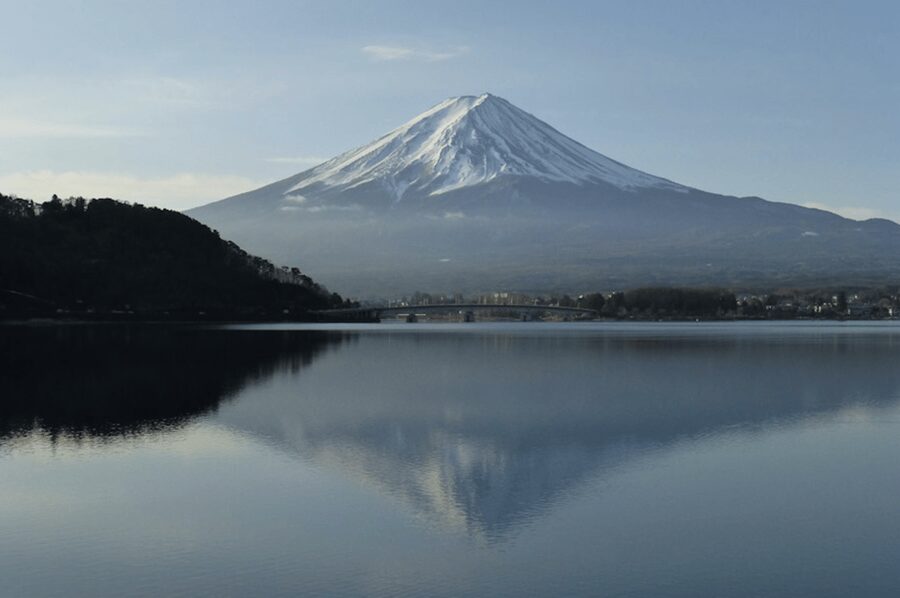
- Four different views of Japan in one day: Mt. Fuji, volcanic Owakudani, forested Hakone, and Lake Ashi.
- Hakone Ropeway included: Expect wide views over mountains and valleys, with Fuji visible only when conditions cooperate.
- Owakudani is the unusual stop: Steam vents, sulfur springs, and rough volcanic ground give this visit a stronger sense of place than a standard viewpoint.
- Lake Ashi adds a slower finish: The 1.5-hour lake visit and cruise provide a calm change after the busy sightseeing stops.
- Simple Tokyo logistics: Meet at the LOVE Statue in Shinjuku and return to the same place after about 10 hours.
- Best value comes from convenience: At $60 per person, the tour is appealing if you value covered transport and entry fees more than independent pacing.
Why this route works from Tokyo
Tokyo is a useful base for Mt. Fuji and Hakone, but these places are spread out. Public transportation is possible, yet a single day can become a puzzle of departure times, transfers, and separate tickets. This bus tour handles the long connections for you and links several major sights in a sensible loop.
You meet in front of the LOVE Statue in Shinjuku. Arrive at least 15 minutes early. The bus leaves on time and does not wait for late arrivals, even briefly, and you cannot join halfway through the day.
The drive toward the Fuji and Hakone area takes about two hours. That is a substantial part of the day, so bring water, charge your phone, and expect the tour to feel like a full outing rather than a quick excursion. The upside is that you can rest between stops instead of managing directions.
An English-speaking guide accompanies the tour. The guide provides background on Mt. Fuji, its place in Japanese culture, and the volcanic activity around Hakone. The clearest value here is not only transport. It is having someone connect the sights instead of treating them as unrelated photo stops.
A few more Fujinomiya tours and experiences worth a look
Your first look at Mt. Fuji
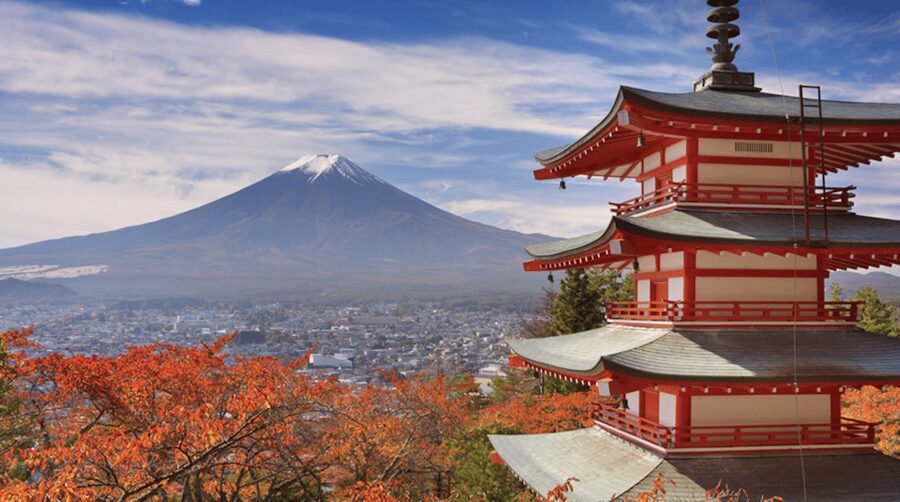
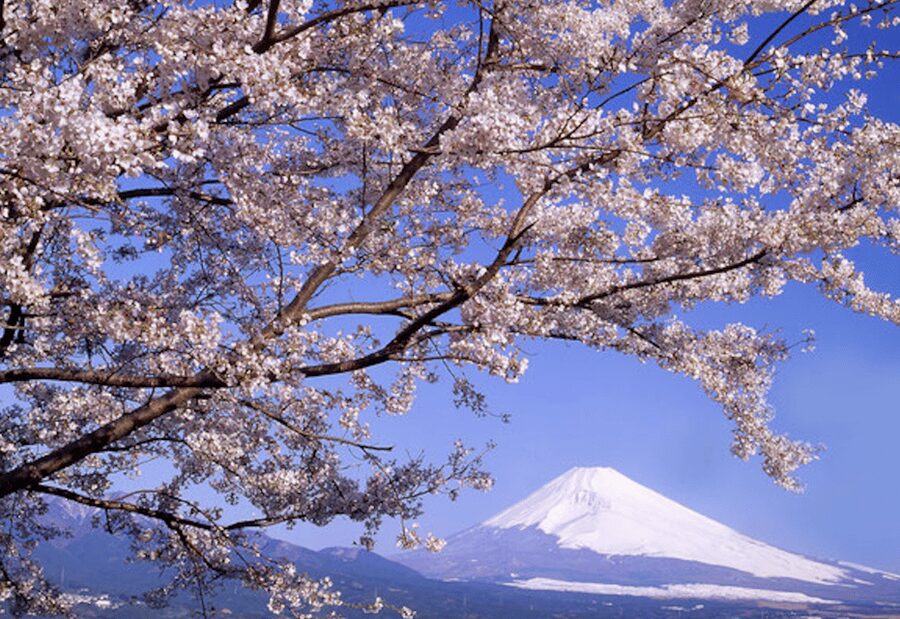
Mt. Fuji is the visual prize of the day, but it is also the least predictable. The tour includes opportunities for views and photos in the Mt. Fuji area, weather permitting. Clear skies can give you the classic view of the symmetrical cone. Cloud cover can reduce it to a partial outline, or hide it altogether.
That uncertainty is worth planning for. Do not book this day solely because you expect a perfect Fuji photograph. Think of the mountain as one part of a broader route that still includes Hakone’s ropeway, Owakudani, Hakone Shrine, and Lake Ashi.
The guide explains Mt. Fuji’s cultural and spiritual importance, along with its place in Japanese art and tradition. That context matters because the mountain is more than a scenic backdrop. It has long been treated as a symbol of Japan, and its UNESCO World Heritage status reflects its cultural value as well as its natural form.
You will have photo opportunities, but the exact viewpoint and length of the stop can be affected by weather and traffic. Keep your camera ready, but do not let the search for Fuji overshadow the other parts of the day.
Hakone brings mountains and hot earth
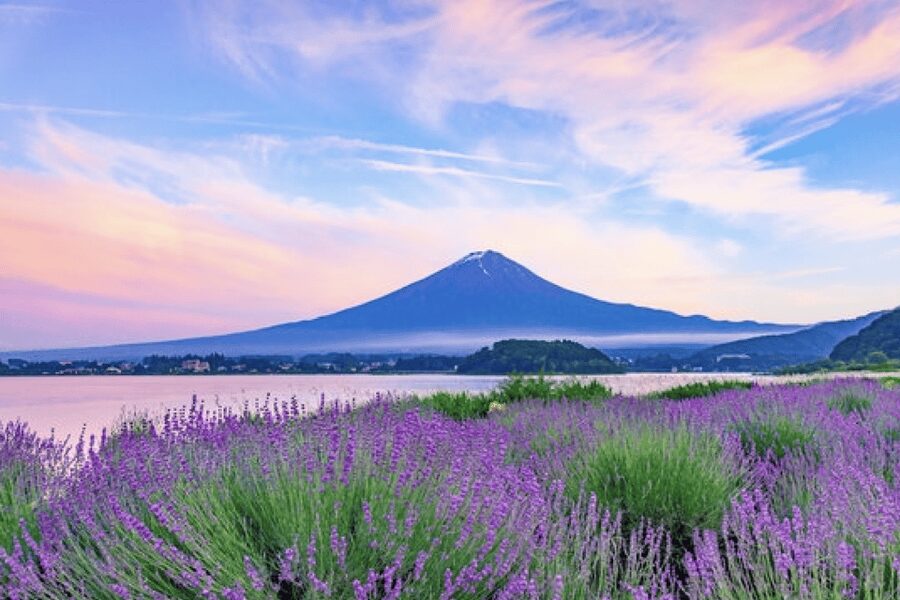
After the Fuji-area visit, the tour moves into Hakone, a resort region known for mountain scenery and geothermal activity. The schedule includes an initial Hakone sightseeing stop of about 30 minutes, followed by the ropeway and Owakudani.
That short first stop is best treated as an introduction rather than a long exploration. It gives you a chance to get your bearings before the main Hakone attractions begin. If you prefer slow walks, extended café time, or independent wandering, this tightly timed format may feel brisk.
The tour’s strength is its range. You are not spending the entire day at one viewpoint. You move from the open views around Mt. Fuji to the wooded mountain setting of Hakone, then into an active volcanic area and later onto the water. For a first look at the region, that variety is useful.
The guide also helps explain what you are seeing. Hakone’s appeal comes from the meeting of scenic mountains and volcanic forces, and the day makes that connection easy to understand.
The Hakone Ropeway is the visual highlight
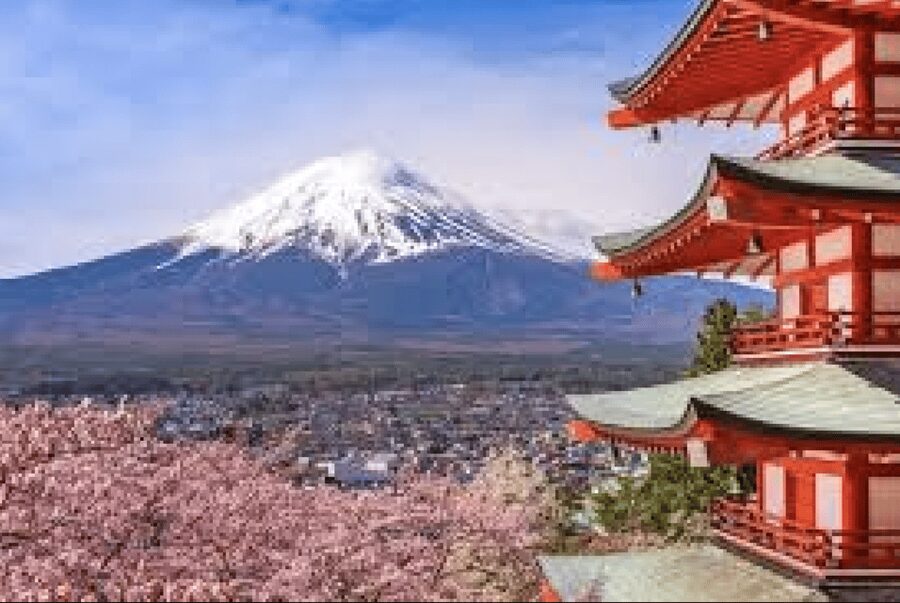
The Hakone Ropeway ride takes about an hour as part of the sightseeing schedule. From above, you can look across mountain slopes and valleys, with Mt. Fuji appearing on clear days. The elevated view gives you a better sense of Hakone’s scale than a road journey alone.
This is one of the tour’s strongest inclusions. A road transfer can show you the countryside, but the ropeway changes your angle completely. You get broad views rather than a sequence of roadside glimpses.
Visibility remains the key issue. Mist, cloud, or poor weather can limit the panorama. Even without a clear Fuji view, the ride still connects two of the day’s main sights and offers an unusual look at the surrounding terrain.
The ropeway may not suit everyone. Anyone uneasy with aerial cable transport should consider that before booking. The experience also involves moving between scheduled stops, so you should be ready to board and leave when the group does.
Owakudani shows Hakone’s volcanic side
Owakudani is the most distinctive stop. This volcanic valley has steam vents, sulfur springs, and rough ground shaped by ongoing geothermal activity. Designated paths let you view the area safely while the guide explains the forces beneath it.
The sulfur smell and rising steam are part of the experience. Owakudani feels less polished than a normal scenic overlook, which is exactly why it adds character to the day. You are seeing an active geological area, not simply looking at mountains from a distance.
The scheduled visit lasts about an hour. That gives you time to walk around the permitted areas, take photographs, and absorb the setting without turning the stop into a long hike. Stay on marked paths and follow local instructions, since volcanic sites can have restricted sections.
Owakudani also helps balance the Fuji portion of the tour. If clouds block the mountain, you still have a memorable natural sight with its own strong identity. This is the stop I would value most if you want more than postcard scenery.
A few more Fujinomiya tours and experiences worth a look

Lunch is flexible, but not included
Lunch takes about an hour in Hakone and is not included in the $60 price. This gives you some control over what and where you eat, but you should budget separately and be prepared to pay for food yourself.
Bring some cash. The tour information specifically warns that certain scenic spots, restaurants, and other places may not accept cards. A cash reserve is a small practical step that can prevent an awkward delay during a tightly scheduled day.
The one-hour lunch break is useful, but do not expect a leisurely restaurant afternoon. The tour still has Hakone Shrine and Lake Ashi ahead, so keep an eye on the meeting time. If you have dietary needs, the supplied information does not promise specific meal arrangements, so you should plan accordingly.
Hakone Shrine adds a cultural pause
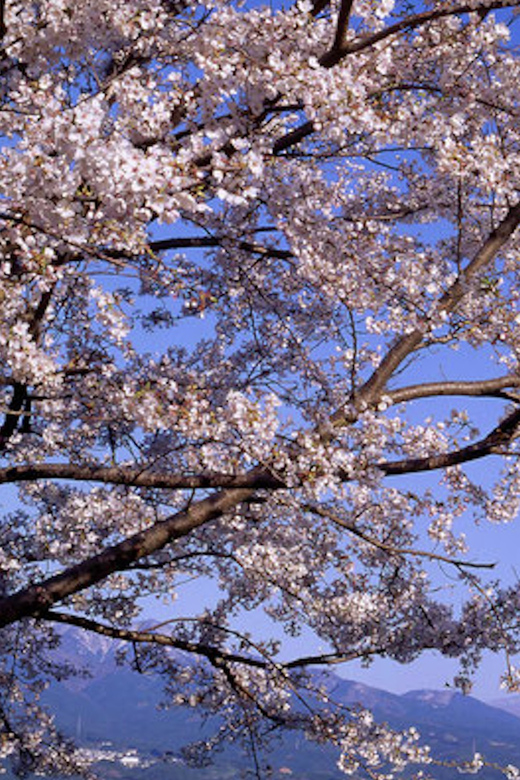
The visit to Hakone Shrine lasts about 1.5 hours. It brings a cultural element to a day otherwise focused on mountains, volcanoes, and water. The shrine is part of the Hakone experience, and the stop gives you time to explore rather than simply photograph the surroundings from the bus.
This longer visit is important for the rhythm of the day. After the ropeway and Owakudani, a shrine visit provides a quieter change of pace. You can take in the setting, listen to the guide’s explanations, and enjoy a side of Hakone that is not geological.
The exact balance between walking, sightseeing, and guided explanation can vary with traffic and the day’s conditions. Still, 1.5 hours is enough to make the shrine feel like a proper stop rather than an afterthought.
Wear comfortable shoes. The tour is not marked as suitable for wheelchair users, and the combination of a ropeway, volcanic paths, shrine sightseeing, and bus transfers may be difficult for anyone with limited mobility.
Lake Ashi closes the day on a calm note
The final major stop is Lake Ashi, with about 1.5 hours for a guided visit and sightseeing. The lake fills the basin of a volcanic area and is surrounded by wooded hills. From the water, you may see Mt. Fuji in the distance if the weather is clear.
The cruise is a welcome change after a day of roads and walking. Instead of moving from one attraction to another, you get time to watch the shoreline and mountain setting pass at a slower pace. The lake also gives you a second chance at a Fuji view from a different angle.
Do not count on the cruise alone to deliver a perfect mountain photograph. Fuji visibility is weather-dependent throughout the tour, including here. The real value is the combination of water, forested hills, and the chance of a distant peak.
With the shrine and lake visit together, Hakone receives enough attention to feel like a destination in its own right. You are not simply rushing to Fuji and back.
Is $60 a good value?
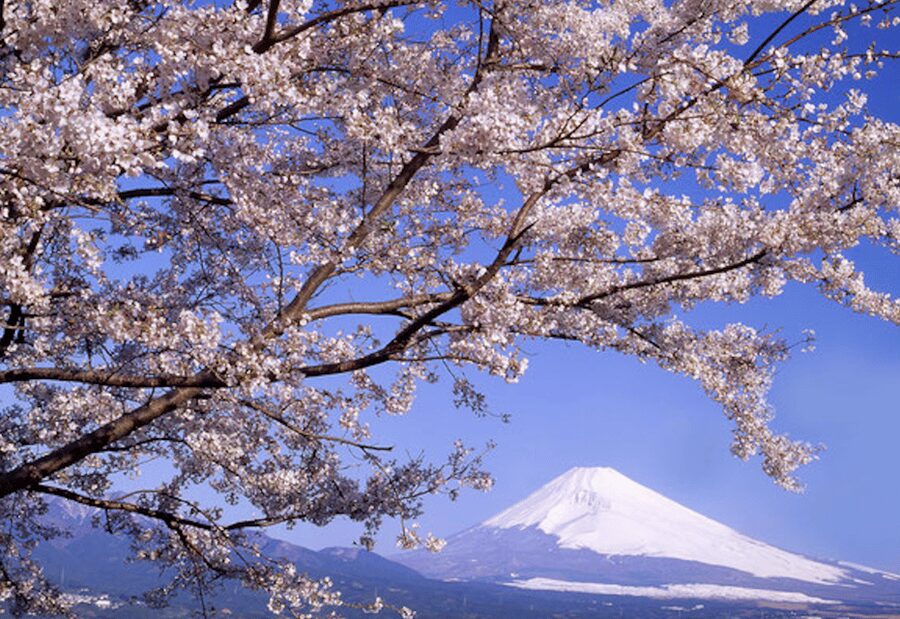
At $60 per person, this is a strong convenience buy if you want several major sights in one day. Transportation, entry fees, an English-speaking guide, and photo stops are included. You avoid paying separate fares and working out how to connect the ropeway and lake cruise on your own.
The price does not include lunch, and the tour does not offer the flexibility of independent travel. You follow a group schedule, and traffic or weather can change the day. A private vehicle is not the standard promise here, despite some individual feedback describing a private tour and hotel pickup. The stated meeting point is the LOVE Statue in Shinjuku, and you should plan on a bus or shared tour vehicle.
The value is best for first-time visitors who have only one open day. It is also useful if you are staying in Tokyo and do not want to rent a car or manage regional transport. Independent visitors who want long walks, quiet shrine time, or the freedom to abandon a cloudy Fuji viewpoint may prefer to arrange Hakone separately.
Timing, weather, and practical cautions
This is a 10-hour day, so keep your schedule after the tour open. Bad weather, traffic, Japanese weekends, and peak seasons can delay the return. The schedule may be shortened, rearranged, or occasionally canceled under difficult conditions.
That warning is not a minor footnote. Tokyo traffic can turn a planned return time into an estimate, especially during busy periods. Do not pair this tour with a flight, long-distance train, or nonrefundable evening booking.
The guide will contact you through WhatsApp, so download the app before the tour. Keep your phone available for meeting instructions, and make sure you know exactly where the LOVE Statue is in Shinjuku before departure morning.
Bring comfortable shoes, cash, water, and layers suitable for changing mountain conditions. Weather can differ between Tokyo, Mt. Fuji, Owakudani, and Lake Ashi. Most importantly, arrive early. Missing the bus means missing the tour, with no refund for a late arrival or no-show.
Who should book this Fuji and Hakone day?
I would choose this tour if you want a broad first look at the region without spending your day on transport planning. Families, couples, and solo visitors can all benefit from the simple round-trip arrangement, provided everyone is comfortable with a long day and a fixed schedule.
It suits you especially well if your priorities are:
- Seeing Mt. Fuji without arranging a separate regional trip
- Combining scenery, volcanic activity, a shrine, and a lake
- Having an English-speaking guide explain the cultural and geological setting
- Keeping transport and major entry costs within one $60 booking
- Returning to Shinjuku rather than finding your own way back to Tokyo
I would hesitate if you need wheelchair access, dislike buses, or have an important evening commitment. I would also reconsider if your main goal is a guaranteed Fuji photograph, since no tour can control cloud cover.
The tour has received a perfect 5 rating from four verified bookings, with especially strong praise for the guide’s explanations, punctuality, and the number of scenic places covered. One important detail is that the feedback is not fully consistent about the format: some comments describe a private tour and hotel pickup, while the supplied arrangements specify a bus tour meeting at the LOVE Statue. Confirm the exact vehicle and pickup details when booking.
Should you book it?
Book it if you have one free day from Tokyo and want the most scenery for a modest price. The route gives you a useful introduction to Mt. Fuji and Hakone, and Owakudani plus the ropeway make it more interesting than a simple mountain photo outing.
Skip it if you want complete independence or need a firm return time. For everyone else, this is a practical, well-filled day, with the right mix of famous views and unusual natural sights. Just arrive early, carry cash, keep your evening free, and treat a clear view of Fuji as a bonus rather than a promise.
FAQ
Where does the tour meet?
The meeting point is in front of the LOVE Statue in Shinjuku.
How long does the tour last?
The tour lasts about 10 hours, including transportation from Tokyo and the return to the LOVE Statue.
Is lunch included?
No. Lunch is not included, and you should bring cash because some restaurants and scenic locations may only accept cash payments.
Is Mt. Fuji guaranteed to be visible?
No. Mt. Fuji visibility depends on weather conditions, so clouds or poor visibility may affect the views and photo stops.
Is the tour suitable for wheelchair users?
No. The tour is not suitable for wheelchair users.
What happens if traffic or bad weather delays the tour?
The return may be delayed, and the schedule may be shortened, changed, or canceled because of bad weather, traffic, weekends, or peak-season conditions. Avoid arranging another important transport connection or fixed evening plan afterward.
More Hakone Day Trips in Fujinomiya
More Mt Fuji Day Trips in Fujinomiya
More tours in Fujinomiya we've reviewed
Mt Fuji Day Trips, compared.
 ★ 5.0Mt Fuji and Hakone 1-Day Bus Tour Return by Bullet TrainFrom $163
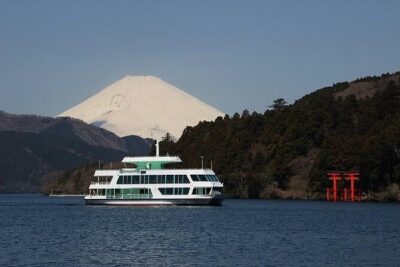 ★ 4.0Mt Fuji & Hakone Cruise, Drum Show Bullet Train 1 Day from TokyoFrom $149
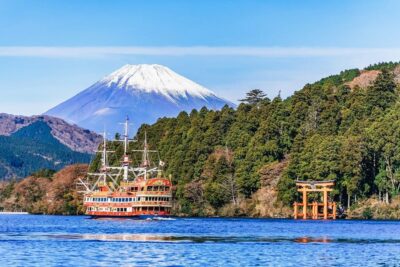 ★ 4.4Tokyo Mt Fuji 5th St & Hakone Cruise Bus Tour w/Bullet TrainFrom $15410 hours
 ★ 4.5From Tokyo: Mount Fuji Full-Day Sightseeing TripFrom $6810 hours
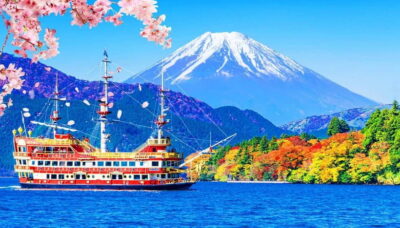 ★ 4.7Tokyo: Mt. Fuji Tour, Hakone Ropeway, Owakudani, Lake AshiFrom $5410 hours
 ★ 4.4Tokyo:Mt.Fuji,Kawaguchiko Oishi Park,Arakurayama Sengen ParkFrom $5410 hours