Reviewed · MT FUJI DAY TRIPS
Tokyo: Mount Fuji 5th Station & Onsen Day Trip
Mount Fuji is the star here, but you get three very different views of Japan in one day: high-altitude scenery at 2,300 meters, old-style village lanes at Oshino Hakkai, and a hot bath with Fuji in sight. You do not need to hike, carry special gear, or work out a complicated train route.
In This Article
- Key points at a glance
- A no-hike route to Mount Fuji
- Fuji’s 5th Station from Tokyo
- The winter alternative at Shinkurayama Asama Park
- Oshino Hakkai and its eight clear ponds
- Two hours at Konohananoyu Onsen
- Gotemba Premium Outlets as the alternate stop
- Is $50 a fair price?
- Timing, meeting points, and what to pack
- Who should book this Fuji day trip?
- Final booking advice
- FAQ
- How much does the Mount Fuji day trip cost?
- How long does the tour last?
- Where do I meet the tour?
- Can I visit Mount Fuji’s 5th Station all year?
- Is the onsen included in the price?
- Are tattoos allowed at the onsen?
- What languages are available?
I like the easy bus access to the mountain and the contrast between Oshino Hakkai’s small spring-fed ponds and the open-air baths at Konohananoyu. The main catch is the tour’s variable operation: the 5th Station is available only from May 10 through November 30, and weekday onsen arrangements can differ from weekends and holidays. At $50, this is good value for transport and a full day of sightseeing, but you should confirm exactly which stops apply to your date.
Key points at a glance
- Reach Fuji by bus, not by foot: The 5th Station gives you mountain views without a strenuous climb.
- Photograph the classic pagoda scene: Outside the 5th Station season, Shinkurayama Asama Park replaces it, with a red pagoda and Fuji view.
- See Oshino Hakkai’s eight ponds: Clear water from Fuji’s snowmelt gives this village its special character.
- Plan carefully for the onsen: Nude bathing is required, tattoos must be covered, and the onsen fee is not included.
- Expect a long day on the road: The listed bus rides total about five hours, before sightseeing and traffic delays.
- Choose your date with care: Weekday departures may offer the onsen or Gotemba Premium Outlets, while weekends and Japanese holidays can bring crowds and route changes.
A no-hike route to Mount Fuji
This day trip is built for you if you want to see Mount Fuji without committing to a mountain trek. You meet your guide at either SMBC Bank Shinjuku Nishiguchi or Tokyo Station’s Marunouchi North Exit, then board a bus for the Fuji area.
The ride from Tokyo takes about two hours in normal conditions. That sounds simple, but weekend and holiday traffic can stretch the day. I would not book a same-day flight, Shinkansen, or dinner reservation after the tour. The return is also listed at about two hours, and the bus may need to adjust its order or stop lengths to cope with road conditions.
The tour uses a professional guide and round-trip transport. Guide assignments vary, and recent departures have included Lin Tian Anna, who helped organize stop times, point out photo locations, and suggest souvenirs. The guide may serve an international group in English and Chinese, so you should expect multilingual instructions rather than a private English-only experience.
If only a small number of people book on your date, the arrangement may become a small group with an English-speaking driver-guide. Commentary is not provided while the vehicle is moving in that format. That distinction matters: this is best understood as a guided sightseeing transfer, not a deep lecture on every stop.
A few more Fujinomiya tours and experiences worth a look
Fuji’s 5th Station from Tokyo
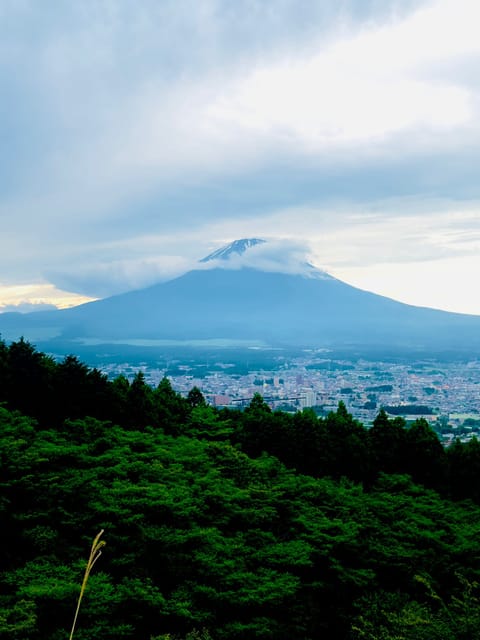
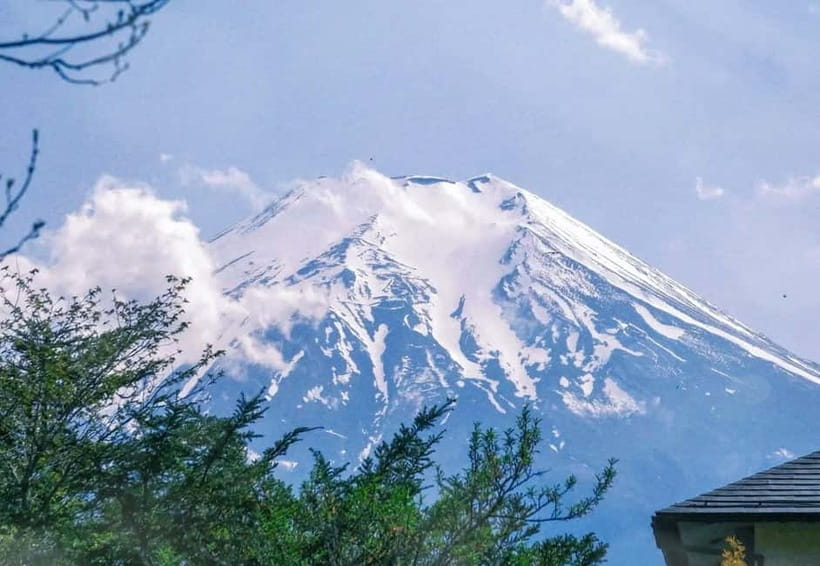
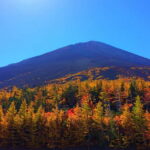
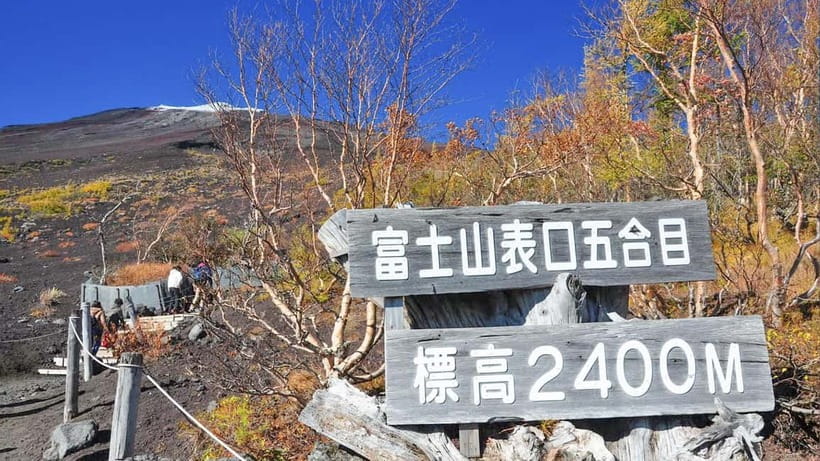
From May 10 through November 30, the first major stop is Mount Fuji’s 5th Station. At about 2,300 meters, it is high enough to feel cooler than Tokyo, so pack a light jacket even on a warm day.
You get roughly one hour here for photos, sightseeing, free time, and shopping. The key benefit is access. You can look toward the mountain and surrounding views without hiking uphill, which makes this a practical choice for people who want a close look at Fuji but have limited time or fitness.
Bring your camera and sunglasses. Bright mountain light can be stronger than expected, and the wind may make the stop feel cold. Comfortable shoes are still useful because you will walk around the station area, even though there is no long trail.
The shopping is part of the appeal. You can look for souvenirs made from volcanic stone, a more place-specific purchase than a generic Tokyo gift. The stop is fairly short, so I would take your main photos first, then browse the shops. Fuji can also be hidden by cloud, and no tour can guarantee a clear view. The schedule gives you access to the mountain, not control over the weather.
The winter alternative at Shinkurayama Asama Park
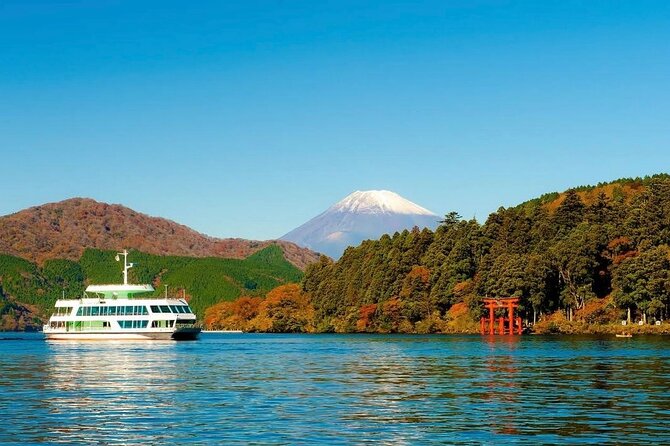
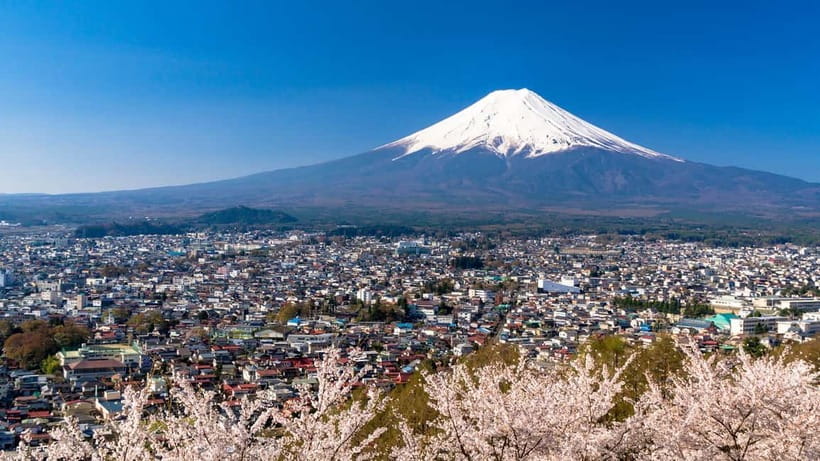
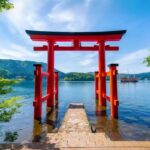
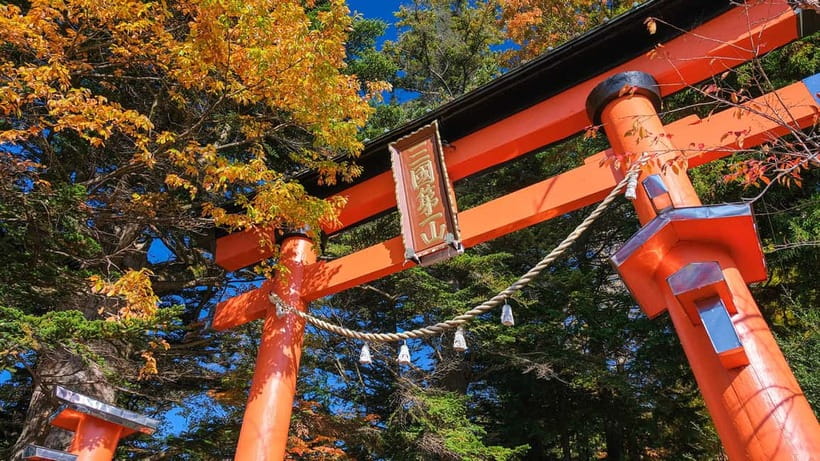
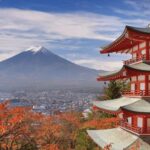
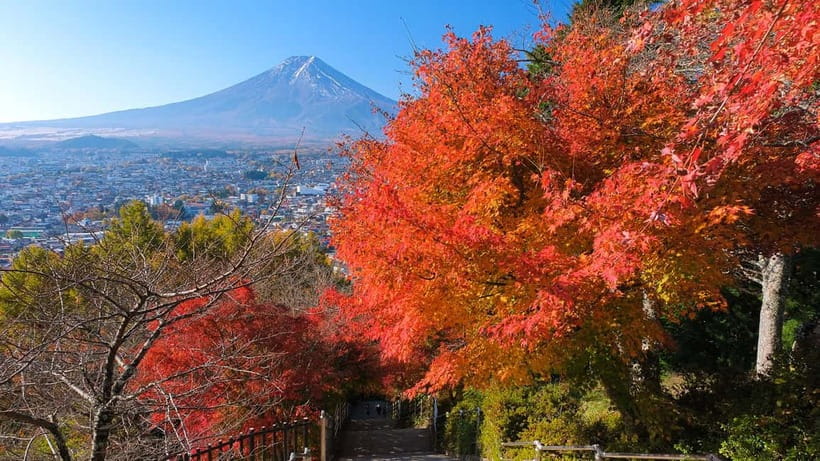
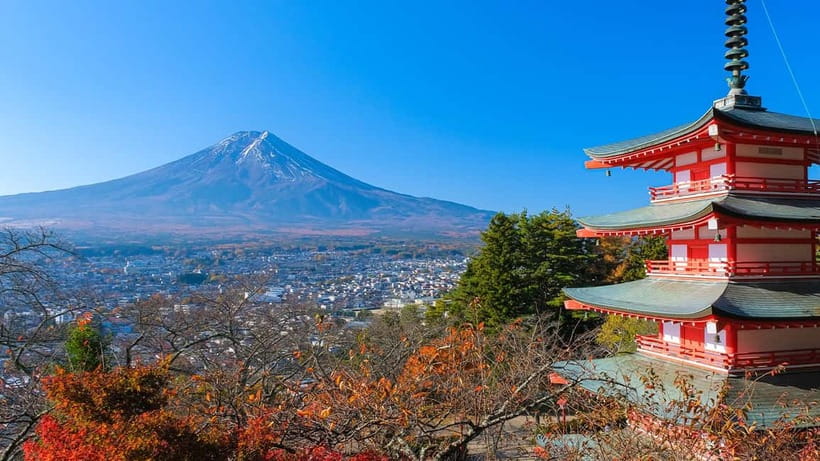
If you visit outside the 5th Station operating period, the tour goes to Shinkurayama Asama Park instead. This is not simply a lesser substitute. The park is the famous postcard setting with a crimson pagoda in front of Mount Fuji, and it provides one of Japan’s most recognizable photo compositions.
The visual contrast is strong: traditional Japanese architecture in the foreground, Fuji behind it. If your goal is the classic social-media image, this park may actually be your preferred stop.
The tradeoff is that the two locations offer different experiences. The 5th Station puts you closer to Fuji at high altitude, while Shinkurayama Asama Park gives you the iconic pagoda view. Check the season before booking so you know which version of the day you are buying.
The timing also matters. The 5th Station stop is listed as about one hour, and the park replacement follows the same general role in the route. Use that time with purpose. Take photos early, listen for the meeting instructions, and do not wander too far from the group.
Oshino Hakkai and its eight clear ponds
After Fuji, the bus continues about 30 minutes to Oshino Hakkai. You get about an hour here for walking, photos, food, shopping, and free time.
Oshino Hakkai is a traditional village known for eight clear ponds fed by Mount Fuji’s snowmelt. The water is the main attraction. It gives the stop a quiet, almost careful feeling, especially when set against the thatched-roof buildings and small paths.
I like this part because it adds local texture to a day that could otherwise become a string of mountain viewpoints. You are not only looking at Fuji from a distance. You are seeing how the mountain’s water shapes a village below it.
One hour goes quickly. You may want to split your time between the ponds, the traditional buildings, and food stalls. Local mochi made with Fuji spring water is one useful thing to try. Cash is worth carrying because small food purchases and souvenirs are not included.
Do not expect an extended village walk. This is a short stop with several things competing for your attention. If you stop at every shop, you may miss the ponds. I would first walk the main area and take your photos, then return for a snack or small purchase.
Two hours at Konohananoyu Onsen
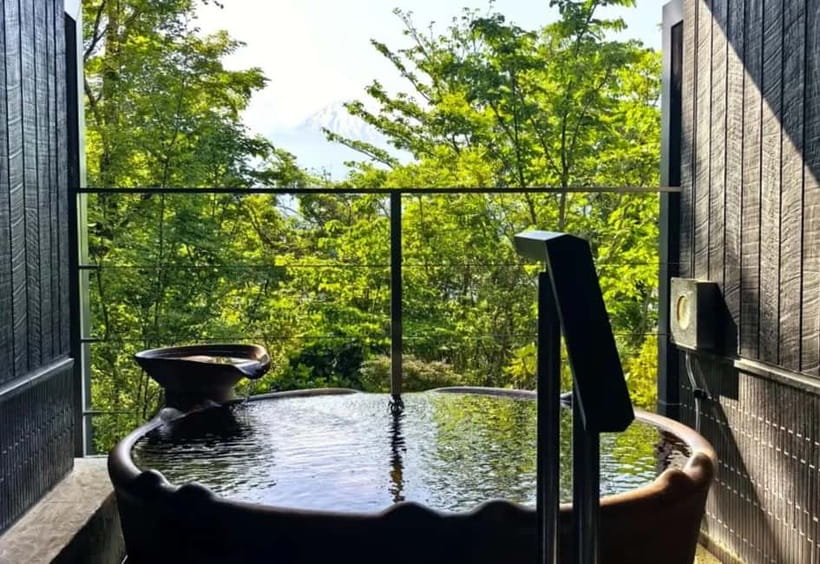
The final major stop is Konohananoyu, where you have about two hours for bathing, resting, shopping, and sightseeing. The main attraction is the open-air bath with an unobstructed view of Mount Fuji.
This is the part that can turn a busy sightseeing day into a calmer one. After the early start, bus ride, walking, and photo stops, sitting in hot water while looking toward Fuji offers a very Japanese way to finish the outing.
There are important rules. Japanese onsens require nude bathing, with separate male and female areas. Tattoos must be covered, or you may be refused entry. The onsen fee is not included in the $50 price, so bring extra cash and allow for that cost.
If you have never used an onsen, ask your guide for basic directions before entering. The usual process involves washing first, then entering the bath without swimwear, but the tour information specifically warns that onsen arrangements may require you to inquire in person. A friend or guide familiar with Japanese bath customs can make the first visit less confusing.
You can also buy a traditional Japanese meal in the rest area at your own expense. Food is not part of the tour price, so budget for lunch or an evening meal if you want one. The two-hour stay gives you time to bathe without rushing, though the facilities may be crowded during weekends and holidays.
There is a real scheduling wrinkle here. From Monday through Friday, you may choose between the hot spring experience and Gotemba Premium Outlets. On weekends and Japanese national holidays, hot spring arrangements are not available in the same way, and you may need to inquire on your own. If the onsen is your main reason for booking, choose a weekday and confirm the arrangement before setting off.
Gotemba Premium Outlets as the alternate stop
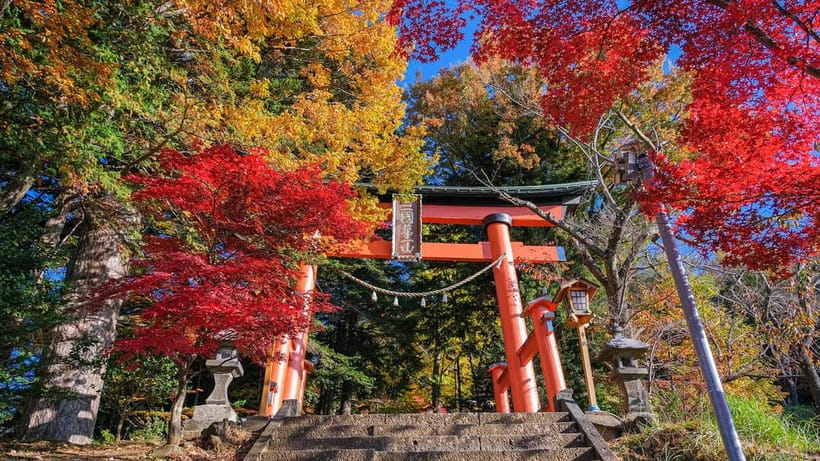
If shopping suits you better, or if the hot spring option is not running on your date, Gotemba Premium Outlets provides another way to spend time at the foot of Fuji. The center combines branded shopping, food, and mountain views.
This option works best for you if you prefer browsing shops to following bath etiquette. You can look up from the stores and see Fuji, assuming the weather cooperates, then stop for food during the visit.
It is not the same experience as the onsen. The outlets are a commercial stop, while Konohananoyu offers a cultural experience and a chance to slow down. At the same time, the shopping center may be the more practical choice on a crowded holiday, when hot spring waits can be long.
The tour information treats these as alternatives, not guaranteed additions to the same schedule. Check what your departure includes so you do not arrive expecting two hours at the baths and find a shopping visit instead.
Is $50 a fair price?
At $50 per person, the package is priced around convenience. You receive round-trip transportation from central Tokyo and a professional guide, while meals, the onsen fee, and personal spending remain yours.
A public-transit version would require more planning and would not necessarily be simple, especially when combining the 5th Station, Oshino Hakkai, and a bathhouse in one day. The bus also lets you avoid changing trains and buses around the Fuji Five Lakes area.
The value is strongest if you want a broad first look at Mount Fuji. You get an alpine stop, a village, and either an onsen or outlet visit in one organized day. The value is weaker if you need long visits, detailed interpretation, or a guaranteed hot spring stop.
This is also a shared tour. Some recent departures used a crowded, small bus, and the quality of guidance can vary. One guide may give clear explanations and practical tips, while another may mainly provide departure times and directions. If you need a private guide or expert commentary at every stop, pay more for a smaller specialist tour.
Timing, meeting points, and what to pack
You can start from two central locations: SMBC Bank Shinjuku Nishiguchi or Tokyo Station’s Marunouchi North Exit. Your exact meeting point depends on the option booked, so check it carefully. Tokyo stations are large, and a few extra minutes can save you a frantic start.
The day includes approximately:
- Two hours by bus from Tokyo to the Fuji area
- One hour at the 5th Station or Shinkurayama Asama Park
- Thirty minutes to Oshino Hakkai
- One hour at Oshino Hakkai
- Thirty minutes to the onsen or outlet area
- Two hours at the final stop
- Two hours back to Tokyo
Traffic can alter this neat timetable. On weekends and holidays, the guide may change the order of stops, shorten a stay, or adjust the route to keep the day moving.
Bring comfortable shoes, water, sunglasses, a camera, comfortable clothes, and cash. Add a light jacket for the 5th Station. Food and drinks are not allowed in the vehicle, and smoking is not allowed. Tell the operator in advance about luggage or special requests, since extra fees may apply.
The tour is not suitable for pregnant women, wheelchair users, people with mobility impairments, or people over 70. Children aged zero to three may be able to join, but you must contact customer service first for safety reasons. Paid attraction tickets for children in that age group are not included.
Who should book this Fuji day trip?
I would recommend it to you if this is your first visit to the Fuji area and you want several major sights without renting a car. It is also a good fit if you want a no-hike Fuji experience, enjoy taking photos, and like the idea of ending the day in a Japanese bath.
Choose a weekday if the onsen is important. Choose the outlet alternative if you prefer shopping or if you have tattoos you cannot cover. If you visit between December and early May, expect Shinkurayama Asama Park rather than the 5th Station.
I would be cautious if you dislike long bus rides, crowded shared vehicles, fixed stop times, or multilingual group instructions. The scenery can be excellent, but Fuji itself may disappear behind clouds, and traffic can make the return to Tokyo late.
Final booking advice
Book this tour if you want convenient access and variety for a reasonable price, and you can accept a busy schedule. The strongest features are the no-hike 5th Station visit, Oshino Hakkai’s clear ponds, and the chance to soak while facing Fuji.
Before paying, confirm three things: your meeting point, the stop operating on your date, and whether the onsen or Gotemba option is available. If you need a guaranteed bath, detailed guiding, or a quieter vehicle, this may not be the right choice. If you want an efficient Fuji sampler with room for memorable photos and a relaxing finish, it is a sensible day out from Tokyo.
FAQ
How much does the Mount Fuji day trip cost?
The listed price is $50 per person. Meals, the onsen fee, personal expenses, insurance, and paid attraction tickets for children aged zero to three are not included.
How long does the tour last?
It is a full-day experience. The listed bus rides total about five hours, with roughly one hour at the Fuji viewpoint, one hour at Oshino Hakkai, and two hours at the final onsen or outlet stop.
Where do I meet the tour?
There are two possible starting points: SMBC Bank Shinjuku Nishiguchi and Tokyo Station’s Marunouchi North Exit. The meeting point depends on the option you book.
Can I visit Mount Fuji’s 5th Station all year?
No. The 5th Station operating period is listed as May 10 through November 30. Outside that period, the tour visits Shinkurayama Asama Park instead.
Is the onsen included in the price?
No. The onsen fee is paid separately. Meals and other personal expenses are also not included.
Are tattoos allowed at the onsen?
Tattoos must be covered. If they are not covered, entry may be refused. Nude bathing is required, with separate male and female bathing areas.
What languages are available?
The tour offers English and Chinese. The guide may serve an international group using multiple languages rather than providing commentary in only one language.
More 1-Day Tours in Fujinomiya
More Mt Fuji Day Trips in Fujinomiya
More tours in Fujinomiya we've reviewed
Mt Fuji Day Trips, compared.
 ★ 5.0Mt Fuji and Hakone 1-Day Bus Tour Return by Bullet TrainFrom $163
 ★ 4.0Mt Fuji & Hakone Cruise, Drum Show Bullet Train 1 Day from TokyoFrom $149
 ★ 4.4Tokyo Mt Fuji 5th St & Hakone Cruise Bus Tour w/Bullet TrainFrom $15410 hours
 ★ 4.5From Tokyo: Mount Fuji Full-Day Sightseeing TripFrom $6810 hours
 ★ 4.7Tokyo: Mt. Fuji Tour, Hakone Ropeway, Owakudani, Lake AshiFrom $5410 hours
 ★ 4.4Tokyo:Mt.Fuji,Kawaguchiko Oishi Park,Arakurayama Sengen ParkFrom $5410 hours