Reviewed · WALKING TOURS
Tokyo: Private Walking Tour with a Local Guide
Tokyo is easiest to understand when someone local helps you connect the dots. This private walking tour can take you from Senso-ji and Asakusa to Shibuya, Tsukiji, Meiji Shrine, or quieter neighborhood corners, with the route shaped around what you want to see.
In This Article
- Key points to know before booking
- A private Tokyo day built around your interests
- What the first meeting and train travel are like
- Senso-ji and Asakusa: Tokyo’s traditional welcome
- Ueno and Ameya-Yokocho: markets beside open space
- Akihabara: Tokyo’s modern pop culture
- Shibuya and Harajuku: Tokyo’s younger face
- Tsukiji Outer Market: a practical food stop
- Ginza and the Imperial Palace: polished city and national history
- Shinjuku and the value of local advice
- How personalized is the experience?
- What the $58 price really buys you
- Who should book, and who should think twice?
- Should you book this private Tokyo walking tour?
- FAQ
- How long does the private Tokyo walking tour last?
- Is hotel pickup included?
- Is airport pickup included?
- What language does the guide speak?
- Is this a private group experience?
- Which Tokyo sights can I request?
- Are train and other transport costs included?
- Are meals and drinks included?
- Is the tour suitable for wheelchair users or people with mobility impairments?
I like the personal planning, which starts before the meeting, and the practical help with Tokyo’s train system. I also like the mix of old and new, from shrine customs and temple stories to street food, shopping districts, and local eating spots. The main drawback is that a short tour cannot cover much ground, and transport, meals, and extra attraction tickets cost more.
Key points to know before booking
- Your guide plans around you: Share your interests and preferred places before the tour, then confirm the final route with your guide.
- Local guides make the difference: Rika, Momo, Miwa, Saya, Momoha, Ko, and others have been praised for clear explanations, flexible planning, and friendly help.
- Public transport is part of the lesson: You walk between sights and use Tokyo’s trains and other convenient public transport to connect districts.
- The sample route is ambitious: Senso-ji, Ueno, Akihabara, Shibuya, Harajuku, Tsukiji, Ginza, the Imperial Palace, and Shinjuku cannot all be properly covered in a short booking.
- The experience is fully private: Your group gets the guide’s attention, with no strangers added to the booking.
- Bring more than comfortable shoes: Carry your passport or ID, a credit card, and cash for food, transport, and anything not included.
A private Tokyo day built around your interests
The biggest strength here is freedom. You are not locked into a fixed sightseeing march. After booking, you share what you have already seen, what you care about, and any places you would like to visit. Your guide contacts you through WhatsApp within 24 hours of the tour and works out the final plan with you.
That matters in Tokyo. The city is huge, and its major districts are spread across different train lines. A route focused on temples and traditional culture will feel very different from one built around food, anime, fashion, or modern city life.
You might ask for Asakusa and Ueno, then add Akihabara if you still have time. Or you might focus on Tsukiji, Ginza, and the Imperial Palace. A first visit often benefits from a blend of shrine, market, neighborhood, and train travel. The guide can help you avoid spending half the day crossing the city for one more famous photo.
The tour is offered in different lengths, with options shown as 4, 6, or 8 hours, while shorter two-hour bookings are also available in the activity details. Check the exact option before paying. A two-hour outing works best as a neighborhood introduction, not as a grand tour of Tokyo.
Other walking tours we've reviewed in Tokyo
What the first meeting and train travel are like
Pickup is included from your hotel or accommodation in central Tokyo, or from another preferred meeting place in Tokyo. The guide then accompanies you on foot and by public transport. Airport pickup and drop-off are not included.
The train system is not just a way to get from point A to point B. It is part of the useful education. Guides such as Momo, Daichi, and Miwa have helped first-time visitors understand how to move around Tokyo with more confidence. You can ask about changing lines, finding the right station exit, and planning the rest of your trip.
Allow time for the transport itself. One experience covering several parts of the city included plenty of train travel, though the guide used that time to explain Tokyo life and answer questions. You should not expect every minute to be sightseeing. The tradeoff is a broader view of the city and a practical skill you can use long after the tour ends.
Wear shoes you can walk in for several hours. This experience is not suitable for wheelchair users or people with mobility impairments, and baby strollers or baby carriages are not allowed. Smoking, drones, and littering are also prohibited.
Senso-ji and Asakusa: Tokyo’s traditional welcome
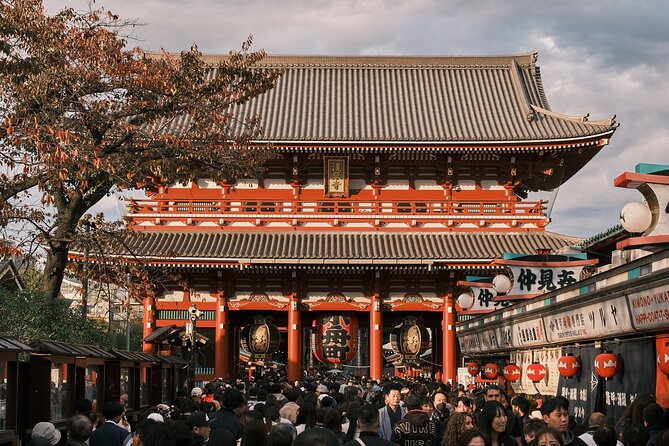
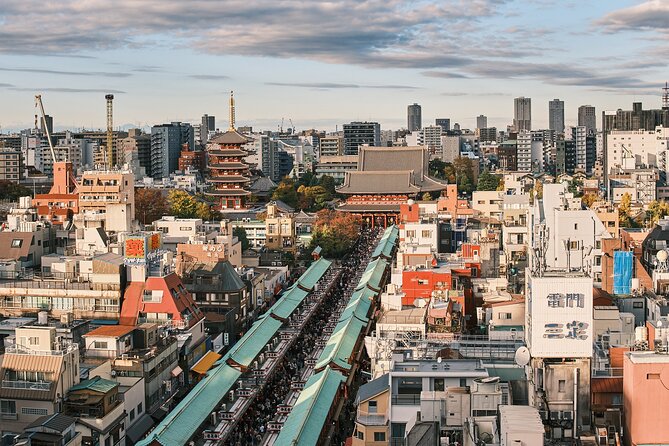
Senso-ji is one of the clearest introductions to old Tokyo. In Asakusa, you can learn how to approach a Buddhist temple, understand basic customs, and hear the stories behind the gates, halls, and statues.
The surrounding Asakusa streets add another layer. Nakamise shopping areas lead toward the temple, with traditional goods, snacks, and souvenirs. One two-hour visit centered on Senso-ji and nearby shopping streets, a sensible choice if you want culture without racing across town.
Asakusa is especially good for a first morning or first day in Tokyo. A local guide can explain what you are seeing instead of leaving you with a string of attractive but disconnected buildings. If food matters to you, say so in advance, since the guide may include a local place or market stop.
Ueno and Ameya-Yokocho: markets beside open space
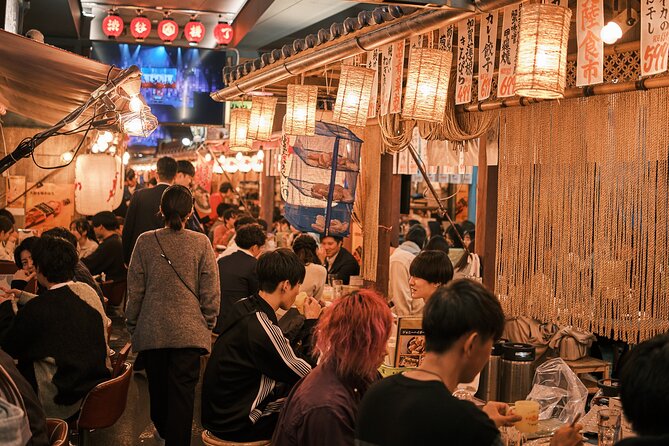
Ueno gives you a different view of Tokyo. The area combines a large park setting with shops, food, and cultural sights. The nearby Ameya-Yokocho market street is a useful place to see everyday shopping and try small bites.
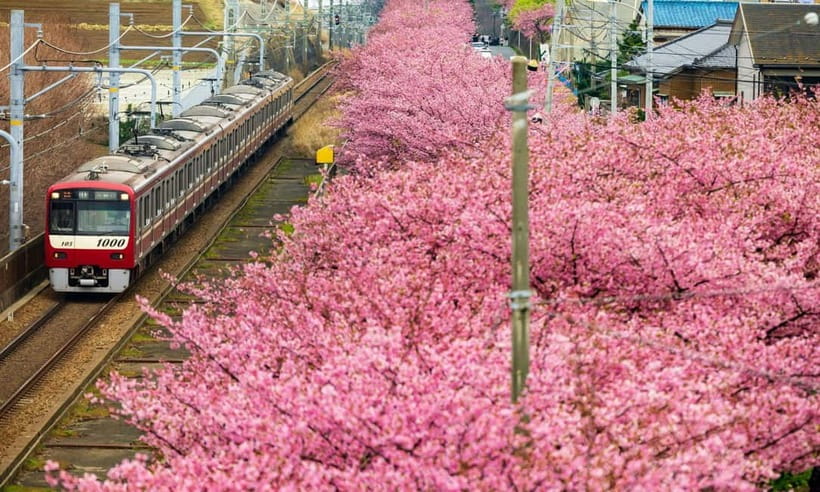
One guide-led visit paired Ueno’s market atmosphere with calmer park views and seasonal blossom viewing. Conditions naturally change with the season, but the district remains a good choice if you want more than polished department stores and major landmarks.
I would pair Ueno with Asakusa if you have four or more hours. They are a sensible cultural combination, although you should expect plenty of walking and some time on trains if you add districts farther west.
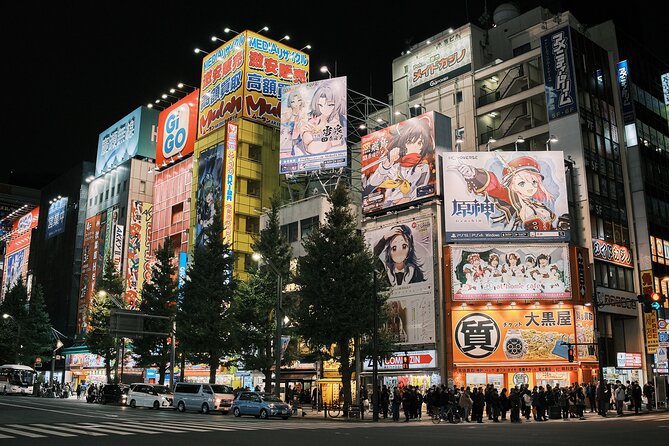
Akihabara: Tokyo’s modern pop culture
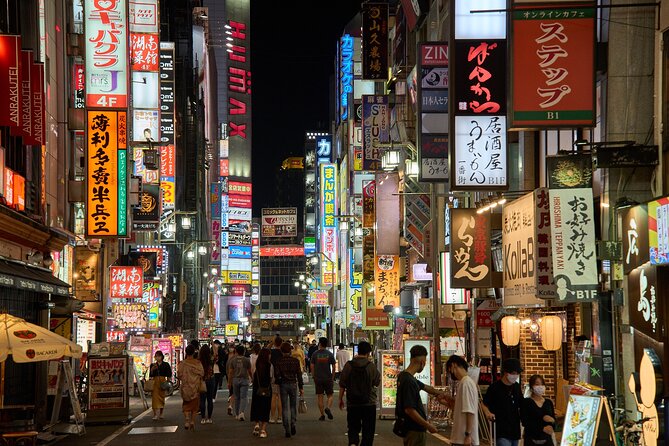
Akihabara brings a sharp change of mood. Its identity is tied to anime, manga, games, electronics, and specialty shopping. It is a better choice for visitors with a clear interest in those subjects than for anyone seeking quiet streets or temple architecture.
A local guide can help you decide what fits your interests instead of treating every shop as equally important. Tell your guide if you want shopping time, photography, or a quick look at the district as part of a wider Tokyo day.
Akihabara, Asakusa, and Ueno can make a lively east Tokyo route. Trying to add them to Shibuya, Harajuku, Tsukiji, and Shinjuku in a short booking would leave you mostly watching station signs.
Other guided tours in Tokyo

Shibuya and Harajuku: Tokyo’s younger face
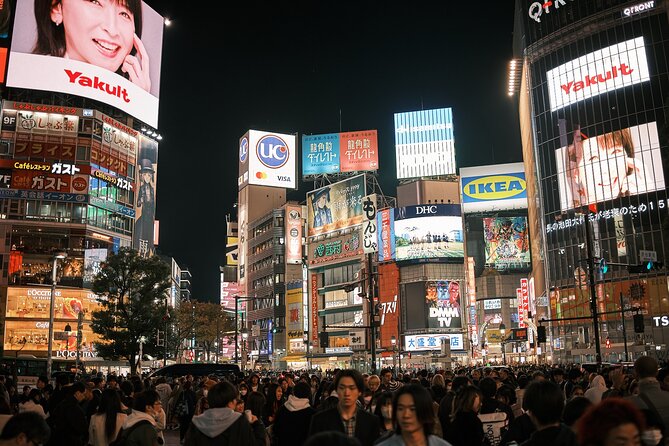
Shibuya Crossing is the famous stage of modern Tokyo. Your guide can help you find a good viewpoint, explain the district, and then steer you beyond the crossing if your interests call for food, shops, or local recommendations.
Harajuku changes the tone again. Takeshita Street is associated with youth fashion and unusual shops, while Meiji Shrine offers a more peaceful setting nearby. That contrast is one of the best pairings in the city: crowded commercial streets on one side, wooded shrine grounds and formal customs on the other.
Guides Rika and Miwa have been particularly strong at combining modern districts with cultural context. A guide can show you how to behave respectfully at a shrine, then help you understand what makes Harajuku different from other shopping areas.
This west Tokyo route suits first-time visitors who want the city’s familiar images. It is also a good match for teenagers. Ko’s six-hour route was adapted to include teens, with city highlights, food suggestions, train guidance, and places beyond the standard stops.
Tsukiji Outer Market: a practical food stop
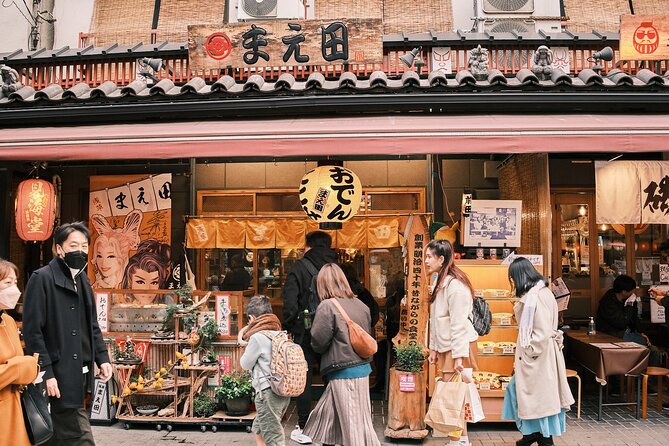
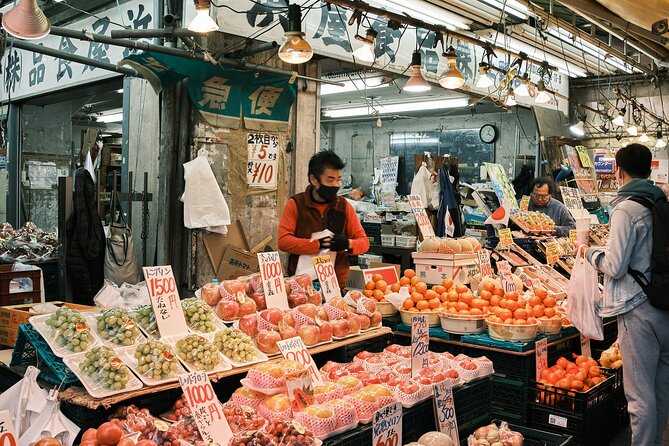
Tsukiji Outer Market is a strong pick if you want your tour to revolve around food. The market offers fresh seafood and small items to taste, though what you find and what you choose to eat will depend on the day and your guide’s plan.
Saya has led a two-hour Tsukiji outing that included help with the rail system and tastings such as crab, oysters, tuna, sake, and mochi. Those food costs are not included, so bring cash or a card and tell the guide your budget and preferences.
Tsukiji works well as a focused morning visit. It is less useful as a quick photo stop squeezed between distant districts. Give yourself time to browse, taste, and ask questions about how the market area functions.
If you choose lunch or dinner during the tour, the provider asks you to invite the guide and pay for their meal. If you do not want to cover the guide’s food, tell the provider ahead of time so expectations are clear.
Ginza and the Imperial Palace: polished city and national history
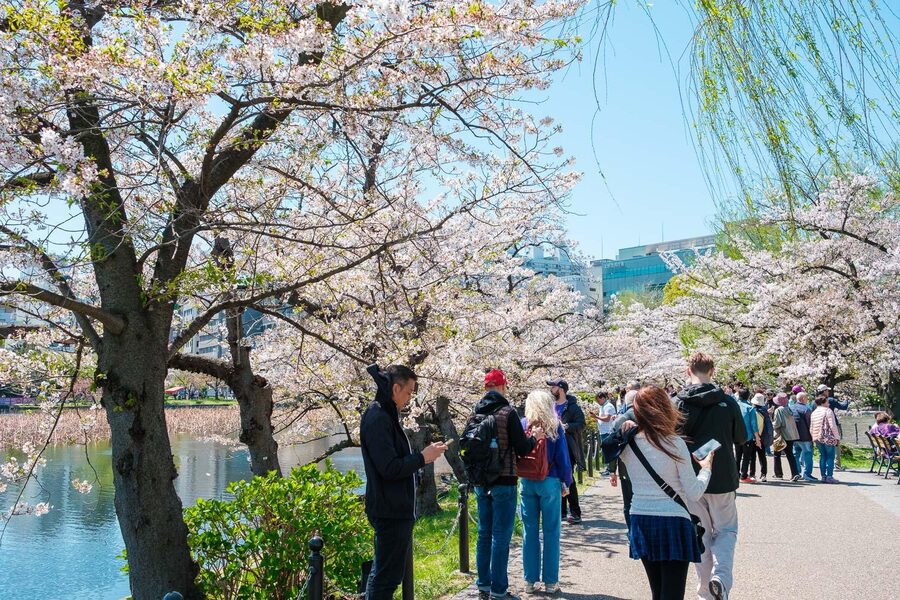
Ginza shows Tokyo’s elegant commercial side, with major stores, refined streets, and plenty of places to eat. It is a good fit if you like design, shopping, architecture, or a more polished city atmosphere.
The Imperial Palace offers a different kind of stop, with national history and formal surroundings. The tour can provide outside sightseeing and context, but tickets for additional attractions are not included. If you want to enter a paid site, you may need to buy admission for both yourself and your guide.
Ginza, Tsukiji, and the Imperial Palace can form a logical central Tokyo route. Still, confirm exactly what you will visit. The published stop list is a sample, not a promise that every location will be included.
Shinjuku and the value of local advice
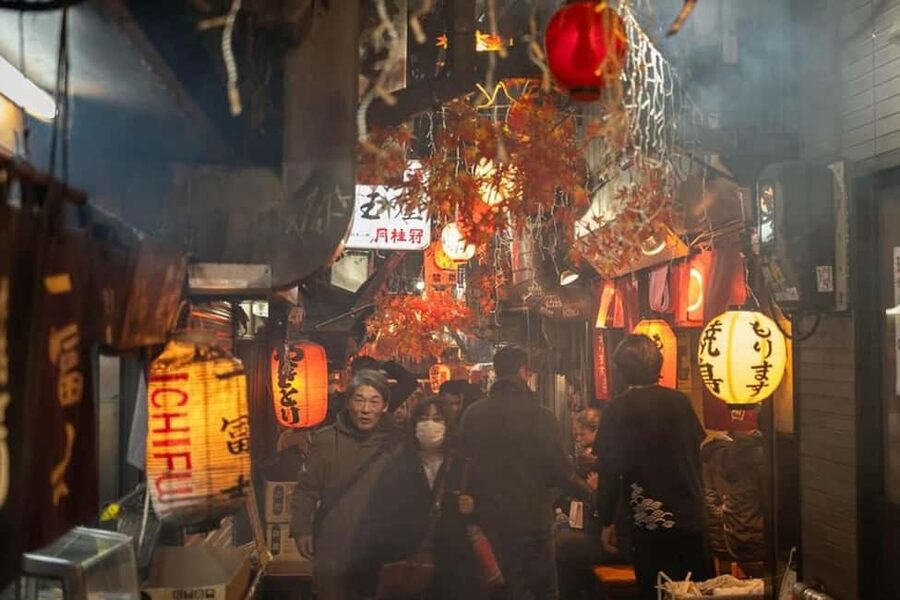
Shinjuku is one of Tokyo’s major city centers, known for tall buildings, shopping, nightlife, and a maze of train connections. Its scale makes it a useful place to have a guide at the start of a trip, especially if you are still learning how Tokyo’s districts fit together.
The real value here may be the advice you receive for later. Guides have suggested restaurants, entertainment, neighborhood stops, and routes for the rest of a Japan trip. Some have also sent links and a custom plan after the tour.
Do not expect a complete tour of every corner of Shinjuku in a short booking. Ask for a specific focus, such as food, city views, shopping, or transport orientation.
How personalized is the experience?
The strongest pattern is careful preparation. Rika has contacted visitors before the tour with a proposed route and adjusted it to match their wishes. Miwa has built full-day plans around food, history, shopping, and local culture. Momo has combined railway help with local eating and neighborhood advice.
The guides also seem comfortable changing direction during the day. Mimi continued beyond the planned time during one Asakusa visit, helped a visitor reach a later class, and offered suggestions afterward. That kind of flexibility is useful, but do not assume extra time is guaranteed. Confirm your finish time if you have dinner, a class, or another reservation.
Some guides take photos and videos during the day, then send them afterward. Mimi labeled the files, while other guides shared recommendations and links. Ask first if you want photos, and make sure you understand how they will be sent.
English is the listed language. The guide names connected with especially strong experiences include Rika, Momo, Miwa, Saya, Momoha, Ko, Daichi, Taka, Nao, Momoha, and Taichi. You generally cannot treat a particular guide as guaranteed unless the booking process says so, but you can share a preference when arranging the tour.
What the $58 price really buys you
At $58 per person, the price is appealing for a private experience, particularly if you are splitting the cost among several people. You are paying for planning, a local guide, hotel pickup, and help moving through Tokyo rather than simply paying for a set commentary walk.
The value rises sharply if you are new to Tokyo, short on time, traveling with children or teens, or nervous about public transport. A well-planned six-hour route can connect areas that might otherwise take you several days to understand.
The price does not cover meals, beverages, trains, private cars, airport transfers, or paid attractions beyond covered temple and shrine entrance fees. If an extra attraction requires a ticket, you are responsible for buying admission for yourself and the guide. Add a transport and food budget before you compare this with a fixed sightseeing tour.
The private format is also more useful for a group with mixed interests. One person can ask about food, another about history, and another about shopping. A standard group tour may be cheaper, but it will not adjust as easily.
Who should book, and who should think twice?
I would recommend this for first-time visitors who want a clear start in Tokyo. It is also a good fit for families, couples, small private groups, and people who prefer conversation to a scripted lecture.
Food-focused visitors should request Tsukiji or local eating areas. Fans of tradition should ask for Asakusa, Meiji Shrine, and perhaps Ueno. Visitors interested in modern city life can build around Shibuya, Harajuku, Akihabara, and Shinjuku.
You should think twice if you want a fixed, guaranteed list of attractions. You should also reconsider if you dislike walking, train rides, or making choices before the day begins. The tour is flexible, but that means you need to communicate clearly.
Cancellation is free up to 24 hours before the tour, and you can reserve now and pay later. Those terms help if your Tokyo schedule is still moving, but check the exact duration and pickup details for your chosen date.
Should you book this private Tokyo walking tour?
Book it if you want Tokyo to feel less confusing and more personal. The best use of the tour is not checking off every famous district. It is choosing a sensible route, learning the train system, understanding local customs, and getting food and neighborhood advice you can use afterward.
For a short stay, I would choose at least four hours and limit the route to two or three connected areas. For a full introduction, six or eight hours gives your guide room to combine traditional Tokyo with modern districts without turning the day into a station-hopping contest.
At $58 per person, it offers good value for a private guide, especially when shared by a small group. Just budget for transport, meals, and optional admissions, then tell your guide exactly what you want before the day. That is where this experience earns its price.
FAQ
How long does the private Tokyo walking tour last?
Available durations range from 2 to 8 hours. The activity details also identify 4, 6, and 8-hour options, so check the duration shown for your chosen date.
Is hotel pickup included?
Yes. Pickup is included from your hotel or accommodation in central Tokyo, or from a preferred meeting place in Tokyo.
Is airport pickup included?
No. Airport pickup and drop-off are not included.
What language does the guide speak?
The listed tour language is English.
Is this a private group experience?
Yes. The tour is arranged as a private group, so the itinerary can be shaped around your interests.
Which Tokyo sights can I request?
Possible stops include Senso-ji, Asakusa, Ueno, Ameya-Yokocho, Akihabara, Shibuya Crossing, Harajuku, Meiji Shrine, Tsukiji Outer Market, Ginza, the Imperial Palace, and Shinjuku. The final route depends on your chosen duration and preferences.
Are train and other transport costs included?
No. The guide accompanies you using public transport, but trains and other transport costs are not included.
Are meals and drinks included?
No. Meals and beverages are not included. If you eat with the guide, you are asked to cover the guide’s meal unless you arrange otherwise in advance.
Is the tour suitable for wheelchair users or people with mobility impairments?
No. The experience is not suitable for wheelchair users or people with mobility impairments. Comfortable walking shoes are recommended.
More Private Tours in Tokyo


More Guided Tours in Tokyo
More Walking Tours in Tokyo
More tours in Tokyo we've reviewed












Walking Tours, compared.
 ★ 5.0Tokyo Tsukiji Fish Market Food and Culture Walking TourFrom $99
 ★ 4.9Tokyo: Shinjuku Local Bar and Izakaya Guided Walking TourFrom $343 hours
 ★ 5.0Tokyo: Tsukiji Fish Market Food and Walking tourFrom $30
 ★ 4.8Tokyo: Asakusa Walking Tour with Sensoji Temple VisitFrom $222 hours
 ★ 4.9Tokyo: Tsukiji Fish Market Guided Walking TourFrom $222 hours
 ★ 4.7Tokyo Castle & Imperial PalaceーShogun Walking TourFrom $232 hours