Reviewed · AKIHABARA & ANIME TOURS
Private Akihabara anime Tour(walking Tour with photography)
Akihabara can feel like several cities stacked on top of each other: anime shops, arcades, electronics signs, tiny side streets, shrines, and cafés all competing for your attention. This private walking tour gives you a friendly local guide, Nao, who helps you find the right stores instead of leaving you to wander through Electric Town on your own.
In This Article
- Key points to know before booking
- Why a private guide helps in Akihabara
- Meeting Nao near Akihabara Electric Town
- Yanagimori Shrine and Akihabara’s quieter side
- Lashinbang for secondhand anime finds
- Gee Store for T-shirts and cosplay items
- Kotobukiya for figures and model-building supplies
- Super Potato and the pull of retro games
- Akihabara GiGO and Japan’s arcade culture
- Taito Station and the art of buying prizes
- Taiyaki, ramen, katsu-don, and the included extras
- Who will get the most from this Akihabara walk
- Practical value, timing, and limits
- Should you book this private Akihabara tour?
- FAQ
- How long does the private Akihabara tour last?
- How much does the tour cost?
- Is this a private tour?
- Who is the guide?
- What places does the tour visit?
- Are food and souvenirs included?
- Are arcade games and maid cafés included in the price?
- Where does the tour start and finish?
I especially like the custom itinerary, which works well for families whose interests range from Pokémon and manga to retro games and Japanese culture. I also like that Nao takes and edits photos, then includes taiyaki, lunch, and a souvenir. The main consideration is price: at $197.06 for up to two people, this is best value when you want personal help, not simply a quick introduction.
Key points to know before booking

- Nao adjusts the route to your interests, including anime, manga, games, cosplay, arcades, food, and local culture.
- Yanagimori Shrine adds a quiet cultural pause, with a connection to the anime Steins;Gate and its unusual tanuki tradition.
- Shopping help is practical, especially if you want figures, trading cards, T-shirts, cosplay goods, or older games.
- The tour includes photos, editing, taiyaki, lunch, and a souvenir, which makes it more than a standard store walk.
- Arcade play and maid cafés cost extra, so budget separately if those are priorities.
- The private format suits families and mixed-interest groups, particularly parents exploring with teenagers or children.
Why a private guide helps in Akihabara

Akihabara is easy to reach, but not always easy to read. A bright sign does not tell you whether a shop specializes in new figures, secondhand manga, trading cards, cosplay clothing, or old consoles. Store floors can also be packed with small categories that make perfect sense to a regular customer and little sense to a first-time visitor.
That is where a private guide earns his fee. Nao can spend more time on the subjects you care about and less time on shops that do not fit your group. If your teenager wants manga but your partner prefers history and food, the route can shift without the awkwardness of keeping a large tour group together.
The experience lasts roughly two and a half to three hours. The published stop times add up to more than the official duration, so treat them as a flexible outline rather than a strict schedule. Walking between shops, browsing, taking photos, eating, and responding to your requests all use part of the available time.
You pay $197.06 per group of up to two people, not per person. For two dedicated guests, that is about $98.53 each before any extra arcade or maid café spending. For one person, the cost is harder to justify unless you place a high value on shopping advice and photography. For a couple, parent and child, or two friends with a clear Akihabara wish list, the private format makes more financial sense.
A few more Tokyo tours and experiences worth a look


Meeting Nao near Akihabara Electric Town
The tour begins near Akihabara station. The route information points to the Electric Town exit and a Starbucks on the first floor, with an indoor meeting option in cold or rainy weather. The listed meeting address is Jonathan’s Akihabara at 1-chōme-17-4 Sotokanda, so confirm the exact meeting spot and time after booking.
This small detail matters in Akihabara. The station has several exits, and the streets around the Electric Town side can look alike when you are searching for a guide. A mobile ticket is provided, and the activity is near public transportation, but you should still allow a little extra time to get oriented.
The group is private, so only your party joins the walk. That gives you room to ask basic questions without feeling out of place. It also helps if you want to stop for a particular figure, game, or snack rather than follow a fixed route.
Yanagimori Shrine and Akihabara’s quieter side

The first stop is Yanagimori Shrine, a useful change of pace from the shop signs and game music. It is connected with the anime Steins;Gate, which gives fans a recognizable reference point, but the shrine also has a local story involving a rare tanuki.
The word tanuki is linked in Japanese to the idea of getting ahead of or overtaking others. That association has made the shrine meaningful to people hoping to move past rivals or obstacles. Nao can explain this cultural detail in the setting where it matters, rather than presenting it as an isolated fact in a classroom-style talk.
You spend about 10 minutes here, and admission is free. That is not enough time for a long shrine visit, but it is enough for a short cultural lesson and a breather. If your group cares mainly about anime and shopping, this stop keeps the tour from becoming eight stores in a row. If you want a longer spiritual visit, you will need to ask how much time can be shifted from the shopping stops.
Lashinbang for secondhand anime finds

Lashinbang Akihabara New Store is aimed at the practical side of otaku shopping. Japan is often less expensive for anime goods than overseas markets, but lower prices alone do not guarantee a good purchase. Secondhand shops can reward patience, and a guide who knows the local market can help you understand what you are looking at.
The planned visit is about 30 minutes. You might find used figures, manga, character goods, or other items, depending on current stock. The important point is not just the store name. It is having someone who can help you compare what you see and point out categories you might miss while scanning crowded shelves.
The tour is particularly useful if you arrive with a shopping goal. Tell Nao in advance if you are looking for a character, series, card type, or age of game. The supplied information does not promise that a specific item will be available, so consider the guide’s help a search advantage, not a guarantee.
Gee Store for T-shirts and cosplay items

Gee Store is a sensible stop if you want something wearable rather than another small collectible. It carries anime T-shirts, a category that can be surprisingly limited in other Akihabara shops, along with cosplay goods.
You have roughly 30 minutes here. That gives you time to browse sizes, designs, and character themes without turning the whole tour into a shopping race. If you are buying for someone at home, clothing can also be easier to use than a fragile figure, though you should still check sizes and prices carefully.
Cosplay shoppers will get more from this stop than visitors who only want mainstream character merchandise. If your group has little interest in clothing, Nao can use the private format to reduce the time here and add another game or manga stop.
Other walking tours we've reviewed in Tokyo




Kotobukiya for figures and model-building supplies

Kotobukiya Akihabara gives you a more organized look at anime and game merchandise. The first and second floors carry character goods, with model-building tools on the third floor. The range includes names such as Final Fantasy, Pokémon, and Street Fighter.
The planned stop is 15 minutes, so it is a quick survey rather than a long shopping session. That may be enough if you want to see what the store carries or compare products with other shops. Model fans should mention their interest before the tour so the third-floor tools do not get lost in the rush.
One advantage here is variety. A family can split its attention among figures, game characters, and plastic-model supplies in one building. The drawback is simple: a short visit may feel brief if you discover a major interest once inside.
Super Potato and the pull of retro games

Super Potato changes the mood again. It focuses on older games and out-of-production systems, including familiar Nintendo-era consoles such as the NES and SNES. The attraction is partly the products and partly the feeling of seeing a shelf full of games that are no longer common in ordinary stores.
You get about 15 minutes here. That is enough to look around and ask questions, but collectors may wish for more time. Availability can change, and the tour does not include purchases, so treat this as a chance to browse and learn rather than a promise that a particular cartridge or console will be waiting.
This stop is also a strong choice for mixed-age families. Children and teenagers may come for current anime, while parents recognize the older games. Nao’s ability to connect different interests is one of the clearest reasons to choose a private walk.
Akihabara GiGO and Japan’s arcade culture

Akihabara GiGO introduces the play side of Electric Town. The arcade culture here includes UFO catchers, fighting games, music games, quiz games, and purikura photo booths that turn pictures into decorated stickers. The selection gives you a quick look at how Japanese game centers differ from a simple row of coin-operated machines.
The planned visit lasts about 30 minutes. That is long enough to watch, try a game or two, and see which machines appeal to your group. Arcade costs are not included, so bring extra money if you want to play.
Nao’s advice can be useful for beginners, especially around crane games. The listing specifically presents him as someone who has extensive experience acquiring anime goods and can teach you how to approach prize machines. Still, no technique guarantees a prize, and arcade spending can climb quickly if everyone wants another attempt.
Taito Station and the art of buying prizes
Taito Station is another stop for figures, stuffed animals, and similar prizes. The focus here is less on browsing shelves and more on trying to win items from arcade machines. You spend about 30 minutes, and Nao can offer tips based on his experience collecting more than 1,000 anime goods in a year.
This is a good match for children and teens who want an active stop. It also gives you a chance to ask how to judge a machine before spending money. Look at the prize position, the claw setup, and the number of attempts you are willing to pay for. The tour includes no arcade credit, so this is a place where your personal budget matters.
If your priority is guaranteed shopping, Taito Station may feel less efficient than a regular merchandise shop. If your group wants the fun of trying for a plush toy or figure, it adds a welcome hands-on element.
Taiyaki, ramen, katsu-don, and the included extras
Food is included, which improves the value of a short walking tour. You receive Japanese taiyaki, a sweet pancake traditionally shaped like a fish, plus lunch of ramen or katsu-don.
These details matter because Akihabara sightseeing can become snack-driven and tiring. A planned meal gives you a chance to sit down, talk with Nao, and ask for advice about the rest of your Tokyo visit. The information does not specify a particular restaurant, menu choice beyond ramen or katsu-don, or dietary alternatives, so raise food concerns before the tour begins.
The package also includes a souvenir. The final stop, listed as 明神下ハイス永眞, is described as a warehouse where you receive a gift and may choose what you like. The exact souvenir selection is not stated, so keep expectations flexible. It is a thoughtful extra, but it should not be the main reason you book.
Photography is another included feature. Nao takes photos during the walk and edits them afterward. This is especially useful for families, since the person taking pictures is often missing from the group shots. Ask how and when the edited photos will be delivered, since the supplied details do not specify the delivery method or timing.
Who will get the most from this Akihabara walk
I would choose this tour for an anime fan visiting Akihabara for the first time, especially if you have only one short window in the neighborhood. It also fits families with teenagers, since the route can combine manga, games, food, shrines, and arcades without forcing everyone into one narrow interest.
The experience has worked well for children as young as nine and for pre-teens and teens. Nao’s patience and willingness to adjust the plan are useful when young guests tire or lose interest in one type of shop. Parents also get a local guide who can help keep the outing moving.
You do not need to be an expert fan. The tour can suit curious visitors who want cultural context along with shopping. The shrine stop and local explanations give the neighborhood more shape than a simple merchandise hunt.
I would think twice if you prefer to explore alone, dislike shopping, or want a long, slow visit at every store. The tour covers many stops in a limited time, and the itinerary is designed for variety. Serious collectors may also prefer to spend three hours in only one or two stores.
Practical value, timing, and limits
The price includes the guide, photography and editing, taiyaki, lunch, and a souvenir. It does not include private transportation, maid café costs, or arcade play. Since the tour is on foot, wear comfortable shoes and keep your purchases manageable.
A private tour can save time, but it cannot remove every Akihabara variable. Shops may have changing stock, busy floors, and limited space. The guide can point you toward better options, yet he cannot promise a rare figure, a specific card, or a particular prize.
The experience has free cancellation up to 24 hours before the start time. Cancellations or changes inside that window are not refunded or accepted. The tour depends on good weather and a minimum number of participants, although a private booking means only your own group takes part once it runs. If poor weather or minimum numbers force cancellation, you are offered another date or a full refund.
Should you book this private Akihabara tour?
Book it if you want personal shopping guidance, family-friendly flexibility, and a useful first look at Akihabara rather than a self-guided wander. Nao’s strengths are his friendly manner, English communication, anime and game knowledge, and ability to adjust the route when a group’s interests change.
The best fit is two people sharing the $197.06 group price, or a family that values help with navigation and wants photos taken along the way. Mention your must-see series, preferred games, food needs, and interest in shrines or maid cafés before you meet.
Skip it if you already know Akihabara well and plan to spend hours hunting specific items on your own. Also budget separately for arcade games and maid cafés. For a first visit, though, this is a smart way to turn a confusing district into a manageable, personal outing.
FAQ
How long does the private Akihabara tour last?
The experience lasts approximately two and a half to three hours. The remaining time in the schedule is used for walking and travel between stops.
How much does the tour cost?
The price is $197.06 per group of up to two people.
Is this a private tour?
Yes. Only your group participates, so you receive the guide’s attention and can request changes to the route.
Who is the guide?
The guide is named Nao. The experience focuses on his local knowledge of Akihabara, anime, manga, games, shopping, and arcades.
What places does the tour visit?
The route includes Yanagimori Shrine, Lashinbang Akihabara New Store, Gee Store, Kotobukiya Akihabara, Super Potato, Akihabara GiGO, Taito Station Akihabara, and a warehouse stop where you receive a souvenir.
Are food and souvenirs included?
Yes. The tour includes Japanese taiyaki, lunch of ramen or katsu-don, and a souvenir. The exact restaurant and souvenir selection are not specified.
Are arcade games and maid cafés included in the price?
No. Any arcade play and maid café costs are paid separately.
Where does the tour start and finish?
The listed meeting point is Jonathan’s Akihabara at 1-chōme-17-4 Sotokanda, Chiyoda City, Tokyo. The route information also refers to meeting near the Starbucks by the Akihabara Electric Town entrance, so confirm the exact meeting instructions. The tour ends back at the meeting point.
More Private Tours in Tokyo



More Walking Tours in Tokyo
More Akihabara & Anime Tours in Tokyo



More tours in Tokyo we've reviewed












Akihabara & Anime Tours, compared.
 ★ 5.0Official Street Go-Kart Tour – AkihabaraFrom $61
 ★ 5.0Tokyo Go Kart: Asakusa, Skytree, and Akihabara **IDP MUST**From $99
 ★ 4.5Tokyo Studio Ghibli Museum and Ghibli Film Appreciation TourFrom $193
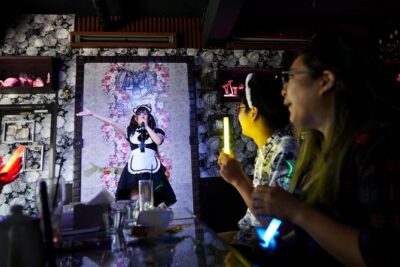 ★ 5.0Akihabara Anime & Game Adventure Walking Tour (Group or Private)From $90
 ★ 4.6Asakusa/Tokyo Bay & Akihabara Go Karting ToursFrom $70
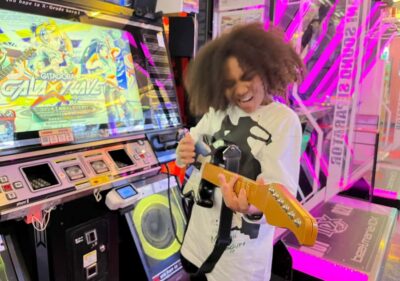 ★ 4.8Akihabara: Private Anime and Pop Culture TourFrom $953 hours