Reviewed · MT FUJI DAY TRIPS
Mt. Fuji 5th Station Oshino Hakkai & Gotemba, Hot Spring Day Tour
Mt. Fuji is the star here, but you never have to climb it. This 8 to 9 hour day tour from Tokyo takes you by coach to a high mountain viewpoint or a famous pagoda park, then on to spring-fed ponds and a flexible stop at Gotemba.
In This Article
- Key points to know before booking
- Why this tour works for a first Mt. Fuji day
- Mt. Fuji Fifth Station from April 26 to November 30
- Arakurayama Sengen Park from December 1 to April 25
- Oshino Hakkai and eight clear spring ponds
- Gotemba Premium Outlets and the hot spring choice
- What the guides add to a large group
- Transport, timing, and the real value of $79.50
- Weather, seasonal planning, and Fuji expectations
- Who will enjoy this Fuji tour most
- Should you book the Mt. Fuji, Oshino Hakkai, and Gotemba tour?
- FAQ
- How long does the tour last?
- Which Mt. Fuji viewpoint will I visit?
- What is included in the tour price?
- Are meals and drinks included?
- Is the tour wheelchair and stroller accessible?
- Are child seats available?
- Can I choose between Gotemba shopping and a hot spring?
- What happens if bad weather affects the tour?
- Can I cancel for a full refund?
I like the easy transport and the mix of scenery, culture, and free time. I also like that guides such as Anna Lau and Leo have been praised for keeping the day moving, sharing stories, and, in Anna’s case, switching among English, Mandarin, and Cantonese. The main drawback is simple: Mt. Fuji may hide behind clouds, and traffic can eat into your time at Gotemba.
Key points to know before booking
- Season decides your main Fuji viewpoint: You visit the Fifth Station from April 26 through November 30, and Arakurayama Sengen Park from December 1 through April 25.
- Oshino Hakkai offers a calmer hour: Eight clear ponds fed by Mt. Fuji snowmelt give you a pleasant change from busy Tokyo.
- Gotemba is a choice-filled final stop: You may spend two hours shopping at the premium outlets or use the schedule for nearby hot spring relaxation.
- The group can reach 48 people: The guide handles the day, but this is a large-group excursion rather than a small private outing.
- Weather matters more than the itinerary: A clear day can give you a full Fuji view, while clouds can turn the mountain stop into a short visit with little payoff.
- The price covers convenience, not a full meal plan: At $79.50 per person, transport and guiding are included, but food, drinks, and personal purchases are extra.
Why this tour works for a first Mt. Fuji day
If you are staying in Tokyo and want to see Mt. Fuji without working out a complicated rail and bus plan, this trip does the job. The driver handles the long ride back, which matters after a full day outside. You can look out the window, rest, or sort your photos instead of navigating connections.
The route also gives you three different sides of the Fuji area. The mountain stop is about views and seasonal scenery. Oshino Hakkai adds rural charm and a connection to Fuji’s water. Gotemba lets you choose between a large shopping center and a more relaxing hot spring option, depending on the day’s schedule.
That variety is the tour’s strongest feature. You are not spending the entire day at one viewpoint hoping the clouds lift. If Fuji is hidden, Oshino Hakkai and Gotemba still give the day some substance.
Still, keep your expectations in check. The tour can have up to 48 people, and each stop is fairly short. You will get an introduction to the area and a chance to take in the major sights, not a slow village walk with hours to spare.
A few more Tokyo tours and experiences worth a look
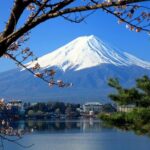
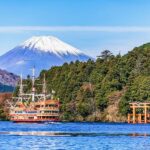
Mt. Fuji Fifth Station from April 26 to November 30
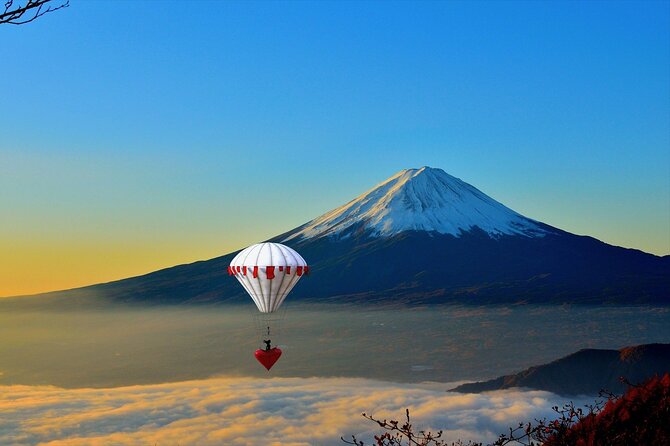
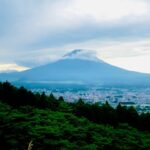
From late April through November, the tour heads to Mt. Fuji’s Fifth Station. This is the highest point on the seasonal route described for the tour, and it lets you experience the mountain without taking on a climb.
You have about one hour for a self-guided visit. Use it for the views, nearby shrines, and a quick look at the mountain setting. The shrines add a useful cultural layer because Mt. Fuji is more than a scenic cone. It has long held spiritual importance in Japan, and the stop gives your guide a natural place to explain that connection.
The Fifth Station is also the more direct choice if your main goal is to get close to Mt. Fuji itself. On a clear day, you may see the slopes rising above you and the wider region stretching below. On a cloudy day, the payoff is much less certain. This is the part of the trip most controlled by weather.
The one-hour limit keeps the day on schedule, but it also means you should move with purpose. Take your photos early, then look for the nearby shrine area rather than spending the whole stop waiting for a perfect view.
Arakurayama Sengen Park from December 1 to April 25
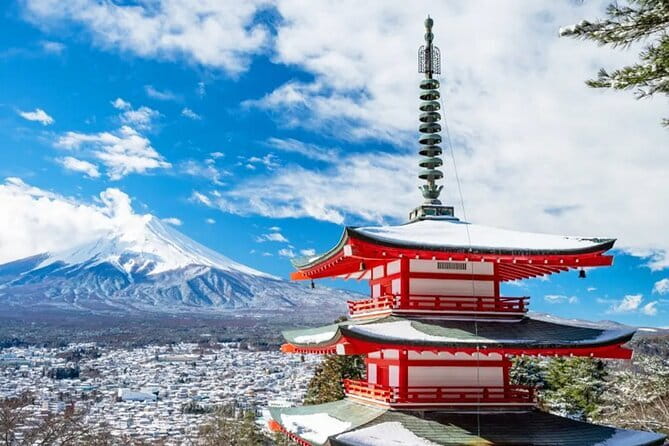
During the colder season, the itinerary changes to Arakurayama Sengen Park. This is the famous viewpoint associated with Chureito Pagoda and broad views toward Mt. Fuji, though the supplied tour details identify the stop as the park observatory and do not promise a particular pagoda access arrangement.
You get about one hour to explore on your own. The park is especially appealing in spring, when cherry blossoms frame the view. The winter and early spring timing can also bring crisp air and a better chance of seeing a sharply defined mountain, but clouds remain possible.
This stop feels different from the Fifth Station. Instead of standing on the mountain, you look toward it from a park with a strong visual link between Japanese architecture, seasonal flowers, and Fuji’s symmetrical shape. If your dream photo is the classic pagoda, blossoms, and mountain view, this seasonal route may be the better match.
You should also understand the tradeoff. Arakurayama Sengen Park involves a stroll and may feel more active than a roadside mountain stop. The hour goes quickly, so comfortable shoes and an early move toward the observatory make sense. The schedule can change for weather, traffic, or capacity, so no single photo angle is guaranteed.
Oshino Hakkai and eight clear spring ponds
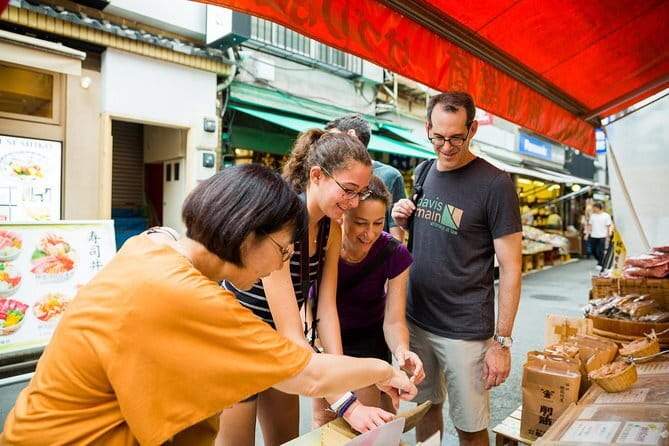
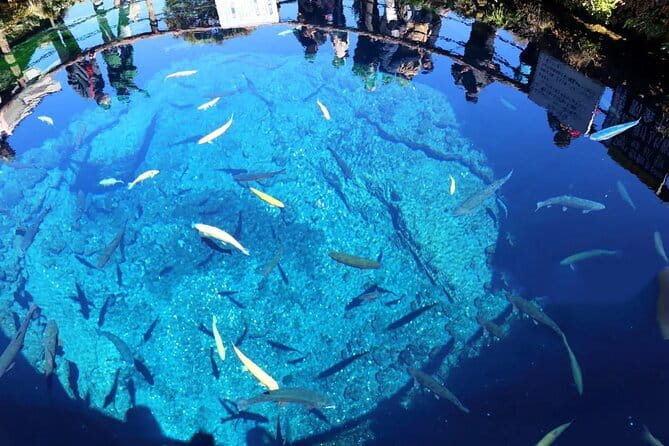
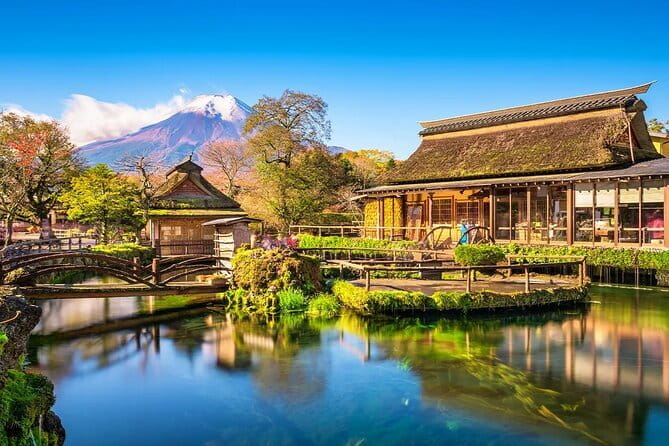
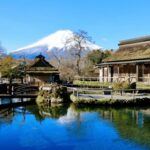
After the mountain viewpoint, the tour visits Oshino Hakkai, a small village known for eight ponds fed by snowmelt from Mt. Fuji. The water is famous for its clarity, and the setting gives you a closer look at the countryside around the mountain.
You have about one hour here. That is enough to stroll among the ponds, enjoy the traditional village feel, and take photos of the water and surrounding views. It is a gentler stop than the mountain viewpoint, with less pressure to find one famous angle.
Oshino Hakkai helps explain why Fuji matters to the area. Snow and rain from the mountain filter through the volcanic ground before emerging as clear springs. You do not need a long geology lesson to appreciate the result: the ponds make the mountain’s presence feel tangible rather than distant.
This is not a long rural escape. The stop is brief, and the village can feel busy at popular times. You may also want to budget for food or small purchases, since meals and drinks are not included. The practical move is to use the hour for a walk first, then buy refreshments if time allows.
Gotemba Premium Outlets and the hot spring choice
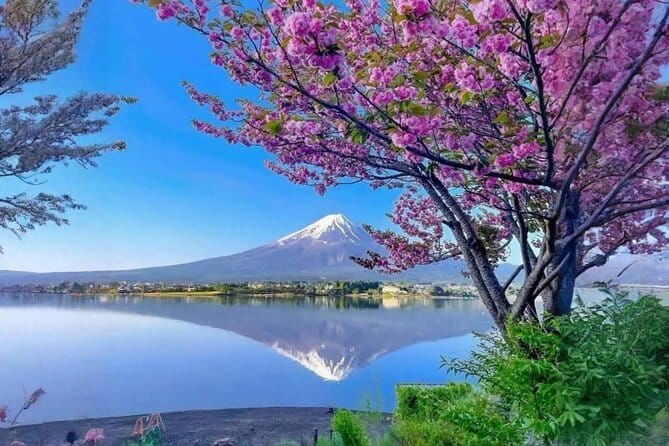
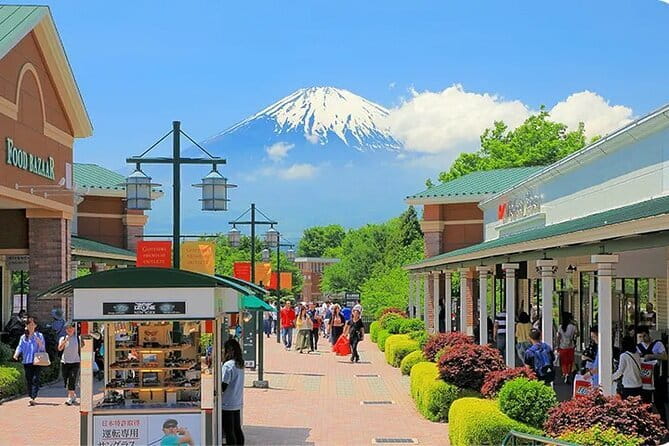
The final major stop gives you about two hours for shopping and relaxation. Gotemba Premium Outlets is one of Japan’s largest outlet shopping destinations, with Mt. Fuji views possible when the weather cooperates.
If you enjoy brand shopping, this is the longest free-time block of the day. You can browse at your own pace instead of following a guide from store to store. The catch is that outlet shopping is only good value if you actually want the products and prices available. Do not assume every item is a bargain, and remember that personal purchases are not part of the tour price.
The tour description also presents a nearby hot spring as an alternative or part of the flexible plan. A soak can be a very welcome finish after a full day of riding and walking. Since the exact balance between outlet time and hot spring time can depend on the schedule, confirm the day’s arrangement before you set your expectations.
There is a specific exception on the outlet’s annual regular holiday, the third Thursday of February. On that day, you can choose between sightseeing at Lake Yamanaka and visiting Lake Yamanaka Onsen. This gives the trip a scenic or bathing-based substitute when shopping is unavailable.
Gotemba is also where traffic and holiday crowds can cause trouble. One experience connected to this tour included concern about holiday traffic and limited time at the outlets. You should treat the two hours as a target, not a guarantee. If shopping is your priority, avoid assuming you will have time for every store and a full meal.
A few more Tokyo tours and experiences worth a look


What the guides add to a large group
The guide is included and may speak English, Chinese, Japanese, or Korean. That language coverage is useful in a mixed group, especially when the day’s schedule changes because of road conditions or weather.
Guide Anna Lau is associated with a warm, flexible style and has been noted for moving among English, Mandarin, and Cantonese. She has also been described as funny and accommodating, with stories and historical details that make the stops more meaningful. Leo is another guide connected with the experience and has been praised alongside the driver for helping the day run well.
You should not book this expecting a private, constant lecture. The stops are largely self-guided, and the group size can reach 48 people. The guide’s real value is keeping everyone informed, managing transitions, and giving context before you explore on your own.
That setup suits people who want freedom at each stop but do not want to manage the route themselves. It is less suitable if you want long, detailed guiding at every shrine, pond, or viewpoint.
Transport, timing, and the real value of $79.50
At $79.50 per person, this tour offers reasonable value for a full day outside Tokyo. You are paying for the long-distance transport, a driver, a multilingual guide, and a route that would take more planning by public transportation.
The duration includes travel time. That point matters. You may spend several hours on the road, especially if traffic is heavy, so the tour is not eight or nine hours of sightseeing. The benefit is that you do not have to change trains, find regional buses, or work out how to connect the Fuji area with Gotemba and Tokyo.
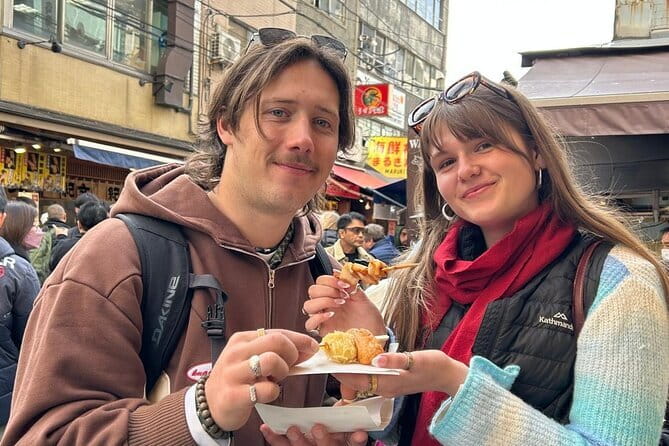
Meals and beverages are not included. You should plan to buy food along the way, but do not count on a long sit-down meal during the sightseeing stops. Personal expenses at Oshino Hakkai, Gotemba, or the hot spring are also extra.
The group limit of 48 keeps the price accessible, but it can make boarding and meeting points slower. Arrive on time. Late arrivals and no-shows are not refunded, and the operator does not accept late changes.
The tour is listed as wheelchair and stroller accessible, and most people can participate. Child seats are not available, so families with young children need to plan around that limitation.
Weather, seasonal planning, and Fuji expectations

Mt. Fuji visibility is the biggest variable. You can follow the route perfectly and still see only clouds. One clear day can transform the entire experience, while poor weather can make the mountain stop feel underwhelming.
For the best chance of a view, check the forecast before you go, but do not treat any prediction as a promise. If Fuji is hidden, focus on the shrines, village ponds, seasonal flowers, outlets, or hot spring option rather than measuring the day only by the mountain photo.
The seasonal split is easy to remember:
- April 26 through November 30: Mt. Fuji Fifth Station
- December 1 through April 25: Arakurayama Sengen Park
The schedule may change because of traffic, weather, or capacity. Some attractions may be skipped. The operator also requires good weather for the experience and may offer a different date or a full refund if poor weather causes cancellation.
Who will enjoy this Fuji tour most
I would recommend this tour to a first-time Tokyo visitor who wants a straightforward Mt. Fuji outing and prefers not to handle regional transport. It also suits couples, families with older children, and shoppers who like having a large outlet stop built into a scenic day.
It is a good choice if you value variety. You get a mountain viewpoint, a village with spring ponds, and a final block for shopping or bathing. The mix keeps the day from resting entirely on Fuji visibility.
You may want another option if you need a slow pace, a small group, or a serious hiking experience. The schedule is compact, the group may be large, and each main stop lasts about one or two hours. The trip gives you a taste of the Fuji region, not an in-depth stay there.
Should you book the Mt. Fuji, Oshino Hakkai, and Gotemba tour?
Book it if you want maximum convenience and several different experiences in one day. The $79.50 price is fair for the distance covered, guided support, and return transport, especially if you would rather not plan the Fuji area yourself.
Choose your date with care. The Fifth Station route is best for being close to the mountain, while the Arakurayama route is better for seasonal park views and cherry blossoms. If shopping does not interest you, check how the hot spring option fits into your departure before booking.
This is a practical introduction to Mt. Fuji, with enough variety to remain worthwhile even when clouds interfere. Just arrive on time, bring money for food and personal expenses, and accept that traffic and weather are part of the deal.
FAQ
How long does the tour last?
The experience lasts approximately 8 to 9 hours, including travel time between Tokyo and the sightseeing stops.
Which Mt. Fuji viewpoint will I visit?
From April 26 through November 30, the tour visits Mt. Fuji’s Fifth Station. From December 1 through April 25 of the following year, it visits Arakurayama Sengen Park.
What is included in the tour price?
The tour includes a multilingual English, Chinese, Japanese, or Korean-speaking guide and transportation with a driver.
Are meals and drinks included?
No. Meals and beverages are not included, so you should budget for food and drinks during the day.
Is the tour wheelchair and stroller accessible?
Yes. The experience is listed as wheelchair and stroller accessible, and most people can participate.
Are child seats available?
No. Child seats are not available on this tour.
Can I choose between Gotemba shopping and a hot spring?
The schedule provides flexible options involving Gotemba Premium Outlets and nearby hot spring relaxation. The exact arrangement can depend on the schedule, traffic, and other conditions.
What happens if bad weather affects the tour?
The experience requires good weather. If it is canceled because of poor weather, you will be offered a different date or a full refund. Weather can also cause changes to the day’s schedule.
Can I cancel for a full refund?
Yes, if you cancel at least 24 hours before the experience start time. Cancellations or changes made less than 24 hours before the start time are not accepted for a refund, and late arrivals or no-shows are not refunded.
More Spa & Hot Springs in Tokyo
More Mt Fuji Day Trips in Tokyo

More tours in Tokyo we've reviewed
Mt Fuji Day Trips, compared.
 ★ 5.0Mt Fuji and Hakone 1-Day Bus Tour Return by Bullet TrainFrom $163
 ★ 4.0Mt Fuji & Hakone Cruise, Drum Show Bullet Train 1 Day from TokyoFrom $149
 ★ 4.4Tokyo Mt Fuji 5th St & Hakone Cruise Bus Tour w/Bullet TrainFrom $15410 hours
 ★ 4.5From Tokyo: Mount Fuji Full-Day Sightseeing TripFrom $6810 hours
 ★ 4.7Tokyo: Mt. Fuji Tour, Hakone Ropeway, Owakudani, Lake AshiFrom $5410 hours
 ★ 4.4Tokyo:Mt.Fuji,Kawaguchiko Oishi Park,Arakurayama Sengen ParkFrom $5410 hours