Reviewed · TEA CEREMONY & MATCHA
Tokyo Sweets Tour: Hidden Gems & Matcha at an Old Tea House
The best part of this Tokyo sweets tour is its mix of modern bakery stops and a quiet cultural finish. You move through Jiyugaoka, a pleasant neighborhood away from Tokyo’s busiest tourist routes, sampling Japanese pancakes, Korean baked goods, Japanese donuts, Hokkaido ice cream, Mont Blanc, and matcha on tatami mats.
In This Article
- Key points at a glance
- Why this sweets tour works
- Starting at Jiyugaoka at 10:30 a.m.
- Japanese pancakes make a sweet opening
- A cozy Korean bakery adds variety
- Japanese-style donuts and fresh bakery flavors
- Hokkaido ice cream brings extra creaminess
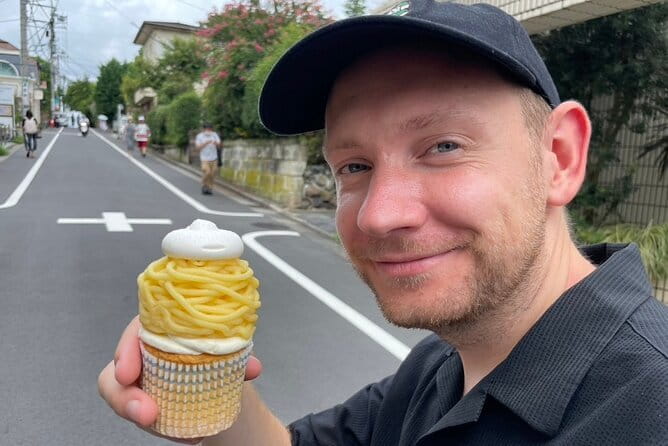
- Mont Blanc shows the Japanese patisserie side
- Matcha in a 100-year-old Japanese building
- What Soren adds to the morning
- Who should book this tour?
- My verdict on the Tokyo sweets tour
- FAQ
- Where does the Tokyo sweets tour begin?
- What time does the tour start?
- How long does the experience last?
- Where does the tour end?
- What foods are included?
- Is matcha included?
- Is food included in the $109 price?
- Who leads the tour?
- How many people can join?
- Can I cancel for a full refund?
- What happens if bad weather cancels the tour?
- Is the meeting point near public transportation?
I like the small group of no more than six, which should make the three-hour outing feel personal rather than rushed. I also like the guide setup: Soren works as a baker, so you get more than a list of ingredients. He can explain how the sweets are made and point out flavors you might otherwise pass by.
The main consideration is simple: this is a dessert-heavy morning, not a broad survey of Japanese food. If you prefer savory dishes, dislike sweet foods, or need a substantial lunch, this may not be the right choice. The tour also requires good weather and starts at 10:30 a.m.
Key points at a glance
- Six sweet stops in about three hours: Sample pancakes, Korean bakery items, Japanese-style donuts, Hokkaido ice cream, Mont Blanc, and matcha.
- A baker as your guide: Soren brings practical pastry knowledge and speaks English well.
- Jiyugaoka setting: Walk through a quieter Tokyo neighborhood filled with cafés, shops, and traditional houses.
- Traditional ending: Sit on tatami mats in a Japanese building more than 100 years old while drinking authentic matcha.
- Good for sweet-tooth visitors: The food is the main event, with a modest cultural element added at the end.
- Small-group format: The maximum group size is six, useful if you want conversation and room for questions.
Why this sweets tour works
Tokyo has no shortage of famous dessert shops. The trouble is knowing where to go, what to order, and how much food you can handle in one morning. This tour solves that problem by connecting several stops in Jiyugaoka and giving you a guide who understands baking from the inside.
I like the balance between familiar and unfamiliar foods. Japanese-style pancakes offer an easy start, but the tour then moves into Asian bakery flavors, local donuts, creamy Hokkaido ice cream, and a Japanese patisserie classic. You are not simply eating the same kind of cake six times.
The final matcha stop changes the pace. After walking and tasting, you sit on tatami in an old Japanese building and take part in a more traditional tea experience. It is a useful contrast to the modern cafés and pastry shops earlier in the morning.
The tour costs $109 and lasts about three hours. That is not a cheap breakfast, but the price covers brunch, snacks, coffee or tea, and an English-speaking guide. You are paying for several tastings, route planning, explanations, and a small group rather than a single meal.
The value depends on your appetite and priorities. If you would visit several bakeries on your own, the food alone may not justify the price. If you want to find places without researching them, understand what you are eating, and finish with a traditional matcha setting, the fee makes more sense.
A few more Tokyo tours and experiences worth a look

Starting at Jiyugaoka at 10:30 a.m.
You meet at the Excelsior Caffé Jiyugaoka-ekimae, located at 2-11-1 Jiyugaoka, Meguro City. The tour begins at 10:30 a.m. and returns to the same meeting point, which keeps the morning easy to plan.
Jiyugaoka is a useful choice for this kind of outing. It is known here as a less touristy part of Tokyo, with quiet streets, independent shops, cafés, and traditional houses alongside newer businesses. That setting gives you a look at everyday neighborhood life rather than the giant signs and crowds found in Tokyo’s best-known shopping districts.
You should allow a little extra time to reach the meeting point. The location is near public transportation, but Tokyo stations and train lines can still take a moment to navigate. The supplied details do not specify a particular rail line or exit, so check the exact meeting instructions before setting out.
The tour is suitable for most people, according to the activity information. Since the route includes walking between food stops, comfortable shoes are sensible. The duration is approximate, so avoid booking a tight appointment immediately afterward.
Japanese pancakes make a sweet opening
The first food is Japanese-style pancakes. These are described as fluffier and sweeter than the standard pancakes many visitors know from home. They set the tone right away: this is a tasting tour built around texture, sweetness, and bakery craft.
Starting with pancakes also gives you an easy introduction to Japanese dessert culture. You do not need special knowledge to enjoy them, and Soren can add context about how Japanese pastry shops adapt familiar foods into something lighter, softer, or more decorative.
The drawback is timing. Pancakes can be filling, and this is only the first of several stops. I suggest pacing yourself from the first bite. You want enough room for the bakery, donut, ice cream, Mont Blanc, and matcha portions still ahead.
The tour description calls this part brunch, so you can treat the opening stop as your morning meal. Still, the exact serving sizes are not provided. Come hungry, but not so hungry that you feel tempted to eat every item quickly.
A cozy Korean bakery adds variety
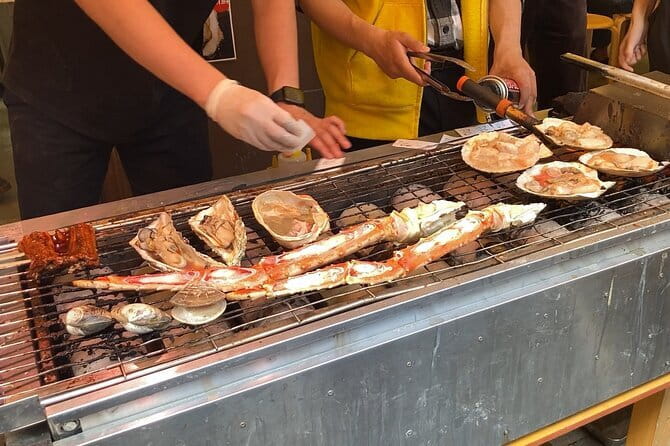
The next stop is a Korean bakery offering a range of Asian treats. This is one of the more interesting choices on the route because it widens the focus beyond strictly Japanese sweets.
Tokyo’s food culture often includes influences from across Asia, and a Korean bakery gives you a taste of that wider regional connection. You can expect a cozy bakery setting and several items rather than one single dessert. The available information does not name the specific pastries or flavors, so Soren’s guidance becomes especially useful here.
This stop may be a highlight if you enjoy trying unusual flavors. One recurring strength of the experience is the chance to taste bakery products and combinations that may not be common in North America. If you come from Canada or the United States, you may find the range of flavors notably different from what you see at home.
You should also keep expectations flexible. Bakery menus change, and the tour does not promise a fixed list of individual items. The broad promise is variety, not a guaranteed pastry by name.
Japanese-style donuts and fresh bakery flavors
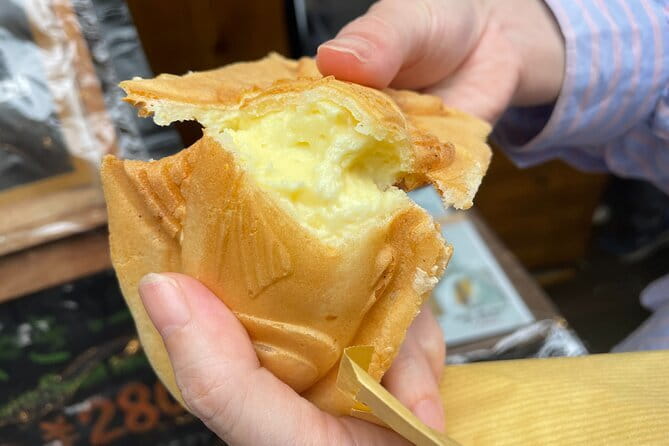
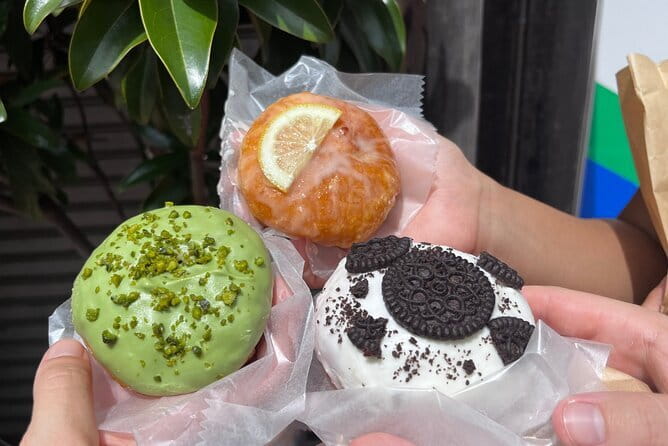
The donut shop is likely to be one of the most popular stops for anyone who enjoys sweets. You get Japanese-style donuts and a broad selection of treats, with fresh baked goods and unusual flavors forming a major part of the experience.
I like this stop because donuts are familiar enough to make the tour comfortable, yet Japanese bakeries often approach them with different fillings, textures, and flavor combinations. The supplied details do not list exact flavors, so you should expect discovery rather than a set menu.
This is also where Soren’s baking background matters. A guide who works as a baker can explain why a donut feels airy, chewy, crisp, or soft, and can help you understand what makes one item different from another. The tour is not presented as a formal baking class, but you get insider observations along the way.
The pastry stops appear to be relaxed rather than rushed. Still, three hours is a short window for several tastings and a neighborhood walk. If you want to linger over every item or take extensive photos, you may need to accept a little less time at each location.
A few more Tokyo tours and experiences worth a look



Hokkaido ice cream brings extra creaminess
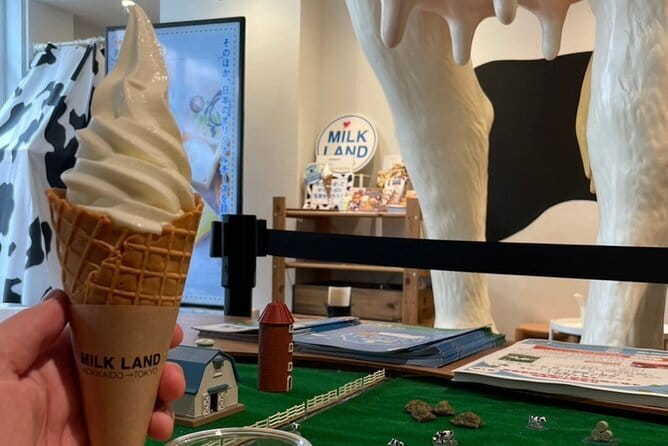
The Hokkaido ice cream stop offers a different texture and temperature from the baked goods. Hokkaido is known for dairy products, and this ice cream is described as especially creamy and sweet because of its Hokkaido milk.
This is a smart midpoint or later stop. Ice cream breaks up the run of baked items and gives your palate something cold and smooth. It also introduces a regional Japanese food product without requiring a long side trip outside Tokyo.
The flavor is expected to be rich and sweet, so this will suit you best if you enjoy full dairy flavors. If you prefer restrained desserts, this could be one of the heavier tastings. The tour does not state the serving size or available flavors, so do not plan around a specific scoop.
You should also remember that weather matters here. The activity requires good weather and can be canceled if conditions are poor. In that situation, you are offered a different date or a full refund.
Mont Blanc shows the Japanese patisserie side
The tour includes Mont Blanc, a Japanese patisserie. In Japan, Mont Blanc is a familiar pastry style, often built around chestnut cream, cake, and a carefully finished presentation. The supplied information identifies it as a Japanese patisserie but does not provide the exact recipe or serving format, so Soren can fill in the details on the day.
This stop adds a more refined pastry note to the route. After pancakes, bread-based treats, donuts, and ice cream, Mont Blanc gives you another way to think about sweetness and texture.
If you are especially interested in Japanese bakery culture, pay attention to this part. The appeal is not only the sugar. It is also the care given to shape, filling, cream, and presentation. You may find this stop more distinctive than a standard Western-style cake shop.
Again, portions and exact products are not listed. That is useful to know before booking because the experience is designed as a tasting route, not a full pastry-shopping expedition.
Matcha in a 100-year-old Japanese building
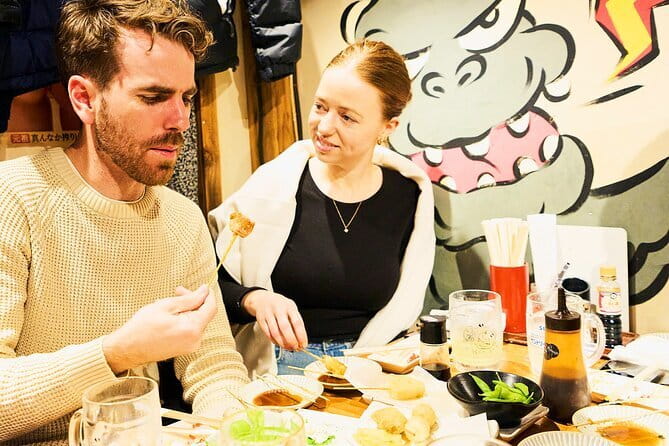
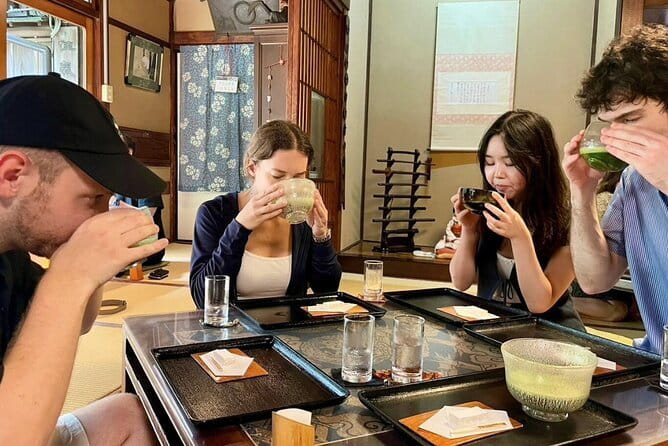
The final stop is the cultural centerpiece. You enter a traditional matcha shop in a Japanese building more than 100 years old, sit on tatami mats, and enjoy authentic matcha.
This ending gives the tour a sense of place that a simple bakery crawl would lack. You have spent the morning exploring a modern neighborhood and eating contemporary sweets. Then you pause in an older setting and take part in a tea custom that feels quieter and more deliberate.
The activity information does not promise a full tea ceremony, so you should not book this expecting a formal performance with every ritual explained. It does promise authentic matcha, tatami seating, and an old building. That is enough to make the finish culturally meaningful without overstating what is offered.
Matcha can taste grassy, bitter, and intense if you are used to sweetened tea. It works well after several sugary stops because it offers contrast. The tour includes coffee and/or tea, but the matcha is the clearly identified tea experience at the end.
What Soren adds to the morning
A food tour can be little more than a sequence of purchases. This one depends heavily on the guide. Soren is described as an English-speaking baker who is entertaining, thoughtful, and well versed in the sweets and bakery products being served.
That combination matters. A guide who knows the food can explain more than where to stand in line. You can ask about ingredients, techniques, flavors, and the difference between a Japanese pastry and something similar from home.
The personal scale helps, too. With no more than six people, it should be easier to ask questions and keep the group together. A small group does not guarantee a private tour, but it usually makes conversation more natural than it would be with a large busload.
The strongest praise for the experience centers on Soren’s attitude and the relaxed feel he creates. That suggests this is a good choice if you want a friendly guide rather than a formal lecture. It may be less suitable if you prefer to explore silently and choose every shop yourself.
Who should book this tour?
I would choose this outing if you have a serious sweet tooth and want to sample many styles in one morning. It also suits solo visitors, couples, and small groups who enjoy talking with a guide and learning how bakery foods are made.
It is particularly useful early in your Tokyo visit if you want ideas for cafés and pastry shops to revisit later. The route can introduce you to places you would not have found through the usual central Tokyo sightseeing circuit.
You may want to skip it if you need dietary information in advance, since the supplied details do not list ingredients, allergy procedures, or dietary substitutions. They also do not give exact portion sizes or a fixed menu. Anyone with strict food restrictions should confirm those points before booking.
The timing suits a morning person. The tour starts at 10:30 a.m., and the food begins soon after. It is less useful for someone seeking a late brunch or an evening dessert outing.
Free cancellation is available if you cancel at least 24 hours before the local start time. Cancellations or changes made within 24 hours are not refunded or accepted. If bad weather cancels the tour, you can choose another date or receive a full refund.
My verdict on the Tokyo sweets tour
Book this tour if you want a warm, personal introduction to Tokyo’s bakery culture, especially if you enjoy trying unfamiliar flavors. The combination of Jiyugaoka streets, six tasting themes, Soren’s baking knowledge, and matcha in a century-old building gives the morning more range than a standard dessert stop.
The $109 price is easiest to justify when you value guidance and several included tastings. It is harder to justify if you would rather buy one or two pastries independently and spend the rest of the morning exploring on your own.
For most sweet-tooth visitors, I would call it a strong choice. Just arrive ready to pace yourself, keep your schedule open after the three-hour estimate, and remember that the experience is built around sweets first, culture second.
FAQ
Where does the Tokyo sweets tour begin?
It begins at Excelsior Caffé Jiyugaoka-ekimae in Jiyugaoka, Meguro City, Tokyo. The listed address is 2-11-1 Jiyugaoka, Kuriyama Building, J Face, floors 1 and 2.
What time does the tour start?
The tour starts at 10:30 a.m.
How long does the experience last?
The experience lasts approximately three hours.
Where does the tour end?
It ends back at the original meeting point.
What foods are included?
The route includes Japanese-style pancakes, Asian treats at a Korean bakery, Japanese-style donuts, Hokkaido ice cream, and a Japanese Mont Blanc patisserie.
Is matcha included?
Yes. The tour ends at a traditional matcha shop where you sit on tatami mats and enjoy authentic matcha.
Is food included in the $109 price?
Brunch, snacks, and coffee and/or tea are included. The listed tour price is $109.
Who leads the tour?
The English-speaking guide is Soren, who also works as a baker.
How many people can join?
The maximum group size is six people.
Can I cancel for a full refund?
Yes, if you cancel at least 24 hours before the experience start time. Cancellations made less than 24 hours in advance are not refunded.
What happens if bad weather cancels the tour?
You are offered a different date or a full refund if the tour is canceled because of poor weather.
Is the meeting point near public transportation?
Yes. The meeting point is listed as being near public transportation.
More Dessert Tours in Tokyo
More Tea Ceremony & Matcha in Tokyo


More tours in Tokyo we've reviewed












Tea Ceremony & Matcha, compared.
 ★ 5.0Matcha Making Class in Tokyo with Authentic Japanese Sweets SetFrom $21
 ★ 5.0Kimono Tea Ceremony at Tokyo, Asakusa MaikoyaFrom $55
 ★ 5.0Tokyo: Traditional Tea Ceremony with a Tea MasterFrom $381 hour
 ★ 4.5Dynamic Tokyo: Tokyo Tower, Tea Experience, Bay Cruise Day TourFrom $99
 ★ 4.9Tokyo: Matcha Making Experience with Mochi Sweets in AsakusaFrom $221 hour
 ★ 4.7Tokyo: Matcha and Kimono ExperienceFrom $57