Reviewed · TEA CEREMONY & MATCHA
Tokyo: Matcha Tasting and Making Experience
The best part of this Asakusa experience is the chance to taste matcha side by side, rather than treating every green powder as the same drink. You compare small servings from five Japanese production areas, then use a bamboo whisk to make the one you like best. I especially like the direct link to farming: your instructor, Chisei, spent six years growing tea in Kyoto.
In This Article
- Key points at a glance
- Why a matcha comparison is worth your Tokyo time
- Meeting Chisei at Henn na Hotel
- The welcome drink and matcha basics
- Eight small servings from five Japanese regions
- Choosing a favorite and making ousucha
- Matcha latte, hojicha latte, and sweets
- Is $63 a good value?
- Who should book this class?
- A practical way to fit it into Asakusa
- Should you book the Tokyo matcha tasting?
- FAQ
- Where does the matcha tasting take place?
- How long does the experience last?
- How many matcha samples will I taste?
- Is the class taught in English?
- Who leads the matcha class?
- What drinks and food are included?
I also like the small group limit of five, which gives the class a personal feel, and the practical finish. You do not just watch a demonstration. You whisk your own ousucha, then learn a method you can repeat at home. The matcha latte, hojicha latte, and sweets make the lesson easy to enjoy even if straight tea tastes sharp to you.
The main consideration is the price, $63 per person for 90 minutes. That is fair for a specialized English class with several tastings, but it is more than you would pay for a single cup in Tokyo. Also, the detailed schedule describes eight tasting samples, while the experience is promoted with ten matcha types, so confirm the current sample count if that detail matters to you.
Key points at a glance

- Five tea-growing areas: Compare matcha from representative production regions across Japan in one sitting.
- A former tea farmer leads the class: Chisei brings six years of Kyoto growing experience to the discussion.
- Eight small samples in the detailed tasting: Six are ceremonial grade, while two are sold as matcha but are not technically defined as matcha.
- You whisk your own tea: Choose a favorite and prepare ousucha with a bamboo tea whisk.
- The finish is milk-friendly: Try an original matcha blend in a latte, plus hojicha latte and matcha sweets.
- Easy Asakusa meeting point: Enter Henn na Hotel Asakusa Tawaramachi, pass the FamilyMart on the first floor, and go to the second floor.
Why a matcha comparison is worth your Tokyo time

Many first-time visitors meet matcha as a sweet café drink. This class gives you a better reference point. You taste several teas before milk, sugar, or dessert changes the flavor, so you can notice how much matcha can vary in color, fragrance, bitterness, and finish.
The format is useful because the portions are small. You are not asked to drink eight full bowls of strong tea, which would turn an educational lesson into a caffeine endurance test. Instead, you taste enough of each sample to compare them without making the rest of your day uncertain.
The teas come from five production areas in Japan. The exact farms and names are not provided in the activity details, but the regional comparison is the point. Tea-growing conditions and production methods affect the final powder, and the class explains those differences in plain English.
I like this approach more than a long lecture about tea equipment. You learn by looking at the powder, smelling the tea, tasting it, and then discussing what you noticed. That makes the subject easier to remember when you later see matcha on a café menu.
A few more Tokyo tours and experiences worth a look

Meeting Chisei at Henn na Hotel
The class takes place at the café inside Henn na Hotel Asakusa Tawaramachi in Tokyo’s Asakusa area. The meeting instructions are simple but worth following closely: there is a FamilyMart on the first floor, and you should enter the hotel and go to the second floor.
Transportation is not included, so you need to make your own way there. The location is useful if you are already visiting Asakusa, though the supplied details do not give a station exit, walking time, or route information. Allow enough time to find the hotel and café, especially if this is your first visit to the area.
The group is limited to five participants. That matters here. A tea class depends on seeing the instructor’s hand movements and having room to ask questions, and a small class makes that much easier than a large demonstration.
The instruction is in English. Chisei is identified as a former tea farmer who grew tea in Kyoto for six years. That practical background is one of the strongest reasons to choose this class. You are not only hearing broad statements about Japanese tea. You can ask about cultivation, production, and the path from tea plant to powdered drink.
The strongest praise attached to this experience focuses on Chisei’s detailed explanations, practical skill, and friendly way of teaching. Those qualities matter more than fancy surroundings in a lesson like this. A good guide can help you understand why two green teas taste different. A poor one simply tells you that one is better.
The welcome drink and matcha basics

The class begins with a welcome drink. While you sip, Chisei explains the history of matcha, its definition, and the production methods behind the tea you will taste.
This opening gives the tasting some needed context. Matcha is not simply any green tea ground into powder, and the class points out that distinction directly. Two of the samples are sold around the world as matcha but are not technically defined as matcha. That is a useful detail for anyone who has wondered why some products labeled matcha taste very different from others.
You also learn about cultivation. The provided information does not list every farming technique or processing step, so you should not expect a full agricultural course. Instead, this part prepares you to understand the samples that follow.
The welcome drink also gives the session a gentle start. You do not walk in and immediately face a row of unfamiliar teas. First, you get the basic vocabulary and a sense of what to look for.
Eight small servings from five Japanese regions

The tasting is the heart of the 90-minute session. The detailed sequence describes eight types from five tea-producing areas. Six are ceremonial grade, and two are products commonly sold as matcha even though they are not technically matcha.
You first look at the color. Then each tea is prepared and served so you can consider its fragrance and taste. This order is helpful because it encourages you to pay attention before the cup reaches your lips. The color may suggest freshness or intensity, but it does not tell the whole story. The aroma and flavor give you more useful information.
Do not worry about having a trained palate. You are not expected to identify every note or judge the tea like a competition specialist. The value comes from comparison. A tea that seems bitter on its own may taste smooth beside another. A vivid green sample may have a different fragrance from a paler one. Tasting several cups in sequence gives you a point of reference.
The mention of ceremonial grade also helps explain the market. That term is widely used in international matcha sales, but quality labels can be applied loosely. This class gives you a chance to ask what the products actually are, instead of relying only on packaging.
There is one small point to clarify before booking. The headline information refers to ten different matcha types, while the step-by-step description says eight samples are served. The detailed breakdown is more specific, so I would plan on eight tasting portions and ask the provider if receiving all ten is important to you.
Choosing a favorite and making ousucha
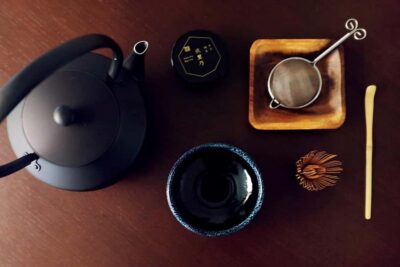
After the comparison, you select the matcha you prefer. You then prepare your own tea with a bamboo whisk, making ousucha, the thinner style of matcha commonly associated with everyday preparation.
This is where the class becomes practical. It is easy to admire a tea ceremony and then forget the details once you leave. Here, you handle the whisk and make the drink yourself. The lesson is designed so you can repeat the process at home.
A bamboo whisk is simple in appearance but takes a little care. Your instructor demonstrates how to use it, and the small group format should make it easier to see the motion. The activity does not promise a formal tea ceremony, so book it for hands-on learning rather than traditional ceremonial pageantry.
Choosing your preferred tea first makes the making session more meaningful. You are not preparing a random sample. You already know which one appealed to you, even if your choice was based on nothing more scientific than aroma or a pleasant finish.
For me, this is the most useful part of the experience. A tasting can be enjoyable for an hour and then vanish into your holiday memories. A basic whisking lesson gives you something to take home, along with a better idea of which matcha you actually like.


Matcha latte, hojicha latte, and sweets

The final food and drink portion softens the intensity of the straight matcha tasting. You receive a matcha latte and matcha sweets, and you can also drink a hojicha latte.
The café uses an original matcha blend made to work well with milk. That is a smart finish because straight matcha can be grassy, bitter, or intense for some palates. The latte lets you see how the powder behaves in a more familiar drink.
Hojicha provides a useful contrast. It is roasted tea, so its character differs from the fresh green profile of matcha. The activity does not provide a full hojicha lesson, but tasting the latte gives you another Japanese tea flavor to compare.
The sweets add a pleasant final note, though the exact sweets are not specified. Do not book this as a full meal. Think of them as small accompaniments that round out the class.
I appreciate that the session does not force you to choose between serious tasting and easy enjoyment. You get the focused comparison first, then a latte and sweets at the end. That makes the experience suitable for someone who wants to learn but does not usually drink strong tea plain.
Is $63 a good value?
At $63 per person, this is not a cheap beverage stop. You can find matcha drinks for much less in Tokyo. The price makes sense only if you want the instruction, the regional comparison, the hands-on preparation, and the small group setting.
The value is strongest for three types of people. First, it suits anyone who already likes matcha and wants to understand differences in origin and grade. Second, it works well for a curious first-timer who wants a guided introduction instead of guessing from a café menu. Third, it is a good choice for someone who enjoys food classes and wants an activity with a skill to take home.
The class is less useful if you only want a sweet matcha drink or a quick photo opportunity. Ninety minutes is a long time to spend on tea if you are not interested in learning how it is grown and prepared.
The small group limit of five improves the value. You are paying for access to an instructor, not just a tray of samples. The instructor’s farming experience is another reason the cost feels more reasonable than a simple tasting flight.
You also have some booking flexibility. You can reserve now and pay later, and cancellation is free up to 24 hours in advance for a full refund. Those terms are useful when planning a busy Tokyo schedule, though you should still check the available start times before committing.
Who should book this class?

I would recommend it to matcha fans, food-minded visitors, and curious beginners. The English instruction, short duration, and small group size make it easy to fit into a Tokyo itinerary.
It also suits couples and small groups who want a quieter activity after sightseeing. One supplied account describes Chisei as having broad practical skill and a charming teaching manner, which fits the class’s personal format. You should expect discussion and demonstration, not a rushed tasting line.
Families with older children may find it interesting, but the provided information does not give an age policy, so check before booking. The same applies to dietary restrictions, seating, and accessibility. Those details are not specified.
Commercial visitors should contact the provider before reserving. The class is intended for general participants learning about Japanese tea, and commercial inquiries are specifically discouraged during the session.
A practical way to fit it into Asakusa

The activity lasts 90 minutes, and starting times vary with availability. You can schedule it as a focused stop during an Asakusa day, but leave time around it since transportation to the café is not included and the exact meeting route is not provided.
Arrive ready to taste several strong green teas in a short period. A full meal immediately before the class may make the tasting less comfortable, while arriving thirsty is not ideal either. The experience includes a welcome drink and later latte and sweets, but it is not a substitute for lunch.
The café is inside a hotel, so look for the FamilyMart at street level rather than expecting a separate tea-shop entrance. Once inside, go to the second floor. That simple detail can save you a few minutes of wandering.
If you want to buy matcha afterward, use the tasting to note what you prefer. You may find that you like a smooth ceremonial sample for drinking plain but prefer the original blend for a latte. That distinction is one of the practical benefits of trying both styles during the same visit.
Should you book the Tokyo matcha tasting?
Book this class if you want more than a matcha drink. The strongest reasons are the five-region comparison, Chisei’s six years of tea-farming experience in Kyoto, and the chance to whisk your own ousucha.
Skip it if your main goal is a low-cost café treat or a formal tea ceremony. At $63, the value depends on your interest in learning. For the right visitor, this is a compact, friendly way to understand what is in the cup and leave with a technique you can use at home.
FAQ
Where does the matcha tasting take place?
It takes place at the café inside Henn na Hotel Asakusa Tawaramachi. Enter through the hotel, find the FamilyMart on the first floor, and go to the second floor.
How long does the experience last?
The class lasts 90 minutes. Starting times depend on availability.
How many matcha samples will I taste?
The detailed activity schedule says that eight types are served from five tea-producing areas. Six are ceremonial grade, and two are sold as matcha but are not technically defined as matcha. The summary also refers to ten types, so confirm the current number with the provider if needed.
Is the class taught in English?
Yes. The instructor language is English.
Who leads the matcha class?
The instructor is Chisei, a former tea farmer who grew tea in Kyoto for six years.
What drinks and food are included?
The experience includes a welcome drink, matcha tasting, a matcha-making session, a matcha latte, matcha sweets, and the opportunity to drink a hojicha latte. Transportation to the location is not included.
More Tea Ceremony & Matcha in Tokyo

More tours in Tokyo we've reviewed



Tea Ceremony & Matcha, compared.
 ★ 5.0Matcha Making Class in Tokyo with Authentic Japanese Sweets SetFrom $21
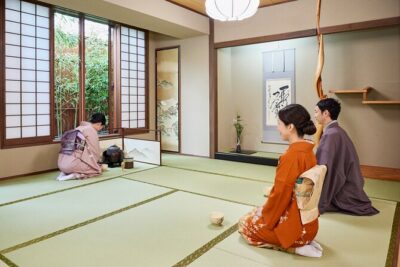 ★ 5.0Kimono Tea Ceremony at Tokyo, Asakusa MaikoyaFrom $55
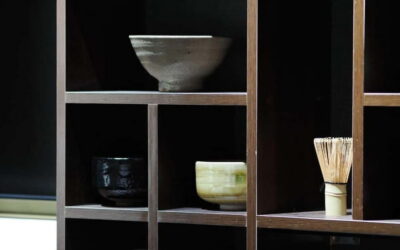 ★ 5.0Tokyo: Traditional Tea Ceremony with a Tea MasterFrom $381 hour
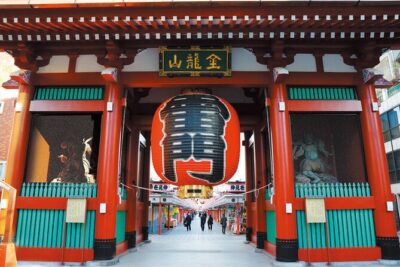 ★ 4.5Dynamic Tokyo: Tokyo Tower, Tea Experience, Bay Cruise Day TourFrom $99
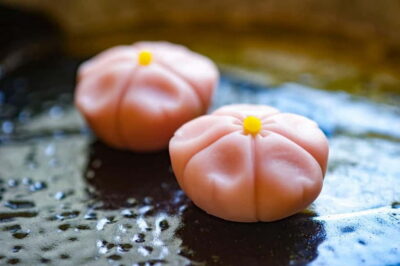 ★ 4.9Tokyo: Matcha Making Experience with Mochi Sweets in AsakusaFrom $221 hour
 ★ 4.7Tokyo: Matcha and Kimono ExperienceFrom $57