Reviewed · MT FUJI DAY TRIPS
From Tokyo: Top 5 Scenic Spots of Mount Fuji Full-Day Tour
Mount Fuji is the star, but this tour is really a full day of changing views. You move from a pagoda and shrine to a small mountain town, clear spring ponds, Lake Kawaguchi, and a convenience store made famous by photographers. It is an efficient way to see Fuji from several angles without working out the trains and buses yourself.
In This Article
- Key points at a glance
- Why this Tokyo to Fuji day works
- Arakurayama Sengen Park and the pagoda view
- Hikawa Clock Shop and the stairway town
- Oshino Hakkai and the spring ponds
- Lake Kawaguchi and seasonal flowers
- The Lawson Fujikawaguchiko photo stop
- Guides, languages, and the large bus
- Weather, crowds, and what to pack
- Who should book this $56.14 tour
- Should you book it?
- FAQ
- How long does the Mount Fuji tour last?
- Where can I meet the tour?
- How early should I arrive?
- How many Mount Fuji viewpoints are included?
- Is Mount Fuji guaranteed to be visible?
- Is lunch included?
- Is the Lake Kawaguchi Cherry Blossom Festival ticket included?
- What transportation is provided?
- How large is the group?
- Can I cancel for a full refund?
I like the five distinct photo stops and the fact that the bus handles a long day from Tokyo. I also like the friendly personal touch some guides bring. Luna has helped visitors with photos, trivia, and timing, while James and Seki have earned praise for clear help on a busy day.
The main caution is time. With up to 45 people, crowded attractions, and a long return drive, some stops can feel rushed. Mount Fuji may also hide behind clouds, so this is a good sightseeing day, but not a guaranteed Fuji photograph.
Key points at a glance

- Five Fuji viewpoints in one day: See the mountain from a pagoda, a clock-shop street, spring ponds, Lake Kawaguchi, and a Lawson store.
- Round-trip bus from Tokyo: Transport saves you from piecing together several regional trains and local buses.
- Strong guide service can make the day: Luna, James, Seki, Christy, and Sawaki are praised for photos, explanations, games, and organization.
- Weather controls the headline view: Fuji visibility is never promised, even when the surrounding scenery is beautiful.
- Lunch requires a plan: Food is not included, and you can bring your own, buy food along the way, or follow a guide’s suggestion.
- Peak dates change the mood: Cherry blossom season and holidays can mean crowds, shorter visits, and a return after 9 p.m.
Why this Tokyo to Fuji day works
At $56.14 per person, this is priced as a practical sightseeing excursion rather than a private tour. The value comes from the transport and the number of places covered. You get an air-conditioned vehicle, a driver, a multilingual guide, and pickup and drop-off at two designated Tokyo meeting points.
That price is especially useful if you want to visit the Fuji Five Lakes area but do not want to research connections. The journey from Tokyo takes time, and the attractions are spread out. A bus day removes much of the navigation work, though you trade away flexibility and quiet time at each stop.
The tour runs about 11 hours. Meet at Tokyo Station Marunouchi Front Square at 8 a.m., or at the Shinjuku LOVE sculpture at 8:40 a.m. The exact meeting instructions arrive by email the evening before, along with the guide and driver contact details. Arrive 15 minutes early. The bus will not wait for late arrivals, and there is no refund for a missed departure.
Look for a yellow flag marked with the Gogoday logo. At the meeting point, give the guide the name used for the booking. Morning organization can be difficult when several groups gather in the same area, so this is one time when arriving early matters more than usual.
A few more Tokyo tours and experiences worth a look
Arakurayama Sengen Park and the pagoda view

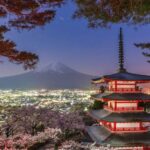
The first major photo stop is Arakurayama Sengen Park, one of the classic Fuji views. The composition is familiar for a reason: a red pagoda, wooded slopes, and Mount Fuji rising behind it when the weather cooperates.
You have about an hour here, including the walk and the climb toward the viewpoint. The steps can be crowded, especially during cherry blossom season. If the path is packed, you may need to choose between reaching the upper view, taking photographs, and spending time around the shrine area.
This stop rewards an early start, but the group schedule limits how long you can wait for a clear opening. Wear shoes suitable for stairs and walking. The park is free to enter, but the physical effort and crowds make this less of a quick roadside photo stop than the schedule might suggest.
If Fuji is covered, the pagoda and seasonal trees still give you something to photograph. On clear days, this is likely to be the image you hoped to bring home. On crowded days, it can also be the point where you first feel the pressure of a large group schedule.
Hikawa Clock Shop and the stairway town
The Hikawa Clock Shop stop lasts about 20 minutes. It is a short visit, but it offers a different kind of Fuji photograph. Here, the mountain appears beyond a traditional-looking street and a long staircase, giving you a Japanese town scene rather than a wide open viewpoint.
This is a good contrast with Arakurayama. Instead of framing Fuji with a pagoda, you work with shopfronts, utility lines, steps, and the slope of the street. Photographers will have fun here, though the short time means you should know what you want before stepping off the bus.
Take care around the road and local streets. The appeal is the ordinary setting, not a large attraction with a formal viewing platform. If you prefer temples, gardens, or longer walks, this stop may feel brief. If you want several different Fuji compositions in one day, it earns its place.
Oshino Hakkai and the spring ponds

Oshino Hakkai is the longest stop, with about 90 minutes. The village is known for eight clear springs formed from snowmelt associated with Mount Fuji. The ponds, water channels, small bridges, and traditional-style buildings give this part of the day a quieter feel than the city streets.
You receive one complimentary grass cake, and you can use the free time to look around, take photographs, and find food. Bring some cash, since the tour specifically recommends it and small local purchases may be easier with cash than a card.
This is also one of the stops where the schedule matters most. Lines for restrooms can be long, and crowded paths may slow you down. One hour and 30 minutes sounds generous, but it disappears quickly if you want to see the ponds, eat, shop, and take photographs.
Some visitors would prefer to spend more time here instead of stopping at Lawson later. I understand that view. Oshino Hakkai offers water, village details, and a stronger sense of place, while the Lawson stop is mainly about one popular photograph. Still, the two stops serve different purposes, and the contrast helps break up the day.
Lunch is not included. You may bring food, buy something along the route, or visit a restaurant suggested by the guide. An optional buffet has received mixed reactions, so I would not assume it is the best use of your money. Keep your food plan flexible, especially if you have dietary needs, because one meal stop may have limited choices and no nearby alternatives.
Lake Kawaguchi and seasonal flowers

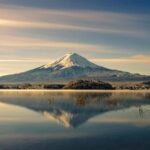
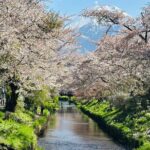
The Lake Kawaguchi stop lasts about 50 minutes and usually takes place at Oshi Park outside the seasonal festival period. The park changes with the time of year. Lavender, broom grass, crabapple blossoms, and cosmos can all add color around the lake at different times.
This is often the most relaxed photo stop because you have open views and several angles to try. The lake gives Fuji a broad setting, and the water can make the mountain feel more distant and grand than it does from the town streets.
Do not treat the seasonal references as fixed dates. Flower timing changes from year to year. During the Lake Kawaguchi Cherry Blossom Festival, an admission charge of $9 per person may apply, and that fee is not included.
Fifty minutes is enough for photographs and a short walk, but not for a long lakeside visit. If Fuji appears only briefly between clouds, you will need to act quickly. Keep your camera ready before leaving the bus, and listen carefully for the meeting time.
A few more Tokyo tours and experiences worth a look

The Lawson Fujikawaguchiko photo stop

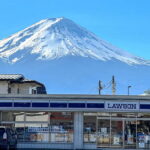
The final attraction is a Lawson convenience store in Fujikawaguchiko, with about 20 minutes to take the well-known Fuji-and-store photograph. It is an odd but very modern travel image: a familiar Japanese convenience store in the foreground, with the country’s most famous mountain behind it.
The stop is easy to understand and easy to photograph. You do not need a long visit, which is why some people would cut it to give extra time at Oshino Hakkai or Arakurayama. Others enjoy the contrast and want the social-media-famous image.
Be respectful around the store and nearby road. This is an active local setting, not a purpose-built tourist platform. Your guide may help you find the best angle, but the short stop and crowd level can limit how many compositions you manage.
Guides, languages, and the large bus

The guide can shape this experience more than any single viewpoint. Some guides bring real energy to the long drives. Luna has been praised for keeping a mixed English and Chinese group on time, contacting people the evening before, taking photos, and adding trivia or origami during the ride. James has helped with photographs and directions, while Seki has been noted for clear English and attentive care.
Sawaki has also been praised for speaking English, Japanese, and Mandarin, using games to make the long ride more enjoyable, and helping with a misplaced cap. Christy has been described as friendly and informative, even on cloudy days.
That does not mean every departure will feel the same. Guide language ability can vary, and a mixed-language bus may divide explanation time between English and Mandarin. Some English-speaking passengers have found the English commentary too limited or hard to follow. Ask early if you need a repeated meeting time or a clear explanation of the next stop.
The group may contain around 45 people. That keeps the price down, but it creates practical friction. You need to remember where the bus is parked, return promptly, and stay alert when moving through crowded sites. The tour guide may hold a flag, but finding the correct bus can still take a few minutes.
The air-conditioned bus is a major convenience on a day with long road sections. Weekend and holiday traffic can delay the return beyond 9 p.m. Attractions may then be shortened, adjusted, or canceled. Do not book a train, dinner reservation, airport transfer, or evening show that depends on a precise arrival time.
Weather, crowds, and what to pack

The tour cannot guarantee a view of Mount Fuji. Cloud cover can hide the mountain at every stop, or it can lift later in the day. Some people have seen only brief glimpses, while others have enjoyed clear views from the lake and the pagoda.
That uncertainty is not a flaw in the operator, but it should guide your expectations. You are booking access to the Fuji area and several scenic places, not a guaranteed mountain portrait. Snow, flowers, springs, village streets, and lake views can still make a worthwhile day when Fuji disappears.
Crowds are another real factor. Cherry blossom season, weekends, and Japanese holidays can fill the main attractions. Restroom lines may be long, and the pagoda steps can become slow. Try to use facilities when you find a reasonable chance, and do not leave your return to the bus until the last minute.
Bring:
- Comfortable shoes for stairs and uneven walking
- Cash for snacks and small purchases
- Food if you prefer not to use the optional lunch arrangement
- Layers for changing conditions around the lake and mountain
- A charged phone or camera
- A note of the meeting time and bus location
Who should book this $56.14 tour
I would choose this tour if you want a first Fuji day from Tokyo and care more about variety than lingering at one place. Photographers will appreciate the five compositions, while first-time visitors benefit from having transport and a guide handle the regional logistics.
It also suits families and friends who want a simple day outside the city. Most people can participate, and the mix of short stops keeps the day moving. Guides who take photographs can be especially helpful if your group wants pictures without asking strangers.
I would hesitate if you dislike fixed schedules, large groups, or long bus rides. You may also prefer another plan if your main goal is a slow visit to Oshino Hakkai, a long lakeside walk, or a guaranteed amount of time at the pagoda. The tour gives you breadth, not much freedom.
At $56.14, the package is good value for five stops and round-trip transport. Add possible food costs and the $9 cherry blossom festival ticket when applicable. The value drops if you miss the bus, dislike the optional meal arrangement, or expect detailed commentary in English throughout the day.
Should you book it?
Book this tour if you want a practical introduction to the Mount Fuji area, several famous photo angles, and a guide-led day without handling the connections yourself. Go in with weather-proof expectations and accept that the popular sites may feel crowded.
Skip it if you need a quiet, unhurried day or must return to Tokyo at a set time. If you do book, arrive early, bring food and cash, keep your camera ready, and treat a clear view of Fuji as a gift rather than a promise.
FAQ
How long does the Mount Fuji tour last?
The tour lasts approximately 11 hours.
Where can I meet the tour?
You can meet at Tokyo Station Marunouchi Front Square at 8 a.m. or at the Shinjuku LOVE sculpture at 8:40 a.m.
How early should I arrive?
Arrive 15 minutes before your scheduled departure. The bus will not wait for late arrivals, and missed departures are not refundable.
How many Mount Fuji viewpoints are included?
The tour visits five main photo locations: Arakurayama Sengen Park, Hikawa Clock Shop, Oshino Hakkai, Lake Kawaguchi, and the Lawson store in Fujikawaguchiko.
Is Mount Fuji guaranteed to be visible?
No. Visibility depends on weather, and the tour does not guarantee a view of the mountain.
Is lunch included?
No. You may bring food, buy something along the route, or visit a restaurant recommended by the guide.
Is the Lake Kawaguchi Cherry Blossom Festival ticket included?
No. When the festival applies, the ticket costs $9 per person.
What transportation is provided?
The tour includes air-conditioned transportation, a driver, and pickup and drop-off at two designated meeting points.
How large is the group?
The tour can have a maximum of 45 people.
Can I cancel for a full refund?
Yes, you can cancel at least 24 hours before the experience starts for a full refund. Cancellations or changes made less than 24 hours before the start time are not accepted.
More Full-Day in Tokyo
More Mt Fuji Day Trips in Tokyo
More tours in Tokyo we've reviewed












Mt Fuji Day Trips, compared.
 ★ 5.0Mt Fuji and Hakone 1-Day Bus Tour Return by Bullet TrainFrom $163
 ★ 4.0Mt Fuji & Hakone Cruise, Drum Show Bullet Train 1 Day from TokyoFrom $149
 ★ 4.4Tokyo Mt Fuji 5th St & Hakone Cruise Bus Tour w/Bullet TrainFrom $15410 hours
 ★ 4.5From Tokyo: Mount Fuji Full-Day Sightseeing TripFrom $6810 hours
 ★ 4.7Tokyo: Mt. Fuji Tour, Hakone Ropeway, Owakudani, Lake AshiFrom $5410 hours
 ★ 4.4Tokyo:Mt.Fuji,Kawaguchiko Oishi Park,Arakurayama Sengen ParkFrom $5410 hours