Reviewed · TOKYO
Experience Crafting a Flower-Adorned Mini Japanese Garden
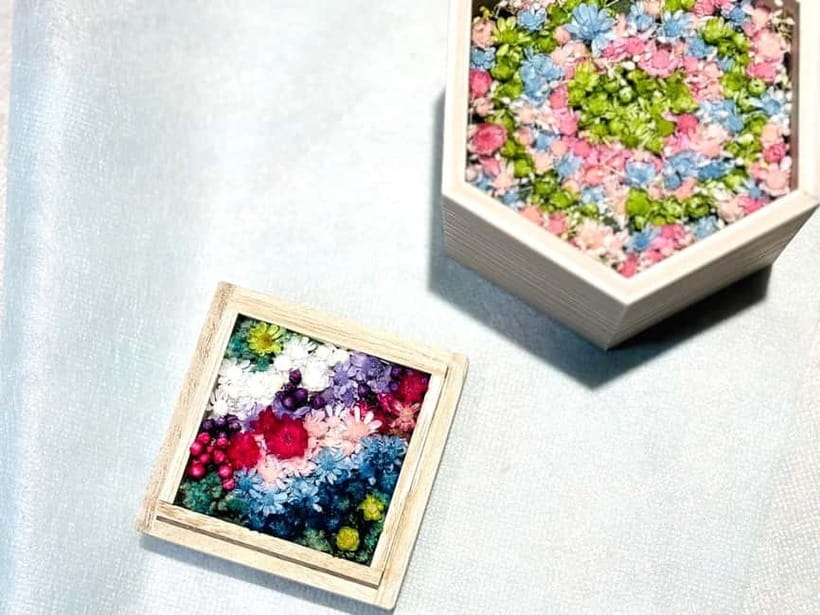
A tiny Japanese garden takes shape inside a box, one preserved flower at a time. This 90-minute craft session at a spacious Shinjuku cafe gives you a quiet break from the city while you arrange colorful blooms into a miniature diorama. The instructor explains the materials and offers ideas, so first-time crafters can join without worry.
In This Article
- Key points to know before booking
- Making a Japanese garden small enough for a tabletop
- Arriving at Sumika in Shinjuku
- The first part: materials, ideas, and simple instructions
- Arranging preserved and dried flowers inside the box
- Why the 90-minute pace works
- The cafe setting and included drink
- What the finished souvenir is really worth
- A friendly activity for families, friends, and beginners
- What the strong ratings tell you about the experience
- Timing, cancellation, and practical planning
- Should you book the mini Japanese garden experience?
- FAQ
- How long does the mini Japanese garden activity last?
- Where is the meeting point?
- How do I reach Sumika by subway?
- Is the activity conducted in English?
- What is included in the $45 price?
- Are meals or extra drinks included?
- Can I cancel for a refund?
I like the one-of-a-kind souvenir, since you choose the flowers and arrangement yourself. I also like the relaxed cafe setting and the included soft drink, which make this feel like more than a quick make-and-take project. The main consideration is price: at $45 per person, it is best for visitors who value a guided creative activity, not those looking for the cheapest souvenir.
Key points to know before booking
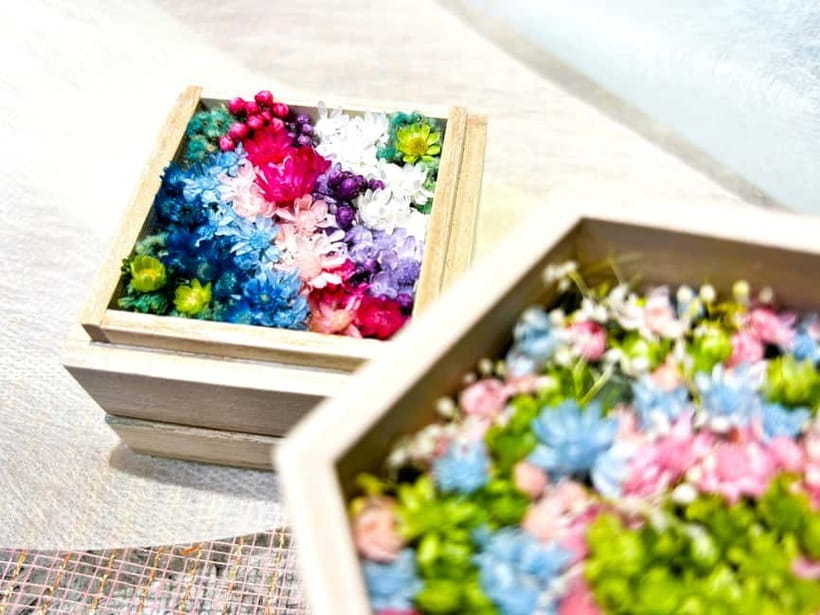
- A miniature Japanese garden in a box: Arrange preserved and dried flowers into a small diorama-style display.
- An English-speaking instructor: You receive an explanation of the materials and clear guidance before starting.
- A calm 90-minute cafe activity: There is enough time to work at your own pace rather than rush.
- A small-group setting: The group is limited to 10 participants, which keeps the activity personal.
- A soft drink is included: Lunch, dinner, bottled drinks, and other food or drink cost extra.
- A handy Shinjuku location: Sumika is a one-minute walk from Tokyo Metro Shinjuku Sanchome Station, Exit E3.
Making a Japanese garden small enough for a tabletop
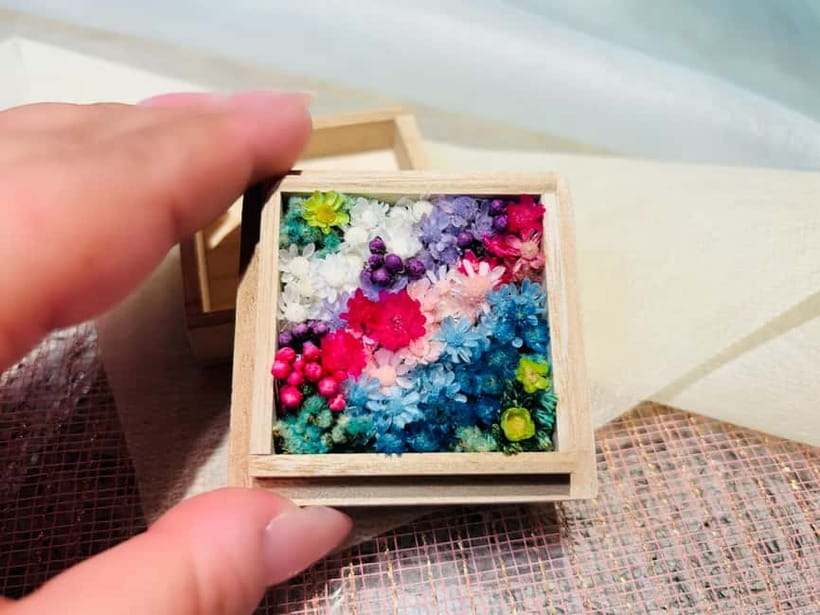
This experience turns the idea of a Japanese garden into something you can hold in your hands. Instead of walking through a full-size garden, you create a small arrangement inside a box, using preserved flowers and dried flowers as the plants, color, and texture.
That scale is part of the charm. You can think about balance, spacing, and color without needing artistic training. The finished piece is intended to look like a miniature garden diorama, so it works as a display at home rather than disappearing into a drawer after your holiday.
Your arrangement is also personal. The materials may be shared among the available options, but your choice of flowers and placement gives the finished garden its own look. Two people attending the same session can leave with very different boxes.
The activity suits visitors who want a souvenir tied to their own hands and decisions. A magnet or mass-produced trinket records where you went. This flower garden records what you made.
If you're still narrowing it down, here are other tours in Tokyo we've reviewed.



Arriving at Sumika in Shinjuku
Sumika is on the fourth floor of a building whose first floor is a pachinko parlor. That detail matters because the meeting point may not look like a traditional cafe or craft studio from the street.
Look for the outside elevator near the pachinko parlor entrance, then go to the fourth floor. The location is only a one-minute walk from Tokyo Metro Shinjuku Sanchome Station, Exit E3, which makes this a practical choice if you are already exploring central Shinjuku.
The supplied Google Plus Code is MPR4+J9 Shinjuku City, Tokyo. I would keep that information handy, especially if you are using a map app and the building entrance is not immediately clear.
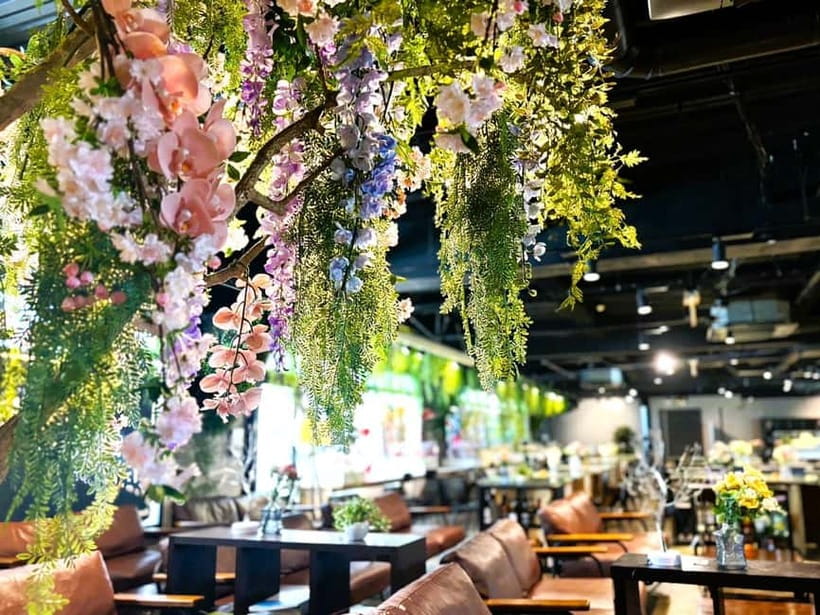
Once upstairs, the activity takes place at Sumika, a spacious cafe. That setting helps set the right mood. You are not standing at a crowded market stall or working at a narrow counter. You have a place to sit, a drink included, and time to focus on the small details.
The first part: materials, ideas, and simple instructions
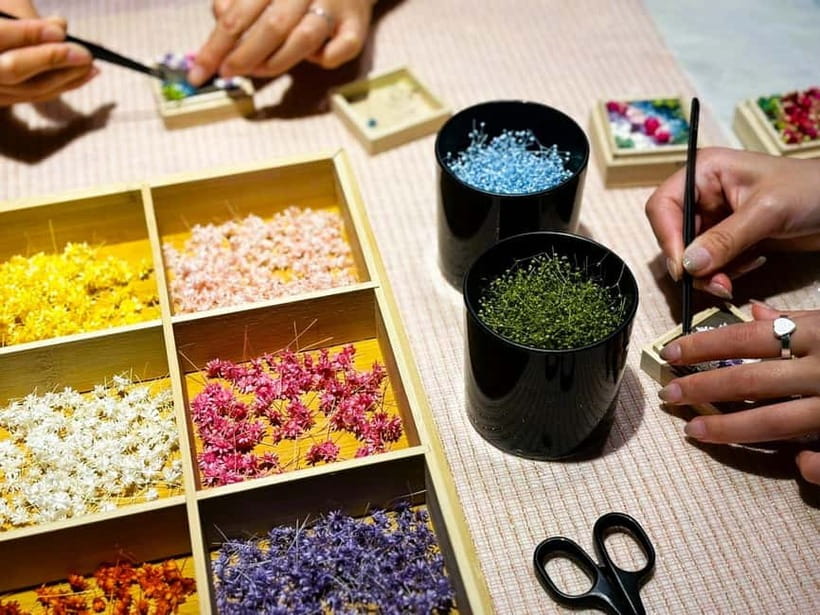
The instructor begins by explaining how to make the garden and introducing the available ingredients. This opening is useful because preserved and dried flowers can be delicate, and the small container requires some care.
You do not need to arrive with a design in mind. The instructor can provide ideas, and the session is set up for first-time participants. English instruction is available, so you can ask questions and follow the process without relying on a translation app.
The guidance is not meant to force every garden into the same pattern. Instead, it gives you a starting point. You can consider which colors work together, how tall or low the arrangement should feel, and where each flower makes the best visual point.
That balance between help and choice is one of the activity’s strongest features. Too little direction can leave beginners unsure what to do. Too much direction would make every souvenir look alike. Here, you get a basic method, then room to make the piece yours.
The group limit is 10 participants. That is small enough to make questions practical, although the exact amount of individual attention can depend on how many people attend and how much help each person needs.
Arranging preserved and dried flowers inside the box
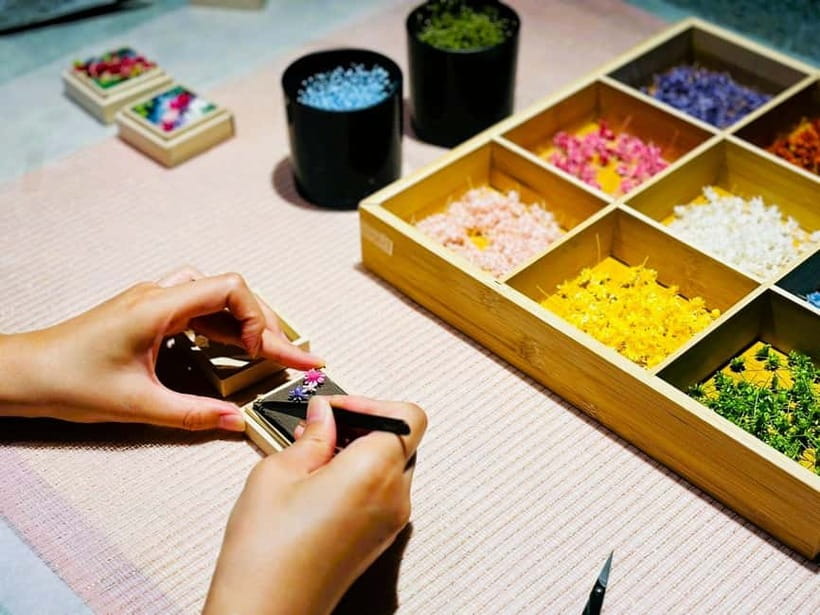
After the explanation, you select and place the flowers in the small container. This is the main part of the 90-minute session, and you are given plenty of time to work at a comfortable pace.
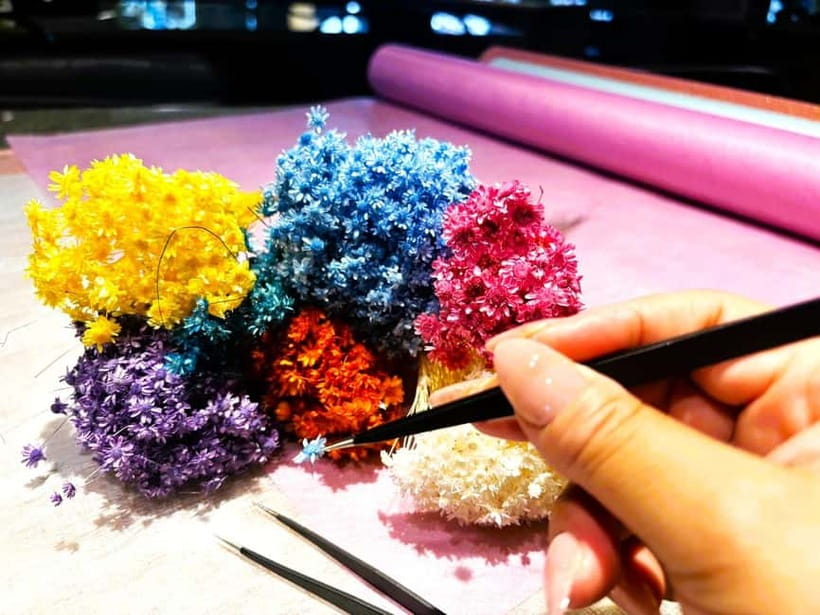
The flowers provide the visual character of the garden. Small colorful blooms can create a cheerful display, while a simpler arrangement may feel more restrained. You are not being judged on technique, so you can move pieces around until the composition feels right.
I recommend taking your time before settling on the final positions. A flower that looks perfect in your hand may not work as well beside another color. Because the garden is small, even a slight change in placement can alter the whole appearance.
The preserved and dried materials also make the finished work easier to keep than a garden made with fresh flowers. The experience is not simply about arranging a bouquet for one afternoon. It is about making a compact decoration that can remind you of Japan after you return home.
Still, you should have realistic expectations. This is a guided craft activity, not a formal lesson in Japanese garden design or flower arranging. The appeal is the pleasant process and the personal result, rather than technical training.
Why the 90-minute pace works
Ninety minutes is a useful length for this kind of activity. A shorter session might leave you choosing flowers in a hurry, while a much longer one could feel repetitive for someone who is only mildly interested in crafts.
The available time lets you work at your own pace. You can listen to the instructor, try different arrangements, and make changes without feeling that the group is waiting for you to finish.
The calm pace also explains why this activity has been well suited to people looking for something relaxing. Multiple high ratings specifically praise the kind and helpful instructors, the welcoming atmosphere, and the soothing nature of the work. One participant described the activity as both different and rewarding, which captures its appeal better than calling it a standard sightseeing stop.
You should also consider the rhythm of your day. This is a good pause between more active parts of Tokyo. It gives you a seat, a creative task, and a fixed 90-minute plan. It may be less suitable if you want nonstop sightseeing or prefer experiences with a strong historical or cultural lecture.






The cafe setting and included drink
One soft drink is included in the $45 price, and the activity takes place in a spacious cafe. That combination gives the session a social side without turning it into a full meal stop.
The included drink is modest, but it adds value to the setting. You can settle in and work while having something at the table. Lunch, dinner, bottled drinks, and additional meals or beverages are not included, so plan to eat separately.
A parfait upgrade has been recommended by participants who enjoyed it as an extra treat, and the parfait was specifically praised for its taste. The base activity does not include lunch or dinner, and the supplied details do not specify the upgrade price or availability, so check the booking options if the dessert matters to you.
I would not book this solely for the food. The flowers and the making process are the main event. The cafe treats are a pleasant addition, not the reason to pay the activity price.
What the finished souvenir is really worth
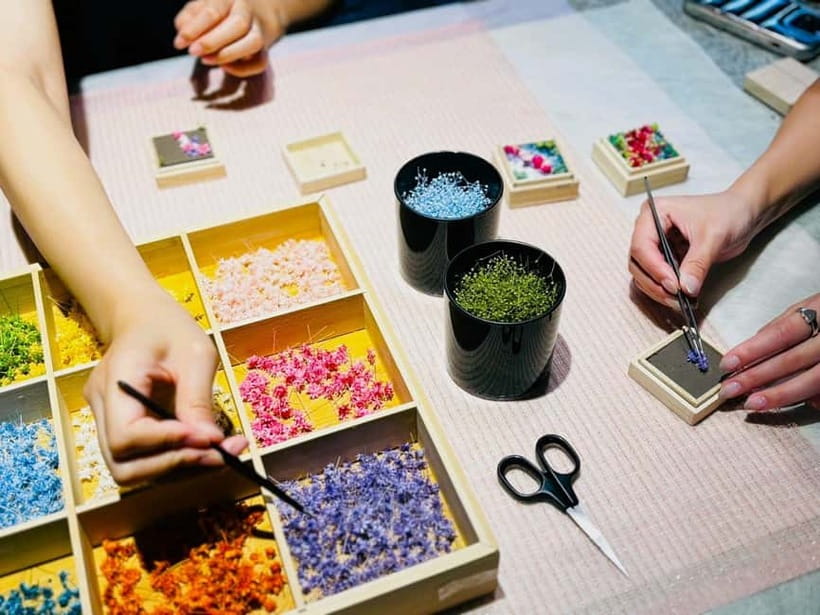
At $45 per person, this is not a bargain-bin craft class. The value comes from the complete package: an English-guided activity, the materials, the finished flower garden, a soft drink, and 90 minutes in a comfortable setting.
You are also paying for a souvenir that does not look exactly like anyone else’s. That matters if you want something personal and small enough to pack. The finished box can serve as interior decoration, giving it a practical use after the trip.
The price makes more sense for couples, friends, and families who want to make something together. It is also a reasonable choice for a rainy day or for anyone who has already seen plenty of Tokyo’s major sights and wants a slower activity.
The value is weaker if you are mainly searching for a cheap keepsake. In that case, a store-bought item will cost less and take no time. This experience asks you to pay for the making, not just the object.
A friendly activity for families, friends, and beginners
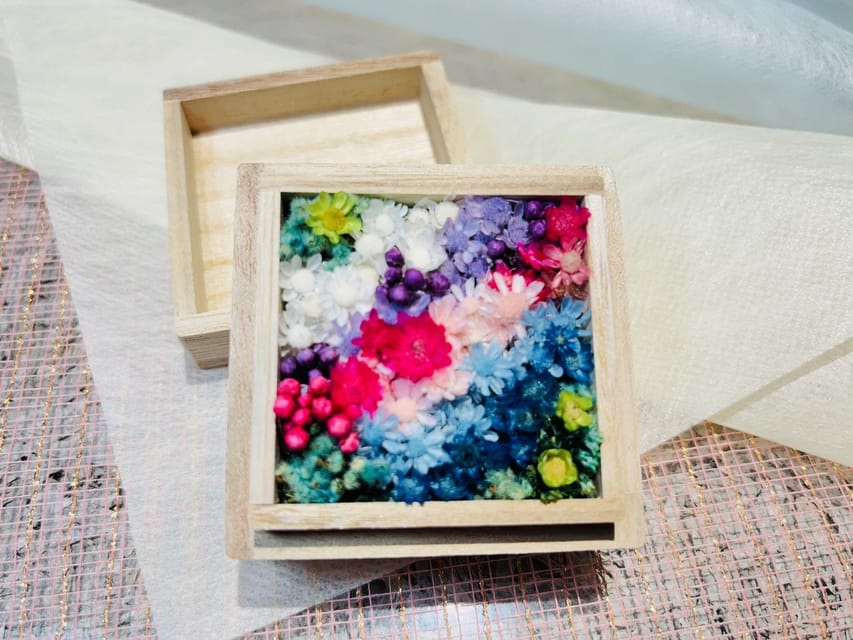
The session is easy to approach because you do not need previous craft experience. The instructor explains the process, offers ideas, and helps you get started.
Families can enjoy the shared task, though adults should decide how much help younger children may need with delicate flowers and small materials. The supplied information confirms that the activity is suitable for first-time users, but it does not give a minimum age or specific child policy, so check before booking for young children.
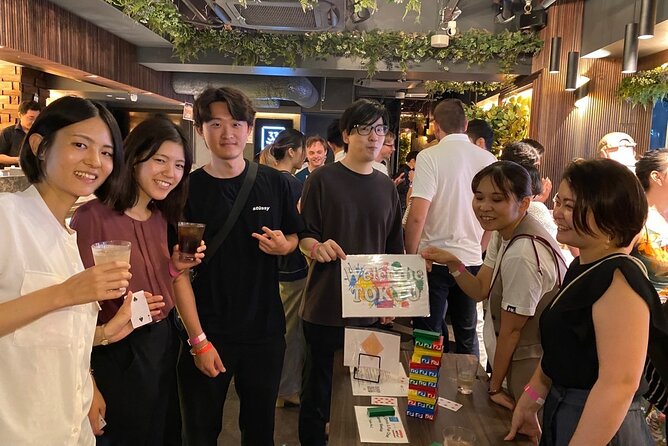
Friends can make a pleasant comparison out of it. You can choose different colors, watch each person’s style develop, and leave with souvenirs that connect without matching.
Solo visitors can also fit in well. The work gives you something to concentrate on, and the small group keeps the setting from feeling completely isolated. Still, the experience is designed as a shared cafe activity, so you should choose it because you enjoy making things, not because you expect a private class.
What the strong ratings tell you about the experience

The most consistent praise focuses on the instructors and the atmosphere. The available comments repeatedly describe the staff as kind, welcoming, and helpful.
That is important here. With a craft activity, the tone of the instruction can affect the whole visit. A rushed or dismissive teacher would make small mistakes feel stressful. The feedback points instead to patient help and useful ideas, which are especially valuable if you have never arranged flowers before.
The relaxing quality also comes through clearly. Several people found the activity soothing, while others described it as fun, rewarding, and different from ordinary sightseeing. You should expect a gentle creative session rather than a loud or physically demanding attraction.
There is not enough information to judge every detail of the flower selection, box size, or finished product, so I would avoid booking if you need exact specifications before committing. The experience is strongest for people comfortable making a personal object from the materials provided.
Timing, cancellation, and practical planning
The activity lasts 90 minutes, and starting times depend on availability. Build a little extra time around the appointment so you can find the pachinko parlor building and reach the fourth floor without rushing.
Transportation to the meeting point is not included. You are responsible for getting to Shinjuku Sanchome, though the short walk from Exit E3 keeps the final approach simple.
You can cancel up to 24 hours in advance for a full refund. The reserve-now-and-pay-later option also lets you hold a place without paying immediately, which is useful when your Tokyo schedule is still changing.
The experience is limited to 10 participants and conducted in English. Those details make it a better fit for people who want clear instruction in a small setting rather than a large demonstration.
Should you book the mini Japanese garden experience?
Book it if you want a calm, hands-on break in Shinjuku and like the idea of taking home something you made yourself. The English guidance, small group, spacious cafe, included drink, and forgiving pace make it approachable for beginners.
I would especially recommend it for couples, families, and friends who want a shared memory that becomes a useful decoration. The activity also works well on a rainy afternoon or after a busy morning in Tokyo.
Skip it if you want a low-cost souvenir, a major cultural lecture, or a fast attraction that takes only a few minutes. At $45, the value depends on enjoying the creative process as much as the finished flower box.
For the right person, that is exactly the point. You spend 90 quiet minutes arranging small flowers, then leave with a Japanese-style garden that exists nowhere else.
FAQ
How long does the mini Japanese garden activity last?
The activity lasts 90 minutes.
Where is the meeting point?
The experience takes place at Sumika on the fourth floor of a building near Shinjuku Sanchome Station. The first floor is a pachinko parlor, and an outside elevator near the entrance takes you to the fourth floor.
How do I reach Sumika by subway?
Sumika is a one-minute walk from Tokyo Metro Shinjuku Sanchome Station, Exit E3.
Is the activity conducted in English?
Yes. An English-speaking instructor explains the materials and how to create the flower garden.
What is included in the $45 price?
The price includes the flower-garden activity, one soft drink, and all fees and taxes.
Are meals or extra drinks included?
No. Lunch, dinner, bottled drinks, additional meals, and additional drinks are not included.
Can I cancel for a refund?
Yes. You can cancel up to 24 hours in advance for a full refund. You can also reserve now and pay later to keep your plans flexible.
More tours in Tokyo we've reviewed








Tokyo, compared.
 ★ 5.0Mt Fuji and Hakone 1-Day Bus Tour Return by Bullet TrainFrom $163
 ★ 5.01-Day Tokyo Bus TourFrom $129
 ★ 4.6Tokyo: teamLab Planets TOKYO Digital Art Museum Entry TicketFrom $251 day
 ★ 4.0Mt Fuji & Hakone Cruise, Drum Show Bullet Train 1 Day from TokyoFrom $149
 ★ 5.0Tokyo: Shinjuku Food Tour (13 Dishes at 4 Local Eateries)From $86
 ★ 4.4Tokyo Mt Fuji 5th St & Hakone Cruise Bus Tour w/Bullet TrainFrom $15410 hours