Reviewed · TSUKIJI MARKET TOURS
Tokyo: Tsukiji Fish Market Walking Tour
Tsukiji Outer Market is less about watching a fish auction and more about eating your way through Tokyo’s food culture. This two-hour walk takes you through seafood stalls, specialty shops, cooking-tool sellers, and small food counters, with an English-speaking guide explaining what you are seeing and what is worth trying.
In This Article
- Key points at a glance
- What Tsukiji Market is today
- Meeting near Tsukiji Station
- Through the Outer Market’s narrow lanes
- Tasting food without losing control of your budget
- What the guide contributes
- A possible stop at Tsukiji Hongwanji Temple
- Is two hours enough?
- The atmosphere and the limits of the experience
- Who will get the most from this walk?
- Booking, cancellation, and group details
- Should you book the Tsukiji Fish Market Walking Tour?
- FAQ
- Where does the Tsukiji Fish Market Walking Tour begin?
- Where does the tour finish?
- How long does the tour last?
- What language is the tour offered in?
- Is food included in the $17 price?
- Do I need cash?
- Is the tour wheelchair accessible?
- How many people are in the group?
I like the small groups of up to 10 people, which make crowded lanes easier to manage, and I like the practical food advice. Guides such as Nao, Doren, Ryo, and Yayoi have led people to tuna, oysters, wagyu, eel, mochi, wasabi beans, and other local specialties. The main catch is that food is not listed as included, and you need cash for tastings and some stalls.
Key points at a glance
- Tsukiji Outer Market, not the wholesale auction: You explore the public market area, with food stalls, ingredients, kitchen goods, and prepared bites.
- A guide turns looking into understanding: Learn how ingredients fit into Japanese cooking and which stalls may suit your tastes and budget.
- Food costs extra: The $17 tour price covers the walk and guide, while tastings and purchases require your own cash.
- Two hours is a useful length: You have enough time for several stops without turning the market visit into an all-day commitment.
- Small groups help in tight lanes: With no more than 10 participants, it is easier to stay with the guide and ask questions.
- A short shrine stop may be included: Some routes have paused at Tsukiji Hongwanji Temple before continuing through the market.
What Tsukiji Market is today
Many people arrive in Tokyo expecting Tsukiji to be the city’s main wholesale fish market. That role moved to Toyosu, but Tsukiji Outer Market remains a busy public food district with shops and counters open to ordinary shoppers.
That difference matters. This is not a tour of the famous early-morning tuna auction. Instead, you walk through the retail side of Tsukiji, where you might see seafood, meat, fruit, dried goods, cooking tools, knives, and ready-to-eat food. The experience is closer to a guided food walk than a behind-the-scenes market tour.
I like this format for a first visit because the market can feel confusing at first. Signs may not tell you what every ingredient is, and a food that looks familiar may be prepared in a very different way. A guide gives you context before you spend your money.
The market also shows how Japanese cooking begins with ingredients. You are not just looking at sushi. You may see products used in everyday meals, seasonal items, condiments, sweets, and tools that reflect the care given to preparation. The focus is on food culture rather than a long lecture about dates and buildings.
A few more Tokyo tours and experiences worth a look


Meeting near Tsukiji Station
The tour begins at the Starbucks close to Tsukiji Station, about a two-minute walk from the station. The listed meeting coordinates are 35.6679239, 139.7720981, so you can save them in your phone before setting out.
Starting at a café is simple, but give yourself enough time to locate the correct Starbucks and meet the guide. Tsukiji has several nearby streets and entrances, and a rushed arrival is not the best way to begin a food walk.
The route returns to the same Starbucks after two hours. That makes planning easier. You can continue toward other parts of central Tokyo afterward without arranging a separate pickup. Hotel transportation is not included, so you handle your own way to and from Tsukiji Station.
Through the Outer Market’s narrow lanes
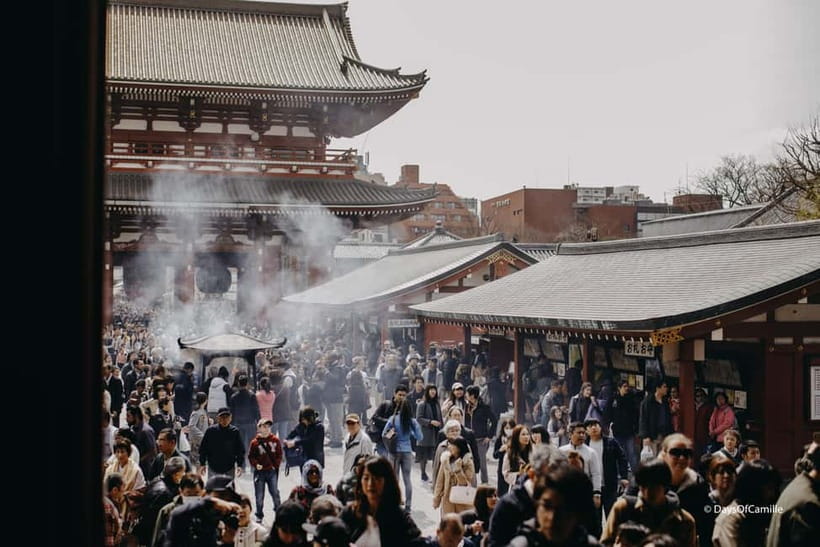
The main portion of the tour is a guided walk through Tsukiji Outer Market. Expect close-set stalls and plenty of activity around food counters and shops. The exact stops can vary, but the experience focuses on the places and products that make Tsukiji useful to cooks and appealing to people who like to eat.
This is where a guide adds real value. On your own, you can walk the same streets, but you may not know which specialty deserves attention or how to order it. A guide can explain the difference between ingredients, point out items you might otherwise pass, and suggest options that fit your interests.
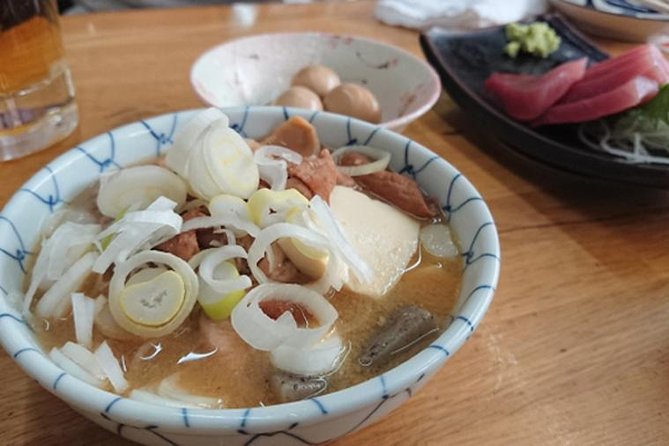
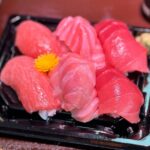
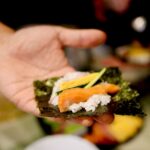
Food examples from this tour have included fatty tuna, oysters, eel, wagyu skewers, Kobe beef, fresh fruit, mochi, tuna sushi, wasabi beans, and beer. You should not treat that list as a guaranteed menu. Market offerings change, and the route may depend on the day, the stall, and what you choose to buy.
That flexibility is part of the appeal. If you are curious about seafood, the guide can help you focus on tuna or oysters. If raw fish is not your thing, you might prefer meat, sweets, fruit, or savory snacks. One useful strength of the tour is that you are not forced into a single fixed food menu.
Tasting food without losing control of your budget
The tour costs $17 per person, which is a modest price for a two-hour guided walk in central Tokyo. Since the listed inclusions are the walking tour and guide, plan to pay separately for anything you eat or buy.
Bring cash. This is the most important practical tip from the experience. Some stops do not take cards, and food sampling is not covered by the tour price. The amount you spend depends on your appetite and choices, so you can keep the outing light or turn it into a full grazing session.
I like this pay-as-you-go setup because it gives you control. You can try one or two items instead of paying for a large tasting package that includes food you may not want. The drawback is that the final cost is not limited to the $17 booking price, so budget for extra purchases before you arrive.
A few people have enjoyed walking with a beer while sampling market food. That can add to the relaxed feel, but do not assume every drink or tasting is included. Ask the guide about the price before ordering, especially if you are traveling on a tight budget.
What the guide contributes
The guide is the main reason to book rather than simply wander through Tsukiji. The best part of the walk is not just finding a food stall. It is understanding why a particular ingredient matters, how it is used, and what makes one stop different from another.
Different guides have received praise for different strengths. Yayoi has been singled out for a fun food experience. Doren has been described as energetic and good at finding affordable shops. Nao has taken people to places viewed as local and reasonably priced. Ryo has been patient and helpful when participants wanted both tastings and ingredients to take away.
Other named guides include Nicolas, Yota, and Shingo. One participant found Nicolas especially useful for choosing stops, while Yota was remembered for his informative manner and easy humor. The guide assigned to your date may be different, but the pattern is clear: this experience depends heavily on the person leading it.
Expect explanations about Japanese food customs, ingredients, and everyday culinary habits. You may also learn how to approach a stall, what to look for, and which foods are worth buying. That information can be more useful than a list of dishes because it helps you make choices during the rest of your Japan trip.
Other walking tours we've reviewed in Tokyo



A possible stop at Tsukiji Hongwanji Temple
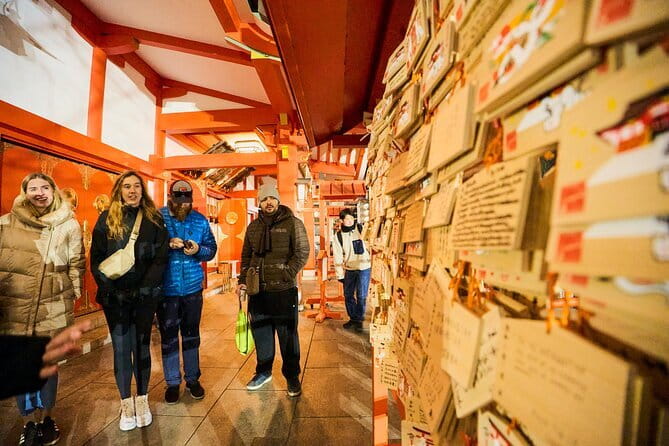
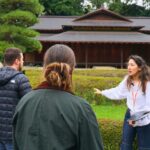
Some tours have included a short visit to Tsukiji Hongwanji Temple before moving deeper into the market. This gives the walk a little more range, connecting the food district with a nearby place of worship and local history.
The temple is not presented as a separate long sightseeing visit. Think of it as a brief cultural pause within the two-hour route. If your main goal is food, it should not take over the tour. If you appreciate a little variety, it is a welcome addition.
Because the route can change, do not book this experience solely for a temple visit. The central focus remains Tsukiji Outer Market and Japanese food culture.
Is two hours enough?
For a first look at Tsukiji, two hours works well. You can visit several stalls, sample a range of foods, ask questions, and still have time for shopping. A longer visit might allow more browsing, but it could also become tiring in crowded lanes.
The early timing has been worthwhile for some people, though it may feel early if you prefer a slow morning. Check the available start times when booking and choose a slot that suits your eating plans. If you arrive too late in the day, some food counters or shops may have different hours, but no fixed closing schedule is provided here, so it is best not to build your whole day around specific stalls.
The pace should suit most reasonably mobile visitors. The activity is listed as wheelchair accessible, although market lanes can be close and busy. If you use a wheelchair, it is sensible to confirm current route conditions with the operator before booking.
The atmosphere and the limits of the experience
Tsukiji is lively and crowded, and that is part of its character. You will be walking through an active commercial area, not a quiet museum. Be ready to share narrow spaces, pause while other shoppers pass, and keep your belongings close.
The market is also more than fish. One participant expected a stronger fish-market focus and found more street vendors selling fish and meat skewers. That is a fair warning. If your dream is to watch wholesale tuna handling, this tour will not match it. If you want to understand the public food market and taste Japanese specialties, it is a better fit.
The tour can also be weather-dependent in a practical sense. A rainy day does not necessarily ruin it, since the market has plenty to see, but you will still be walking outdoors between stops. Wear comfortable shoes and bring suitable rain protection when needed.
Who will get the most from this walk?
I would recommend it most strongly to first-time visitors to Tokyo, food-focused travelers, and anyone who feels unsure about ordering at Japanese market stalls. The guide helps you use your limited time well and reduces the risk of spending money on something you do not understand.
It is also a good choice for curious eaters who want flexibility. You can try unusual items such as wasabi beans, sample high-quality tuna, or choose a sweet like mochi. The mix of food and explanation gives the visit more meaning than simply buying the first skewer you see.
Families and mixed groups may also find it practical because the range of foods is broad. Not everyone has to choose the same thing. People who dislike seafood can look toward meat, fruit, sweets, or cooked foods, depending on what is available.
I would be more cautious if you want a full historical tour, a wholesale-market visit, or a quiet photographic walk. The tour is active, social, and food-centered. It may also be less suitable if you do not want to spend extra money on tastings.
Booking, cancellation, and group details
The tour is offered in English with a live guide, and the group is limited to 10 participants. That size is small enough for questions and personal recommendations without the price of a private tour.
You can cancel up to 24 hours before the start for a full refund. A reserve-now, pay-later option is also available, which helps if your Tokyo schedule is still changing. These policies are useful, but the key planning point remains simple: reach Tsukiji Station on your own, bring cash, and leave room in your budget for food.
The published rating is 4.9 from 205 reviews, with repeated praise for the guides, food choices, cultural explanations, and ability to find good-value stops. One four-star assessment also gives the useful counterpoint that Tsukiji may offer fewer traditional fish-market sights than expected.
Should you book the Tsukiji Fish Market Walking Tour?
Book it if you want a friendly introduction to Tsukiji Outer Market and would rather have someone explain the food than guess your way through the stalls. At $17, the guided access and local food advice offer good value, especially if you are visiting Tokyo for the first time.
Skip it if your priority is the wholesale tuna auction or a tour with all tastings included. For everyone else, bring cash, arrive ready to walk and eat, and treat the two hours as a practical introduction to one of Tokyo’s best food districts.
FAQ
Where does the Tsukiji Fish Market Walking Tour begin?
The meeting point is the Starbucks located close to Tsukiji Station, about a two-minute walk from the station. The listed coordinates are 35.6679239, 139.7720981.
Where does the tour finish?
The walk returns to the Starbucks near Tsukiji Station.
How long does the tour last?
The tour lasts two hours. Starting times depend on availability when you book.
What language is the tour offered in?
The tour is conducted in English with a live guide.
Is food included in the $17 price?
The included services are the walking tour and guide. Food tastings and purchases are not listed as included, so bring extra money.
Do I need cash?
Yes. Cash is specifically recommended because some market stops do not accept cards, including places where you may buy samples.
Is the tour wheelchair accessible?
The activity is listed as wheelchair accessible.
How many people are in the group?
The group is limited to 10 participants, making it a small-group walking tour.
More Shopping Tours in Tokyo


More Walking Tours in Tokyo
More Tsukiji Market Tours in Tokyo

More tours in Tokyo we've reviewed





Tsukiji Market Tours, compared.
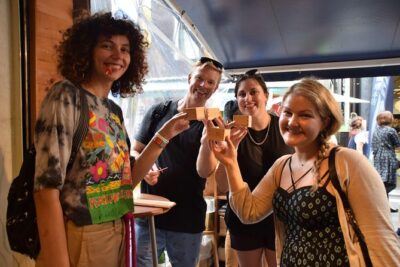 ★ 5.0Tokyo Tsukiji Fish Market Food and Culture Walking TourFrom $99
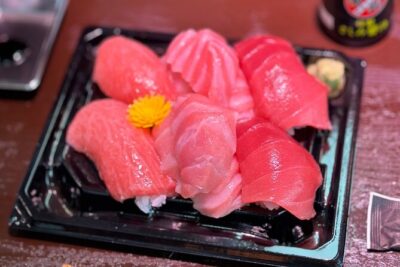 ★ 5.0Tokyo: Tsukiji Fish Market Food and Walking tourFrom $30
 ★ 4.9Tokyo: Tsukiji Fish Market Guided Walking TourFrom $222 hours
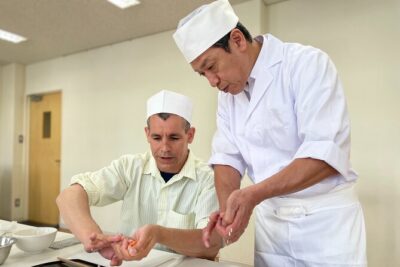 ★ 5.0Tokyo Sushi Making Class in Tsukiji with Professional ChefFrom $49
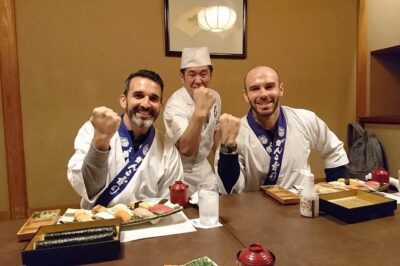 ★ 5.0Tsukiji Fish Market Guided Tour and Sushi Making with Pro ChefFrom $104
★ 4.7Tokyo: Tsukiji Fish Market Food and Culture Walking TourFrom $963 hours
★ 5.0Tsukiji Fish Market Guided Tour and Sushi Making with Pro ChefFrom $104
★ 4.7Tokyo: Tsukiji Fish Market Food and Culture Walking TourFrom $963 hours