Reviewed · JDM & CAR CULTURE
Tokyo: Daikoku Car parking area night Meet & Experience JDM
Tokyo’s famous car culture makes the most sense from the road. This small-group outing takes you along the C1 and Wangan highways, then into the parking areas where Japan’s car scene gathers. You are not simply looking at parked vehicles. You are seeing how driving, tuning, design, and city nightlife meet around Tokyo Bay.
In This Article
- Key points to know before booking
- Why Tokyo’s highways are the real first stop
- Daikoku Parking Area, where the car scene gathers
- Tatsumi and the changing mood of Tokyo’s car culture
- Autobacs Shinonome, a practical stop for car fans
- Tokyo Tower adds a clean city view
- What the guide adds beyond a car ride
- Is $116 a fair price?
- Comfort, safety, and practical limits
- Who will enjoy this most?
- Should you book the Daikoku car experience?
- FAQ
- How much does the experience cost?
- How long is the experience valid?
- Is pickup included?
- Which highways does the tour use?
- Which car-related locations are included?
- Is Tokyo Tower part of the route?
- How large is the group?
- Which languages does the driver speak?
- Is the tour wheelchair accessible?
- What should I bring?
- Are meals and drinks included?
- Can I cancel for a refund?
I like the chance to visit Daikoku and Tatsumi, two names that carry real weight among JDM fans, and I like the limited group size of six. The guide also adds value by explaining the industry and car scene instead of leaving you to guess what you are seeing. The main drawback is that the experience costs $116 per person, and the amount of time spent at any particular car meet may depend on what is happening that night.
Key points to know before booking
- Daikoku and Tatsumi are the main attractions: These famous parking areas offer the best chance to see an unpredictable mix of Japanese and international cars.
- The drive is part of the experience: You travel on the C1 and Wangan highways with Tokyo’s skyline around you, rather than simply being driven from one photo stop to another.
- The group is limited to six people: That should make conversation with the guide easier and keep the outing more personal.
- You visit more than parking areas: The route also includes Autobacs Shinonome and a Tokyo Tower stop.
- The guide speaks English, Japanese, or Hindi: You can discuss car history, current industry trends, and the local scene in one of those languages.
- Bring a charged phone and comfortable clothes: You will want your camera ready, and the tour may involve standing outside in changing weather.
Why Tokyo’s highways are the real first stop
The most appealing part of this outing is the time spent moving through Tokyo. The C1 and Wangan highways give you a view of the city that a standard sightseeing bus does not. You see Tokyo from elevated roadways and broad expressway stretches, with the skyline and Tokyo Bay area forming the backdrop.
The tour is designed for people who enjoy the drive itself. You can expect the guide to talk through the roads, the car scene, and the way Japanese motoring culture has developed while you ride between stops. That makes the route useful even during a quieter night at the parking areas.
The supplied schedule describes the experience as a one-day activity, but the listed stops suggest a compact evening-style outing rather than a full day of sightseeing. Check the available starting time before booking, since the appeal of Daikoku and Tatsumi depends heavily on visiting at the right time.
A few more Tokyo tours and experiences worth a look

Daikoku Parking Area, where the car scene gathers
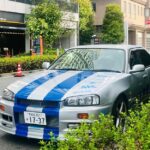
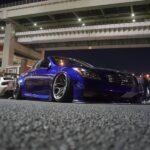
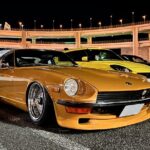
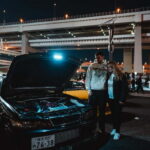
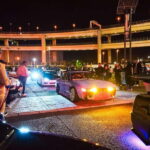
Daikoku Parking Area is the centerpiece. You have about one hour there for a visit, photographs, free time, and sightseeing. This is the place to look for the unusual mix that makes Japanese car culture so entertaining: older classics, carefully modified street cars, performance machines, and builds that are difficult to classify.
The word eclectic fits here. You might find something restrained beside something wild, with no guarantee that two visits will look alike. That uncertainty is part of the fun, but it is also the reason you should not book this expecting a fixed display of specific makes or models.
Your guide’s role matters at Daikoku. A car enthusiast can point out why a vehicle is interesting, explain terms connected with JDM culture, and place current styles in the wider story of Japan’s auto industry. The information provided does not name the individual guide, so you should judge the tour by the languages offered and the subject matter promised, not by a specific personality.
You get free time for photographs, but remember that this is a working parking area rather than a museum. Conditions may be noisy, the weather can change, and the exact collection of cars is never guaranteed. Bring a charged smartphone or camera, and wear clothes that are comfortable for standing outside.
Tatsumi and the changing mood of Tokyo’s car culture
Tatsumi Parking Area is included as another major stop on the guided route. It gives you a second setting for seeing the local car scene and lets you compare the atmosphere of two well-known gathering points.
That comparison is useful. Car culture is not one single show with a set program. Different parking areas can have different crowds, cars, and energy on different nights. The guide can help you understand the current state of the scene, including how it has changed from earlier eras of Japanese tuning and performance culture.
The information supplied does not give a separate time allocation for Tatsumi, so do not assume you will receive the same one-hour visit described for Daikoku. Ask about the exact schedule if this stop is the main reason you are booking.
Autobacs Shinonome, a practical stop for car fans
The itinerary includes about one hour at Autobacs Shinonome for a break, photographs, a visit, and free time. This adds a different angle to the tour. Daikoku and Tatsumi are gathering places, while Autobacs connects more directly with the retail and practical side of car ownership.
You can use this stop to take a break and continue the conversation about parts, accessories, tuning, and the wider auto industry. The experience promises insider industry information, but it does not specify particular products, exhibits, or demonstrations, so keep your expectations focused on browsing and discussion rather than a formal workshop.
This stop also helps break up the road time. If you are mainly interested in parked cars, Autobacs may feel less exciting than Daikoku. If you want to understand the scene beyond photographs, it gives the tour more range.
Tokyo Tower adds a clean city view
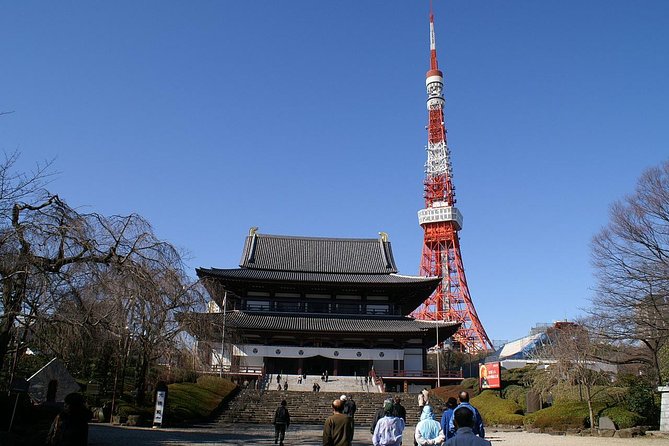
The final sightseeing stop listed is Tokyo Tower, with time for a break, photographs, free time, and sightseeing. After the highways and car parks, the tower gives you a familiar Tokyo landmark and a chance to frame the city separately from its driving culture.
For photographers, this is a useful change of subject. You can capture the tower and the surrounding city after spending the earlier part of the tour looking at cars. The stop also makes the outing easier to appreciate for companions who may not be dedicated JDM fans.
The schedule gives Tokyo Tower roughly one hour. As with the other stops, no admission to an observation deck is listed, so you should not assume that an interior tower visit is included. The confirmed promise is a stop for sightseeing, photographs, and free time.
A few more Tokyo tours and experiences worth a look


What the guide adds beyond a car ride
This tour is stronger when you treat it as a conversation on wheels. The guide is expected to share stories about car history, the current state of the industry, and the present-day car scene. That context can turn a row of unfamiliar vehicles into a readable part of Japan’s motoring culture.
You can ask about the difference between factory performance cars and heavily modified builds, how older cars continue to influence current styles, and what has changed in the Japanese auto industry. The exact depth will depend on your guide, your questions, and the language you choose.
English, Japanese, and Hindi are offered. That is helpful for mixed-language groups, though a small group does not guarantee a private tour. The maximum is six participants, which should give you a better chance to speak with the guide than a large coach tour would.
Is $116 a fair price?
At $116 per person, this is not a cheap way to see Tokyo. You are paying for guided access to a niche scene, transportation from Tokyo, the highway drive, and a small-group format. Meals, drinks, and personal expenses are not included.
The value is best for someone who would otherwise struggle to reach Daikoku and Tatsumi or would not know how to interpret the cars once there. The combination of driving the C1 and Wangan, visiting several locations, and discussing the industry gives you more than a simple transfer to a parking area.
The value is weaker if you only want a guaranteed car show. There is no promise of particular vehicles, a fixed lineup, or a formal event. The night’s appeal depends on the cars present and on how well the guide brings the setting to life.
The small group helps justify the price. With no more than six people, the guide can adjust the conversation and answer questions. Pickup is included, with the driver contacting you before pickup. You are asked to wait in the lobby or at the place where you are staying.
Comfort, safety, and practical limits
Wear comfortable clothes. You may spend time in vehicles, at parking areas, and outside taking photographs, so clothing suited to changing weather is more useful than anything fashionable. Bring a camera and keep your smartphone charged for the journey.
Smoking and drinks are not allowed in the vehicle. Meals and drinks are not supplied, so plan accordingly before pickup, especially if your starting time falls around dinner.
The tour is wheelchair accessible, which makes it more flexible than many car-focused outings. It is not suitable for children under 10, pregnant women, or people with back problems. Those restrictions matter because the experience involves road travel and several stops rather than a single stationary venue.
Free cancellation is available up to 24 hours before the activity for a full refund. You can also reserve now and pay later, which helps if your Tokyo schedule is still changing.
Who will enjoy this most?
I would choose this for a JDM fan, a car photographer, or anyone curious about a side of Tokyo that does not appear on the usual sightseeing route. It also suits a visitor who wants a guide to explain the difference between simply seeing cars and understanding the culture around them.
It can work for a mixed group if one person loves cars and others enjoy city views, because Tokyo Tower and the highway scenery broaden the outing. Still, the cars remain the main point. Someone who dislikes long road rides or has no interest in vehicles may find the parking-area stops repetitive.
The small-group format is a good fit for people who want to ask questions. If you prefer a large organized tour with a fixed script and guaranteed sights, this outing may feel less predictable.
Should you book the Daikoku car experience?
Book it if you want the drive and the car scene together. The C1 and Wangan highways, Daikoku, Tatsumi, Autobacs Shinonome, and Tokyo Tower create a varied route, while the guide’s industry stories give the cars context.
Think twice if $116 feels high for an outing with no guaranteed lineup. Daikoku and Tatsumi are living car-meet locations, not scheduled attractions, so the night may be spectacular, modest, or somewhere in between.
For the right person, that uncertainty is the point. You get a guided look at Tokyo’s modern car culture, a skyline-lit road trip, and a chance to see machines ranging from classic to completely wild. Bring a camera, keep your phone charged, and book with realistic expectations about the changing nature of the scene.
FAQ
How much does the experience cost?
The price is $116 per person.
How long is the experience valid?
The activity is listed as valid for one day. You need to check availability for the starting time.
Is pickup included?
Yes. Pickup is included in Tokyo. Wait in your lobby or at the place where you are staying, and the driver will contact you before pickup.
Which highways does the tour use?
The guided drive uses Tokyo’s C1 and Wangan highways.
Which car-related locations are included?
The experience includes stops at Daikoku and Tatsumi parking areas. The listed route also includes Autobacs Shinonome.
Is Tokyo Tower part of the route?
Yes. The itinerary includes a Tokyo Tower stop for photographs, free time, a break, and sightseeing.
How large is the group?
This is a small-group experience limited to six participants.
Which languages does the driver speak?
The driver speaks English, Japanese, or Hindi.
Is the tour wheelchair accessible?
Yes, the activity is listed as wheelchair accessible.
What should I bring?
Bring a camera, comfortable clothes, and a charged smartphone. Be ready for a variety of weather conditions.
Are meals and drinks included?
No. Meals, drinks, and personal expenses are not included. Drinks are also not allowed in the vehicle.
Can I cancel for a refund?
Yes. You can cancel up to 24 hours in advance for a full refund.
More Evening Experiences in Tokyo
More Night Tours in Tokyo
More JDM & Car Culture in Tokyo

More tours in Tokyo we've reviewed
JDM & Car Culture, compared.
 ★ 4.8Tokyo: Fast & Furious Tokyo Drift 3 Experience (Kaila Yu SP)From $157
 ★ 4.8Tokyo: FAST&FURIOUS EXPERIENCE Daikoku Tokyo Car ClubFrom $157
 ★ 4.8Tokyo Drift: GT-R Car Club R35 Liberty Walk Daikoku meetingFrom $240
 ★ 4.8Tokyo: Daikoku JDM Fast Furious Drift Style Car ExperienceFrom $123
 ★ 4.8Tokyo Drift: GO Daikoku Car Meet R34 Skyline Car ClubFrom $246
 ★ 4.7Tokyo Drift: Daikoku PA Supreme Car Experience 大黒PAFrom $583 hours