Reviewed · SUSHI MAKING CLASSES
3-Hour Small-Group Sushi Making Class in Tokyo
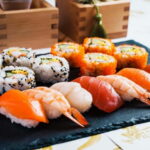
Sushi here is not a plate that simply appears in front of you. You make the rice, cook tamagoyaki, prepare fillings, and shape several kinds of sushi before sitting down to eat. The class covers nigiri, inari, hosomaki, and California rolls, so you get a useful introduction to both hand-shaped and rolled sushi.
In This Article
- Key points at a glance
- A quiet cooking studio in Shinjuku
- Your first lesson: dashi, miso, and the building blocks of Japanese cooking
- Tamagoyaki is the first real challenge
- Sushi rice, shrimp, and the art of not overfilling
- Four sushi styles, four different techniques
- Plenty of help in a group of nine
- Sit down to eat what you made
- Vegetarian needs and family considerations
- When to book and how to fit it into your day
- Who will get the most from this class
- Should you book the Cooking Sun Tokyo class?
- FAQ
- How long does the sushi-making class last?
- Where does the class meet?
- What time does the class start?
- What kinds of sushi will I make?
- Is the class suitable for beginners and children?
- Does the class include raw fish cutting?
I like the small class size, capped at nine people, because the instructors can watch your technique and help when your first roll comes out loose or lopsided. I also like the generous meal at the end, which includes miso soup, wasabi, pickled ginger, and the sushi you prepared. The main limitation is clear: fish is pre-sliced, so this is a sushi assembly and preparation lesson, not a lesson in cutting whole fish.
Key points at a glance
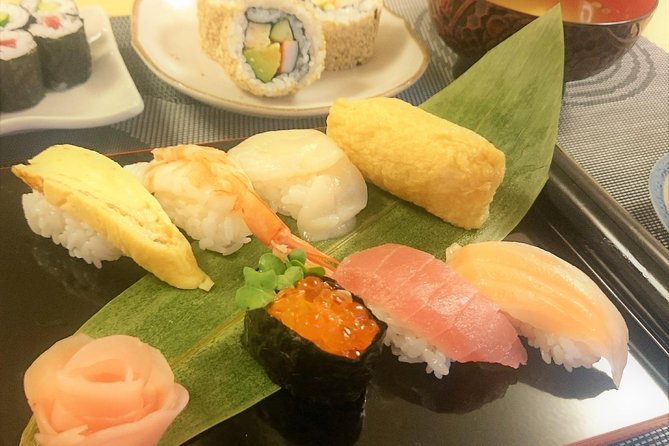
- Make several sushi styles: Prepare nigiri, inari, hosomaki, California rolls, and tamago sushi.
- Start with Japanese basics: Learn about dashi, miso, seasonings, sushi rice, and tamagoyaki.
- Small, hands-on format: The class has a maximum of nine participants, with ingredients and equipment supplied.
- English-friendly instruction: Instructors guide you through each stage and explain cooking methods and sushi traditions.
- A proper meal follows: Eat your sushi with miso soup, fresh wasabi, and pickled ginger.
- Good for families: Children from age six can join, and the pace suits beginners.
A quiet cooking studio in Shinjuku
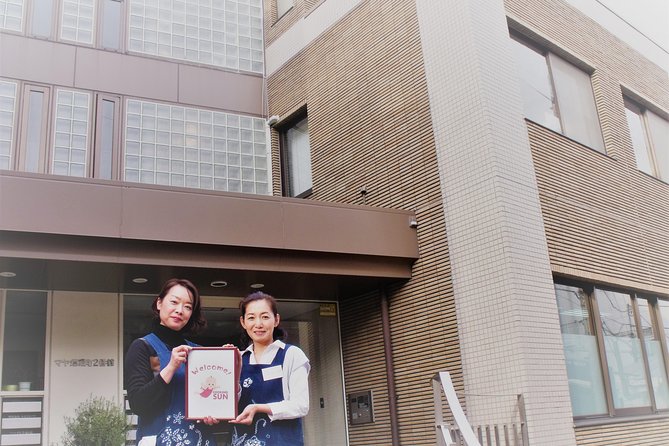
The class meets at Cooking Sun Tokyo, at 18-39 Shinanomachi in Shinjuku City. The studio is set back from the main roads in a quiet residential area, which gives the afternoon a calmer feel than you might expect in central Tokyo.
You will need to make your own way there. Hotel pickup and drop-off are not included, but the studio is near public transportation. The meeting time is 1:30 pm, and the class lasts about three hours, making it an easy fit on a day when you want a break from temples, shopping, and crowded train platforms.
The room is described as clean and well equipped, with aprons and towels available to rent. That matters more than it may sound. Sushi preparation involves rice, damp hands, fillings, and several tools, so you can focus on the food instead of worrying about your clothes or bringing equipment.
A few more Tokyo tours and experiences worth a look
Your first lesson: dashi, miso, and the building blocks of Japanese cooking
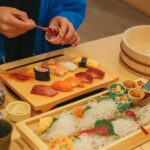
The class begins with an introduction to basic Japanese ingredients and seasonings. You learn about dashi, miso, and the flavors that form the base of many Japanese dishes.
This is one of the more useful parts of the experience if you want to cook Japanese food at home. Sushi is often reduced to fish and rice, but the class places it in a wider cooking tradition. Miso soup and dashi give you a better sense of how Japanese meals are put together, while the seasoning discussion helps explain why the rice and accompaniments taste the way they do.
The instructors also provide some background on sushi and Japanese cooking. You will not leave with the full education of a sushi chef, but you should come away with a clearer idea of how ingredients, texture, and presentation work together.
The class is taught in English by friendly instructors. Names appearing in the teaching team include Yuki, Miki, Aya, and Yuma. The important point for booking is that the instruction is designed for English speakers, and beginners receive step-by-step help.
Tamagoyaki is the first real challenge
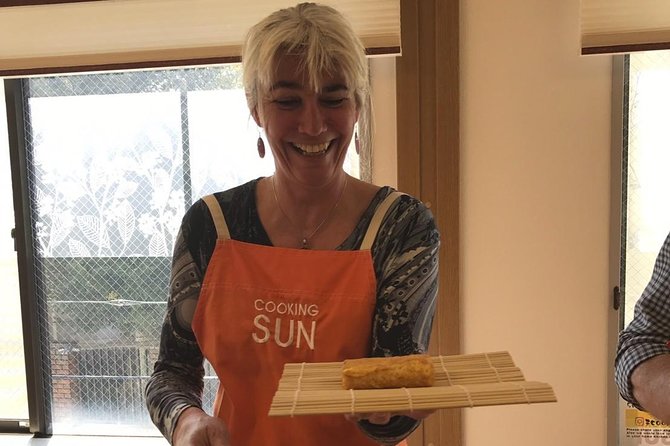
One of the most enjoyable tasks is making tamagoyaki, the Japanese rolled omelet. It becomes a filling for some of your sushi, so this is not a side demonstration that you watch from the edge of the room. You make it yourself.
Tamagoyaki can feel intimidating at first because you need to cook and roll the egg in stages. The class gives you a chance to practice with an instructor nearby, and the slightly uneven result is part of the fun. Even if your omelet is not restaurant-perfect, it will still taste good inside sushi.
This step also shows why a cooking class is more useful than a food tour if you want a skill to take home. You learn by handling the ingredients, making small corrections, and seeing how the finished filling fits into a larger dish.
Sushi rice, shrimp, and the art of not overfilling
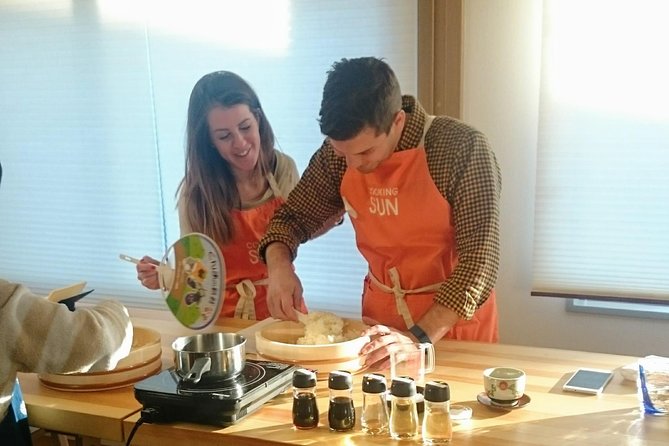
Next, you prepare sushi rice and toppings such as shrimp. Getting sushi rice right is central to the whole lesson. Rice that is too wet, too dry, or poorly seasoned can make a roll difficult to shape, so the preparation gives you a practical base for everything that follows.
The ingredients are provided, which keeps the class simple for visitors. You do not need to shop, bring knives, or measure out a pantry of Japanese seasonings before arriving. That makes the experience especially convenient during a short Tokyo stay.
The class uses pre-sliced fish. You can work with sushi ingredients and learn how they are assembled, but you will not practice breaking down a fish or cutting sashimi. If your goal is advanced knife work, this is the wrong class. If your goal is to make attractive, edible sushi at home, the focus is more suitable.
Four sushi styles, four different techniques
The main activity is shaping several types of sushi. Each style gives you a different lesson in handling rice and fillings.
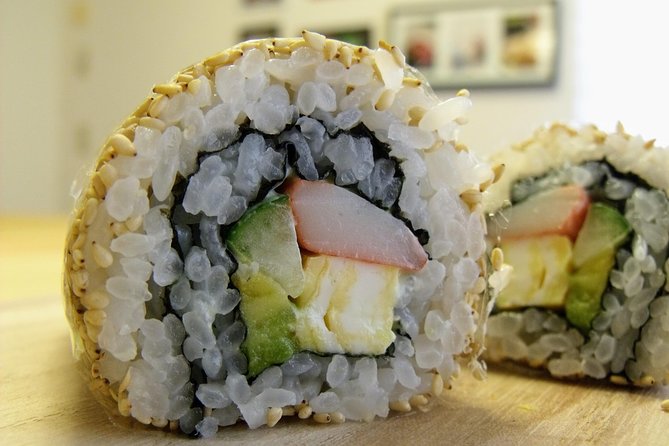
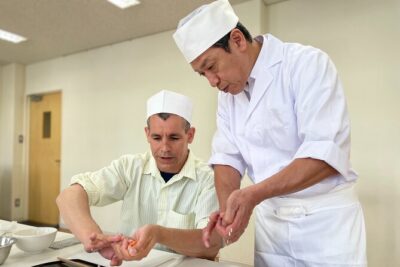
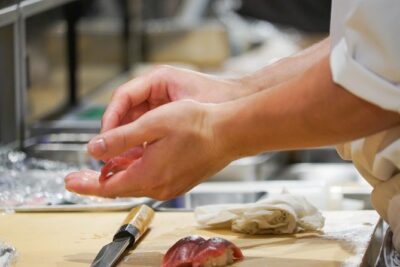
Nigiri is hand-pressed sushi. You learn how to form a small portion of rice and place a topping on it without crushing the grains. It looks simple, but the shape, size, and pressure all matter.
Inari uses a sweet tofu pouch filled with sushi rice. This is one of the easiest styles for beginners to understand, and it gives you a different texture and flavor from fish-topped sushi.
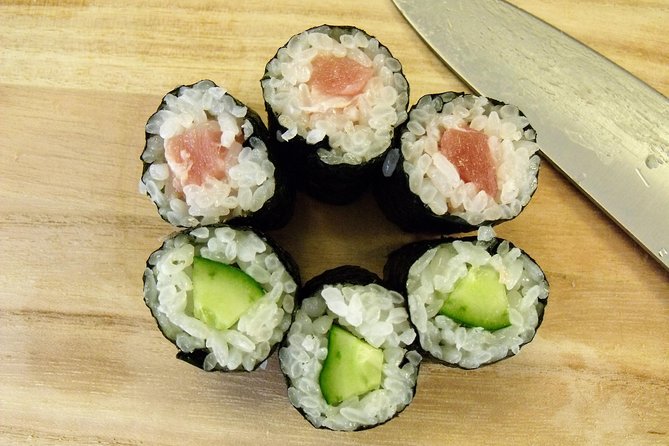
Hosomaki is a thin roll. You spread rice, place a modest amount of filling, and roll it tightly. The key lesson is restraint. Too much filling creates a difficult, bulky roll that will not close neatly.
California rolls offer a more familiar entry point for many first-time sushi makers. They also show how sushi can adapt to different ingredients and dining traditions.
The completed meal may include additional forms such as tamago sushi and several pieces of nigiri. One session described a spread of seven items, including miso soup, tamagoyaki, inari age, hosomaki, California roll, ebi nigiri, tamago sushi, and four pieces of nigiri. Exact portions may vary, but you should expect a substantial amount of food.
A few more Tokyo tours and experiences worth a look


Plenty of help in a group of nine
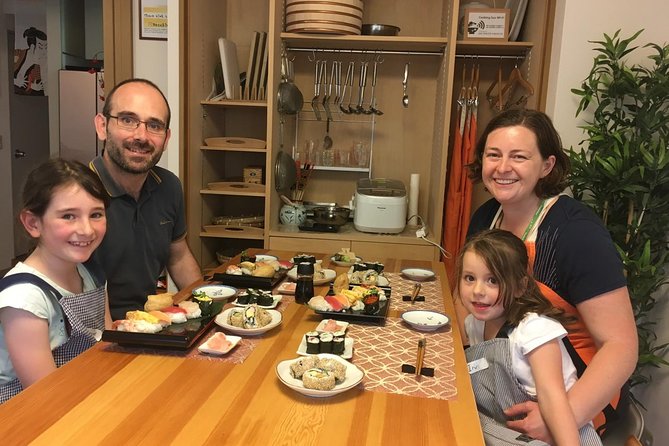
The maximum group size is nine people. That is small enough for the instructors to move around, check your rice, help with rolling, and answer questions without leaving you on your own for long stretches.
This matters most if you have never made sushi. The basic steps can look easy during a demonstration, then become surprisingly fiddly once the rice is in your hands. A small group gives you a better chance to correct mistakes before they multiply across the whole plate.
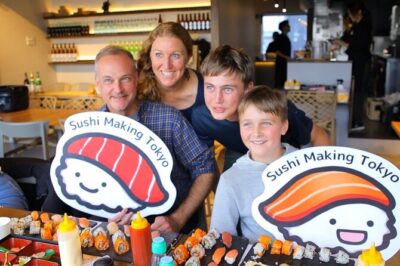
The setting also works well for mixed groups. Families with children, couples, solo participants, and groups of friends can take part together. The minimum age is six, and the class has been described as patient with children aged 10 and 12. Younger children may need help with some preparation, but the format is built for participation rather than passive watching.
The pace is about right for a three-hour afternoon. It is long enough to cover several dishes but short enough that most people will not tire of standing, preparing, and listening.
Sit down to eat what you made
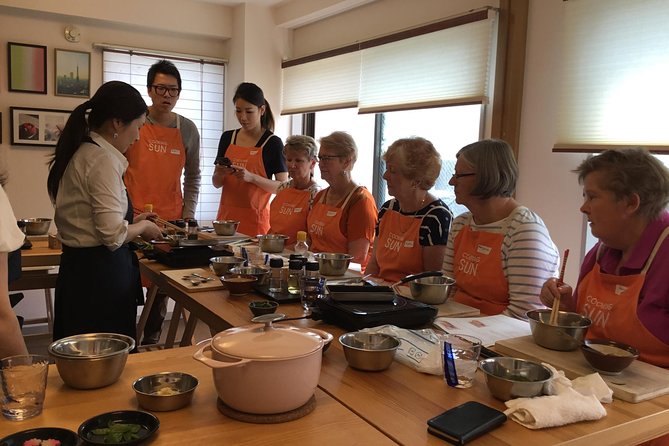
The reward comes at the end, when you sit down with the sushi you prepared. The meal includes miso soup, fresh wasabi, and pickled ginger.
You should arrive hungry. The class produces more food than a small tasting plate, and several participants found it hard to finish everything. That is a good value point for a $72.67 activity, especially in Tokyo, where a meal and a practical class can easily become two separate expenses.
Still, keep your expectations sensible. This is a teaching meal made from prepared class ingredients, not a visit to an elite sushi counter. One useful observation is that the fish may not match the quality you would seek at a specialist restaurant. The payoff is the process, the amount of food, and the ability to repeat the techniques later.
For many people, that tradeoff makes sense. You are not paying only for the meal. You are paying for three hours of instruction, ingredients, equipment, cultural context, and the chance to eat food you shaped yourself.
Vegetarian needs and family considerations
A vegetarian option is available, but you need to request it when booking. You should also give the cooking school any other dietary requirements in advance. Do not wait until you arrive, since the ingredients and lesson plan need to be prepared ahead of time.
The class is a good choice for families because the dishes are hands-on and the finished food arrives quickly enough to keep children interested. It also works for solo participants, since the small group creates natural contact without requiring you to arrive with a partner.
If you are sensitive to raw fish, ask about your requirements before booking. The class uses pre-sliced fish, but the supplied details do not promise a fully fish-free lesson unless you arrange the vegetarian option.
When to book and how to fit it into your day
The class is often booked about 53 days in advance, so I would not leave it until the last few days of your Tokyo trip if your schedule is fixed. A 1:30 pm start makes it a natural afternoon activity.
Allow time to reach Shinanomachi and find the studio. Since the class ends back at the meeting point, you can continue with dinner or another Shinjuku-area plan afterward. The three-hour length also means you should avoid booking a timed attraction immediately afterward unless you have plenty of room for delays.
Your mobile ticket makes entry simple. Confirmation is provided at booking, and the experience operates near public transportation. There is no hotel transfer, so the practical work is getting yourself to the correct residential address.
Free cancellation is available if you cancel at least 24 hours before the local start time. Changes or cancellations made inside that window are not accepted for a refund. The activity also requires good weather, and if the operator cancels for weather, you are offered another date or a full refund.
Who will get the most from this class
I would choose this for you if you love sushi but have never learned how it is made. It is also a good fit if you want a Tokyo activity that gives you something to do with your hands rather than another viewing stop.
It suits:
- First-time sushi makers
- Families with children aged six and up
- Couples looking for a shared activity
- Solo visitors who enjoy small-group classes
- People who want recipes and techniques to use at home
- Anyone curious about dashi, miso, tamagoyaki, and sushi rice
You may want to skip it if you are looking for expert fish-cutting instruction, a luxury sushi meal, or a highly specialized chef-training course. The fish is pre-sliced, and the teaching centers on preparation, rolling, shaping, and eating.
Should you book the Cooking Sun Tokyo class?
At $72.67 per person, this is a fair buy if you value both the lesson and the meal. The small group, English instruction, supplied ingredients, and wide range of sushi styles give you more substance than a quick demonstration.
I especially like that you make tamagoyaki, sushi rice, miso soup, and several sushi forms from start to finish. You leave with recipes and a working understanding of the process, even if your homemade rolls still need practice.
Book it if you want a friendly, practical afternoon and you are willing to trade top restaurant fish for a hands-on experience. Skip it only if raw fish cutting or high-end sushi quality is your main goal. For most beginners, families, and sushi fans, this is a useful and filling way to spend three hours in Tokyo.
FAQ
How long does the sushi-making class last?
The class lasts approximately three hours.
Where does the class meet?
It meets at Cooking Sun Tokyo, 18-39 Shinanomachi, Shinjuku City, Tokyo 160-0016, Japan.
What time does the class start?
The scheduled start time is 1:30 pm.
What kinds of sushi will I make?
You will learn to make nigiri, inari, hosomaki, and California rolls. The meal may also include tamago sushi and other prepared items.
Is the class suitable for beginners and children?
Yes. No previous experience is required, and the minimum age is six. The class has a maximum of nine participants.
Does the class include raw fish cutting?
No. The fish used in the class is pre-sliced, so raw fish cutting instruction is not included.
More 3-Hour Experiences in Tokyo





More Workshops & Classes in Tokyo
More Sushi Making Classes in Tokyo
More tours in Tokyo we've reviewed












Sushi Making Classes, compared.
 ★ 5.0Sushi Making Tokyo Roll and Authentic Japanese Sushi ClassFrom $59
 ★ 4.9Tokyo: Roll and Authentic Sushi Making Class in AsakusaFrom $581h 40m
 ★ 4.9Tokyo: Sushi Making Class in a Happi Coat near a Famous SpotFrom $421h 30m
 ★ 5.0Sushi Making Tokyo! Popular Maki Sushi & Japanese Sushi(+Recipe!)From $63
 ★ 5.0Tokyo Sushi Making Class in Tsukiji with Professional ChefFrom $49
 ★ 5.0Tokyo Night Foodie Tour in Shinjuku – Seasonal Sushi, Wagyu BeefFrom $111