Reviewed · ASAKUSA TOURS
Tokyo: 2-Hour Asakusa Food Hunt & Cultural Tour
Asakusa is best understood one bite at a time, and this tour takes you beyond the usual Kaminarimon photo stop. You’ll eat at a standing sushi counter linked to a fish dealer, sit down for soba and gyoza, sample handmade rice crackers, and finish with local sweets and Sensoji Temple.
In This Article
- Key points at a glance
- Why this Asakusa food walk works
- Starting with standing sushi and Japanese food manners
- Soba and gyoza in a family-run restaurant
- Handmade rice crackers with a century of trade
- Tokyo snacks that began at a food stand
- Sensoji Temple after lunch
- How the timing and group size affect the experience
- What the $76 price gets you
- Who should book this Asakusa experience
- Should you book the Asakusa food hunt?
- FAQ
- How long does the Asakusa food tour last?
- Where does the tour meet?
- How much walking is involved?
- What food is included?
- Is the tour conducted in English?
- How many people are in the group?
I like the small group of six and the way the food stops are tied to everyday Japanese eating habits. I also like that the tour reaches family-run shops with decades or even more than a century of trade behind them. The main drawback is time: 150 minutes covers a lot, but the pace and food choices are set by the group.
Key points at a glance
- A full lunch in four or more stops: Expect sushi, soba, gyoza, rice crackers, and Japanese snacks rather than a few token samples.
- Local eating lessons: Your guide explains how sushi was once fast food and shows you the proper way to eat it.
- A quieter side of Asakusa: The route covers about 1 to 2 kilometers beyond the busiest guidebook sights.
- Small English-speaking group: With no more than six participants, it is easier to ask questions and request help.
- Sensoji with context: The temple visit gives the food walk a cultural and historical finish.
- Lunch-hour timing: The tour runs from 11:30 a.m. to 2 p.m., so it works best as your main midday meal.
Why this Asakusa food walk works
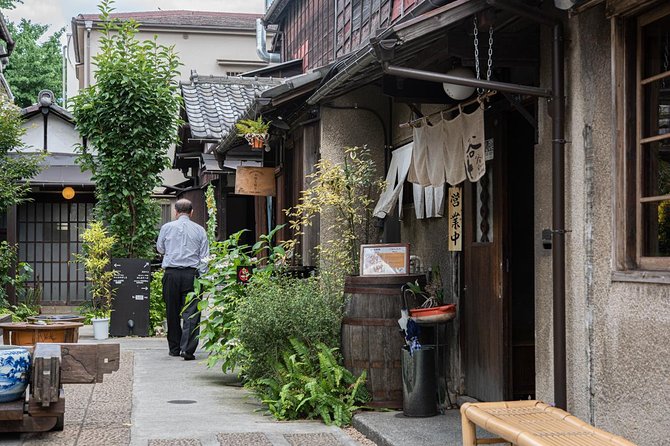
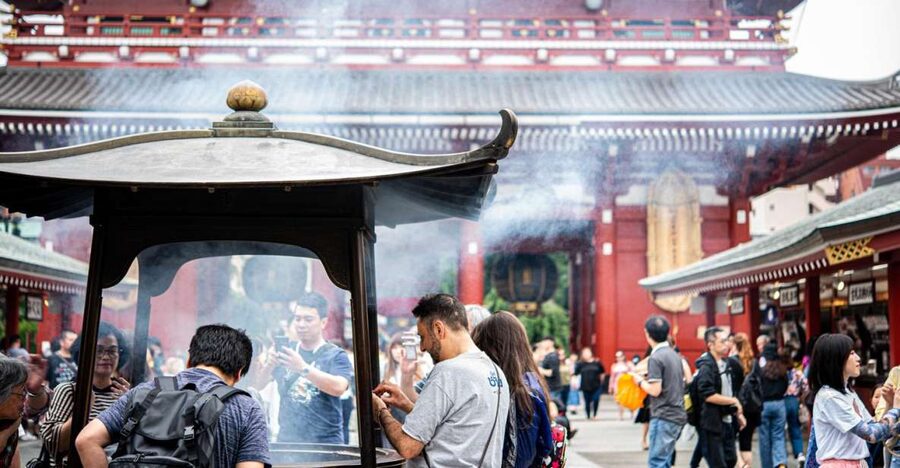
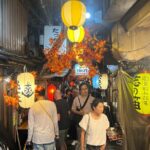
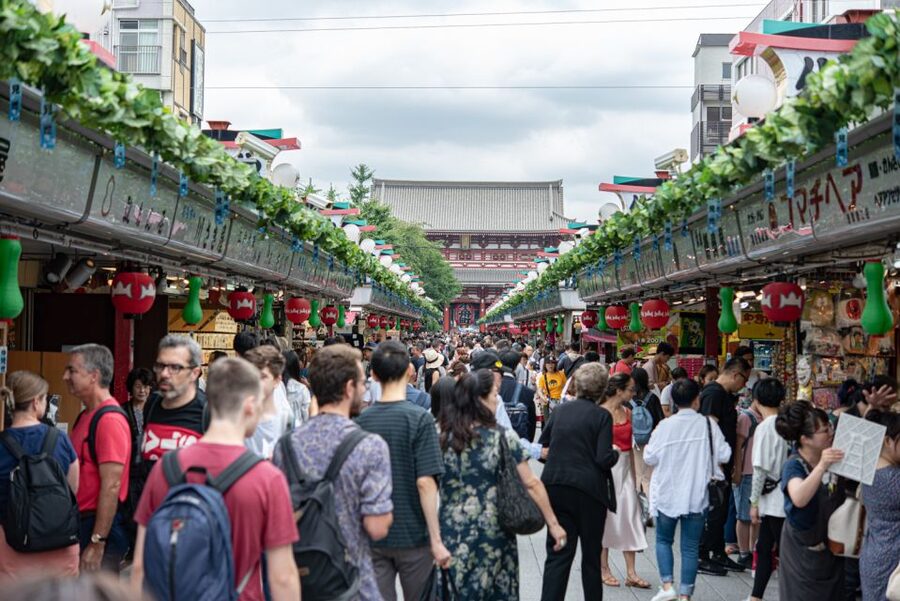
Many visitors see Asakusa through one narrow frame: Kaminarimon Gate, Nakamise shopping street, and the huge Sensoji Temple. Those places deserve your time, but they show only the most polished part of the district. This experience uses food to lead you into the wider neighborhood, where small shops and local restaurants give you a better sense of daily life.
The route involves about 1 to 2 kilometers of walking. That is not a strenuous hike, but you will be on your feet between stops, and summer heat can make the distance feel longer. Wear comfortable shoes and keep some water with you.
I particularly like the tour’s balance between eating and explanation. You are not simply handed a plate and told what it is. Your guide explains how the food fits Japanese culture, how to approach it, and what makes each stop worth your time.
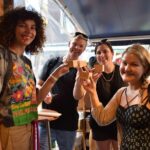
The limited group size matters here. A group of six can fit into a small restaurant or standing sushi shop more easily than a large tour party. You also have a better chance to ask about ingredients, manners, local customs, and anything you noticed while walking.
The experience has earned especially strong praise for its guides. Max has led groups through two sit-down restaurants and two additional food stops, while Shino has been noted for keeping everyone comfortable and involved. Chi has helped explain Japanese food customs clearly, including sushi etiquette. Another guide, Leigh, was praised for arranging the stops in a logical order and handling English conversation throughout the walk. The exact guide depends on the date, but the format calls for a live English-speaking guide.
A few more Tokyo tours and experiences worth a look

Starting with standing sushi and Japanese food manners
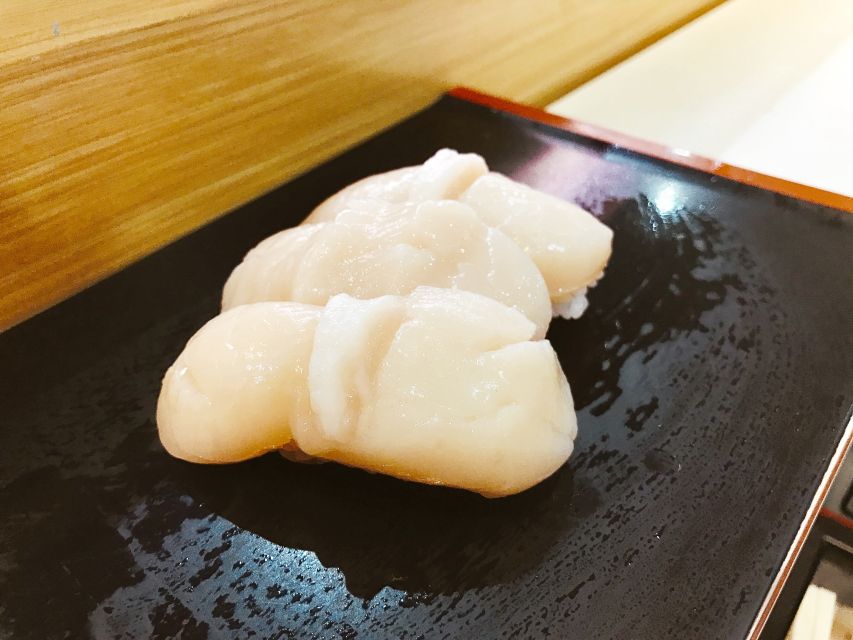
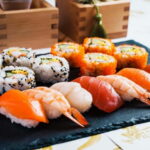
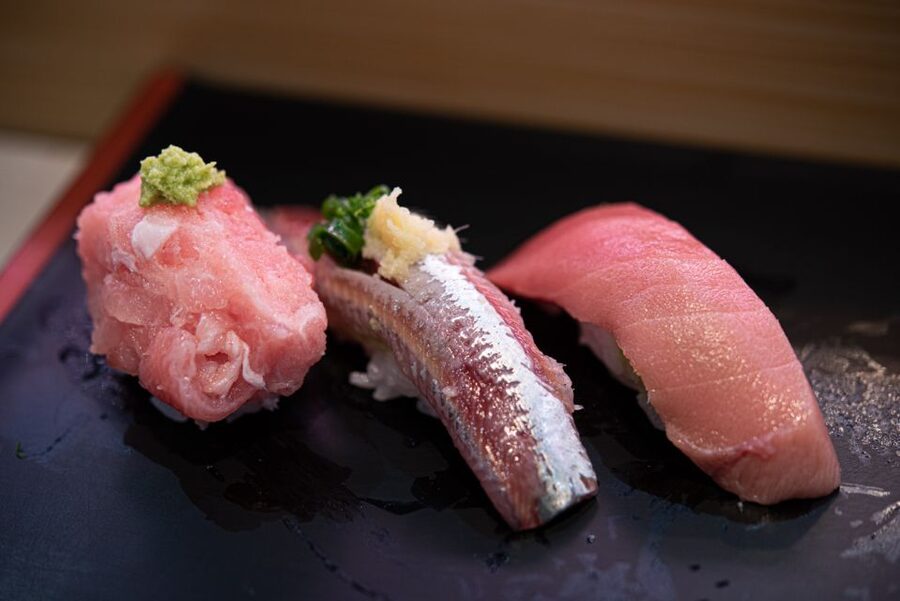
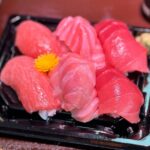
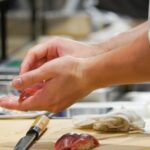
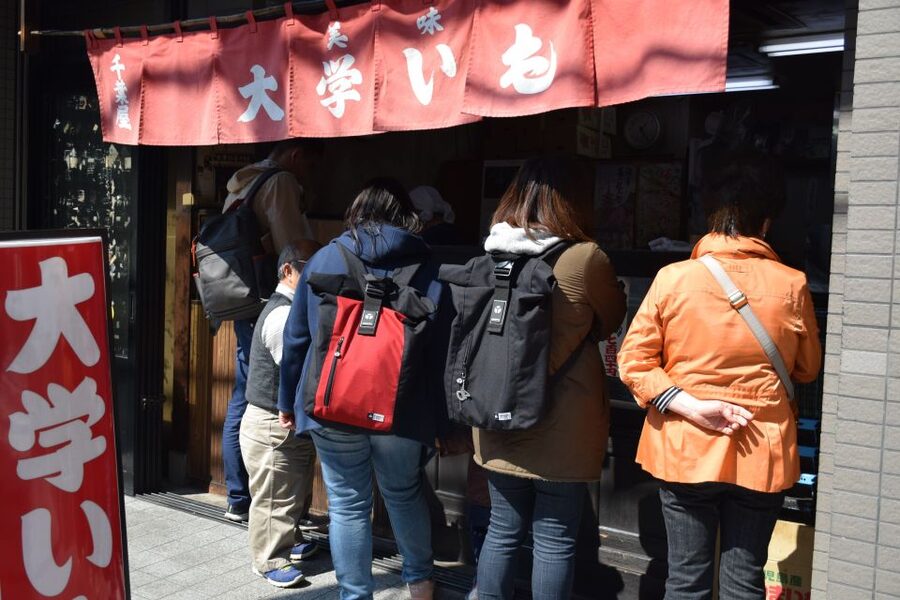
The first major stop is a standing sushi restaurant owned by a fish dealer. This is a smart introduction because it links the meal to the way sushi developed in Japan. Sushi was once considered quick, casual food, rather than the formal treat many visitors imagine today.
You will taste fresh seafood and learn how to eat sushi properly. That can include the practical details many first-time visitors miss: how to handle a piece, how to use soy sauce sensibly, and how to respect the pace of a small sushi counter. The point is not to make eating feel fussy. It is to help you understand the custom behind the meal.
This stop may be especially useful even if you already eat sushi often. One participant who had eaten sushi for years still found the guidance worthwhile and considered the meal the best sushi of the trip. That says more about the explanation and freshness of the setting than about the need for strict rules.
A standing restaurant is also different from a long, relaxed dinner. You should expect a quick, focused stop, not a private table or a long menu consultation. If you have strong seafood preferences, allergies, or dietary limits, tell the guide at the start and ask what can be adjusted. The supplied details do not promise a vegetarian, vegan, or allergy-specific menu.
Soba and gyoza in a family-run restaurant
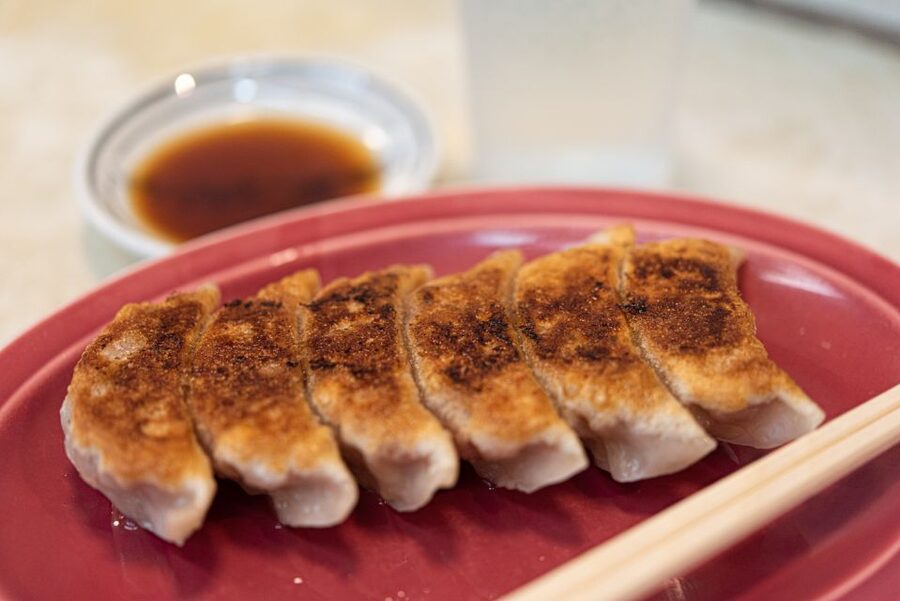
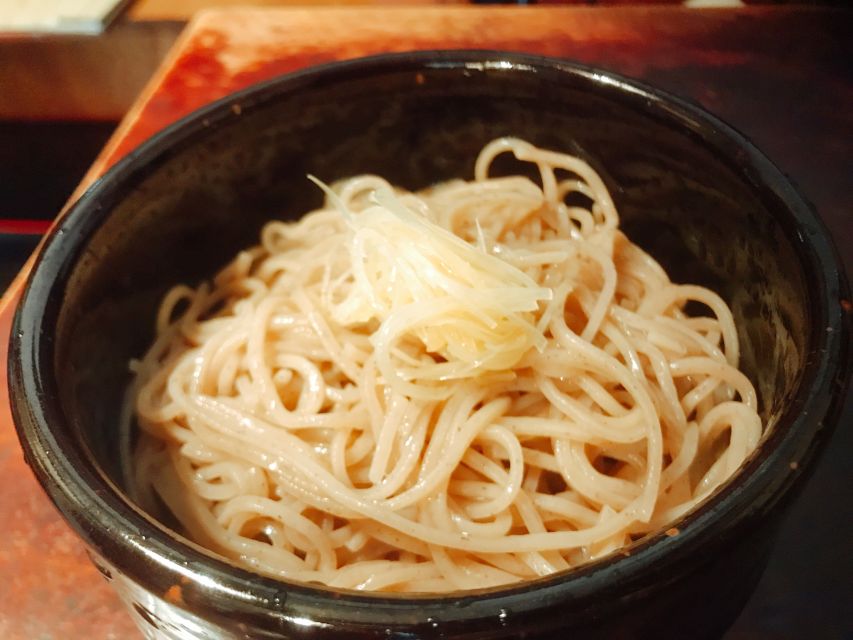
Next comes a family-owned soba restaurant where you enjoy fresh soba and gyoza. This is one of the tour’s most useful stops because it shows a more ordinary side of Japanese dining than the famous temple streets do.
Soba, made from buckwheat, is a staple meal in Japan. Here you can focus on the texture, the way the noodles are served, and the habits that go with eating them. Gyoza adds a different taste and texture, making the stop feel like a proper lunch rather than a string of tiny samples.
The restaurant is described as a place mainly used by locals. That does not mean it will be empty or completely removed from the tourist circuit, but it does suggest a more everyday setting. You get to sit down, eat a substantial portion, and ask your guide about the restaurant and the meal.
Several food stops are arranged in a particular order, so you are unlikely to be wandering randomly from one bite to the next. The timing also makes sense: sushi first, then a filling noodle course, followed by smaller sweets and snacks. By the end, you should have eaten a full lunch.
That fullness is important when judging the $76 price. This is not a cheap snack crawl. You are paying for several lunch-size tastings, a guide, cultural explanation, and access to small food businesses that can be hard to find on your own. If you want the lowest possible food cost, you can eat soba or sushi independently for less. If you want several dishes and local guidance in one compact outing, the price is easier to justify.
Handmade rice crackers with a century of trade
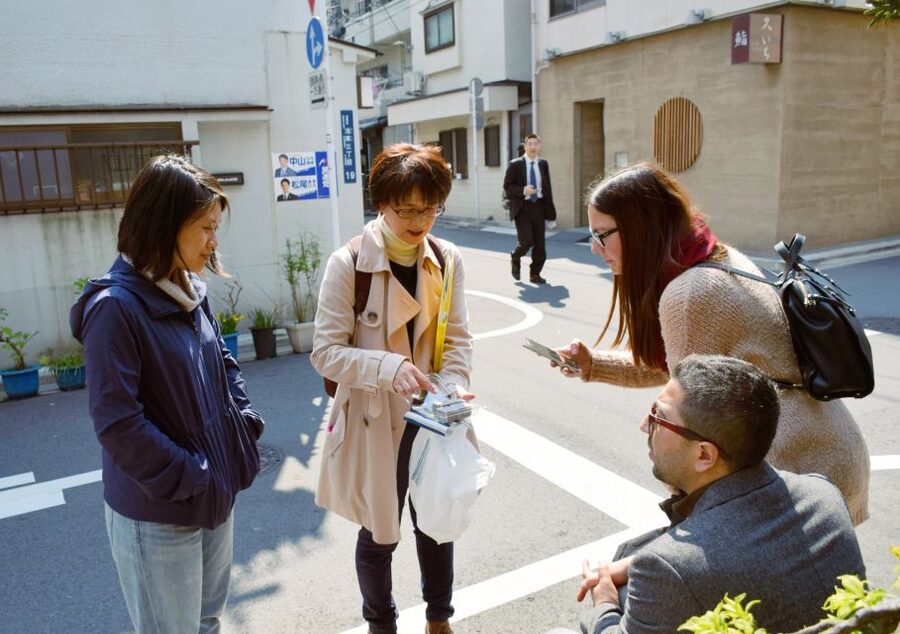
The walk also stops at a local rice cracker shop with more than 100 years of history. Handmade rice crackers are easy to overlook when you are focused on sushi and ramen, but they offer a useful look at traditional Japanese snack-making.
This is the kind of stop that gives the tour variety. After seafood and noodles, a crisp rice-based snack resets your palate and introduces a food you may not think to order in a restaurant. The shop’s long family connection also gives your guide something concrete to explain about the neighborhood and its food traditions.
Do not expect a large meal at this point. The value here comes from tasting a local specialty in the place associated with it, rather than buying a packaged version at a convenience store. You may also have a chance to ask which crackers are made by hand and how they differ in flavor or texture, though the exact selection can vary.
Tokyo snacks that began at a food stand
Another stop features Japanese snacks that began with a Tokyo food stand about 50 years ago. The description does not specify every item, so you should think of this as a tasting of local snack culture rather than a guaranteed single dish.
That uncertainty can be part of the appeal, but it also means you should not book the tour expecting one exact menu. Food availability may shape the day’s selections. The core promise is a broad set of local tastings, not a fixed restaurant menu.
This stop helps keep the tour from becoming a standard sushi-and-soba circuit. Japan has a large range of small snacks that are tied to neighborhood habits, family businesses, and casual eating. Your guide can explain what you are trying and how locals usually approach it.
The food is designed to stretch your taste a little while remaining approachable. One guide was praised for accommodating special requests, but you should still share dietary concerns before the food begins. The available information does not confirm a dedicated substitute menu.
A few more Tokyo tours and experiences worth a look
Sensoji Temple after lunch
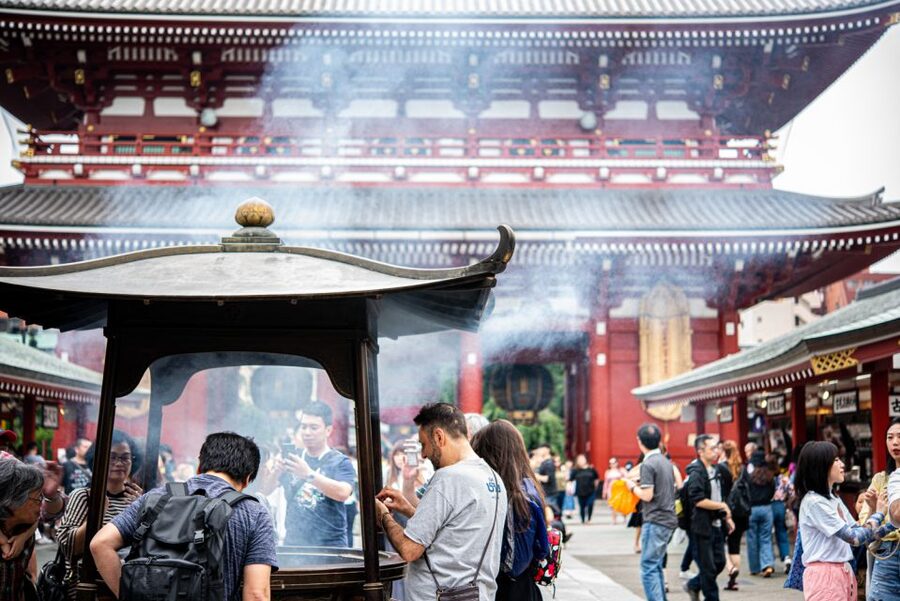
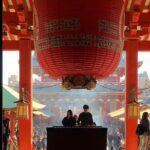
Sensoji is one of Tokyo’s largest and best-known temples, and it brings a cultural focus to the end of the tour. You will not simply pass it on the way to lunch. Your guide explains Japanese culture and history, giving you context for the temple and the district around it.
This is a useful order. After learning about local shops and eating customs, you can look at Asakusa’s most famous religious site with a wider understanding of the neighborhood. Sensoji is not an obscure stop, but the guide’s explanation can help you notice more than the gate and the main hall.
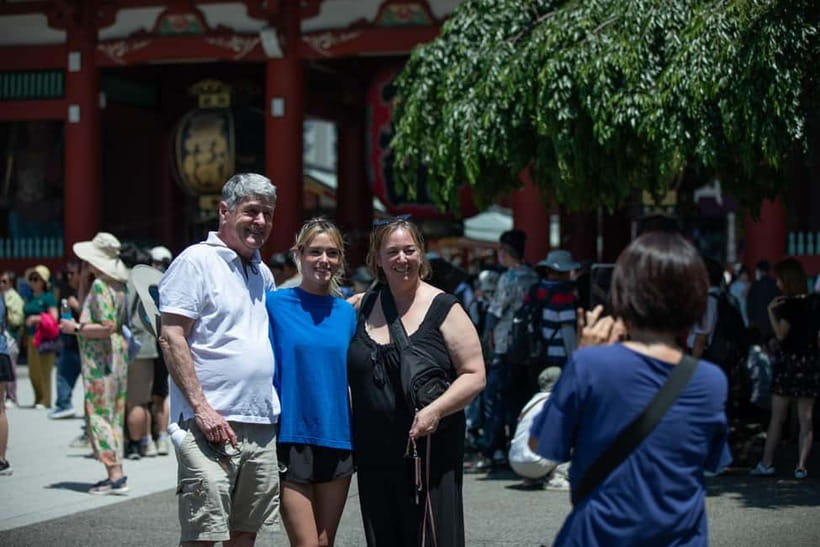
The temple area can be crowded, especially around major sightseeing hours. That is one reason the quieter food stops matter. The tour does not pretend that all of Asakusa is calm and local. Instead, it combines the popular temple with less obvious restaurants and shops.
You should also keep your expectations realistic about the temple visit. The total activity lasts 150 minutes, so this is an introduction rather than an extended temple tour. If you want detailed time for photography, shopping along Nakamise, or independent temple exploration, plan to return after the food tour.
How the timing and group size affect the experience
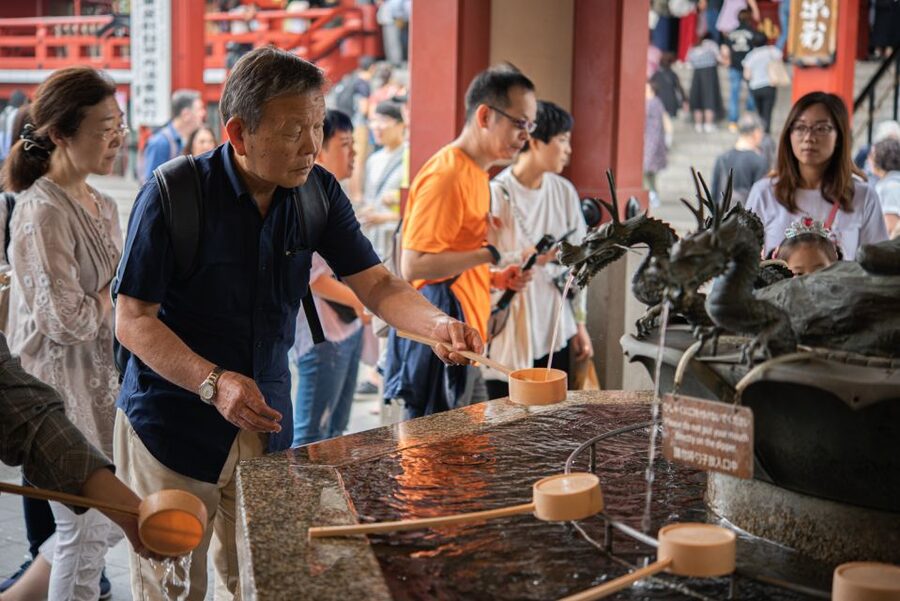
The tour runs from 11:30 a.m. to 2 p.m. This is convenient because the tastings replace lunch, but it leaves little room for lateness. Arrive at the meeting point, Hinatomaru Kaminarimon at 1 Chome-20-3 Asakusa, with enough time to find the guide.
The schedule also means you may be eating during normal lunch hours. That can make local restaurants feel more active, and small counters may not offer much room to linger. The benefit is a natural meal time. The tradeoff is that you will not control every pause.
The walking is moderate, but the heat matters. On a hot day, a guide may build in rest stops out of the sun and remind you to drink. Still, comfortable shoes are essential, and anyone who struggles with heat should consider the season and forecast before booking.
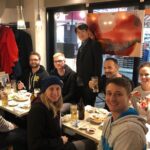
A group limited to six is a real advantage in Asakusa. You can hear the guide without a microphone, move through narrow spaces, and ask questions without holding up a large crowd. Families can also find the format workable. One guide was praised for engaging both older adults and children, and for adjusting the pace during a very hot day.
Transportation is not included. That is not a problem if you are already in Asakusa, but you need to arrange your own way to the meeting point. The tour itself is a walking experience, not a vehicle-based sightseeing trip.
What the $76 price gets you
At $76 per person, this is a midrange food experience for Tokyo. The key question is not whether you could buy individual dishes for less. You almost certainly could. The question is how much you value a prepared route, an English-speaking guide, food history, eating advice, and several stops in two and a half hours.
The included tastings are described as a full lunch size. That makes the cost more reasonable than a tour offering only a few bites. You are likely to leave fed, not ready to search for another meal immediately.
The tour also saves research time. You do not need to identify a fish-dealer sushi shop, locate a family soba restaurant, find an old rice cracker store, and work out how to order at each place. The guide handles the route and translation while you focus on eating.
The value is strongest for a first visit to Tokyo or for anyone who wants help with Japanese food customs. It is less compelling for experienced Asakusa visitors who already know the neighborhood and are comfortable ordering on their own.
The booking terms add flexibility. You can cancel up to 24 hours ahead for a full refund, and you can reserve now while paying later. Check the available start time before booking, since the stated tour window is 11:30 a.m. to 2 p.m.
Who should book this Asakusa experience
I would recommend this tour to first-time Tokyo visitors who want more than a checklist of famous sights. It gives you a useful introduction to sushi manners, soba, gyoza, traditional snacks, and Sensoji without requiring a full day.
It is also a good fit for families and mixed-age groups. The small party size makes questions easier, and the pace can be adjusted to some degree. Children may enjoy the variety, though the food is not presented as a special children’s menu.
Food-curious visitors will get the most from it. You do not need to be an expert, but you should be willing to try foods you may not have ordered alone. The tour is built around tasting and explanation, not simply choosing familiar dishes.
I would be more cautious if you have strict dietary restrictions, dislike seafood, or want a completely private itinerary. The available information does not promise full menu customization or a private group. Ask before booking if you need specific substitutions.
This also suits people who prefer a guided introduction followed by independent exploring. Once the tour ends near Sensoji, you can continue around the temple district on your own, revisit a shop, or use your new food knowledge to order another meal elsewhere.
Should you book the Asakusa food hunt?
Book it if you want a filling lunch, a compact walk, and a guide who can explain what you are eating and why it matters. The best parts are the standing sushi lesson, the local soba and gyoza restaurant, the long-running family shops, and the chance to see more of Asakusa than the main temple approach.
Skip it if you prefer to choose every dish yourself, need a guaranteed specialized diet, or already know Asakusa’s food scene well. For most first-time visitors, the $76 cost is fair because it combines food, translation, local context, and several stops in a small group.
Arrive ready to walk, eat a proper lunch, and try something unfamiliar. That is where this tour earns its place in a Tokyo itinerary.
FAQ
How long does the Asakusa food tour last?
The tour lasts 150 minutes, from 11:30 a.m. to 2 p.m.
Where does the tour meet?
The meeting point is Hinatomaru Kaminarimon, located at 1 Chome-20-3 Asakusa, Taito City, Tokyo.
How much walking is involved?
You will walk approximately 1 to 2 kilometers between food stops and cultural sights.
What food is included?
The tastings include sushi, soba, gyoza, handmade rice crackers, and Japanese snacks. The food is intended to provide a full lunch.
Is the tour conducted in English?
Yes. The experience includes a live English-speaking guide.
How many people are in the group?
The group is limited to six participants.
More Historical Tours in Tokyo

More Food Experiences in Tokyo
More Asakusa Tours in Tokyo
More tours in Tokyo we've reviewed




Asakusa Tours, compared.
 ★ 4.8Tokyo: Japanese Dance Cabaret Theater Asakusa-Kaguwa TicketFrom $492 hours
 ★ 4.7Tokyo: Meiji Shrine, Asakusa, Skytree Bus Tour and CruiseFrom $12210 hours
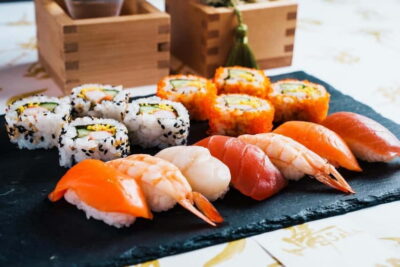 ★ 4.9Tokyo: Roll and Authentic Sushi Making Class in AsakusaFrom $581h 40m
 ★ 4.8Tokyo: Asakusa Walking Tour with Sensoji Temple VisitFrom $222 hours
 ★ 5.0Tokyo Asakusa Rickshaw TourFrom $42
 ★ 4.5Tokyo Panoramic 1 Day: Meiji Shrine, Asakusa, Odaiba and SKYTREE®From $85