Reviewed · TSUKIJI MARKET TOURS
Tokyo Tsukiji Fish Market Food and Walking Tour
Tsukiji is best understood with someone who knows which lane to take and which stall deserves your attention. This two-hour walking tour links the calm of Tsukiji Hongwanji Temple with the noise, smells, and sharp-eyed vendors of the market, then finishes among roughly 400 shops in Tsukiji Jogai Market.
In This Article
- Key points at a glance
- Why Tsukiji works better with a guide
- Tsukiji Hongwanji Temple: a calm beginning
- Tsukiji Fish Market: 50 minutes of history and orientation
- Tsukiji Jogai Market: the food-focused finish
- What the food experience really includes
- Guides who add the most value
- Is $21.14 a good price?
- Meeting point, timing, and practical details
- Who should book this Tsukiji walk?
- My verdict: book it for guidance, not a free breakfast
- FAQ
- How long does the Tsukiji Fish Market Food and Walking Tour last?
- Where does the tour begin?
- Where does the tour end?
- Is food included in the tour price?
- Is admission included?
- What places does the tour visit?
- How many people can join the tour?
- Are digital photos included?
- Is the tour available on a mobile ticket?
- What is the cancellation policy?
I like the small-group limit of 10 people, which gives you a better chance to hear the guide and ask about unfamiliar foods. I also like the practical tips: guides such as Yayoi, Shino, Jim, Nao, and Yota have been praised for explaining local customs and pointing out good-value stalls. The main catch is that food and drinks are not included, so the tour price covers guidance rather than a full tasting menu.
Key points at a glance
- Start with a striking temple: Tsukiji Hongwanji offers a quiet look at local Buddhist customs before the market visit.
- See the working market area: Learn how Tsukiji grew into one of Japan’s best-known seafood centers.
- Use the guide’s stall advice: The tour helps you choose among sushi, tuna, oysters, tamagoyaki, eel, Wagyu beef, snacks, and sweets.
- Keep the group manageable: The maximum is 10 people, though one reported tour became larger when a second guide was late.
- Bring an appetite and cash for food: The tour does not include food or drinks, and buying extra items is up to you.
- Get digital photos: Your guide takes photos during the walk, giving you a useful record of the morning.
Why Tsukiji works better with a guide
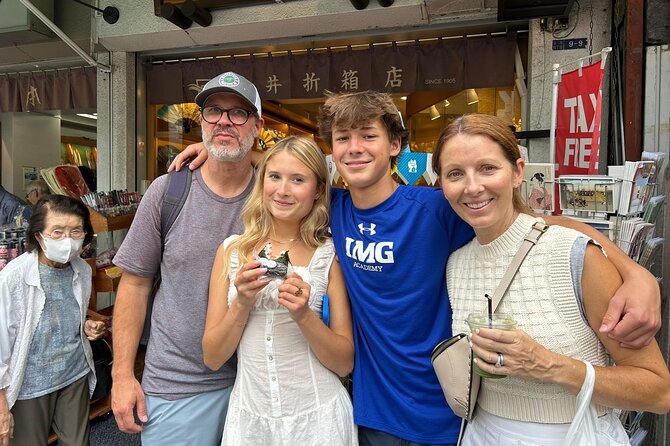
Tsukiji is not simply one market building. It is a district of food shops, seafood counters, small restaurants, kitchen suppliers, snack vendors, and narrow lanes where several things may be happening at once. You can certainly walk through it alone, but a first visit can become a series of random purchases and missed corners.
This tour gives the area a clear shape. You begin at Starbucks Coffee near Tsukiji Station, visit the temple, move through the market, and finish back at the starting point. That route matters because it places the food in context instead of treating Tsukiji as a string of photo stops.
The guide also helps with customs and everyday manners. That can be especially useful when you are unsure whether a stall is meant for browsing, quick eating, or buying ingredients to take away. The strongest guide comments focus on local perspective, food traditions, and practical choices rather than a long lecture.
The tour earns a 4.9 rating from 107 reviews, with 98 percent recommending it. Those numbers suggest a very dependable experience, but you should still understand what you are paying for: a guided introduction and food-market advice, not an all-inclusive food crawl.
A few more Tokyo tours and experiences worth a look


Tsukiji Hongwanji Temple: a calm beginning
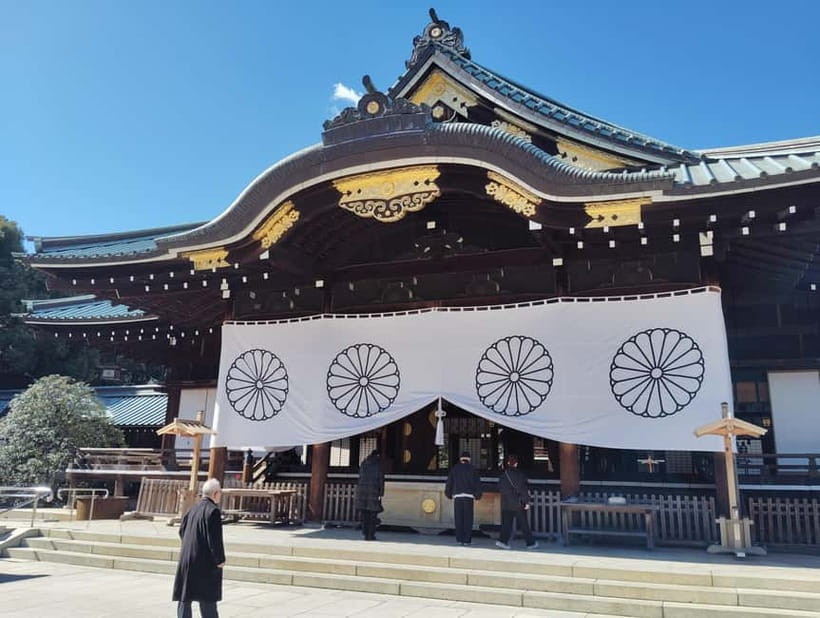
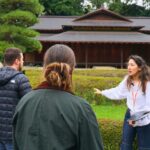
The first stop lasts about 15 minutes. Tsukiji Hongwanji Temple has more than 400 years of history, and the tour uses this brief visit to explain customs and practices before you enter the market.
The temple is a smart opening stop. Tsukiji can feel crowded and sensory-heavy, while the temple gives you a quieter place to learn how religion, ritual, and food customs fit into Japanese life. One review specifically praised the temple for its Indian-style appearance, so expect architecture that may not match your picture of a traditional Japanese temple.
Do not expect a long temple tour. Fifteen minutes is enough for an introduction, a look around, and a few questions. If temple architecture is your main interest, you may want to return independently. On this tour, the temple is a short but useful preface to the market.
I especially like the order of the stops. You first hear about customs, then see how those customs connect to food, vendors, and daily routines. It makes the later walk more meaningful than simply arriving hungry and following the crowd.
Tsukiji Fish Market: 50 minutes of history and orientation
The second stop lasts about 50 minutes and covers Tsukiji’s 80-year history as one of Japan’s biggest fish markets. The guide explains the district’s role and points out important parts of the market area.
This is the orientation section. You learn what makes Tsukiji different from a regular shopping street and how to read the market as a place of trade, food preparation, and local business. The guide’s value is not just naming fish. It is explaining why particular shops matter and how to approach the market without wasting your short time in Tokyo.
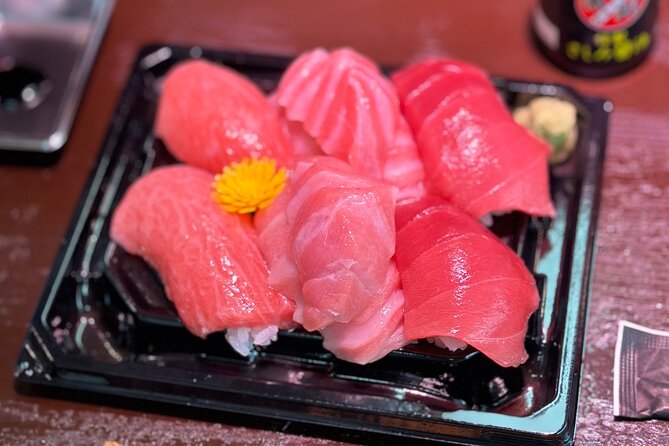
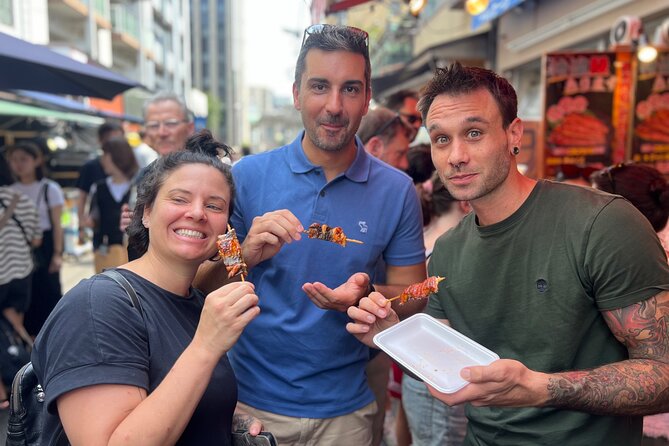
The food choices can be wide. Depending on the guide and the day, you might hear about or purchase sushi, fresh tuna, oysters, Japanese rolled omelet, eel, Wagyu beef, nuts, seaweed snacks, whiskey, and sweets. One group sampled or tried many different foods, while another found that only a few small samples were offered. That difference is important.
Do not book this expecting a guaranteed meal. Food and drinks are excluded, and the amount of tasting appears to vary. Your guide may lead you to excellent vendors and explain what to order, but you pay for anything you choose to eat. If you skip breakfast, you may want enough money and appetite to make the most of the stalls.
The market section is also a good fit for cautious eaters. One review came from a couple who did not consider themselves food enthusiasts but still enjoyed the experience. You can ask questions before buying something unfamiliar, and the guide may help explain cuts, ingredients, or preparation.
Tsukiji Jogai Market: the food-focused finish
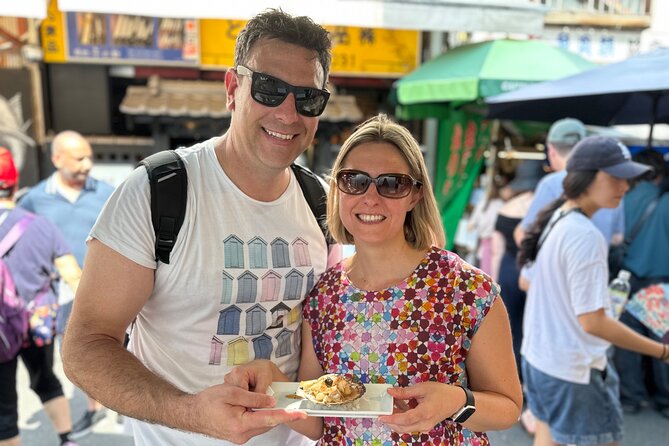
The final main stop is Tsukiji Jogai Market, a district described as having about 400 street shops and vendors. The tour allows roughly 50 minutes here, making this the most useful section for food decisions and shopping ideas.
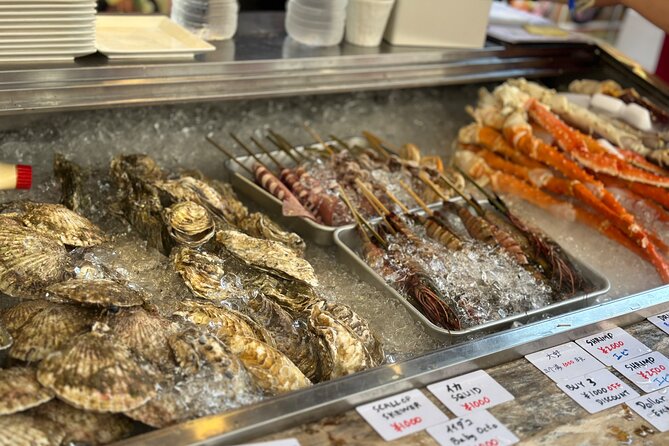
This is where the tour becomes practical. Rather than simply telling you that the market has good seafood, the guide can direct you toward specific stalls and traditional foods. Several guides received praise for finding good value and steering people away from tourist traps. That advice can easily be worth more than a few minutes of independent wandering, especially if you have only one morning for Tsukiji.
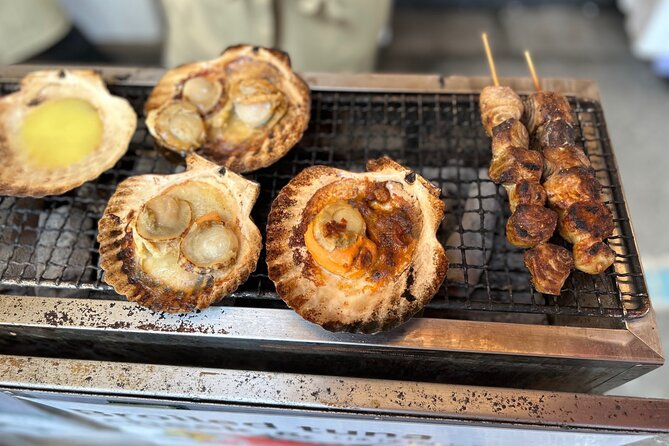
You may see seafood counters, tuna, oysters, prepared foods, snacks, and sweets. The exact choices depend on the shops open that day and the guide’s route. One small group visited five or six stalls, which gives you a reasonable sense of the market without trying to cover every shop.
The pace should suit most people. You have time to listen, look, and make a purchase, but not enough time for a long sit-down meal at each stop. If you want to buy several items, plan your spending before you arrive. The tour is best viewed as a guided sampler and orientation walk, with optional purchases along the way.
A useful tip from one review involved buying food at the back of the market and renting a grill on top of the market. That option was not included in the regular tour, and it may not be explained on every departure, but it is worth asking your guide about if you want a more unusual market meal afterward.
What the food experience really includes
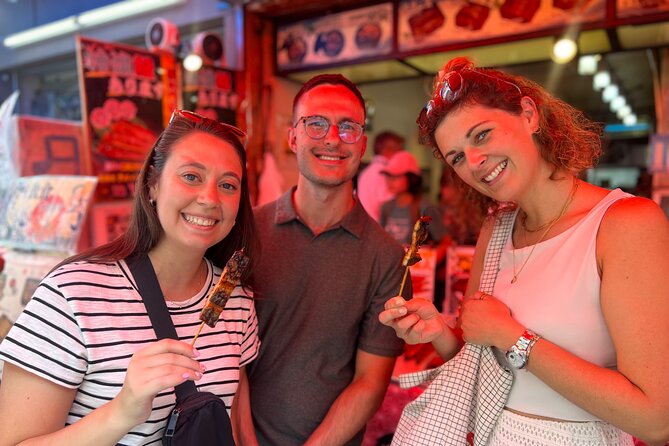
The word food in the tour title needs a little care. The experience includes a walk through food stalls and advice on what to try, but the official inclusions do not list food or drinks. That means you should budget separately for every tasting, snack, or meal.
In practice, the food side can range from a few small samples to several purchases and tastings. Some people tried a long list of foods and left extremely full. Another person found that the tour offered only a few samples, such as nuts and seaweed snacks. This may reflect different guides, different market conditions, or different expectations.
I would treat the food as flexible rather than fixed. You get the chance to discover items you might not find alone, and you choose what to buy. That is a fair setup for people with specific tastes, allergies, or limited appetites, but it is less satisfying if you want a set menu included in the price.
Come ready to ask questions. Guides have explained tuna cuts, types of Wagyu, local customs, and the background of Japanese foods. If you are curious about sushi, seafood, or market cooking, the guide’s recommendations can help you spend your money wisely.
Other walking tours we've reviewed in Tokyo



Guides who add the most value
Guide quality matters a lot on a market walk, and the feedback gives several names to look for when they appear in your booking details. Yayoi was praised for finding many food options and offering strong recommendations. Shino was described as thoughtful about the group’s needs while leading an interesting food and temple walk.
Jim received praise for combining market history with Japanese customs and the Shinto background of food. Nao was noted for explaining culture, history, and good places to eat, while Yota was described as easy to understand and well informed about the produce.
Other guides named in the feedback include Riki, Hayden, Doren, and Shingo. The recurring strength is not a single scripted speech. It is the guide’s ability to answer questions, keep the group moving, and connect the stalls with everyday Japanese culture.
There is one warning about group size. The normal cap is 10 people, but one departure became a larger group when a partner guide was late. The remaining guide was still praised for handling the situation well, but a larger group can make narrow market lanes and food decisions less personal.
Is $21.14 a good price?
At $21.14 per person, this is inexpensive for a guided Tokyo experience. The price includes a professional local guide, market and temple access, historical explanation, and digital photos. It does not include the food you are likely to want once the walk gets going.
The value depends on how much help you need. If you are comfortable navigating Japanese food stalls, researching Tsukiji beforehand, and deciding what to buy, you can walk the area on your own. If you want a fast introduction with fewer wrong turns, the price is easy to justify.
The small group improves the value. With up to 10 people, you should have a better chance to ask about food, customs, and shopping. The photo service is a modest extra, but useful when you are busy holding a snack or looking at the stalls.
The tour also saves time. Two hours is short enough to fit into a morning, and one departure began at 9:00 a.m. and finished early enough for more city sightseeing. The times offered can vary, so check your selected departure, but the overall format suits a busy Tokyo schedule.
Meeting point, timing, and practical details
The meeting point is the Starbucks Coffee near Tsukiji Station at 2 Chome 12-8, Chuo City, Tokyo 104-0045. The tour ends back at that same meeting point, which makes it easy to continue exploring Tsukiji or move on to another part of the city.
A mobile ticket is provided, and confirmation arrives when you book. The area is near public transportation, and most people can take part. You should still wear comfortable shoes because the experience is a walking tour through market lanes and public streets.
Plan to arrive ready for a morning food walk. The tour lasts about two hours, with 15 minutes at the temple, 50 minutes at the fish market, and 50 minutes in Jogai Market. The stated stop times add up to slightly less than two hours, allowing room for meeting, movement, and transitions.
The cancellation rule is simple: cancel at least 24 hours before the start time for a full refund. Changes or cancellations inside that 24-hour window are not accepted for a refund, and the cut-off uses Tokyo local time.
Who should book this Tsukiji walk?
I would recommend it to first-time visitors who want a quick introduction to Tsukiji without spending hours researching vendors. It is also a good match for people who want food guidance but do not want a formal restaurant meal or a long cooking class.
Families and mixed-interest groups may like the balance. The temple gives non-food fans something to enjoy, while the market offers plenty for people who want sushi, seafood, sweets, or Japanese snacks. One review found the tour enjoyable even for people who were not serious food enthusiasts.
You should think twice if you want a large, guaranteed tasting menu. You should also consider going alone if you prefer a slow pace, long meals, or complete control over every stop. The tour moves through several places in a limited time, and food purchases remain your responsibility.
My verdict: book it for guidance, not a free breakfast
This is a strong-value introduction to Tsukiji. I like the clear route, the temple-to-market structure, the small group, and the practical stall advice. The best guides turn a confusing food district into an easy morning, and names such as Yayoi, Shino, Jim, Nao, and Yota have earned especially warm praise for culture and food guidance.
Book it if you want someone to explain what you are seeing and help you choose where to spend your yen. Skip it if you expect food and drinks to be included, or if you already know Tsukiji well. Bring an appetite, but bring a wallet too.
FAQ
How long does the Tsukiji Fish Market Food and Walking Tour last?
The tour lasts approximately two hours.
Where does the tour begin?
It begins at Starbucks Coffee near Tsukiji Station, at 2 Chome 12-8, Chuo City, Tokyo 104-0045.
Where does the tour end?
The activity ends back at the meeting point.
Is food included in the tour price?
No. Food and drinks are not included, so you pay separately for anything you choose to eat or drink.
Is admission included?
Entry or admission for Tsukiji Fish Market, Tsukiji Jogai Market, and Tsukiji Hongwanji Temple is included.
What places does the tour visit?
The route includes Tsukiji Hongwanji Temple, Tsukiji Fish Market, and Tsukiji Jogai Market.
How many people can join the tour?
The tour has a maximum of 10 travelers.
Are digital photos included?
Yes. The guide takes photos during the tour, and digital photos are included.
Is the tour available on a mobile ticket?
Yes. The experience provides a mobile ticket.
What is the cancellation policy?
You can cancel at least 24 hours before the start time for a full refund. Cancellations or changes made less than 24 hours before the start time are not accepted for a refund.
More Food Experiences in Tokyo


More Walking Tours in Tokyo
More Tsukiji Market Tours in Tokyo

More tours in Tokyo we've reviewed












Tsukiji Market Tours, compared.
 ★ 5.0Tokyo Tsukiji Fish Market Food and Culture Walking TourFrom $99
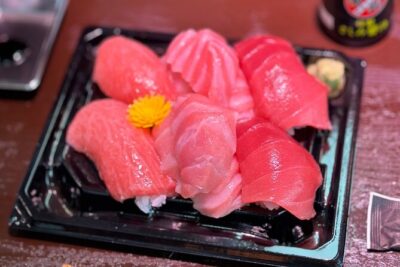 ★ 5.0Tokyo: Tsukiji Fish Market Food and Walking tourFrom $30
 ★ 4.9Tokyo: Tsukiji Fish Market Guided Walking TourFrom $222 hours
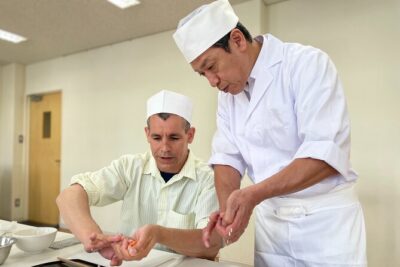 ★ 5.0Tokyo Sushi Making Class in Tsukiji with Professional ChefFrom $49
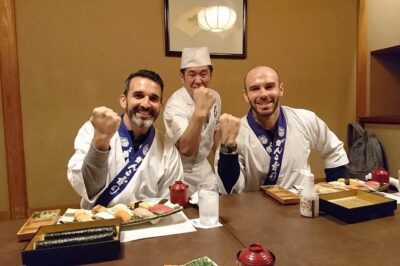 ★ 5.0Tsukiji Fish Market Guided Tour and Sushi Making with Pro ChefFrom $104
★ 4.7Tokyo: Tsukiji Fish Market Food and Culture Walking TourFrom $963 hours
★ 5.0Tsukiji Fish Market Guided Tour and Sushi Making with Pro ChefFrom $104
★ 4.7Tokyo: Tsukiji Fish Market Food and Culture Walking TourFrom $963 hours