Reviewed · TSUKIJI MARKET TOURS
Tokyo’s Kitchen: Tsukiji Market Food & Culture Walk
Tokyo’s famous fish market is best understood with something in your hand and a local guide beside you. This three-hour walk through Tsukiji Outer Market pairs fresh sushi and market snacks with stories about sushi, food rituals, and the shrines that watch over this working district.
In This Article
- Key points to know before you book
- Starting beneath Kabukiza at Higashi-ginza
- Kabuki Inari Shrine and the first look at Tokyo’s food culture
- Tsukiji Outer Market, where tasting becomes a lesson
- Sushi history, tuna, and the market after Toyosu
- Namiyoke Inari Jinja and the spiritual side of Tsukiji
- What the three hours feel like
- Weather, food needs, and family details
- Is $80 a fair price for this Tsukiji walk?
- Who will get the most from this experience?
- Practical details before you reserve
- Should you book the Tsukiji food walk?
- FAQ
- Where does the Tsukiji food tour begin?
- Where does the tour finish?
- How long does the experience last?
- What food and drinks are included?
- Can vegetarian or vegan visitors join?
- What should I wear to the market?
- How many people are in the group?
I like the tiny group, limited to six people, and the way guides such as Oku, Mikki, Mihori, Shino, and Yumi have helped visitors move through the crowded lanes without feeling lost. I also like the mix of tastings: sashimi, tamagoyaki, Kobe beef skewers, matcha, mochi, seasonal wagashi, dashi, and sometimes sake. The main drawback is that the market can be wet, windy, crowded, and hard to enjoy if you arrive after a full breakfast.
Key points to know before you book
- The food comes in many small tastes: You may sample sushi, sashimi, tamagoyaki, sweets, tea, soybeans, dashi, beef, tuna, and other market foods.
- Six people is the maximum: A small group makes it easier to ask questions, stay together, and visit stalls without blocking the lanes.
- The market is Tsukiji Outer Market: The wholesale tuna auction moved to Toyosu, but Tsukiji remains a lively food district with shops, counters, and working vendors.
- Two shrines add cultural context: Kabuki Inari Shrine begins the walk, while Namiyoke Inari Jinja brings food customs and simple Japanese rituals into focus.
- Arrive hungry but not rushed: The food is served across the morning, and some tastings may involve queues or brief waits.
- Wear closed-toe shoes: Market floors can be wet, and sneakers are a sensible choice.
Starting beneath Kabukiza at Higashi-ginza
The meeting point is Higashi-ginza Station, Exit 3, at street level in front of Kabukiza Theatre. Look on the Harumi Street side for the small shrine and torii gate near the top of the escalator.
That location gives you a useful first clue about the tour. You are not simply being dropped into a seafood market. The walk begins at Kabuki Inari Shrine, a small religious site linked to the theatre district, then connects the food stalls to everyday Japanese customs.
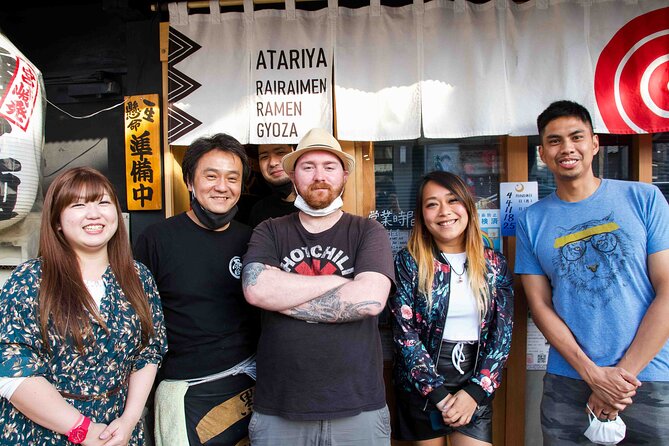
Your English-speaking guide handles the introductions and sets the pace for the morning. Guides have used photos, maps, and models to explain unfamiliar foods and market practices, which can help when names such as dashi, tamagoyaki, wagashi, and sashimi start arriving faster than you can remember them.
The small group matters here. Tsukiji lanes are easy to enter but not always easy to read. Signs may be in Japanese, stalls can look similar at first, and some food shops are tucked into busy rows. With only six people, you should have room to ask what something is before deciding if you want to try it.
A few more Tokyo tours and experiences worth a look


Kabuki Inari Shrine and the first look at Tokyo’s food culture
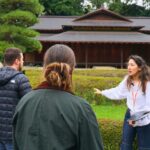
Kabuki Inari Shrine is a short opening stop, but it helps frame the neighborhood. Your guide introduces the simple gestures used to show respect and explains how Shinto customs fit into daily life.
This is not a long temple visit, and you should not expect a formal religious ceremony. Instead, it is a quiet orientation before the market becomes noisy and crowded. You learn to notice the small shrine, the torii gate, and the place of ritual in a district better known for knives, fish, tea, and sweets.
That beginning is useful because Tsukiji is more than a place to eat. Food preparation, seasonal ingredients, craftsmanship, and religious customs often sit close together in Japanese life. The tour keeps returning to that connection rather than treating the market as a string of unrelated samples.
Tsukiji Outer Market, where tasting becomes a lesson
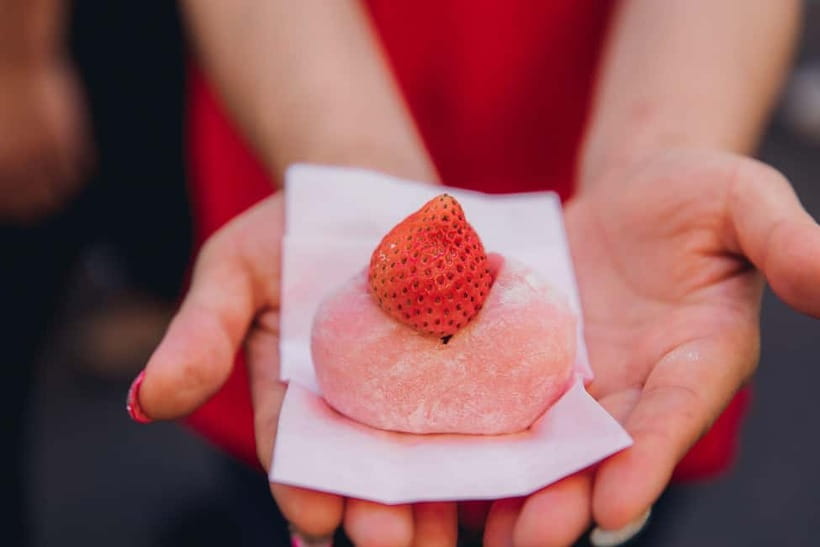
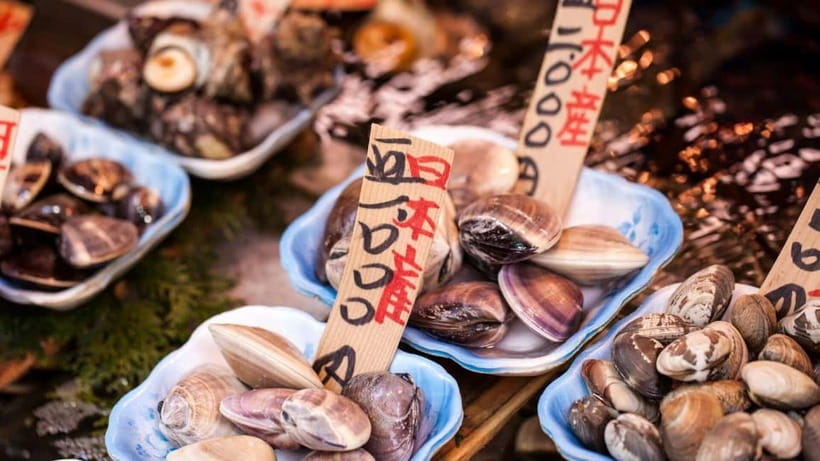
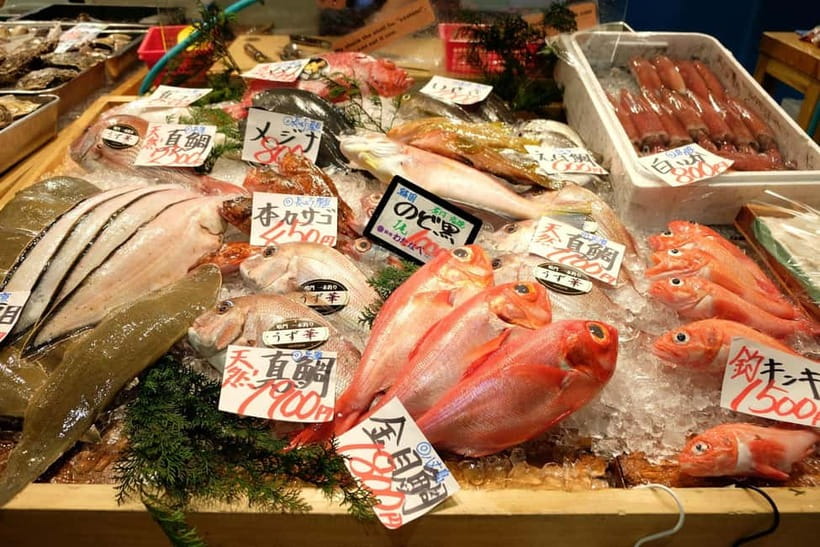
The main part of the morning takes place in Tsukiji Outer Market. The old wholesale fish market and tuna auction moved to Toyosu, but the Outer Market continues to operate as a dense food district. You will find seafood, prepared foods, sweets, tea, seasonings, knives, and small craft and food shops.
Do not picture one giant indoor hall with neat rows. Tsukiji is a collection of lanes and storefronts. Some areas are open to the air, and the floor may be damp. The guide helps you stay with the group while explaining what you are seeing and arranging tastings at selected stalls.
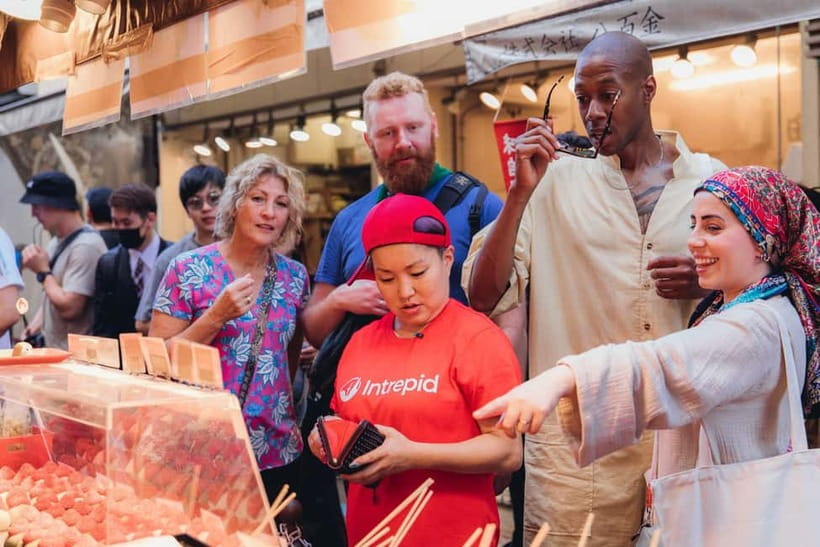
A major strength is the personal connection between the guides and vendors. Several guides have long-standing relationships with people working in the market, so the introductions feel warmer and less awkward than walking up to an unfamiliar counter alone. That does not mean you get a private look at every operation, but it does make the food stops easier to navigate.
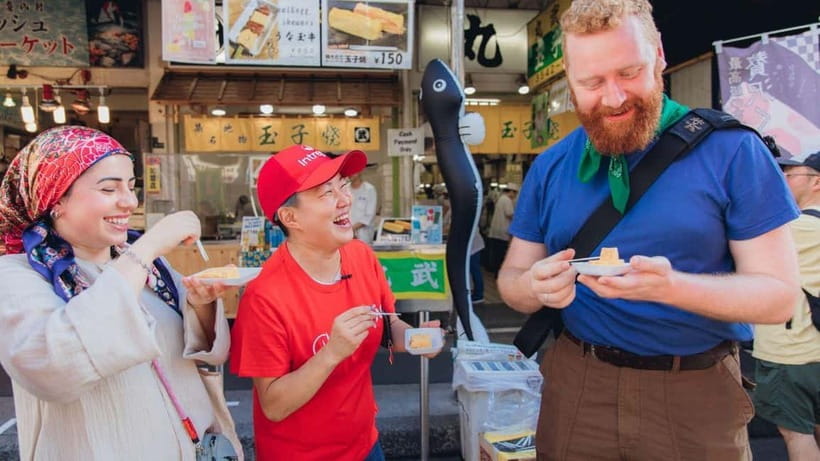
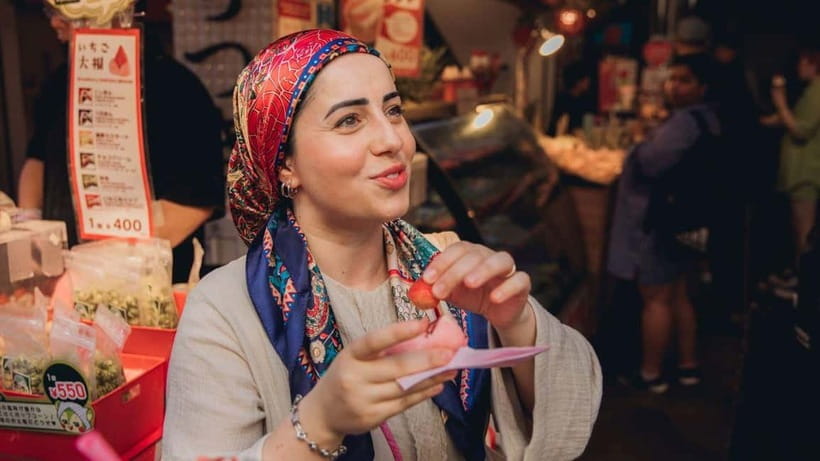
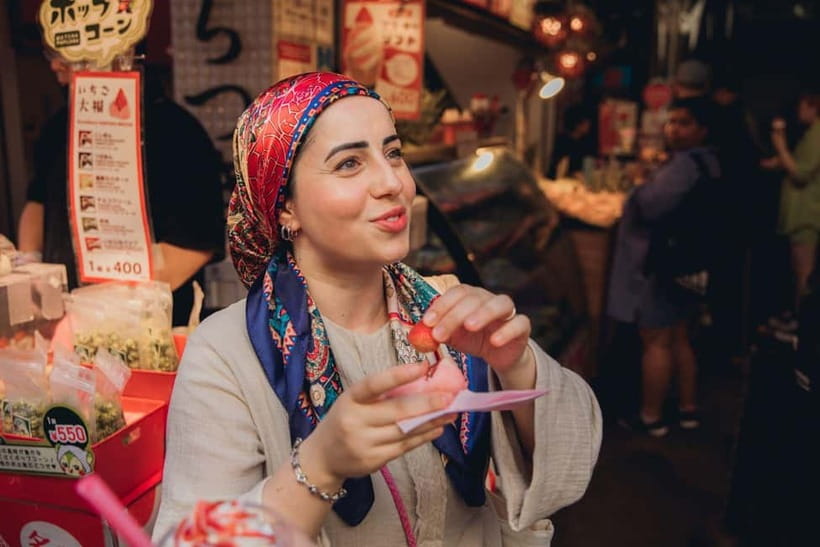
Expect samples in small portions rather than one large sit-down meal. The point is range. You might taste freshly made sushi, sashimi, tamagoyaki, Japanese snacks, soybeans, matcha, dashi, Kobe beef, tuna, strawberries, or seasonal sweets. The exact selection can vary with the day, the season, and what is available.
Tamagoyaki is one of the more interesting stops because you may see how the rolled omelet is made. The process looks simple until you notice the careful layers and precise handling. It is a good example of the market’s larger lesson: ordinary food often depends on practiced skill.
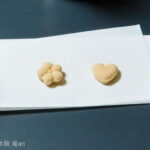
Wagashi brings a different kind of craft. These seasonal Japanese sweets are not just sugary treats. Their shapes, colors, and ingredients can reflect the time of year, and your guide explains how they fit into Japanese food traditions. If you prefer savory foods, the tour still gives you plenty to explore through seafood, skewers, tea, and other market tastes.
The morning may finish with a more substantial serving of sushi or sashimi. One guide, Shino, has included fresh sushi and a chance to grind wasabi, while another morning included sashimi and sake after the shrine visit. These examples show why you should treat the menu as flexible rather than guaranteed.
Sushi history, tuna, and the market after Toyosu
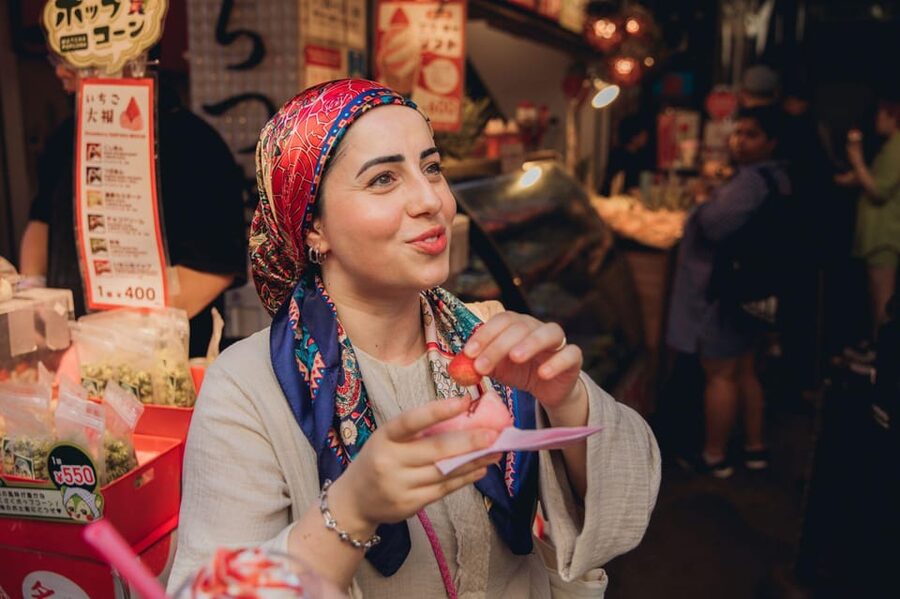
The guide explains how sushi developed and how Tsukiji changed after the tuna auction moved to Toyosu. This distinction is important. Tsukiji remains famous, but it is not the same wholesale fish market portrayed in older guidebooks and television programs.
You will still encounter seafood sellers and food specialists, but the experience now centers on the Outer Market’s shops and eating culture. You are learning how the district functions today, while also hearing how its role in Tokyo’s food supply changed.
That context gives the tastings more meaning. A piece of sushi is no longer just a bite of fish and rice. You begin to understand the chain of skills behind it: selecting ingredients, preparing them, presenting them, and serving them at the right time.
The guide may also explain ingredients that are easy to overlook when you walk alone. Dashi, for example, appears in many Japanese dishes but can be hard to identify unless someone points it out. Matcha, soybeans, wasabi, tuna, and seasonal fruit each open another small window into the way Japanese cooks think about flavor and time.
Still, keep expectations realistic. One person wanted more behind-the-scenes access to the working side of the market. The tour offers explanations and vendor contact, but it is not a wholesale-market operations tour. If you mainly want to watch auction rooms, loading areas, or commercial fish handling, Toyosu and a different style of visit may suit you better.
Namiyoke Inari Jinja and the spiritual side of Tsukiji
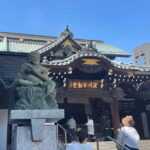
The walk continues to Namiyoke Inari Jinja, a shrine near the market. Here the guide links food culture with Buddhist beliefs and Shinto ideas about respect, protection, and place.
You learn simple rituals rather than receiving a complicated lecture. The gestures are easy to follow, and the stop provides a calm break from the market lanes. It also explains why shrines appear so naturally beside working districts in Japan.
Namiyoke Inari has a direct connection to the people who work around the market, making it a fitting stop near the end of a food walk. You do not need special religious knowledge to appreciate it. The value is in noticing how vendors, cooks, and shoppers share a neighborhood shaped by both commerce and custom.
The shrine visit also keeps the tour from becoming a food crawl with cultural decoration added afterward. Food, belief, season, and community are treated as parts of the same story. That is one reason the experience feels more substantial than simply following a guide to popular stalls.
Other walking tours we've reviewed in Tokyo



What the three hours feel like
The pace is active but not described as a race. You walk through crowded lanes, stop for tastings, listen to explanations, and move between shrines and market shops. A guide has enough flexibility to wait when people need extra time for eating or shopping, though the group still needs to stay together.
A small group can make a large difference. One guide has led a group of only two people, while another morning had six. In either case, the format allows more conversation than a large bus tour and makes it easier to discuss food preferences.
The tour is especially useful during a first morning in Tokyo. You learn what to look for before exploring other food districts on your own, and you get an early lesson in how to order, taste, and ask questions at Japanese market stalls.
Plan to eat lightly beforehand. The tasting sequence can include more food than the short description suggests, and you may finish with sushi or sashimi. You do not need to arrive starving, but a large breakfast would work against the whole point of the morning.
Bring a little patience. Tsukiji can be crowded, some stalls may have queues, and the group may pause while food is prepared. The tradeoff is that you get to try several items instead of spending the entire morning at one counter.
Weather, food needs, and family details
Rain and wind can change the mood of the walk. One person found the weather unpleasant and felt poorly prepared, so check the forecast and bring suitable rain protection. Closed-toe shoes are recommended because market floors can be wet.
Vegetarian and vegan choices are available when arranged in advance, but options may be limited because seafood is central to Tsukiji. Tell the provider about dietary restrictions before booking so the guide has time to plan suitable alternatives.
Alcoholic drinks are limited to people aged 20 and over under Japanese rules. Anyone younger receives non-alcoholic options. Sake may appear as part of the tasting, but it should not be the reason you book this activity.
Children aged five and under join free. You should mention a child under six when booking so the group can prepare for the extra participant. The walk is family-friendly in its subject matter, though wet floors and crowded lanes call for close attention to younger children.
Is $80 a fair price for this Tsukiji walk?
At $80 per person, this is not the cheapest way to wander through Tsukiji. You can enter the market area without paying for a guide and buy food one item at a time.
The value comes from what you would otherwise need to arrange yourself. The guide translates, explains unfamiliar products, introduces you to vendors, chooses a useful spread of tastes, and adds the shrine visits and cultural background. You are paying for access to context and confidence, not just calories.
The six-person limit strengthens that value. In a large group, a market walk can turn into a line behind a flag, with limited chances to ask questions. Here, the guide can respond to interests and food preferences more easily.
I would consider the price worthwhile if this is your first visit to Tokyo, you want to taste widely, or you feel unsure about approaching market stalls. It is less compelling if you already know Japanese food well, speak Japanese comfortably, or mainly want to shop independently.
The experience is carbon neutral and operated by a certified B Corp. That will not change the food itself, but it may matter to you if local benefit and lower-impact travel are part of your booking decision.
Who will get the most from this experience?
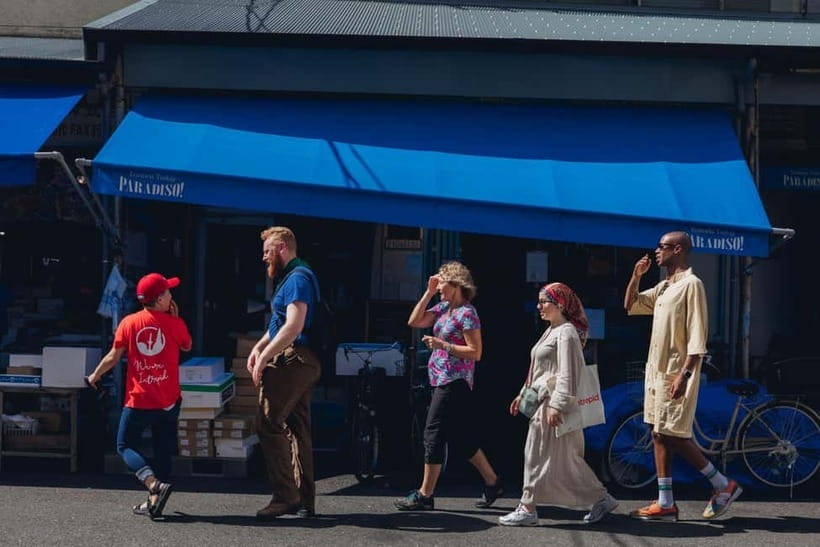
I would choose this tour for a first-time Tokyo visitor who wants a friendly introduction to Japanese food without spending hours studying menus. It also suits curious eaters who want small portions and a guide to explain what each bite means.
It works well for couples, families with older children, and solo visitors who prefer a social morning. The small group makes it easier to meet people from other countries, while the guide keeps the walk organized.
Food lovers should enjoy the range, especially if tamagoyaki, sushi, sashimi, wagashi, tea, and market ingredients appeal to you. The cultural material also gives the morning more weight than a simple eating tour.
I would look elsewhere if you want the old Tsukiji wholesale auction experience, a long formal meal, or a private culinary class. The tour is about tasting, walking, and understanding the district, not watching every stage of commercial fish distribution.
Practical details before you reserve
The tour lasts three hours and is conducted in English. It begins at Higashi-ginza Station and finishes at Tsukiji Fish Market, so you should be ready to walk from the station through the market area.
Check the available start time when booking. A morning departure makes sense because Tsukiji is a food market, and the tastings are designed around that part of the day.
Free cancellation is available up to 24 hours before the start time, and you can reserve now and pay later. That gives you some useful flexibility when Tokyo plans are still shifting.
The experience has an overall rating of 4.7 from 74 ratings, with particularly strong praise for the guides’ warmth, food knowledge, vendor relationships, and ability to explain Japanese customs. Names such as Mikki, Oku, Mihori, Shino, Shinto, Yumi, and Kyou appear in the praise, but guide assignment can change from date to date.
Should you book the Tsukiji food walk?
Book it if you want a guided first taste of Tokyo with real market contact, several different foods, and a small group that does not overwhelm the neighborhood. The best part is the combination of eating and explanation: you learn why the stalls matter, not just which snack to buy.
Go in with the right expectations. Tsukiji Outer Market is not the former wholesale auction, the food choices can change, and the lanes may be wet or crowded. Arrive with an open appetite, wear sturdy shoes, tell the provider about dietary needs, and let the guide handle the introductions.
For many people, $80 buys a useful start to Tokyo: enough food to sample widely, enough history to make the market readable, and enough local guidance to continue exploring on your own.
FAQ
Where does the Tsukiji food tour begin?
It begins at Higashi-ginza Station, Exit 3, at the top of the escalator on street level. Meet in front of Kabukiza Theatre on the Harumi Street side, near the small shrine and torii gate.
Where does the tour finish?
The walk finishes at Tsukiji Fish Market.
How long does the experience last?
The tour lasts three hours.
What food and drinks are included?
Included tastings can feature fresh sushi, sashimi, Japanese snacks, seasonal wagashi, tamagoyaki, tea, and other market foods. Sake may be included, but the exact selection can vary. Additional food and drinks are not included.
Can vegetarian or vegan visitors join?
Yes. Vegetarian and vegan options are available when possible, but choices may be limited because seafood is central to the market. Tell the provider about dietary needs ahead of time.
What should I wear to the market?
Wear closed-toe shoes, such as sneakers, because the market floors can be wet. Prepare for changing weather, including rain and wind.
How many people are in the group?
The group is limited to six participants, making the walk more personal and easier to manage in the market lanes.
More Food Experiences in Tokyo


More Walking Tours in Tokyo
More Tsukiji Market Tours in Tokyo

More tours in Tokyo we've reviewed





Tsukiji Market Tours, compared.
 ★ 5.0Tokyo Tsukiji Fish Market Food and Culture Walking TourFrom $99
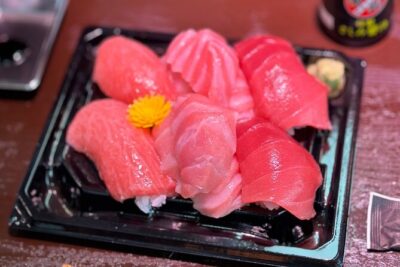 ★ 5.0Tokyo: Tsukiji Fish Market Food and Walking tourFrom $30
 ★ 4.9Tokyo: Tsukiji Fish Market Guided Walking TourFrom $222 hours
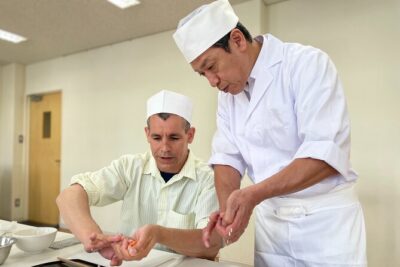 ★ 5.0Tokyo Sushi Making Class in Tsukiji with Professional ChefFrom $49
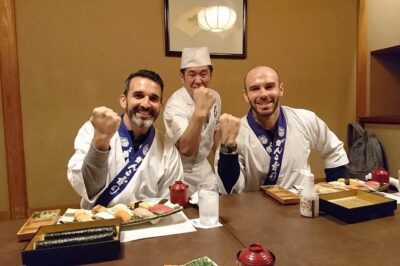 ★ 5.0Tsukiji Fish Market Guided Tour and Sushi Making with Pro ChefFrom $104
★ 4.7Tokyo: Tsukiji Fish Market Food and Culture Walking TourFrom $963 hours
★ 5.0Tsukiji Fish Market Guided Tour and Sushi Making with Pro ChefFrom $104
★ 4.7Tokyo: Tsukiji Fish Market Food and Culture Walking TourFrom $963 hours