Reviewed · TSUKIJI MARKET TOURS
Tokyo: Tsukiji Market and Hama-rikyu Gardens Guided Tour
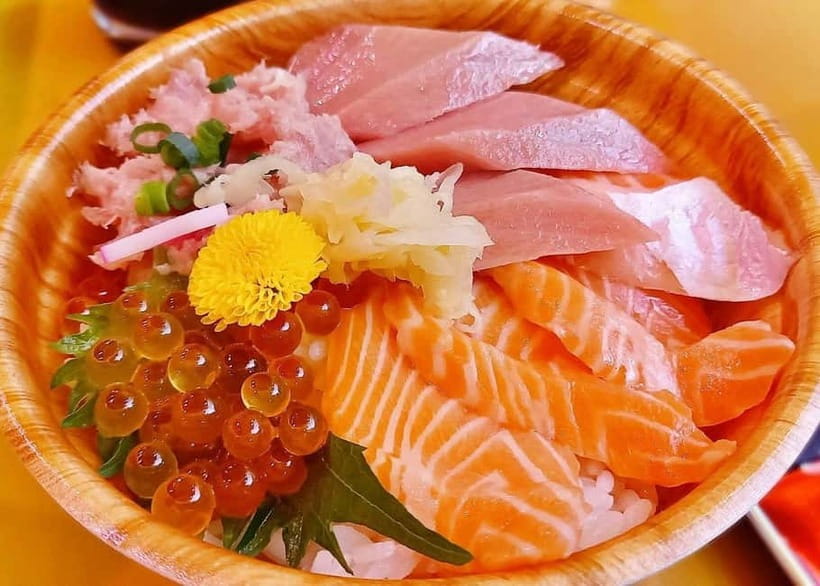
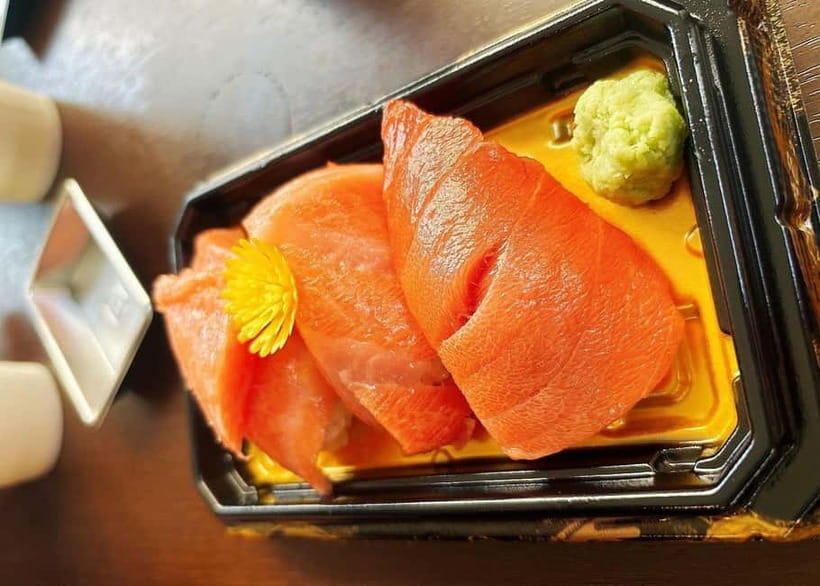
Tokyo’s old food district and one of its finest Edo-era gardens make an excellent pair. At Tsukiji Outer Market, you can move from seafood stalls to tamagoyaki, sushi, wagyu skewers, and matcha sweets, then trade narrow market lanes for the quiet ponds and tea houses of Hama-rikyu Gardens.
In This Article
- Key points to know before booking
- Why Tsukiji and Hama-rikyu work so well together
- Starting at Tsukiji Hongwanji Temple
- Reading Tsukiji Outer Market through food
- The 15-minute walk to Hama-rikyu Gardens
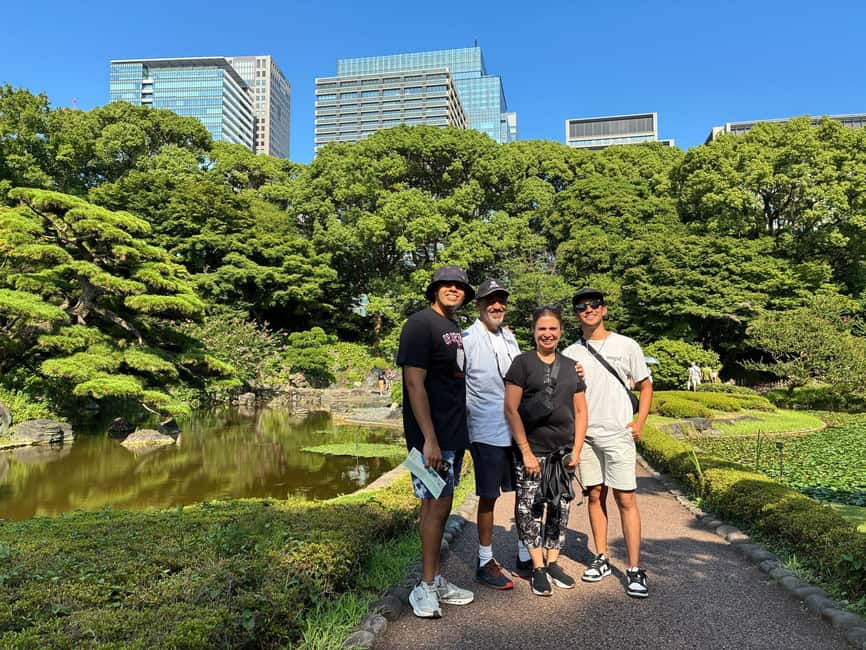
- Hama-rikyu Gardens and the Tokyo skyline
- The optional matcha and wagashi stop
- Timing, pace, and group expectations
- What the $31 price really covers
- Who should book this Tokyo walk
- Should you book the Tsukiji and Hama-rikyu tour?
- FAQ
- Where does the tour start?
- Where does the tour finish?
- How long does the experience last?
- Is transportation included?
- What places do you visit?
- Is the Hama-rikyu Gardens admission included?
- Is food included?
- How much does the matcha tasting cost?
- Which languages are available?
- What should you bring?
I like the way this tour connects food with place, rather than treating Tsukiji as a quick snack stop. I also like that a guide explains the market’s past and Japanese food customs before you enter the garden. The main drawback is that food is not included, and the walking can be tiring if you need frequent breaks.
Key points to know before booking

- Tsukiji handles an enormous range of food: The market offers about 480 types of seafood and 270 types of produce, so you will see far more than sushi.
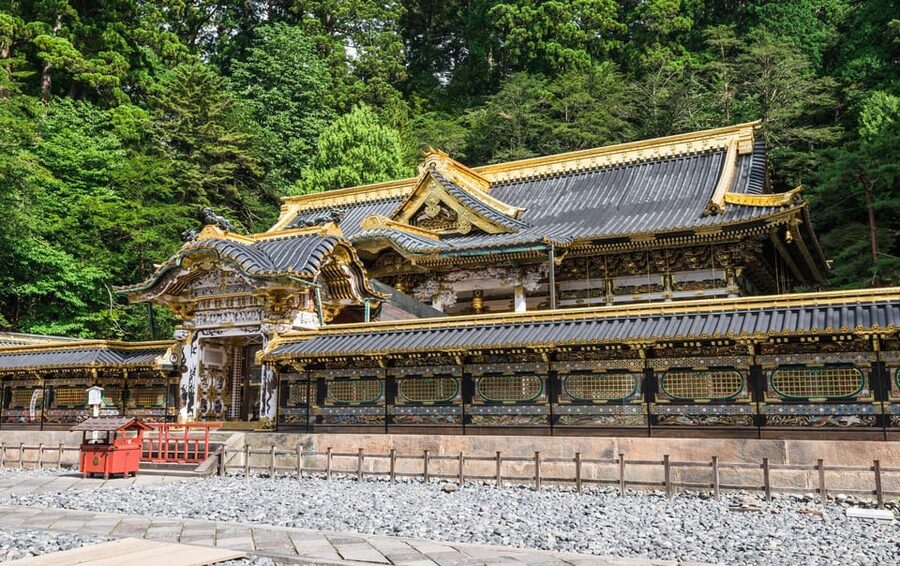
- The route begins at a striking temple: Tsukiji Hongwanji’s unusual architecture and quiet interior provide a calm start before the market noise.
- Hama-rikyu admission is included: You finish among Edo-period ponds, flowers, and tea houses with Tokyo’s modern skyline behind you.
- Snacks are paid separately: Grilled scallops, tamagoyaki, sushi, wagyu skewers, and sweets are optional purchases at the stalls.
- Matcha is an optional extra: A tea and wagashi tasting costs about 1,000 yen on site.
- Expect a walking tour: The route includes market lanes and a 15-minute walk between Tsukiji and Hama-rikyu Gardens.
Why Tsukiji and Hama-rikyu work so well together
Tsukiji and Hama-rikyu show two very different sides of central Tokyo. One is practical, crowded, and built around food. The other is measured and quiet, with ponds, flowers, and carefully arranged views.
That contrast gives the tour its shape. You do not simply look at a market, then visit a garden. You see how Tokyo can shift from a narrow lane lined with food counters to an open garden where skyscrapers frame the horizon.
The tour costs $31 per person. That is a fair price if you want a guide to explain what you are seeing and you value having garden admission covered. It is less of a bargain if you mainly want to eat, since every market snack and the optional tea tasting costs extra.
The walk lasts between 150 minutes and three hours, depending on the starting time and pace. The listed schedule gives about 15 minutes at the temple, 45 minutes at the market, 15 minutes walking, and one hour in the gardens. That leaves some flexibility for explanations, shopping, and food stops.
A few more Tokyo tours and experiences worth a look


Starting at Tsukiji Hongwanji Temple
You meet the guide in front of Starbucks Coffee Tsukiji Station. From there, the first stop is Tsukiji Hongwanji Temple, known for its distinctive architecture and peaceful atmosphere.
The temple makes a useful introduction to the neighborhood. Before you begin looking for food, you get a short moment to slow down and notice the religious and cultural setting around Tsukiji. The guided visit lasts about 15 minutes, so this is an orientation stop rather than a long temple tour.
I would pay attention to the building itself, since its appearance differs from the image many people have of a traditional Japanese temple. The calm setting also helps create a clean break between the meeting point and the market streets ahead.
Because the temple visit is brief, you should not book this tour expecting a detailed study of the temple. Its value is in setting the tone and giving you context before the food portion begins.
Reading Tsukiji Outer Market through food
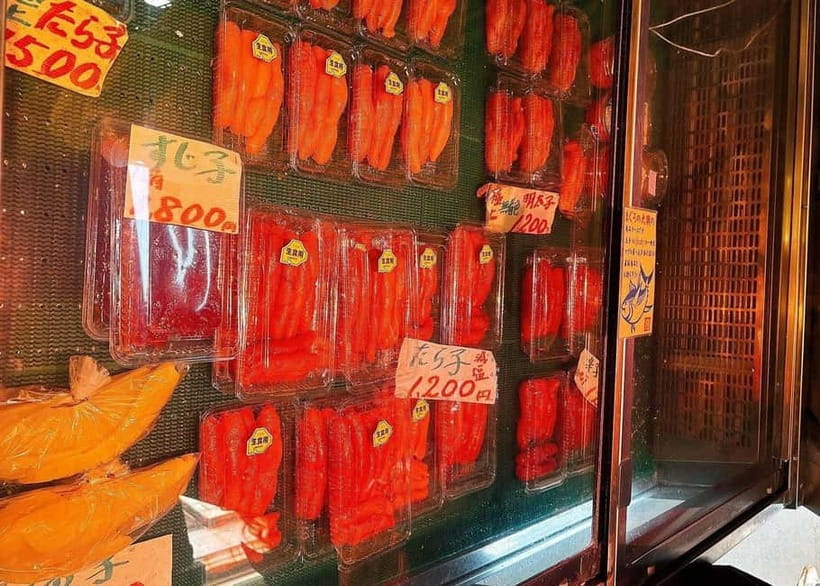
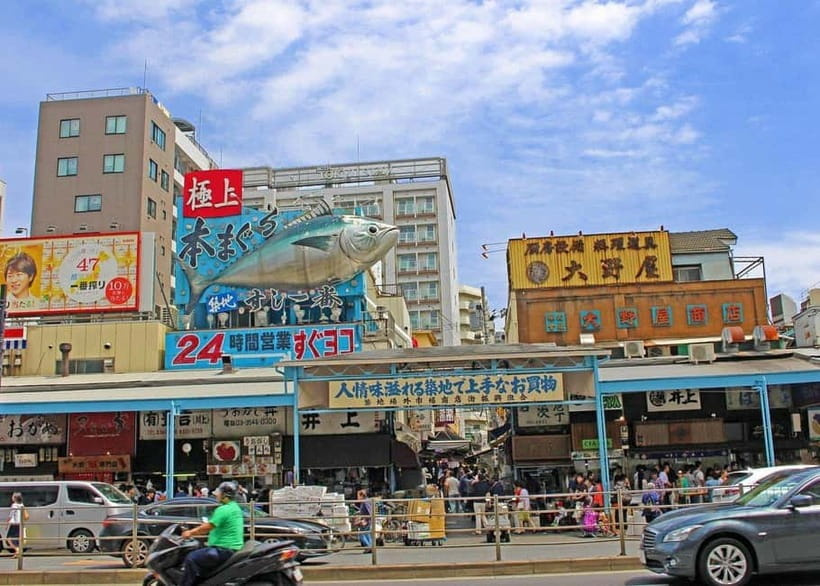
The central part of the tour is a guided walk through Tsukiji Outer Market. The market has an 83-year history as one of Tokyo’s central wholesale food districts and handles roughly 480 kinds of seafood and 270 kinds of produce.
Those numbers matter because Tsukiji is not only about raw fish. You can expect to see a broad selection of ingredients used in Japanese cooking, along with stalls selling ready-to-eat food. The narrow lanes make the market feel close-up and immediate, with little separation between you and the people preparing or selling food.
The guide helps you make sense of what you are seeing. That is useful in a market where unfamiliar cuts, ingredients, signs, and customs can otherwise pass by too quickly. You can ask questions, learn about Japanese food traditions, and spend free time shopping or choosing snacks.
The suggested foods include:
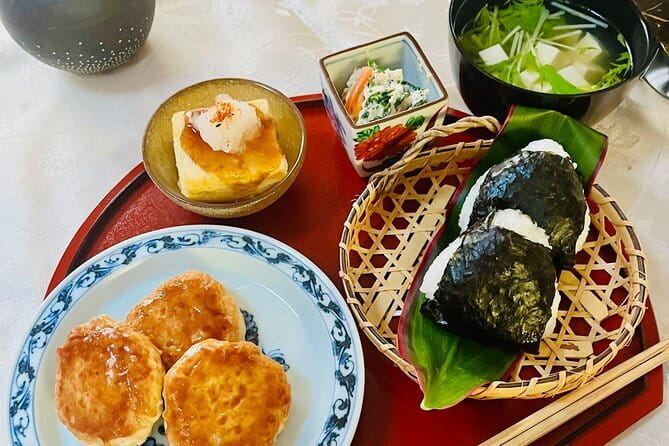
- Grilled scallops
- Tamagoyaki, a Japanese rolled omelette
- Sushi
- Wagyu skewers
- Matcha sweets
You do not need to try everything. In fact, I recommend pacing yourself. A few small bites will leave room to notice the market itself, and prices can add up quickly when you are buying several items.
Tamagoyaki is a particularly approachable choice if you want something warm and filling without committing to raw seafood. Grilled scallops and sushi suit seafood lovers, while wagyu skewers and matcha sweets give you alternatives. The tour works for adventurous eaters, but you can also take part with a modest appetite.
Food costs are not included, so carry some Japanese yen. The tour information does not set a food budget, and your total spending will depend entirely on what you choose. If you are watching costs, treat the market as a place for one or two small tastings rather than a full meal.
The 45-minute market portion is enough for an introduction, but it is not an unlimited shopping session. You will have guided time, free time, and snack opportunities within a fairly short window. If you want to browse every lane at leisure, an independent visit on another day would give you more freedom.
The 15-minute walk to Hama-rikyu Gardens
After the market, you walk for about 15 minutes to Hama-rikyu Gardens. There is no transport between the stops, and this short transfer is part of the experience.
Wear shoes that can handle uneven walking and a few hours on your feet. Bring water, especially during warm weather, and keep your hands free enough to manage snacks, a camera, and personal items.
This transition also has a practical benefit. It clears your palate, both literally and visually. After the concentrated food smells and tight market lanes, the garden feels spacious and restful.
The route finishes at Hama-rikyu Gardens, so you do not return to the starting point. Plan your next stop from the garden area rather than assuming you will end back near Tsukiji Station.
Hama-rikyu Gardens and the Tokyo skyline
Hama-rikyu is a Japanese garden created during the Edo period more than 370 years ago. You get about an hour for guided touring and free time.
The garden’s appeal comes from its carefully planned setting. Ponds, paths, flowers, and traditional features create a quiet place in the middle of Tokyo, while high-rise buildings remain visible beyond the garden walls and trees. I like this kind of contrast because it gives you a clear sense of old and new Tokyo in one view.
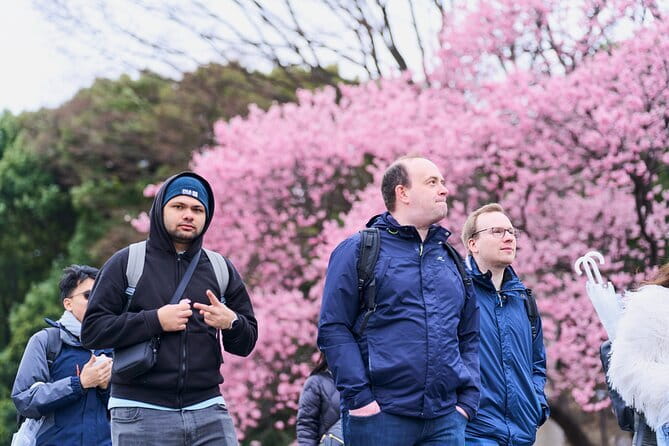
Flowers change with the season, so the exact display cannot be promised. Depending on when you visit, you may see different colors and blooms. The garden remains worthwhile outside peak flower periods, but you should set your expectations around the garden’s paths, ponds, and city views rather than one particular plant.
The hour here gives you time to listen to the guide and then wander at a slower pace. That balance is important. The market rewards curiosity and appetite, while the garden rewards patience and looking closely.
Other guided tours in Tokyo



The optional matcha and wagashi stop
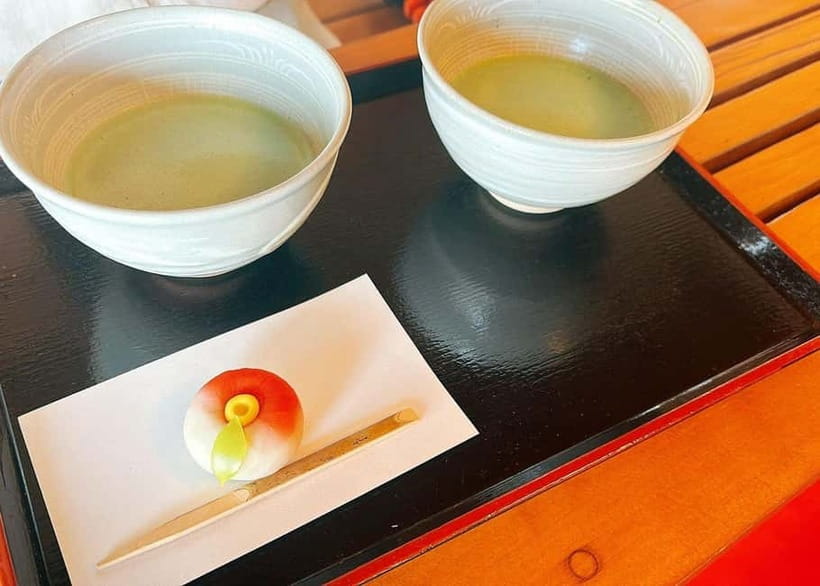
You can add a matcha and wagashi tasting in the gardens for about 1,000 yen, paid on site. This is not included in the $31 tour price.
The tasting can add a useful cultural layer to the garden visit. You may learn about Japanese etiquette while drinking matcha and eating wagashi, traditional Japanese sweets. It is a good choice if you want more than a walk through the garden and are interested in how tea customs fit into Japanese daily life.
Since the tasting is optional, you can skip it if you prefer to spend the hour walking or if you have already had a similar tea experience elsewhere in Japan. Ask your guide about the timing when the tour begins so you know how it fits with your free time.
Timing, pace, and group expectations
The advertised duration is 150 minutes to three hours, with starting times depending on availability. The route itself is clearly structured, but the total length may vary according to the guide, group pace, and time spent at the market.
A small group would make it easier to hear explanations and stay together in the narrow lanes, but a group size is not specified. You should be prepared to follow the guide through busy market areas rather than wander independently.
The tour is offered in Chinese, English, French, Korean, and Spanish. Choose the language that lets you ask practical questions about food, etiquette, and the places you are seeing.
The activity is described as a walking tour, with no transport included. Comfortable shoes and water are essential. Smoking is not allowed.
There is conflicting information about accessibility. One section identifies the experience as wheelchair accessible, while another says it is not suitable for wheelchair users or people with mobility impairments. Since the route includes narrow market lanes and substantial walking, you should confirm current conditions with the provider before booking if accessibility is important to you.
The supplied information also lists the tour as not suitable for pregnant women. Take that restriction seriously when making your plans.
What the $31 price really covers
At $31, you are paying mainly for the local guide and admission to Hama-rikyu Gardens. You are not paying for a meal, market samples, transportation, or the optional matcha and wagashi.
That makes the price easiest to justify for first-time visitors who want help interpreting Tsukiji. A guide can point out food customs and explain the market’s role, which may save you from simply walking past unfamiliar stalls.
The value is also stronger if you want to visit Hama-rikyu but prefer not to handle the route alone. The garden admission is already covered, and the tour connects it to Tsukiji without requiring you to plan the walking route yourself.
If your priority is a large meal, budget separately for snacks. If your priority is a long, slow garden visit, the one-hour garden segment may feel short. You are buying a compact introduction to three places, not a full-day food tour or a private cultural lesson.
Free cancellation up to 24 hours before the start gives you some flexibility, and you can reserve without paying immediately. Check the available start times before booking, since the length and schedule are not fixed at one exact duration.
Who should book this Tokyo walk
I would recommend this tour to you if you want a short introduction to Tsukiji and prefer explanations alongside your sightseeing. It suits first-time Tokyo visitors, food-focused travelers, couples, and families with older children who can manage several hours of walking.
It also works well early in a Tokyo stay. The guide can help you understand Japanese food customs and give you a feel for the neighborhood before you return on your own.
You may want a different plan if you dislike crowds, need a seated meal, or want complete freedom to shop. The market section is guided and time-limited, and the food is purchased separately.
Bring comfortable shoes, water, a camera, and some yen for snacks. Keep the meal light before the tour if you want to sample several items, but do not arrive hungry enough to rush through the temple and garden.
Should you book the Tsukiji and Hama-rikyu tour?
Book it if you want Tokyo’s food culture, temple architecture, and Edo-era garden design in one compact outing. The strongest feature is the pairing of Tsukiji’s food stalls with Hama-rikyu’s ponds and flowers, while the guide adds context that you would miss on a quick self-guided walk.
Skip it if you want an all-inclusive food tour or a long, unhurried visit to either location. At $31, it is a sensible value for guided access and garden admission, provided you treat the market food and tea as optional extras and are comfortable walking.
FAQ
Where does the tour start?
You meet the guide in front of Starbucks Coffee Tsukiji Station.
Where does the tour finish?
The tour finishes at Hama-rikyu Gardens.
How long does the experience last?
The experience lasts between 150 minutes and three hours. Available starting times determine the exact schedule.
Is transportation included?
No. This is a walking tour, and transportation to and from the attractions is not included.
What places do you visit?
You visit Tsukiji Hongwanji Temple, Tsukiji Outer Market, and Hama-rikyu Gardens.
Is the Hama-rikyu Gardens admission included?
Yes. Admission to Hama-rikyu Gardens is included in the tour price.
Is food included?
No. Food from market stalls is optional and must be paid for separately on site.
How much does the matcha tasting cost?
The optional matcha and wagashi tasting costs about 1,000 yen and is payable on site.
Which languages are available?
The live guide service is available in Chinese, English, French, Korean, and Spanish.
What should you bring?
Bring comfortable shoes, water, and a camera. Smoking is not allowed during the activity.
More Shopping Tours in Tokyo


More Guided Tours in Tokyo
More Tsukiji Market Tours in Tokyo

More tours in Tokyo we've reviewed












Tsukiji Market Tours, compared.
 ★ 5.0Tokyo Tsukiji Fish Market Food and Culture Walking TourFrom $99
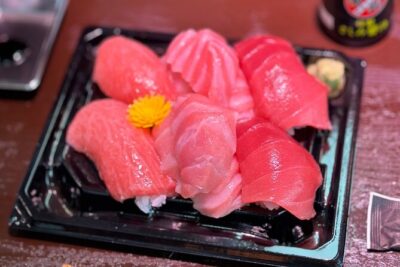 ★ 5.0Tokyo: Tsukiji Fish Market Food and Walking tourFrom $30
 ★ 4.9Tokyo: Tsukiji Fish Market Guided Walking TourFrom $222 hours
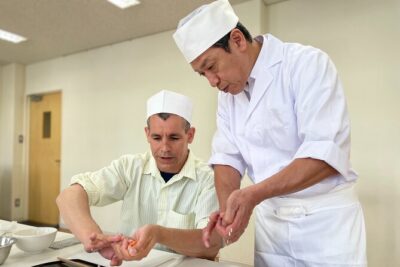 ★ 5.0Tokyo Sushi Making Class in Tsukiji with Professional ChefFrom $49
 ★ 5.0Tsukiji Fish Market Guided Tour and Sushi Making with Pro ChefFrom $104
★ 4.7Tokyo: Tsukiji Fish Market Food and Culture Walking TourFrom $963 hours
★ 5.0Tsukiji Fish Market Guided Tour and Sushi Making with Pro ChefFrom $104
★ 4.7Tokyo: Tsukiji Fish Market Food and Culture Walking TourFrom $963 hours