Reviewed · TSUKIJI MARKET TOURS
Tokyo: Private Tsukiji Street Food & Sake with Local Guide
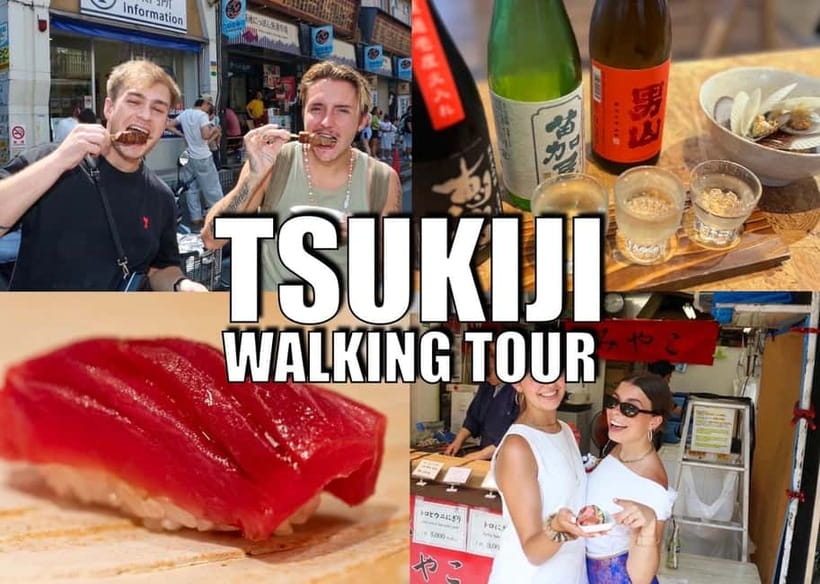
Tokyo’s Tsukiji Outer Market is easiest to enjoy when someone else handles the crowds, points out the worthwhile stalls, and explains what you are eating. This two-hour tour begins at Tsukiji Hongwanji Temple, then moves through the market for wagyu, tamagoyaki, teas, beans, dashi, and sake.
In This Article
- Key points at a glance
- Why this two-hour Tsukiji tour works
- Begin at Tsukiji Hongwanji Temple
- Entering Tsukiji Outer Market for wagyu and tamagoyaki
- A quiet tea and pantry tasting after the market
- The sake tasting with baby scallops
- What the guides add to the experience
- Taste expectations and portion size
- Timing, comfort, and practical details
- Who should book this food walk
- Is the $99 price fair?
- Should you book the Tsukiji food and sake tour?
- FAQ
- Where does the tour meet?
- How long does the experience last?
- What food is included in the price?
- How much sake will I taste?
- Is the sake tasting included in the $99 price?
- Do I need identification for the sake tasting?
- Is transportation included?
- Are extra market purchases included?
- What happens if it rains?
I like the way the food is built into the price, especially the charcoal-grilled wagyu skewer and fluffy tamagoyaki. I also like the quiet change of pace at the century-old specialty shop, followed by a proper tasting of three sakes plus a special pour with baby scallops.
The main thing to watch is timing. Two hours passes quickly, and extra market food and shopping are not included. One past participant also found that the guides could have explained more clearly which market samples were covered, so ask before ordering anything beyond the listed tastings.
Key points at a glance
- Start with an unusual temple: See Tsukiji Hongwanji’s Indian-inspired stonework, animal carvings, and stained glass before entering the market.
- Included market bites: Your fee covers one wagyu skewer and one tamagoyaki portion, plus tea, beans, peanuts, and dashi sampling.
- A guide makes Tsukiji easier: Your bilingual English and Japanese guide helps you move through crowded lanes and bridge the language gap.
- Calm stop amid market noise: Taste chilled Japanese teas and Edo-style pantry foods at a specialty shop with more than a century of service.
- Four-sake finish: Compare three sake types and one special selection with sake-steamed baby scallops.
- Good fit for curious eaters: The tour suits first-time Tsukiji visitors who want context, not just a quick snack.
Why this two-hour Tsukiji tour works
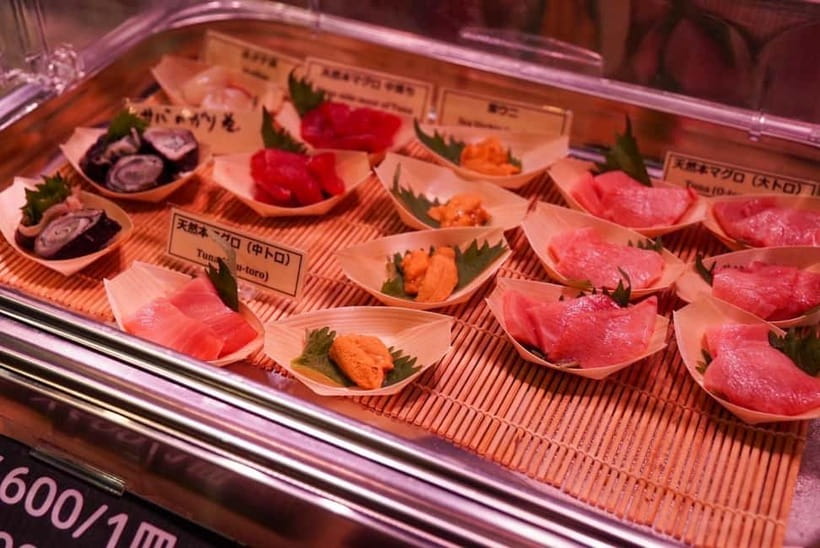
Tsukiji Outer Market can feel simple at first: walk, look, choose something that smells good, and pay. The harder part is knowing what deserves your limited time, what a food is called, and which purchases are separate from a paid tasting.
This tour gives you a clear path through that maze. You get a short temple visit, a guided food walk, a traditional tea and pantry tasting, and a sake session. It is not a full meal, and it is not a long market tour. Think of it as a focused introduction to Tsukiji’s food culture.
The $99 price is reasonable if you want all the included tastings. The wagyu, tamagoyaki, tea and bean samples, dashi, four sake pours, and scallops would otherwise require several separate decisions and payments. You are also paying for someone to manage the route and explain the food in English.
If you want to spend hours browsing knives, seafood, kitchen tools, and souvenirs, this tour will feel short. If you want a well-shaped first visit with plenty of flavor and cultural context, the two-hour format is useful.
A few more Tokyo tours and experiences worth a look

Begin at Tsukiji Hongwanji Temple
Meet your guide at the main gate of Tsukiji Hongwanji Temple. Look for someone holding a smartphone displaying AlvaJapan. The starting point is practical because the temple gives you a fixed landmark before you enter the market lanes.
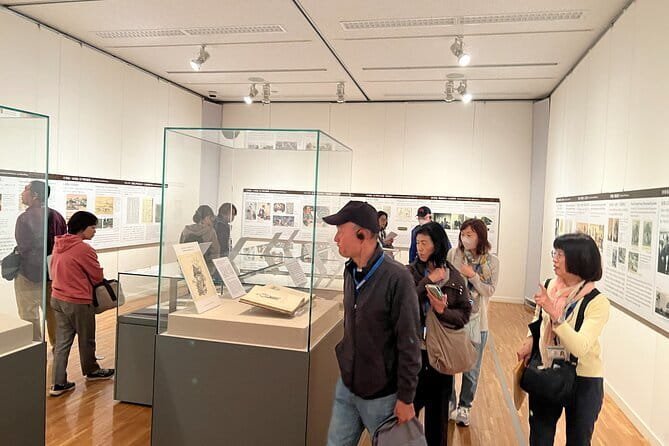
The temple itself is not the usual wooden Buddhist building you may have seen in Kyoto. You will see stone architecture influenced by ancient Indian forms, along with animal carvings and stained glass. The result is unexpected for Tokyo, and that difference gives the opening stop real purpose.
Your guide explains the temple’s reconstruction after a major Meiji-era fire. That short account helps you read the building as more than a photo stop. You get a sense of why the site looks so different from the classic image of a Japanese temple.
Allow about 20 minutes here. The stop is brief, so do not expect an extended religious lecture or a long independent visit. Its value is in setting the cultural stage and giving you a memorable point of contrast before the food begins.
Entering Tsukiji Outer Market for wagyu and tamagoyaki
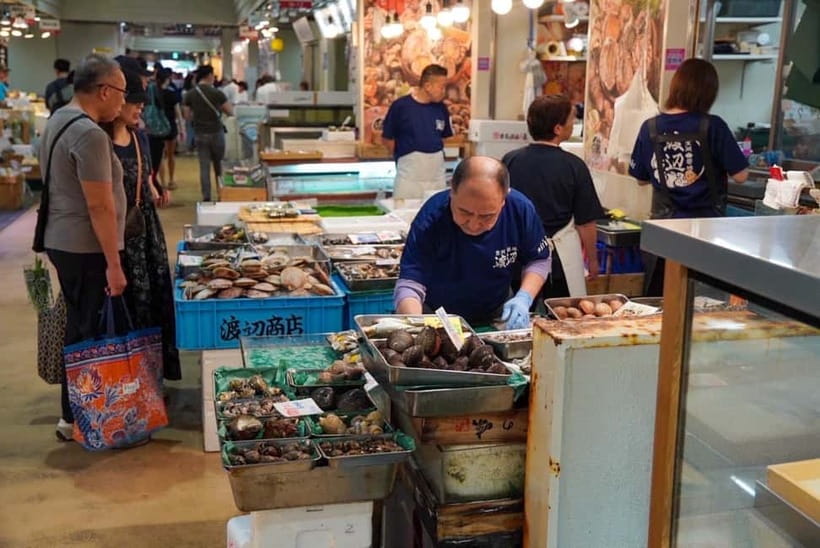
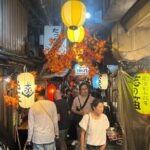
The main portion of the tour takes place in Tsukiji Outer Market and lasts about 100 minutes. Your guide leads you through the lanes, keeps the pace moving, and helps you avoid treating the market like a random row of snack counters.
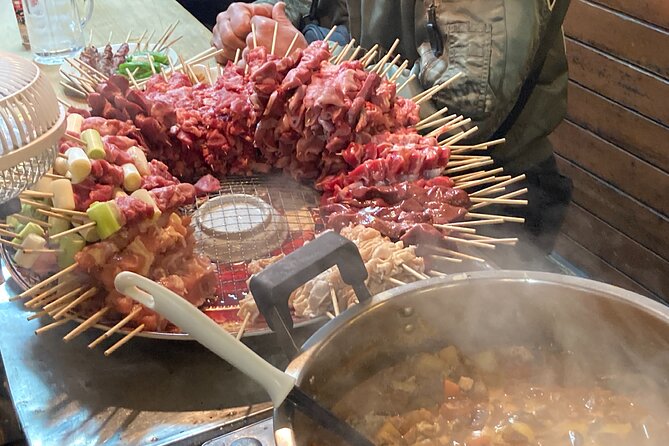
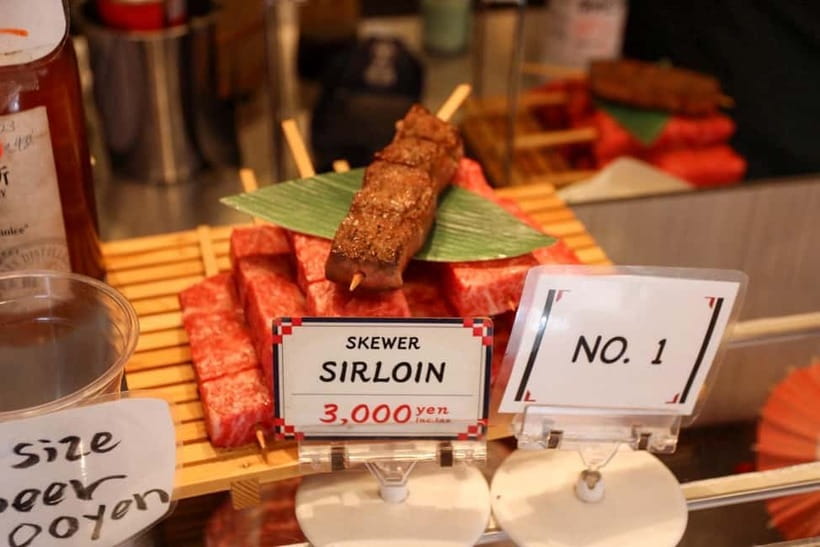
The first major food stop features a charcoal-grilled wagyu beef skewer. Grilling food over charcoal adds smoke and aroma, and the skewer format makes it easy to eat while standing or walking. Since one skewer is included, treat it as a tasting rather than a full serving.
You also receive a portion of tamagoyaki, the sweet-savory Japanese rolled omelet. This version is described as fluffy and full of dashi flavor. It is a useful reminder that Japanese market food is not limited to raw seafood. Texture and broth-based seasoning matter just as much.
Your guide’s role is especially useful here. Tsukiji can be crowded, and the language gap can make ordering less relaxed. The experience is designed to help you feel like you are making informed choices rather than simply following the biggest line.
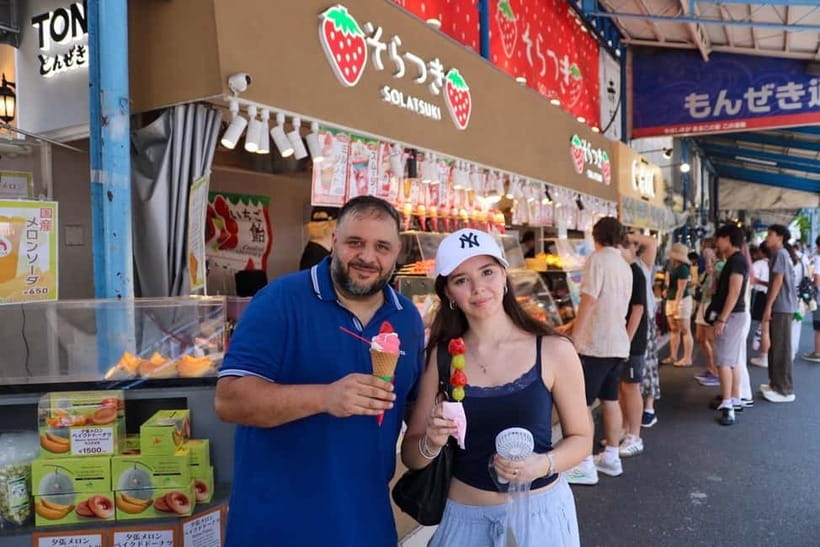
There is a small but important practical point: additional food is not included. The listed wagyu and tamagoyaki are covered, but extra snacks, drinks, and purchases are your responsibility. Bring cash for those extras, since cash is recommended for market spending.
One participant found that the guides did not always make it clear which food was free at the market. I would ask directly before buying anything: Is this part of the tour, or is it an optional purchase? That one question prevents a surprise at the register.
A quiet tea and pantry tasting after the market
After the market food, the route shifts to a historic specialty shop that has served customers for more than 100 years. This is a good design choice. Tsukiji can be noisy and crowded, so a calmer stop lets you pay attention to ingredients rather than rushing from one bite to the next.
You taste chilled traditional Japanese teas, black beans, peanuts, and dashi broth. These may sound modest beside wagyu and sake, but they help explain the everyday building blocks of Edo-style cooking.
Dashi is especially useful to taste on its own. It is the savory broth that gives depth to many Japanese dishes, including the tamagoyaki you sample earlier. Tasting it separately makes it easier to recognize the flavor in soups, omelets, simmered foods, and other dishes later in your trip.
The black beans and peanuts add another angle. They show how a market experience can include pantry foods and preserved ingredients, not just fresh items cooked in front of you. The chilled tea also acts as a palate reset before the sake tasting.
This 20-minute stop is not a shopping free-for-all. It is a short, guided sampling session with a traditional feel. If you prefer only dramatic foods and large portions, it may seem less exciting. I think it earns its place because it gives the tour a sense of balance.
The sake tasting with baby scallops
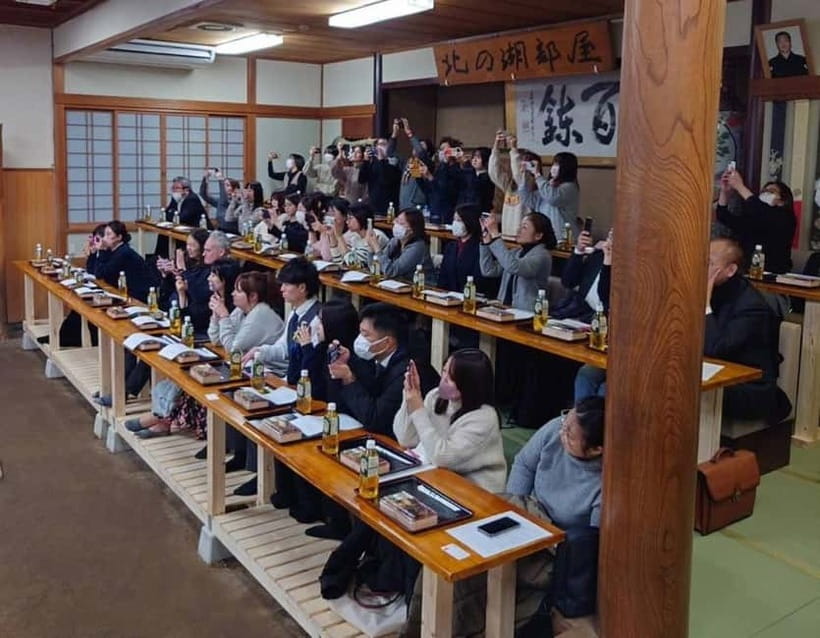
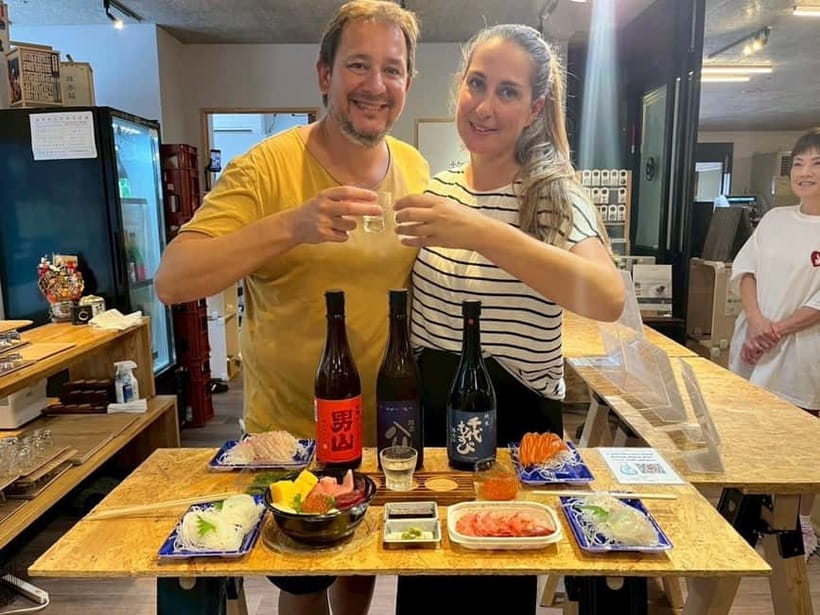
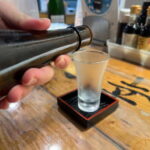
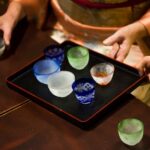
The final major stop is a guided sake tasting led by a certified sake sommelier. You sample three types of sake and one special selection, with baby scallops steamed in sake as the pairing.
Four pours allow for comparison, which is more useful than drinking one sake and being told it is good. You can notice differences in aroma, taste, and finish as the sommelier explains what you are trying. The point is not to memorize technical terms. It is to learn what you prefer.
The scallops give the tasting a savory partner. Food changes how sake tastes, and sake changes how the seafood comes across. This pairing also ties the last stop back to Tsukiji’s identity as a food market.
An ID is required for the alcohol tasting, and Japan’s legal drinking age is 20. That rule applies even if you are only having small tasting pours. If you do not drink alcohol, the provided information does not describe a substitute tasting, so ask the operator before booking if that matters to you.
The sake section lasts about 40 minutes. That is enough time for a guided comparison without turning the tour into a long drinking session. It also means you should pace yourself. You have already eaten and tasted several items, so there is no need to rush the pours.
At the end, you receive personalized lunch suggestions and tips for the rest of your time in Tokyo. That advice may be one of the most useful parts of the finish, especially if Tsukiji is your first major food stop.
A few more Tokyo tours and experiences worth a look


What the guides add to the experience
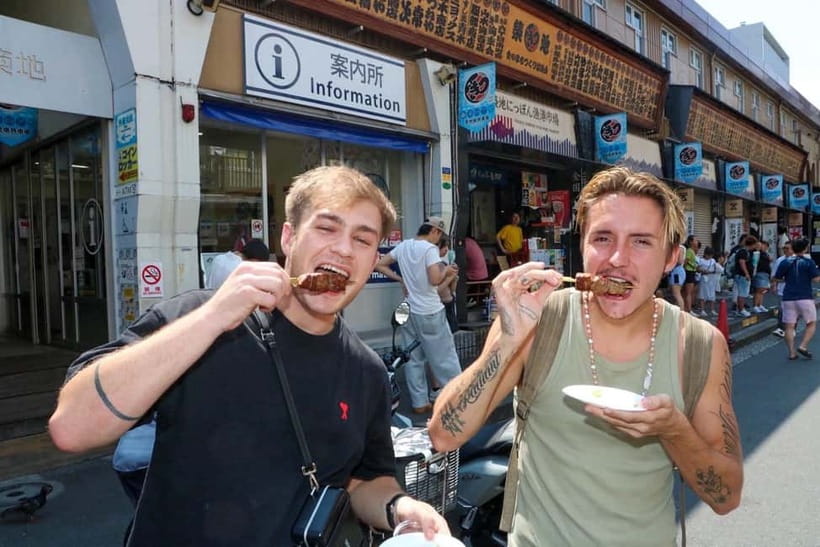
The tour is conducted in English and Japanese, with a live English-speaking guide. The bilingual setup matters in a market where stall menus and quick ordering can otherwise be hard to follow.
The guide does more than point at food. You get explanations about the market, the move from the former inner market to Toyosu, and the traditions behind the ingredients. That context helps you understand why Tsukiji remains important even after the wholesale fish market moved.
The feedback about the guides is consistently positive in practical ways. The guides are described as upbeat, friendly, attentive, and easy to get along with. One booking had two guides for one participant, and the pair asked about food restrictions and adjusted the experience to personal tastes.
You should share dietary restrictions before the tour begins. The guide can ask about your needs, but the provided details do not promise that every item can be replaced. Being clear early gives the team the best chance to help.
The group size is not specified, so do not book this expecting a guaranteed private tour. One person happened to have two guides, but that should not be treated as the standard arrangement.
Taste expectations and portion size
This is a tasting walk, not a two-hour lunch. The included items are one wagyu skewer, one tamagoyaki portion, tea, black beans, peanuts, dashi broth, four sake samples, and baby scallops.
That is a varied amount of food, but portions are not described as large. If you have a strong appetite, plan to buy an additional snack or lunch afterward. The guide’s final lunch recommendations can help you decide what to eat next.
I like this format for a first visit because it keeps the range broad. You try grilled beef, omelet, tea, pantry foods, broth, sake, and seafood. You will not get a deep look at every part of Tsukiji, but you will leave with a useful list of flavors to seek out later.
Keep your expectations sensible about shopping, too. The tour includes walking through the market, but purchases are separate. You may find kitchen goods and food products that catch your eye, yet the two-hour schedule is built around tasting and explanation rather than an extended buying session.
Timing, comfort, and practical details
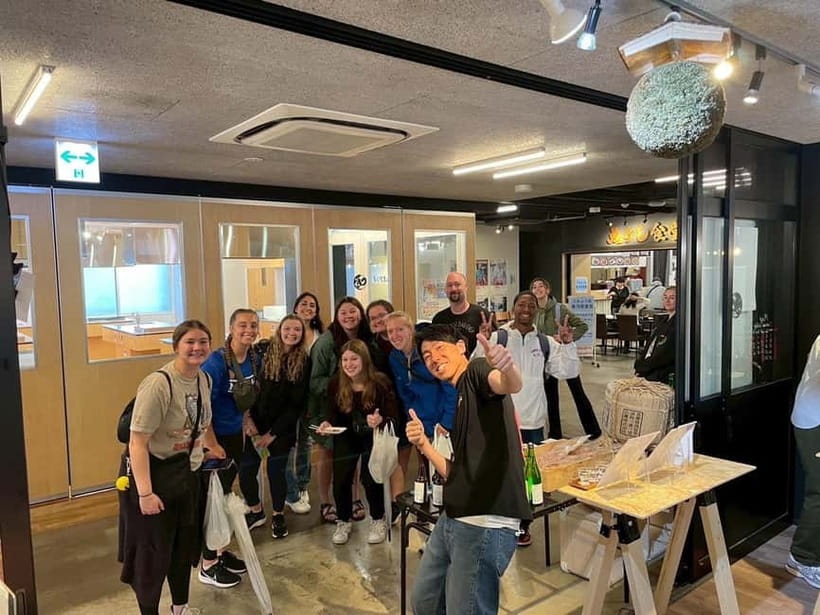
The tour lasts about two hours and involves walking through the temple area and market. Wear comfortable shoes. The route is conducted rain or shine, with most stops indoors or under cover, but the walk between locations still makes weather-ready clothing sensible.
Transportation to the meeting point is not included. You need to make your own way to Tsukiji Hongwanji Temple, then meet at the main gate. Check the available start times when booking because the exact schedule is not fixed in the information provided.
The meeting instruction is simple: find the guide holding a phone with AlvaJapan displayed. Arrive with enough time to identify the correct person without cutting into the temple visit.
The tour allows free cancellation up to 24 hours before the start for a full refund. You can also reserve and pay later, which helps if your Tokyo schedule is still changing.
For extra snacks and shopping, carry cash. The included food is covered in the $99 price, but optional purchases are not. Ask before ordering so you know what is included.
Who should book this food walk
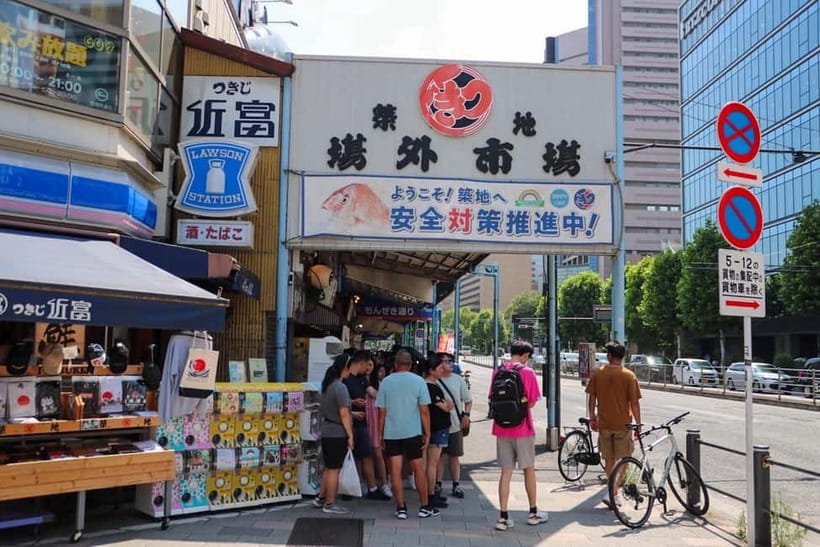
I would recommend this tour to a first-time Tokyo visitor who wants a guided introduction to Tsukiji without spending half a day there. It also suits anyone who enjoys comparing flavors and wants a little cultural background with each tasting.
It is a strong choice for people who feel uneasy ordering in a crowded market. Your guide handles the route and language bridge, while the included tastings remove much of the guesswork.
Food-focused couples, solo visitors, and small groups should find the format easy to use. The guide can also ask about eating restrictions, which is useful if you need to avoid certain ingredients.
You may want a different plan if your main goal is extensive shopping, a large seafood meal, or a long private tour. The experience offers a selected route and set tastings, not unlimited time to wander.
Is the $99 price fair?
At $99 per person, the value depends on how much help you want. If you would happily find the market on your own and only buy a few snacks, the cost may feel high. You are paying for more than the food: the temple explanation, market orientation, bilingual assistance, specialty shop visit, sake instruction, and lunch advice are all part of the package.
The included sake flight is the biggest value point. Three types plus a special selection, paired with baby scallops, gives the final 40 minutes a clear purpose. Add the wagyu, tamagoyaki, tea, beans, peanuts, and dashi, and the price becomes easier to justify.
The tour also protects your limited Tokyo time. You do not need to research which stalls to try or spend your first market visit working out how the food system operates. For many people, that convenience is worth more than the price of the individual bites.
Should you book the Tsukiji food and sake tour?
Book it if you want a short, well-organized taste of Tsukiji with a temple visit and a guided sake finish. The best reasons are the range of included tastings, the friendly personal attention described by participants, and the chance to compare sake with scallops rather than simply drinking at random.
Go in knowing that it is not a full meal and that extra food costs more. Ask which items are included, tell the guide about restrictions, wear good walking shoes, and bring ID for the sake portion.
For a first look at Tsukiji, I think this is a sensible choice. It gives you enough food to learn the character of the market, enough explanation to make the setting meaningful, and enough free time afterward to return for the bites you liked best.
FAQ
Where does the tour meet?
The meeting point is the main gate of Tsukiji Hongwanji Temple. Look for a guide holding a smartphone displaying AlvaJapan.
How long does the experience last?
The tour lasts about two hours. The temple visit takes about 20 minutes, and the Tsukiji Outer Market portion takes about 100 minutes.
What food is included in the price?
The price includes one wagyu beef skewer, one tamagoyaki portion, tea tasting, samples of black beans and peanuts, and dashi broth.
How much sake will I taste?
The guided sake tasting includes three types of sake plus one special selection. Baby scallops steamed in sake are served as the pairing.
Is the sake tasting included in the $99 price?
Yes. The full sake flight with the baby scallops is included in the tour price.
Do I need identification for the sake tasting?
Yes. ID is required, and the legal drinking age in Japan is 20.
Is transportation included?
No. Transportation to and from the meeting point is not included.
Are extra market purchases included?
No. Additional food, drinks, and shopping purchases are separate from the included tastings. Cash is recommended for extras.
What happens if it rains?
The tour runs rain or shine, and most stops are covered or indoors. Because the experience involves walking, comfortable shoes are recommended.
More Guided Tours in Tokyo


More Food Experiences in Tokyo
More Tsukiji Market Tours in Tokyo
More tours in Tokyo we've reviewed


Tsukiji Market Tours, compared.
 ★ 5.0Tokyo Tsukiji Fish Market Food and Culture Walking TourFrom $99
 ★ 5.0Tokyo: Tsukiji Fish Market Food and Walking tourFrom $30
 ★ 4.9Tokyo: Tsukiji Fish Market Guided Walking TourFrom $222 hours
 ★ 5.0Tokyo Sushi Making Class in Tsukiji with Professional ChefFrom $49
 ★ 5.0Tsukiji Fish Market Guided Tour and Sushi Making with Pro ChefFrom $104
★ 4.7Tokyo: Tsukiji Fish Market Food and Culture Walking TourFrom $963 hours