Reviewed · COOKING CLASSES
Tokyo: Kawaii Bento Cooking Class – Cute Character Lunchbox
Making a character bento turns lunch into edible craftwork. In this two-hour class near Tokyo, you shape rice, decorate faces, arrange side dishes, and learn why bento matters in Japanese daily life. No cooking background is needed, and instructors such as Kenji guide each step.
In This Article
- Key points to know before booking
- Why character bento is more than a cute lunch
- Arriving at the Tameike-Sanno basement studio
- The first 15 minutes: bento culture before the cooking
- The 60-minute hands-on character bento
- Dietary requests and what to clarify first
- The 15-minute photo session
- The final 30 minutes: eat your own creation
- How the $64 price measures up
- Optional add-ons before and after class
- Who will enjoy this class most
- Booking details worth keeping in mind
- Should you book the kawaii bento class?
- FAQ
- How long does the kawaii bento cooking class last?
- How much does the experience cost?
- Where does the class meet?
- Is the class taught in English?
- Can children join the workshop?
- Which bento designs can I make?
- Can the menu accommodate vegetarian or vegan diets?
- Is the activity suitable for people with severe food allergies?
- Is the workshop wheelchair accessible?
I like the huge range of tools that makes the designs easier, and I like that the class produces a real meal rather than a souvenir you simply carry home. Vegetarian and vegan adjustments are possible, and staff have prepared special replacements for guests who could not eat pork. The main consideration is that common allergens such as seafood, soy, and sesame are involved, so people with severe allergies need to ask well ahead.
Key points to know before booking

- Choose your character: Pick a panda, a brown beer character, or a seasonal limited-edition design. Your choice is confirmed by email after booking.
- Learn from Kenji and Mari: English-speaking instructors explain both the practical steps and the place of bento in Japanese food culture.
- Expect hands-on craftwork: You will use molds, cutters, decorating tools, knives, and other equipment to shape the lunchbox.
- Plan for a full meal: The schedule includes 60 minutes of preparation, a photo session, and 30 minutes to eat what you made.
- Good for mixed ages: Families, couples, friends, and solo participants can join. Younger children need adult supervision.
- Watch the meeting point: Exit Tameike-Sanno Station at Exit 7, then look for the panda bento sign at the basement entrance below a ramen shop.
Why character bento is more than a cute lunch

Kawaii bento is easy to dismiss as a pile of smiling food. That misses the point. A bento is carefully arranged, portable, and designed to make a complete meal feel special. Character designs add another layer, turning ordinary ingredients into pandas, animals, or seasonal figures.
This class gives you a practical way to see that idea at work. You are not only assembling lunch. You are learning how small details, neat presentation, and a little imagination fit into Japanese food culture.
The class is also a good choice if you want an activity with a clear result. By the end, you have a decorated lunchbox, photographs, English recipes, and a souvenir. That makes the $64 price easier to understand than a short demonstration where you only watch someone else cook.
Still, this is not a traditional restaurant meal or a serious chef-training course. The focus is on approachable food preparation and decoration. If you want advanced Japanese cooking techniques, you may find the session too light. If you enjoy making things with your hands, it hits the right note.
Other cooking classes in Tokyo


Arriving at the Tameike-Sanno basement studio
The meeting point is close to Tameike-Sanno Station. Use Exit 7, walk straight ahead, cross the intersection, and look at the building directly in front of you. A panda bento sign marks the spot.
The class is in the basement, B1, under a ramen shop. Ticket redemption and the activity take place at the same address, so you do not need to find a second location after checking in.
I would allow a few extra minutes for the first visit. The basement setting and the sign are useful landmarks, but this is not the sort of activity where you want to arrive while everyone is already shaping rice. The location is practical for a Tokyo day because it is described as convenient to Tokyo Station, Shibuya, and Asakusa.
You do not need to worry about heat or rain. The workshop is indoors, which matters in Tokyo’s hot summer months and on wet days when sightseeing outside loses some appeal. The activity is also wheelchair accessible.
The first 15 minutes: bento culture before the cooking

The session begins with about 15 minutes on Japanese bento culture. This introduction gives the food some context before you begin cutting and arranging it.
You learn why bento is important, how it functions as a portable meal, and how appearance fits into Japanese food habits. The strongest part of this opening is its connection to the practical work ahead. You are not sitting through a long lecture. The explanation prepares you to understand why the food is divided, arranged, and decorated in a particular way.
The instructors use English, and the pace is designed for beginners. Kenji is described as warm, patient, and clear, while Kenji and Mari have also taught small groups together. If you are worried that your kitchen skills are not up to the task, you can relax. The instruction breaks the design into manageable steps.
This cultural introduction is especially useful for children. They see that the lunchbox is not just a craft project, while adults get a better sense of how presentation and portability shape everyday Japanese meals.
The 60-minute hands-on character bento

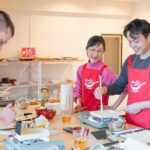
The main portion lasts about an hour. You choose a design from the available options, then work through the ingredients and decorations with guidance from the instructor.
The panda is the clearest choice if you want the classic kawaii look. The brown beer character offers another style, and a seasonal limited-edition design may be available. Because seasonal choices can change, confirm your selection by email after booking rather than assuming a particular figure will be ready.
The work involves more than placing two eyes on a rice ball. You shape the main character, make decorated faces, arrange side dishes, and use small tools for detail. The wide selection of cutters, molds, and other bento equipment helps beginners get a neat result without needing expert hand control.
That equipment is one of the class’s best features. You can experiment with shapes and decorations while still receiving close instruction. The end result can look polished even if your first attempt at food art is modest.
Knives and cooking tools are used, so parents must supervise younger children. The class welcomes children, but it is not a hands-off activity where adults can simply watch from the side. Older children and teenagers should find the mix of craft and food appealing, especially because the result is edible.
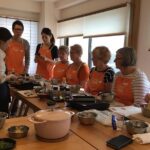
The experience also works well for couples and friends. Each person can choose a different character, such as a panda for one participant and a dog-style design for another if that option is available in the lesson. Solo participants are welcome too, and the social setting gives you an easy activity without needing to join a sightseeing group.
Dietary requests and what to clarify first

The menu can be adjusted for vegetarian and vegan preferences, and the kitchen can accommodate some allergies with advance notice. Staff have made ingredient replacements for a guest who could not eat pork, which shows why it is worth giving precise information when you book.
Do not treat this as a guaranteed allergy-free kitchen. Seafood, soy, and sesame are common allergens used in the activity. The class may not suit people with severe allergies, and strict dietary needs may not be fully accommodated.
Send your restrictions at the time of booking, not when you arrive. Explain exactly what you cannot eat. A simple request made early gives the instructors time to adjust ingredients, while a surprise restriction at the table may leave few options.
For many people, the ability to modify the menu adds real value. You get to take part in the same creative process instead of watching friends eat while you sit out. But anyone with a severe allergy should ask detailed questions before paying.
Other cooking classes in Tokyo


The 15-minute photo session

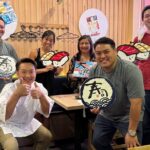
After the food is assembled, you have about 15 minutes for photographs. This is a smart part of the schedule because the bento looks best before it is opened and eaten.
The photo session gives you a chance to record the face, side dishes, and overall arrangement. It also prevents the common problem of finishing a food activity and realizing you forgot to take a picture before lunch disappeared.
Bring your phone if you want your own shots. The included photography session means the activity is planned around this pause, rather than leaving you to grab a rushed picture while everyone else moves on.
The finished bento makes a pleasant travel memory because it shows your own handiwork. You did not simply buy a character lunchbox from a shop. You shaped and decorated it yourself, with a little help from the instructor.
The final 30 minutes: eat your own creation

The last half hour is set aside to enjoy the meal. This is more satisfying than a craft class that ends with a decorative object and no chance to use it.
The food is arranged in a small lunchbox, but expect more than a token tasting. Some participants found there was plenty of food packed into the box, even more than they needed. The meal is meant to look good, but taste still matters.
Eating at the end also helps explain the balance of the bento. You can see how the main character, rice, and side dishes fit together as a portable lunch. If you prefer, a homemade bento can also be carried to another place after the class, provided you handle it safely. One participant took the finished meal to Shinjuku Gyo-en.
I like this built-in meal because it keeps the two hours well paced. You start with context, spend most of the time making something, take photographs, then sit down and enjoy it. There is no need to find lunch immediately afterward.
How the $64 price measures up

At $64 per person, this is not the cheapest way to eat lunch in Tokyo. You could buy an attractive bento at a station for far less. The value here comes from the activity around the meal.
Your fee covers English instruction, all ingredients, all tools, cultural explanation, the meal, photography, English recipes, and a souvenir. You also get the chance to make a design that would be difficult to reproduce without the special cutters and molds.
The class becomes better value when you compare it with other paid Tokyo activities that last only an hour or two and leave you with a photograph. Here, you receive instruction and a practical skill you can repeat at home. One of the recipes and the method can follow you beyond Japan.
The price is less compelling if you are mainly looking for a filling lunch or if you do not enjoy crafts. The meal is part of the package, but you are paying for guided creation, cultural context, and the memory of making it.
For families, the price can work well because several age groups can take part at the same table. For solo visitors, it offers a structured indoor activity with a clear purpose. Couples and friends get a shared project without the formality of a long cooking course.
Optional add-ons before and after class

Two free extras may be available if requested in advance. Before the workshop, you can ask for a 30-minute advanced side-dish preparation session. Afterward, you can request a 30-minute Akasaka tour.
These add-ons are not automatic, so ask when booking. They could be useful if you want more time with Japanese side dishes or want to connect the class to the neighborhood around the studio.
The main class already fills two hours, so consider your wider schedule. The Akasaka walk may be a pleasant follow-on, but you should not assume you can add it at the last minute.
Who will enjoy this class most
Families with children are a natural fit, especially if the kids like drawing, crafts, or making food. The clear steps help younger participants, but parents must supervise knife use and cooking tools.
Teenagers can enjoy it too. The result feels playful without being childish, and the photo session gives them something more memorable than another standard meal.
Couples and friends get a relaxed shared project. You can compare designs, help one another with small details, and eat together afterward. Solo visitors are welcome, and the instructor-led structure makes the activity easy to join alone.
I would be more cautious about booking if you have severe food allergies, strict dietary restrictions, or little interest in food presentation. This is also not the right pick for someone seeking a long, technical Japanese cooking lesson.
Booking details worth keeping in mind
The class lasts two hours, with starting times based on availability. English is the teaching language.
You can cancel up to 24 hours in advance for a full refund, and the reserve-now, pay-later option lets you keep your plans flexible. That is useful in Tokyo, where weather, jet lag, and last-minute changes can alter your day.
Send dietary requests and add-on requests in advance. Confirm your character choice by email after booking. At the station, use Exit 7 and follow the panda sign to the B1 room.
Should you book the kawaii bento class?
Book it if you want a hands-on Tokyo memory that combines food, design, and a little cultural background. The class is especially strong for families, creative couples, friends, and solo visitors who want to make something rather than only see another attraction.
The best reasons to choose it are the patient step-by-step teaching, the broad selection of tools, and the fact that you eat the finished bento. Kenji and Mari help keep the activity friendly and manageable, even for first-time cooks.
Skip it if your priority is a low-cost meal, advanced culinary training, or a completely allergy-free kitchen. For everyone else, $64 buys more than lunch: it buys two hours of making, learning, photographing, and sharing a distinctly Japanese form of edible art.
FAQ
How long does the kawaii bento cooking class last?
The class lasts two hours. The approximate schedule includes 15 minutes of cultural introduction, 60 minutes of hands-on bento making, 15 minutes for photographs, and 30 minutes to enjoy the meal.
How much does the experience cost?
The price is $64 per person.
Where does the class meet?
It meets near Tameike-Sanno Station. Leave the station through Exit 7, walk straight, cross the intersection, and look for the panda bento sign on the building directly ahead. The class is in the basement, B1, below a ramen shop.
Is the class taught in English?
Yes. The instructor language is English, and English recipes are included.
Can children join the workshop?
Yes, children are welcome. The class uses knives and other cooking tools, so parents or guardians should supervise younger children.
Which bento designs can I make?
You can choose a cute panda bento, a brown beer bento, or a seasonal limited-edition bento. Your choice is confirmed by email after booking.
Can the menu accommodate vegetarian or vegan diets?
Vegetarian and vegan options are available with advance notice. Some allergies and ingredient restrictions may also be accommodated, so provide complete details when booking.
Is the activity suitable for people with severe food allergies?
Use caution. Common allergens such as seafood, soy, and sesame are used, and the class may not be suitable for severe allergies. Ask about your specific needs before booking.
Is the workshop wheelchair accessible?
Yes, the activity is wheelchair accessible.
More Workshops & Classes in Tokyo
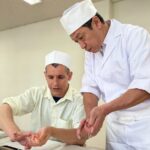
More Cooking Classes in Tokyo
More Cooking Classes in Tokyo
More tours in Tokyo we've reviewed












Cooking Classes, compared.
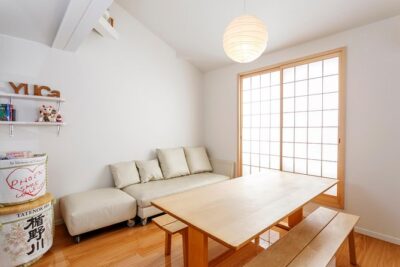 ★ 5.0Ramen & Gyoza Cooking Class in Tokyo with Local Supermarket VisitFrom $122
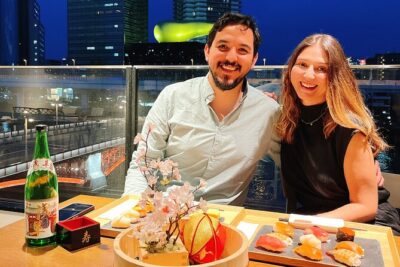 ★ 5.0Ramen and Sushi Cooking Class with Sake Pairing Set in TokyoFrom $79
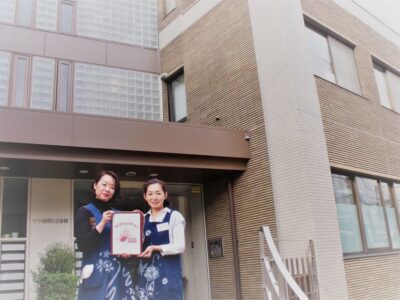 ★ 4.9Tokyo: Wagyu and 7 Japanese Dishes Cooking ClassFrom $673 hours
 ★ 5.0Tokyo Washoku 4-hour Cooking Class: From Market to TableFrom $79
 ★ 5.0Professional Ramen & Gyoza with Ramen Chef in a restaurant!From $159
 ★ 5.0Small-Group Wagyu Beef and 7 Japanese Dishes Tokyo Cooking ClassFrom $72