Reviewed · TOKYO FOOD TOURS
Tokyo: 3-Hour Food Tour of Shinbashi at Night
Shinbashi after dark is less about famous sights and more about seeing where Tokyo’s office workers eat, drink, and let go of the day. This three-hour walk leads you through narrow local streets for ramen, seared Wagyu, regional sake, dessert, and the small pubs that give the district its character.
In This Article
- Key points at a glance
- Why Shinbashi makes a good night out
- Following the guide through the backstreets
- Ramen first: a warm introduction to local comfort food
- Wagyu with a smoky edge
- Regional sake and the shift from curious to confident
- Dessert and the final taste of the evening
- The guide can make or break the evening
- What the $170 price really covers
- Practical details that affect your night
- Who should book this Shinbashi food walk?
- Should you book the Shinbashi night food tour?
- FAQ
- Where does the tour meet?
- How long does the tour last?
- What food and drinks are included?
- Is the tour conducted in English?
- How many people are in the group?
- Is hotel pickup included?
- Are extra food and drinks included?
- Can children join the tour?
- What should I bring?
- What happens if I arrive late?
I like the small group of no more than 10 because a guide can explain unfamiliar dishes and help you order without turning the evening into a moving crowd. I also like the mix of food and local customs, including the practical eating phrases and gestures that guide Ray used with visual aids. The main consideration is the $170 price, which is a lot for three hours if you mainly want a large meal rather than a guided introduction to Shinbashi.
The tour starts at the steam locomotive outside the Hibiya exit of Shinbashi Station. Arrive early: the guide waits only five minutes, and cannot provide directions by phone once the walk has begun. You’ll also need to be at least 20, wear comfortable shoes, and be prepared for smoking in many parts of Shinbashi.
Key points at a glance

- Shinbashi after work: See the retro backstreets where Tokyo’s office crowd gathers at the end of the day.
- Four useful food themes: Expect local dishes at several stops, including ramen, Wagyu, regional sake, and a traditional dessert.
- A guide-led introduction: English-speaking guides such as Ray, Yappy, Francois, Tommy, and Marc have helped guests understand food, manners, and pub customs.
- Small enough for conversation: The group is limited to 10, making it easier to ask questions and keep pace through narrow streets.
- Adults only: Everyone must be 20 or older, and the tour is not suitable for younger visitors.
- Flexible booking: You can cancel up to 24 hours before the start for a full refund, and reserve now while paying later.
Why Shinbashi makes a good night out

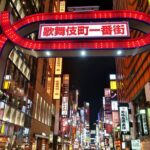
Shinbashi is one of the better Tokyo districts for seeing the city’s working-day rhythm. Office towers and major train lines sit near tight lanes lined with small eating and drinking places. Once the workday ends, these streets take on a different role as local meeting places.
That change is the point of the tour. You are not simply being shown a list of dishes. You are being guided through a part of Tokyo built around after-work meals, quick drinks, shared plates, and compact restaurants. The setting helps explain why Japanese pub culture can feel social without being loud or showy.
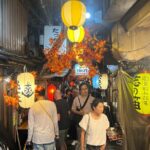
The walk also takes you away from the grand Tokyo images most visitors already know. You will not be sightseeing from a landmark viewpoint. Instead, you will notice signs, entrances, counter seating, smoke drifting near restaurant doors, and the small details that make Shinbashi feel like a real neighborhood after office hours.
I would choose this outing early in your Tokyo stay. A guide can point out food customs and useful places to eat, then give you ideas for the rest of your trip. Tommy, for example, was praised for offering recommendations beyond the tour itself, while Ray focused on explaining both the food and the bar culture.
A few more Tokyo tours and experiences worth a look

Following the guide through the backstreets
Meet in front of the retired steam engine at the Hibiya exit of Shinbashi Station. This is a clear landmark, but Shinbashi has several exits and can be confusing if you leave the station in a hurry. Give yourself extra time to find the locomotive, especially if you are arriving during the evening rush.
Once everyone is together, the guide leads the group into the backstreets. The exact route and venues can vary, so you should treat the listed foods as the main themes rather than a fixed restaurant menu. That flexibility is useful in Tokyo, where small establishments may have limited seating or change their opening plans.
The guide’s role matters here. You may pass a doorway that looks ordinary from the outside, yet the food and atmosphere inside are hard to judge without local help. Guides including Yappy, Marc, Yoko, Anne, and Ryan have been praised for making the walk relaxed and explaining the culture behind the dishes.
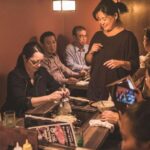
This is also where the group size earns its keep. Ten people is still a group, but it is small enough for the guide to answer questions and keep everyone moving through narrow lanes. It is a better format than a large bus-style food outing for a district built around compact bars and small restaurants.
Ramen first: a warm introduction to local comfort food

A steaming bowl of ramen is one of the tour’s central food moments. The appeal is simple: hot broth, noodles, and umami make a good match for a Tokyo evening, especially after walking through the cooler streets.
The value here is not just the bowl. Your guide can help explain what you are eating and how the dish fits into everyday Japanese dining. If ramen is familiar to you already, the setting still gives it a different feel. You are eating in the same kind of after-work district that many local office workers use for a quick meal.
The tour description does not specify the ramen style, restaurant name, portion size, or choice of toppings. I would not book this expecting to select from a long tasting menu. Think of ramen as one stop in a broader evening of food rather than the entire meal.
That distinction is important. Several stops mean variety, but portions may be spread across the night. If you arrive very hungry, you can purchase additional food or drinks at your own expense, since extra orders are not included.
Wagyu with a smoky edge

The Wagyu portion brings a more luxurious note to the evening. The meat is described as buttery and seared with a delicate smoky char, so this is likely to appeal to you if you want to compare Japanese beef with the everyday dishes served along the route.
Wagyu can be expensive on its own, and tasting it in a local food walk helps explain part of the tour’s price. You are not only paying for a plate of beef. You are also paying for access to selected stops, a guide who can explain what you are tasting, and the chance to connect the dish with Japanese dining habits.
Still, I would keep your expectations measured. The supplied details do not state the cut, grade, serving size, or preparation method beyond the searing and smoky flavor. It is best viewed as a tasting stop, not a full steak dinner.
The contrast between ramen and Wagyu makes the route more interesting. One is familiar comfort food, the other is a prized ingredient. Together they show that Japanese eating in Tokyo is not one fixed style. It can be quick, modest, refined, playful, or social, often within the same evening.
Regional sake and the shift from curious to confident

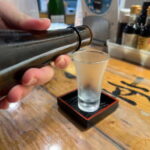
The sake tasting is another strong part of the experience. You will sample regional sake and learn how its aroma, crispness, and flavor can change from one pour to the next. The activity uses the word nihonshu, the Japanese term often used for sake, and that distinction can help you understand what you are drinking.
For many people, sake is easier to enjoy once someone explains what to notice. A guide can give you a way to compare the drinks instead of treating them as one generic beverage. The tasting is also tied to the local pub setting, where a drink is part of the evening’s rhythm rather than an isolated formal lesson.
Sandra’s guide, Ray, used the tasting to explain Japanese food and bar culture, and the experience helped her discover that she did like nihonshu. That is a useful clue for anyone who has tried sake once and decided it was not for them. Styles vary, and a guided comparison can change your view.
Alcohol is included only as part of the sake tasting. Additional drinks and food cost extra, so keep that in mind if you expect to continue drinking at each stop. The tour is for adults aged 20 and over, which matches Japan’s legal drinking age.
A few more Tokyo tours and experiences worth a look




Dessert and the final taste of the evening

A traditional dessert closes the food portion of the walk. The exact sweet is not specified, so you should expect a Japanese dessert rather than a named specialty. Ending with something sweet gives the route a clear shape and keeps the night from becoming only a procession of savory dishes and drinks.
I appreciate this kind of finish because it gives the guide a chance to explain how traditional sweets fit into Japanese meals and celebrations. It also provides a pause after the heavier flavors of ramen, Wagyu, and sake.
Food preferences may be handled with some flexibility, but you should tell the guide about allergies or restrictions before the tour if possible. The available information does not promise a fully customized menu, and the small restaurants may have limited alternatives.
One past guide, Anne, was praised for being flexible about what was ordered for a daughter. That suggests a considerate approach, but it should not be taken as a guarantee that every dish can be changed. If you have strict dietary needs, confirm them when booking.
The guide can make or break the evening

The strongest thread running through the experience is the guide. Food in Tokyo can be easy to find but harder to interpret. A guide explains what to order, how to behave in small restaurants, and why the district looks and feels different after office hours.
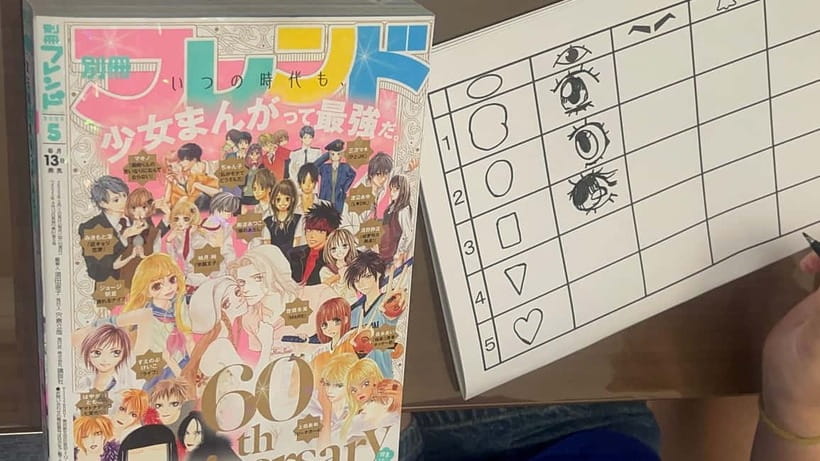
The guide may also teach simple gestures and phrases. Ray used visual aids to show how to bless a meal and thank staff when leaving. These small lessons are practical because they help you feel less awkward during the rest of your time in Japan.
Past guides have included Ray, Francois, Tommy, Marc, Yappy, Yoko, Ryan, and Anne. The available information does not tell you which guide will lead your specific departure, so book this for the format and subject rather than for one guaranteed personality.
The reports about the guides also show the range of the experience. Francois prepared a birthday surprise for a guest’s son and later joined the group for karaoke. Yappy was described as fun and helpful, while other guides were praised for humor, care, and useful recommendations. Karaoke was an additional activity, not part of the stated food-tour inclusions, so ask about it if that interests you.
What the $170 price really covers

At $170 per person, this is not a bargain meal. You can eat ramen or visit an izakaya for less if you are comfortable choosing places yourself. The price makes more sense if you see the tour as a guided cultural evening with food attached.
You are paying for three hours, several food stops, a sake tasting, and an English-speaking local guide. You also gain a planned route through a district that can be difficult to read at first glance. For a first visit to Tokyo, that guidance can save time and help you avoid spending the whole evening guessing at menus and doorways.
The value is strongest for people who want context. If you already know Shinbashi well, speak Japanese, and enjoy selecting your own restaurants, the cost may feel high. If you want an easy introduction to local pub culture without handling every choice yourself, the price is easier to defend.
Transportation, hotel pickup, gratuity, and extra food or drinks are not included. Hotel pickup can be arranged for an additional charge, but the standard meeting point is at Shinbashi Station. Add those possible costs to your budget before booking.
Practical details that affect your night

The tour lasts three hours, with starting times shown according to availability. Since it runs at night and includes several stops, wear comfortable walking shoes and avoid bringing anything that makes moving through narrow streets difficult.
Smoking is permitted in most areas of Shinbashi. If smoke bothers you, this is a real consideration, especially around local bars and restaurant lanes. The activity is also for adults only, with no participants under 20.
Arrive before the scheduled start. The guide can wait only five additional minutes, then the group leaves. Once the tour is moving, the guide cannot provide directions by phone, partly to keep the group together and partly to respect the restaurants hosting the visit.
The group limit is 10 people. That keeps the route more personal, but it does not mean you will have a private tour. If you want a private experience, check the booking options rather than assuming the small group is exclusive.
Free cancellation is available up to 24 hours in advance for a full refund. You can also reserve now and pay later, which helps if you are still arranging a longer Japan itinerary.
Who should book this Shinbashi food walk?
I would recommend it to you if you enjoy trying several foods in modest portions, asking questions, and learning how a neighborhood works. It is especially useful during your first few days in Tokyo, when a local guide can give you ideas for later meals and explain customs you will see again.
It suits couples, friends, and solo visitors who want company for an evening meal. The small group gives solo visitors an easy social setting, while the three-hour length keeps the commitment reasonable.
I would think twice if you need a precise menu, dislike smoking, have strict dietary restrictions, or want a long sit-down dinner at one restaurant. The route changes between stops, extra orders cost more, and some important details such as restaurant names, exact portions, and the dessert are not fixed in advance.
Should you book the Shinbashi night food tour?
Book it if you want to understand Tokyo through its after-work food culture rather than simply collect famous dishes. The best parts are the local backstreets, the guide’s explanations, the regional sake tasting, and the chance to learn small dining customs that make later meals easier.
Skip it if $170 feels too high for tastings or if you prefer to choose your own restaurants. For everyone else, this is a well-structured first look at Shinbashi, with enough food variety to keep the evening interesting and enough local context to make the neighborhood memorable.
FAQ
Where does the tour meet?
Meet in front of the decommissioned steam engine at the Hibiya exit of Shinbashi Station.
How long does the tour last?
The food tour lasts three hours. Starting times depend on availability.
What food and drinks are included?
The experience includes local dishes at several food stops, a sake-tasting experience, and a traditional dessert. The listed food themes include ramen and Wagyu.
Is the tour conducted in English?
Yes. The tour has a live English-speaking guide.
How many people are in the group?
The group is limited to 10 participants.
Is hotel pickup included?
No. Hotel pickup is not included, but it can be arranged for an additional charge.
Are extra food and drinks included?
No. Additional food and drinks are not included, but you may purchase them at your own expense.
Can children join the tour?
No. Only adults aged 20 and over are permitted.
What should I bring?
Bring a passport or ID card and wear comfortable walking shoes.
What happens if I arrive late?
The guide can wait only five minutes after the scheduled starting time. After that, the tour departs, and the guide cannot provide directions by phone once the walk has begun.
More Food Experiences in Tokyo

More Night Tours in Tokyo
More Tokyo Food Tours in Tokyo

More tours in Tokyo we've reviewed












Tokyo Food Tours, compared.
 ★ 5.0Tokyo: Shinjuku Food Tour (13 Dishes at 4 Local Eateries)From $86
 ★ 4.9Tokyo: Shinjuku Food Tour (13 Dishes and 4 Eateries)From $97
 ★ 5.0Tokyo Night Foodie Tour in Shinjuku – Seasonal Sushi, Wagyu BeefFrom $111
 ★ 5.0Eat and Drink Like a Local: Tokyo Ueno Food Tour-Taverns&RamenFrom $95
 ★ 5.0Tokyo: Shibuya Food Tour (13 dishes and 4 Eateries)From $77
Tokyo: Shinjuku Food Tour – 15 Dishes, 3 Drinks, 4 EateriesFrom $723 hours
★ 5.0Tokyo: Shibuya Food Tour (13 dishes and 4 Eateries)From $77
Tokyo: Shinjuku Food Tour – 15 Dishes, 3 Drinks, 4 EateriesFrom $723 hours