Reviewed · MT FUJI DAY TRIPS
Mt Fuji Day Trip from Tokyo by Car with Photographer Guide
The best part of this private Mt. Fuji day trip is the freedom to move between several scenic places without wrestling with train schedules and rural buses. You’ll travel by comfortable car from Tokyo to the mountain’s northern side, where pagodas, clear spring water, old farmhouses, shrines, and Fuji views come together in one long day.
In This Article
- What makes this day trip worth considering
- Why a private car makes Fuji easier
- Arakurayama Sengen Park and the famous Fuji view
- Oshino Hakkai and the spring-fed village
- Saiko Iyashi no Sato Nemba and thatched-roof houses
- Kitaguchi Hongu Fuji Sengen Jinja Shrine
- What the photographer-guide service adds
- Weather, visibility, and the risk of missing Fuji
- Comfort, fitness, and the practical details
- Who gets the best value from this tour
- Should you book this Mt. Fuji day trip?
- FAQ
- How long does the Mt. Fuji day trip last?
- What time does the tour start?
- Is hotel pickup included?
- Is this a private tour?
- How much does the tour cost?
- Is transportation included?
- Is lunch included?
- Are admission fees included?
- What happens if bad weather cancels the tour?
I like the included hotel pickup and drop-off, especially because Mt. Fuji’s sightseeing spots are spread far apart. I also like having a guide who can take photos, so you can enjoy the view instead of handing your phone to a stranger at every stop. The catch is the price: $1,150 per group is a serious expense unless you can share it with several people.
What makes this day trip worth considering
- Private car travel from Tokyo: Skip the complicated mix of trains and buses needed to reach the Fuji Five Lakes area.
- Four distinct stops: See Arakurayama Sengen Park, Oshino Hakkai, Saiko Iyashi no Sato Nemba, and Kitaguchi Hongu Fuji Sengen Jinja Shrine.
- Photo help built into the day: Your guide takes pictures during the outing, useful at the pagoda viewpoint and old-house village.
- A flexible private itinerary: Your group is the only group on the tour, so the schedule can be adjusted to suit your needs.
- A full nine-hour outing: The 8 a.m. start gives you a full day outside Tokyo, though traffic and weather affect how much time you have at each stop.
- Weather matters: Cloud and cold can block Fuji entirely, as happened on one outing, so you should be comfortable with a countryside day even if the mountain disappears.
Why a private car makes Fuji easier

Mt. Fuji looks close to Tokyo on a clear day, but the most appealing viewing spots are scattered across the countryside. Public transport can get you there, yet the connections take planning, and rural timetables are less forgiving than Tokyo’s trains.
This tour solves that problem with a private vehicle and a driver-guide. You are collected from your hotel at 8 a.m. and returned there after roughly nine hours. That means no station changes, no guessing which bus serves a distant lake or village, and no need to navigate after a long sightseeing day.
The group limit is six people. At the full $1,150 group price, that works out to about $192 per person if six people share the vehicle. For two people, the cost is much harder to justify. The value improves if you want convenience, privacy, and photography help more than the lowest possible fare.
The private format also gives the day some breathing room. The route is designed around four main stops, but the schedule can be adjusted to suit your group. Do not read that as a promise of unlimited changes. The outing still lasts about nine hours, and the distance from Tokyo to the Fuji area means driving time takes a meaningful part of the day.
A few more Tokyo tours and experiences worth a look
Arakurayama Sengen Park and the famous Fuji view

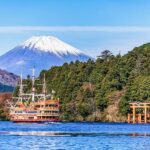
Your first stop is Arakurayama Sengen Park, a popular viewing point with a striking combination of Japanese architecture and Mt. Fuji. The climb includes about 400 steps. That is not a casual stroll, so wear shoes with good grip and be ready for a short workout soon after leaving Tokyo.
The reward is the view from above, where you can see the pagoda and Mt. Fuji together when the weather cooperates. This is the kind of place where a photographer-guide is especially useful. The composition is familiar from travel photos, but getting a well-framed picture of your own group is easier when someone else handles the camera.
You have about 40 minutes here. That is enough to climb, pause at the viewpoint, and take pictures, but it is not a long park visit. If you need a slower pace on stairs, tell the guide before the day begins. The tour calls for a moderate level of physical fitness, and this first stop is the clearest reason why.
Cloud is the great spoiler. A cold, cloudy day can hide Fuji even when the park itself is open and attractive. One previous outing had comfortable transport and a good guide but no mountain view at all because of the weather. Keep your expectations flexible: the pagoda, trees, and town views still give you something to see, but Fuji is never guaranteed.
Oshino Hakkai and the spring-fed village
Oshino Hakkai offers a different look at the mountain. The stop is known for exceptionally clear spring water, described as water from the mountain that you can taste. Small ponds and local Japanese houses create a more grounded, village-like setting than the formal viewpoint at Arakurayama.
You have about 30 minutes here. That is enough to look at the water, take photographs, and enjoy the traditional buildings, but it is a quick visit. If you prefer slow wandering, shopping, or a long meal, this stop may feel brief.
The value of a private car becomes clear again here. Oshino Hakkai is not simply a lookout with a single photo angle. It is a small rural stop that fits naturally into a wider Fuji route, but reaching several places like this by public transport takes more work. With a driver, you can make the visit without turning the day into a timetable exercise.
The water is one of the most interesting details, and you should take a moment to notice how clean and bright the ponds look. The village houses also help you see the area as more than a mountain backdrop. You are getting a quick look at countryside life around Fuji, not just collecting another distant view of the peak.
Saiko Iyashi no Sato Nemba and thatched-roof houses
Saiko Iyashi no Sato Nemba is the most atmospheric stop on the route. The village contains detached houses with roofs in the style of old Japanese farm buildings, giving you a strong sense of how rural architecture shapes a photograph.
The setting is particularly good when Fuji appears behind the houses. The contrast between the traditional roofs and the mountain creates a more layered image than the open view at Arakurayama. Your guide’s photography help matters here too, since the best picture may depend on where you stand and how you frame the roofline.
Admission is not included, so budget for that separately. The tour allows about 40 minutes, enough for a focused visit and photographs rather than a long museum-style exploration. The supplied details do not specify the admission price, so check the current amount when booking or before departure.
This stop gives the day a welcome change of pace. Arakurayama is about the famous panorama, Oshino Hakkai is about spring water and village scenery, and Saiko Iyashi no Sato Nemba is about traditional buildings set against Fuji. If the mountain is hidden, the old houses still provide a worthwhile subject, although the main photo appeal is clearly stronger on a clear day.
Kitaguchi Hongu Fuji Sengen Jinja Shrine

The final listed stop is Kitaguchi Hongu Fuji Sengen Jinja Shrine, a sacred site with stone lanterns lining both sides of the approach to the main building. The path has a quieter, more ceremonial feel than the open viewpoints and village stops.
You have around 40 minutes here. Use it to walk the approach slowly, look at the lanterns, and take in the setting rather than rushing straight to the main building. The shrine also has an entrance behind it for a trail toward Mt. Fuji, an important detail for anyone interested in the mountain beyond sightseeing photographs.
Admission is free. That helps balance the extra cost at Saiko Iyashi no Sato Nemba, though lunch remains your responsibility throughout the day. No lunch is included, and the available details do not set out a fixed restaurant or meal stop. If you need a vegetarian meal, request the vegetarian option when booking.
This shrine also broadens the experience. You are not spending the entire day at lookout points. The route includes a place connected with worship and the traditional approach to Mt. Fuji, giving the excursion a cultural layer without requiring a separate shrine visit in Tokyo.
Other guided tours in Tokyo


What the photographer-guide service adds

A guide who takes photographs can be more useful than it first sounds. Mt. Fuji stops often involve crowds, stairs, changing viewpoints, and awkward attempts to fit both people and scenery into one frame. Having someone handle the camera lets you focus on the outing.
The service is not described as a professional photo shoot with a set number of edited images, so you should not assume a studio-style package. Think of it as practical photo assistance during the day. Ask before departure how pictures will be taken and delivered if that matters to you.
Fumi has been praised for friendly communication, shared stories, and helpful ideas for the rest of a Tokyo stay. That suggests the guide can add value beyond pointing out the next stop. Tony has also been associated with a comfortable, high-end vehicle and a well-run outing.
The experience of the guide can matter on a route like this. Safe driving, clear communication, and local suggestions are not flashy extras, but they shape a long day in a car. One positive account specifically highlighted the driver’s safe handling and friendly manner. Those qualities become more important when your group spends many hours on the road.
Weather, visibility, and the risk of missing Fuji

You need to treat weather as the main variable. Mt. Fuji can vanish behind cloud, and cold conditions can make an outdoor day feel very different from the sunny photo trip you imagined.
The tour requires good weather. If poor weather forces cancellation, you are offered another date or a full refund. That protection is useful, but it does not solve the disappointment of making the trip and finding the mountain hidden. The route still has shrines, spring water, old houses, and village scenery, so the day is not empty without Fuji. Still, the mountain is the central reason most people book.
I would avoid treating this as a must-do on the final day of a short Tokyo stay if seeing Fuji is your top goal. Check the forecast close to the date and keep the plan flexible when possible. The cancellation terms allow a full refund when you cancel at least 24 hours before the start time, while changes or cancellations inside that window are not accepted. Cut-off times use local time.
The best attitude is simple: book for the whole Fuji area, not only for one perfect mountain photograph. Clear conditions can make this a superb photo day. Cloudy conditions turn it into a countryside and cultural outing with an expensive vehicle attached.
Comfort, fitness, and the practical details

This is a private activity, so only your group participates. That suits families, couples, and small groups who want to talk freely, adjust the pace, or avoid joining strangers. It also makes the $1,150 price easier to share.
The tour lasts about nine hours and begins at 8 a.m. Hotel pickup and drop-off are included, which removes one of the most annoying parts of an early start in Tokyo. The transport is by private vehicle, and the experience has been described as using a luxurious car. The exact vehicle is not specified, so do not book based on a particular make or model.
You should have moderate physical fitness. The 400 steps at Arakurayama are the main stated challenge, but you will also be walking around the village, shrine, and spring area. The schedule gives 30 to 40 minutes at each listed stop, so you will want to move comfortably rather than require long rest periods.
Lunch is not included. Admission is free at Arakurayama Sengen Park, Oshino Hakkai, and Kitaguchi Hongu Fuji Sengen Jinja Shrine. Saiko Iyashi no Sato Nemba charges an admission fee, and that cost is separate from the tour price.
Confirmation is sent within 48 hours of booking, subject to availability. The tour is often reserved well in advance, with bookings averaging 121 days ahead. That is a useful warning for peak travel periods, especially if your Tokyo dates are fixed.
Who gets the best value from this tour

I would recommend this day trip most strongly to a group of four to six people. Splitting the group price lowers the per-person cost, while the private car and flexible schedule remain useful. Families may also appreciate hotel pickup and the ability to stay together all day.
It suits you if you want several Fuji-area sights in one day but do not want to plan rural transport. It also suits anyone who values photographs and would rather have a guide take them than rely on timed selfies.
The tour is less appealing if you are traveling alone or as a couple on a tight budget. You can likely find cheaper ways to reach the Fuji area, though they require more planning and may not connect all four stops as neatly.
It is also not the best choice if your main goal is a long hike. The shrine has an entrance behind it for a Mt. Fuji trail, but this is a sightseeing day, not a climbing or extended walking tour. The itinerary gives short visits at several places, not hours at one trailhead.
Should you book this Mt. Fuji day trip?
Book it if you value door-to-door convenience, want four different Fuji-area stops, and can share the cost with a larger group. The private vehicle saves planning time, the guide can help with photographs, and the route includes more than a single mountain lookout.
Think twice if $1,150 feels painful for your group or if you need guaranteed Fuji views. Weather can defeat the headline attraction, and even a well-run outing cannot move the clouds. If you can accept that risk and treat the day as a wider look at villages, shrines, spring water, and mountain scenery, this is a comfortable and efficient way to leave Tokyo behind.
FAQ
How long does the Mt. Fuji day trip last?
The tour lasts approximately nine hours.
What time does the tour start?
The stated start time is 8:00 a.m.
Is hotel pickup included?
Yes. Hotel pickup and drop-off are included.
Is this a private tour?
Yes. Only your group participates, with a maximum group size of six people.
How much does the tour cost?
The price is $1,150 per group of up to six people.
Is transportation included?
Yes. Transport by private vehicle and a driver-guide are included.
Is lunch included?
No. Lunch is not included.
Are admission fees included?
Admission is free at Arakurayama Sengen Park, Oshino Hakkai, and Kitaguchi Hongu Fuji Sengen Jinja Shrine. Admission to Saiko Iyashi no Sato Nemba is not included.
What happens if bad weather cancels the tour?
If the experience is canceled because of poor weather, you will be offered a different date or a full refund.
More Photography Tours in Tokyo



More Guided Tours in Tokyo
More Mt Fuji Day Trips in Tokyo

More tours in Tokyo we've reviewed












Mt Fuji Day Trips, compared.
 ★ 5.0Mt Fuji and Hakone 1-Day Bus Tour Return by Bullet TrainFrom $163
 ★ 4.0Mt Fuji & Hakone Cruise, Drum Show Bullet Train 1 Day from TokyoFrom $149
 ★ 4.4Tokyo Mt Fuji 5th St & Hakone Cruise Bus Tour w/Bullet TrainFrom $15410 hours
 ★ 4.5From Tokyo: Mount Fuji Full-Day Sightseeing TripFrom $6810 hours
 ★ 4.7Tokyo: Mt. Fuji Tour, Hakone Ropeway, Owakudani, Lake AshiFrom $5410 hours
 ★ 4.4Tokyo:Mt.Fuji,Kawaguchiko Oishi Park,Arakurayama Sengen ParkFrom $5410 hours